

 English
 عربى
عربى Español
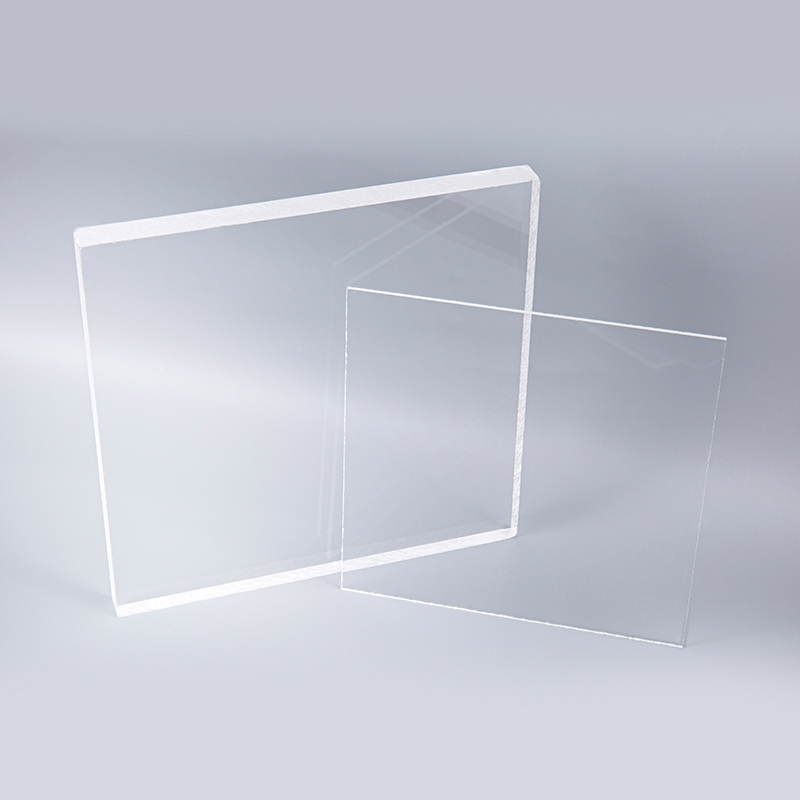
High-Strength Clear Acrylic Sheet
One of Oleg's popular products is the clear acrylic sheet, and our strong production capacity ensure...



For manufacturing professionals and procurement specialists working with transparent thermoplastics, the choice between cast acrylic and extruded acrylic is never arbitrary. While both materials share the same base chemistry of polymethyl methacrylate, their manufacturing routes produce sheets with distinctly different molecular structures, which in turn dictate their behavior under machining operations. When the application demands tight tolerances, smooth edge finishes, and consistent dimensional stability, understanding these differences becomes critical. This article provides a comprehensive technical comparison focused specifically on machining performance, helping you determine which material is better suited for precision parts production.
These performance benchmarks are not arbitrary; they are the direct result of the cell-casting manufacturing process and the material composition. To appreciate the technical superiority of cast acrylic, it is helpful to first understand the fundamental difference between cast and extruded acrylic sheet production.
With the process fundamentals in mind, we can now examine how cast and extruded acrylic compare across the critical attributes that influence sourcing decisions for precision manufacturing. The following table summarizes the key differentiators.
| Property | Cast Acrylic | Extruded Acrylic |
|---|---|---|
| Molecular Weight | 50,000 – 100,000 g/mol | 20,000 – 40,000 g/mol |
| Impact Strength | 2.0 – 2.5 kJ/m² | 1.2 – 1.6 kJ/m² |
| Machining Edge Quality | Clean, polished | Rough, prone to fuzzing |
| Heat Deflection Temperature | 95°C | 85°C |
| Internal Stress | Low | High |
| Dimensional Tolerance | ±0.05mm | ±0.15mm |
When it comes to CNC routing, laser cutting, and edge polishing, cast acrylic exhibits several clear advantages. The higher molecular weight of cast material provides greater resistance to stress cracking during machining. As the cutting tool removes material, heat is generated at the cutting interface. Cast acrylic's denser molecular structure dissipates this heat more effectively, reducing the risk of melting or deformation around the cut zone. This translates to cleaner edges with less post-processing required.
Extruded acrylic, with its lower molecular weight, tends to have higher internal stresses from the manufacturing process. When machined, these stresses can be released unevenly, causing the material to warp or develop micro-cracks. The edges of extruded sheets are also more prone to "fuzzing" or hazing during routing, requiring additional flame polishing or sanding steps to achieve optical clarity. For applications requiring precision and visual quality, the fashion polyester spandex letter jacquard rib clothing fabric analogy in terms of structural integrity demonstrates how material construction directly influences performance, though our focus remains on acrylic sheet selection.
Heat management is perhaps the most significant differentiator between the two materials in machining environments. Cast acrylic maintains its structural integrity up to higher temperatures, with a heat deflection temperature typically around 95°C. This allows for faster feed rates and deeper cuts without compromising edge quality. Extruded acrylic, with its lower molecular weight, softens at approximately 85°C, making it more susceptible to gumming on cutting tools and producing rough, opaque edges.
For laser cutting applications, the difference is equally pronounced. Cast acrylic produces clean, flame-polished edges with minimal charring, while extruded acrylic tends to develop more pronounced burn marks and a rougher cut surface. The consistency of cast acrylic's laser-cutting results makes it the preferred choice for applications like display fixtures, signage, and medical device components where visual quality is paramount.
Precision parts demand materials that hold their dimensions throughout the machining process. Cast acrylic's slower, more controlled polymerization results in a sheet with minimal internal stress. When the material is clamped, machined, and released, there is virtually no stress-induced distortion. Parts cut from cast acrylic maintain their specified dimensions within tight tolerances, typically ±0.05mm for thickness and ±0.1mm for cut dimensions.
Extruded acrylic, conversely, contains residual stresses from the extrusion and rapid cooling process. When one side is machined, the stress balance is disrupted, often causing the sheet to bow or cup. This makes it challenging to achieve consistent tolerances on large or complex parts. For applications requiring high precision, such as optical components or mechanical housings, cast acrylic provides the reliability that extruded material cannot match.
For manufacturers producing precision parts where machining quality, dimensional accuracy, and optical clarity are non-negotiable, cast acrylic sheet represents the superior choice. Its higher molecular weight, lower internal stress, and better thermal stability provide a machining experience that consistently delivers clean, accurate, and visually pristine components. While the initial material cost may be higher, the reduced rejection rates and improved product quality often result in lower overall production costs. For applications that demand the best, cast acrylic remains the benchmark against which all other transparent thermoplastics are measured.
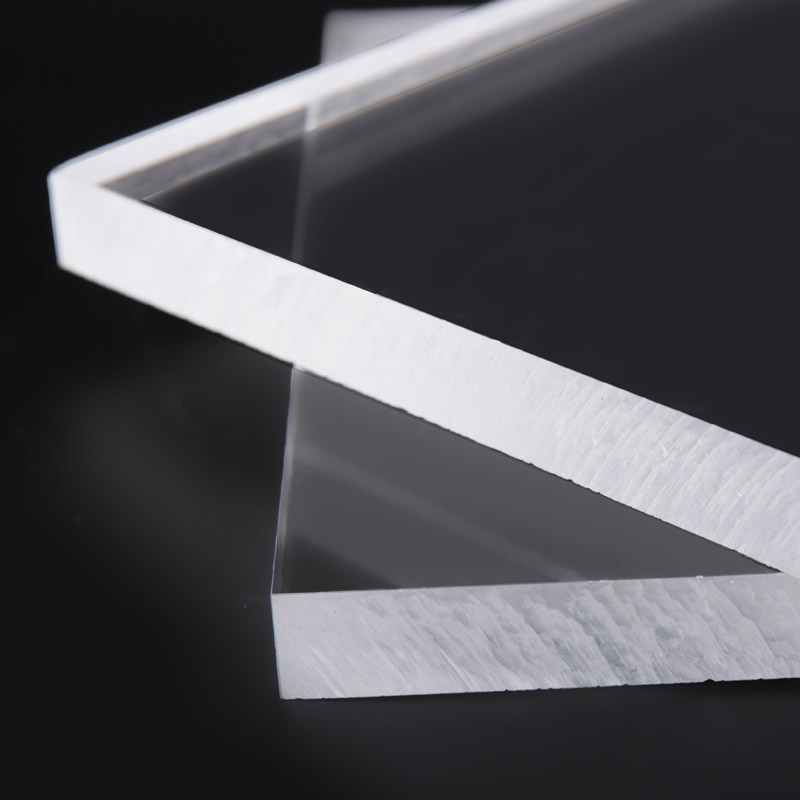
One of Oleg's popular products is the clear acrylic sheet, and our strong production capacity ensure...
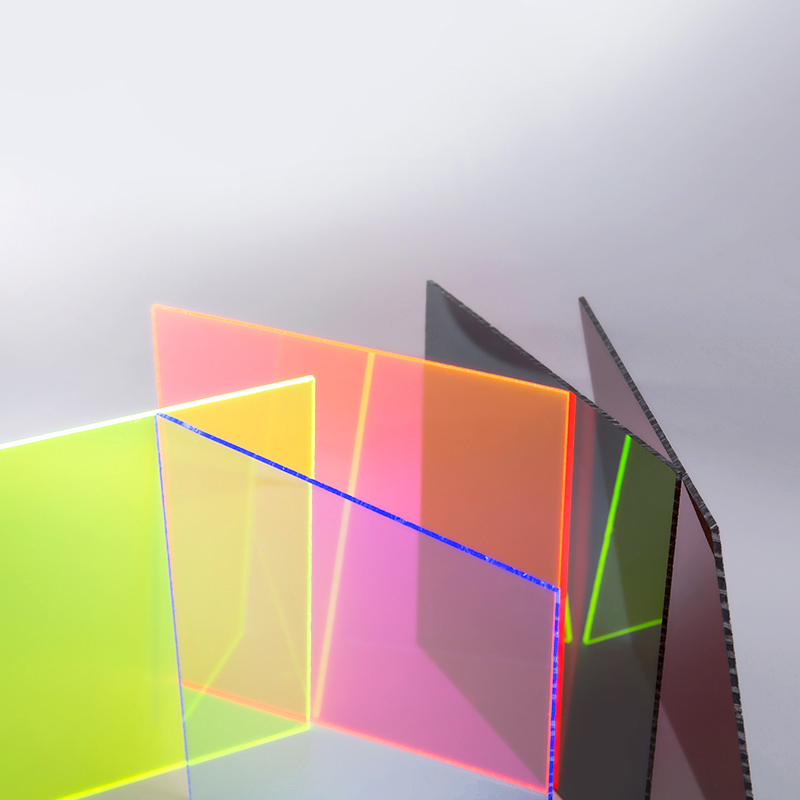
Oleg's products, whose raw material is virgin from Mitsubishi. OLEG is one of the TOP 5 cast acrylic...
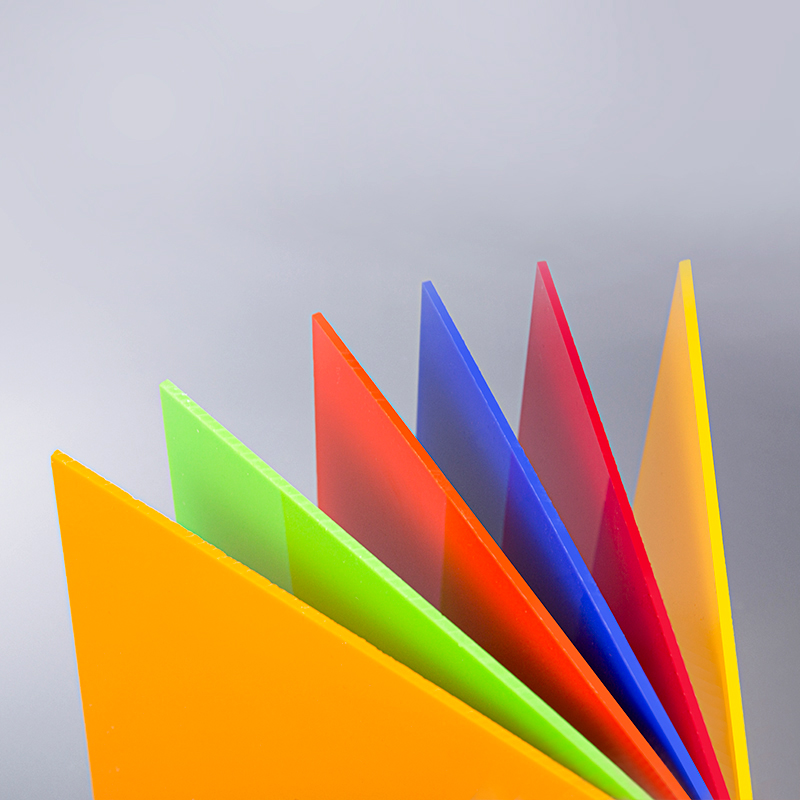
OLEG’s product, whose raw material is virgin from Mitsubishi. The color is highly uniform, pure and...
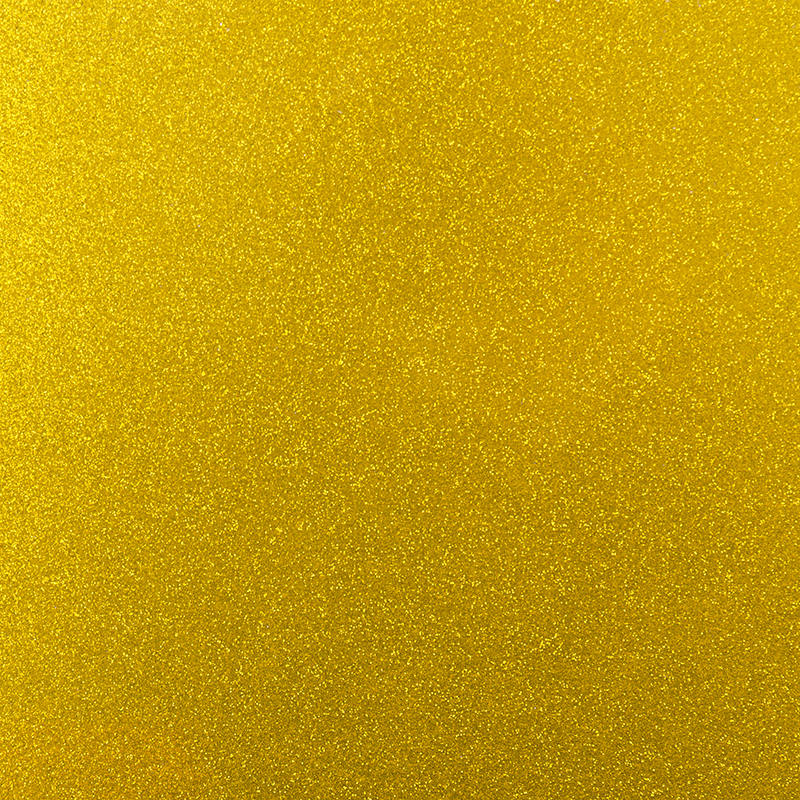
Golden acrylic sheet has tiny gold glitters in the material, which cause a luxurious effect. • Relia...
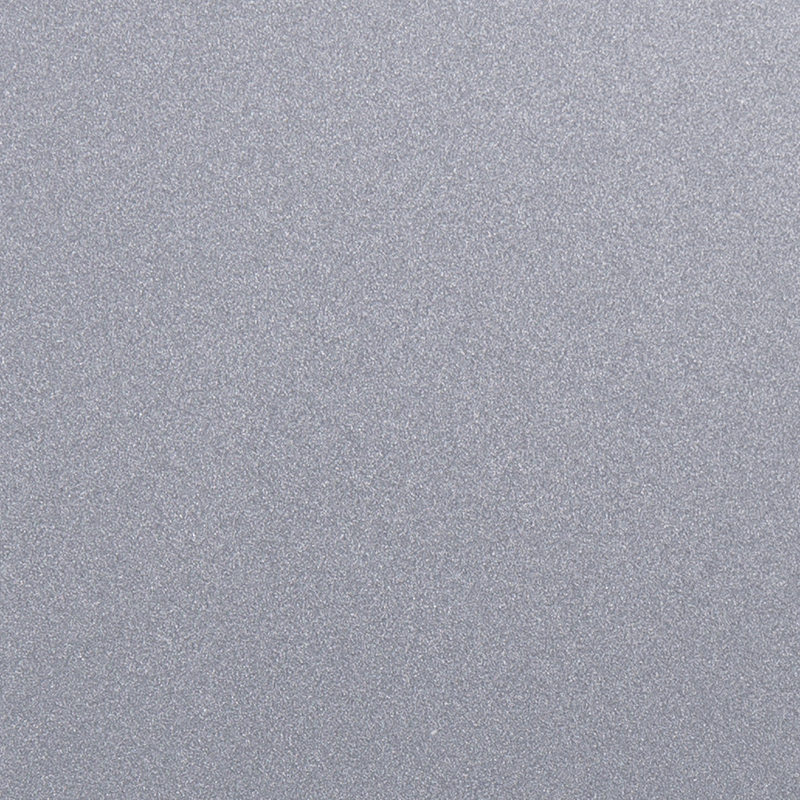
Silver acrylic sheet has tiny silver glitters in the material, which creating an elegant effect. • A...
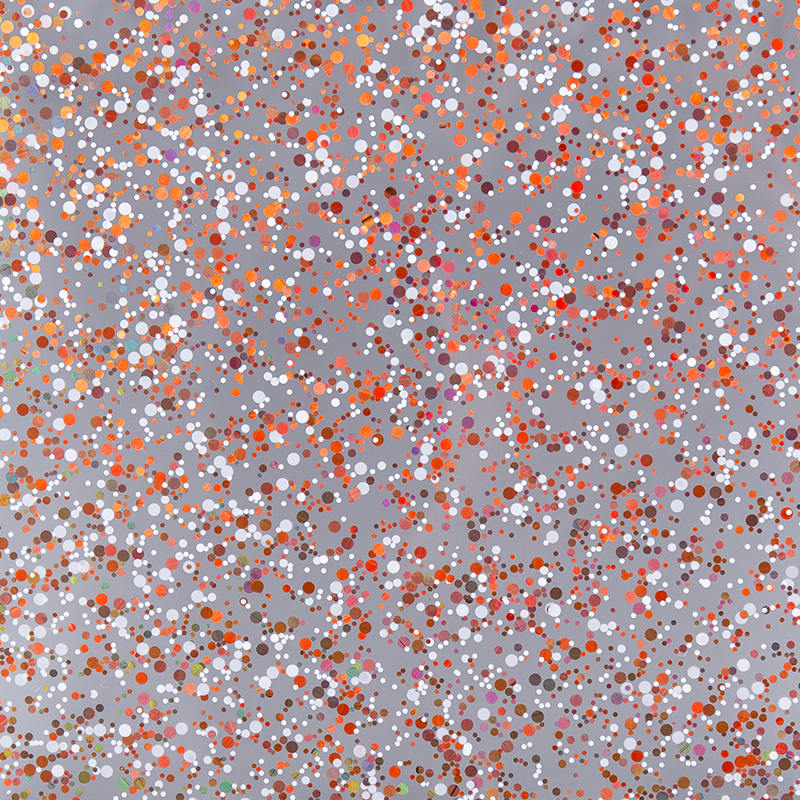
Tiny colored glitters are added to the transparent material to create a colorful and joyful visual e...
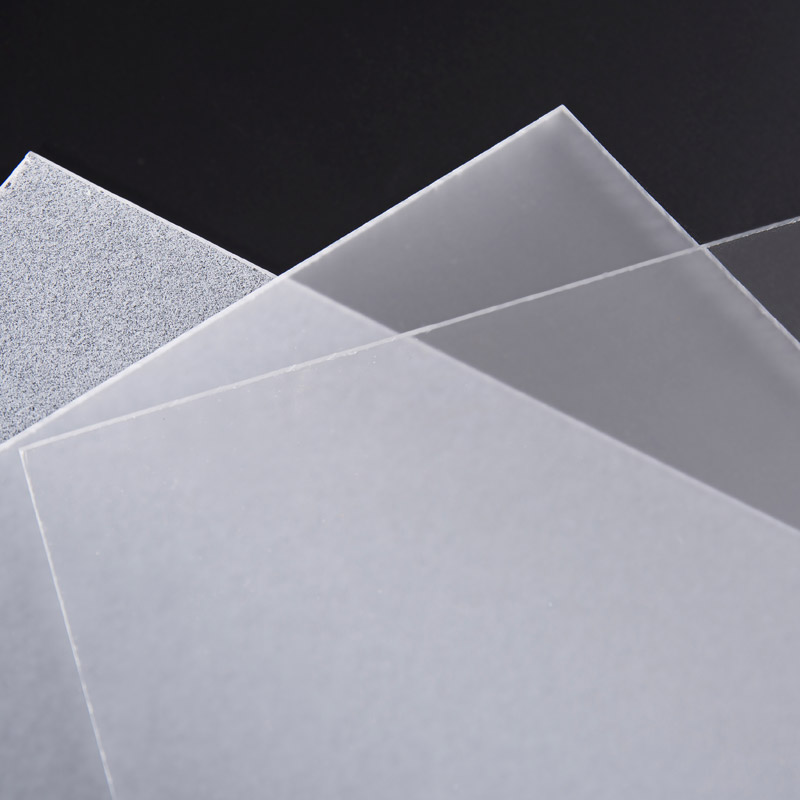
OLEG is a professional manufacturer of cast acrylic sheet, offering high quality products, attractiv...
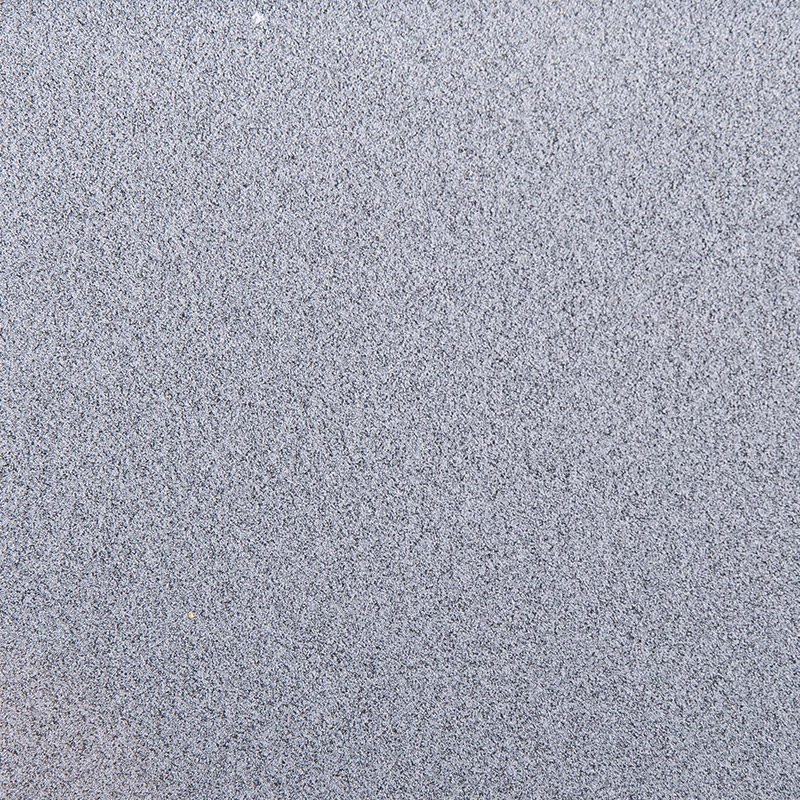
OLEG double side frosted acrylic sheet features a matte finish on both sides. Its modern appearance ...
• UV Resistance: Resistant to degradation from UV light, maintains its original color and clarity ov...

