+86 18042469523
Home / Products / Cast Acrylic Sheet / Frosted Acrylic Sheet / Single-Sided Frosted Acrylic Sheet

Single-Sided Frosted Acrylic Sheet

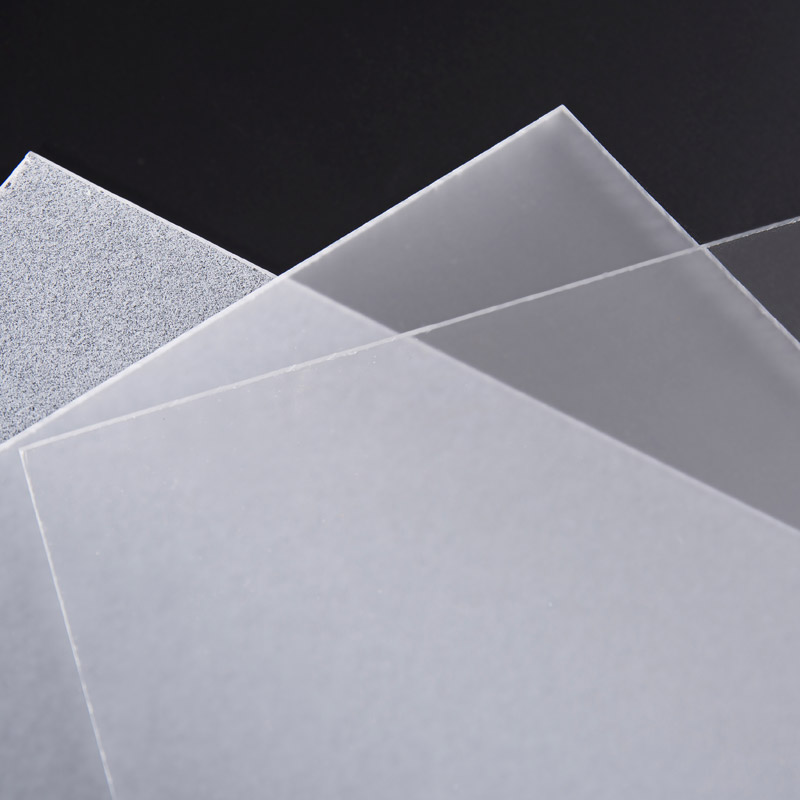
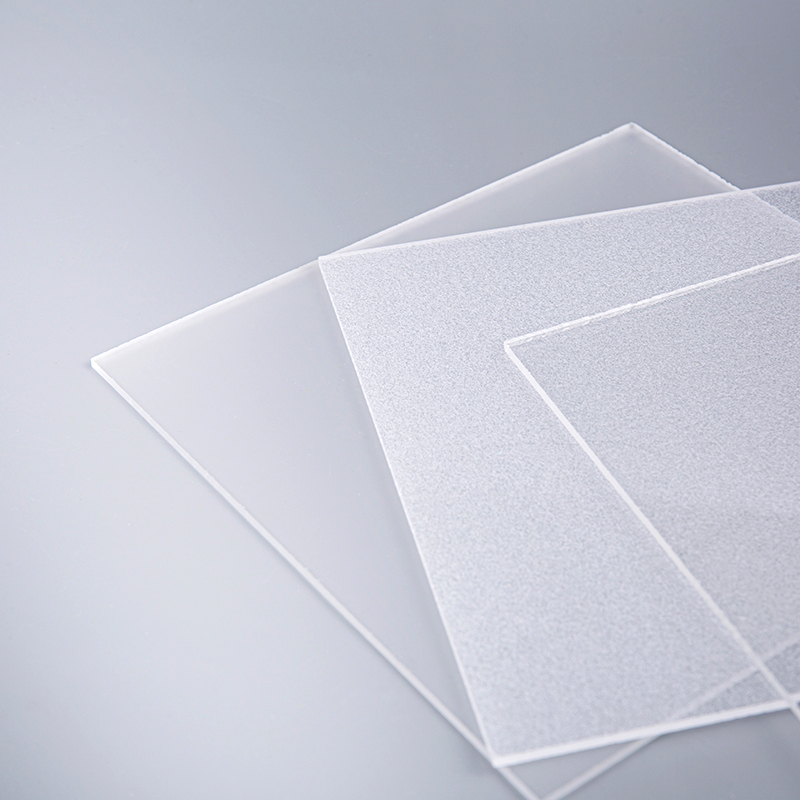
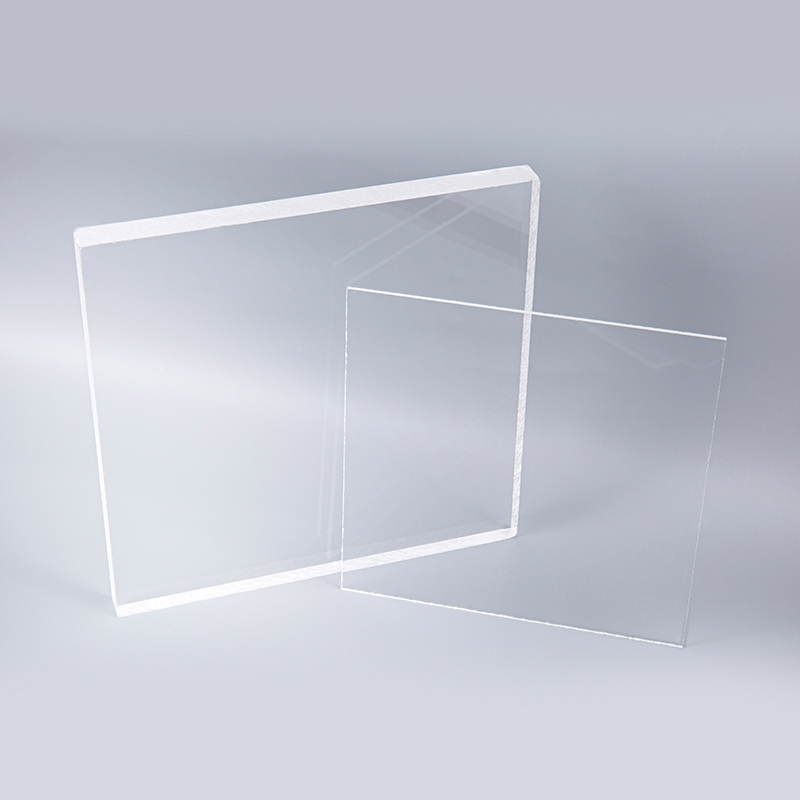
This single-sided frosted acrylic sheet is manufactured from 100% virgin MMA/PMMA resin supplied by Mitsubishi, using a cast production process. One surface features a frosted texture while the opposite side remains glossy, providing a dual-finish solution for applications requiring both transparency and light diffusion. The sheet has a density of 1.2 g/cm³, thickness ranging from 2.5 mm to 35 mm, and standard dimensions up to 2000 mm × 3000 mm. Custom sizes are available upon request.

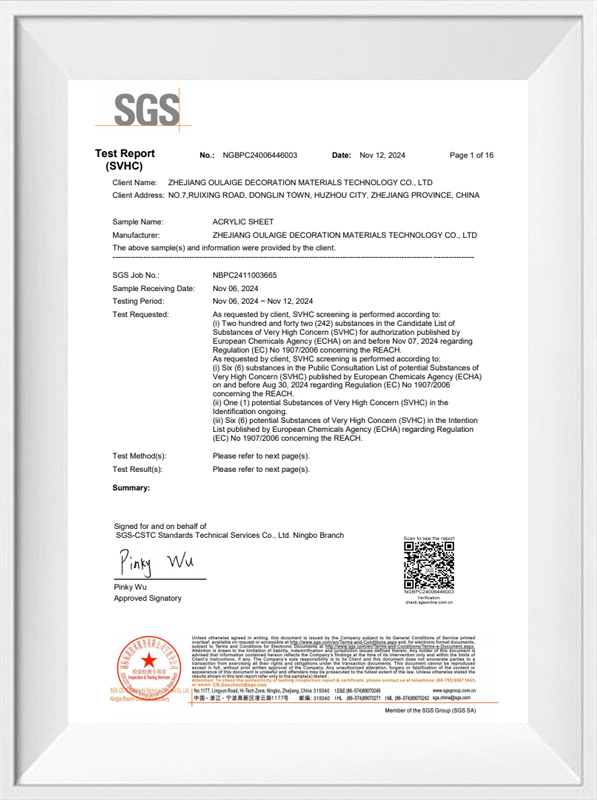
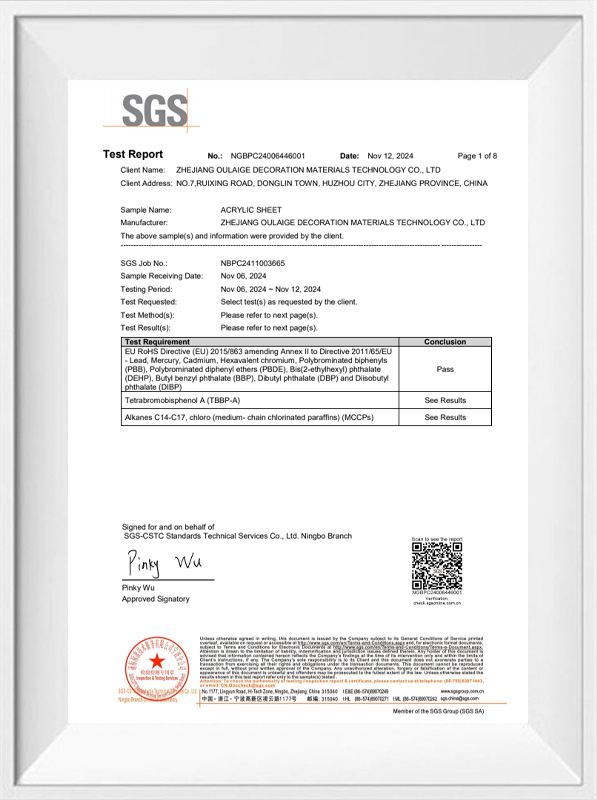
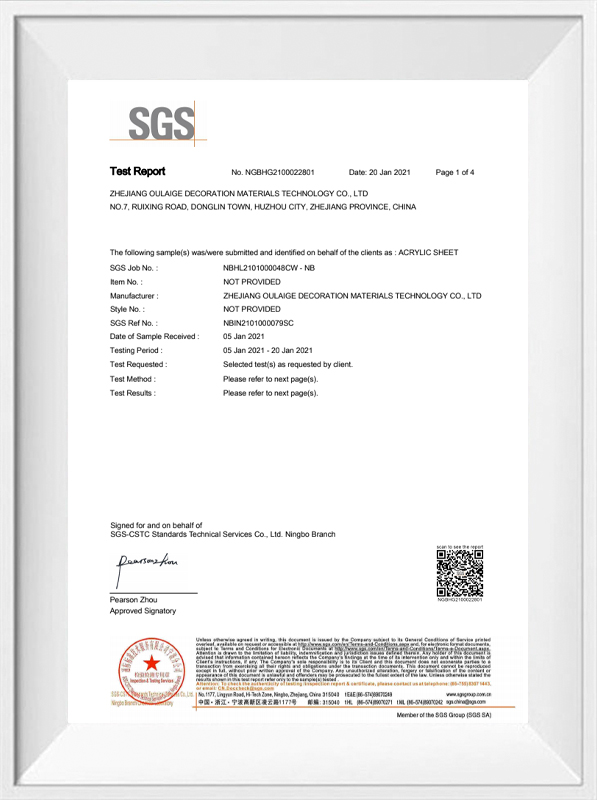
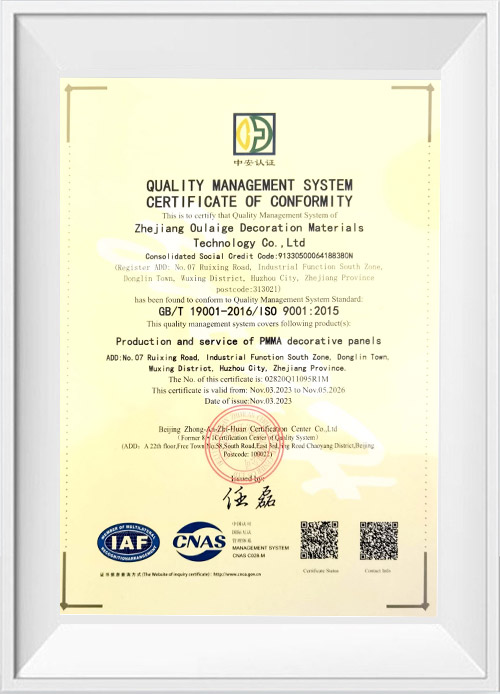
The frosted surface reduces glare and fingerprint visibility while diffusing transmitted light. The glossy reverse side maintains optical clarity for viewing or printing applications. The product carries ISO, REACH, RoHS, and CNAS certifications, meeting international compliance standards for material safety and environmental requirements.

Performance at a Glance

1.2
Density (g/cm³)
Lightweight for handling and installation
35
Max Thickness (mm)
Accommodates structural and decorative needs
2000×3000
Max Standard Size (mm)
Enables large-format applications

These metrics reflect the material's weight characteristics, thickness availability, and dimensional options for project planning.

Core Advantages

  • Dual-surface finish – One side features a frosted texture for light diffusion and privacy; the opposite side remains glossy for clarity and printing.
  • Fingerprint resistance – The frosted surface reduces the visibility of fingerprints and smudges compared to fully glossy sheets.
  • Light diffusion – The frosted surface scatters transmitted light, reducing glare and creating uniform illumination for backlit applications.
  • Fabrication flexibility – Can be cut, drilled, and thermoformed using standard acrylic processing equipment.
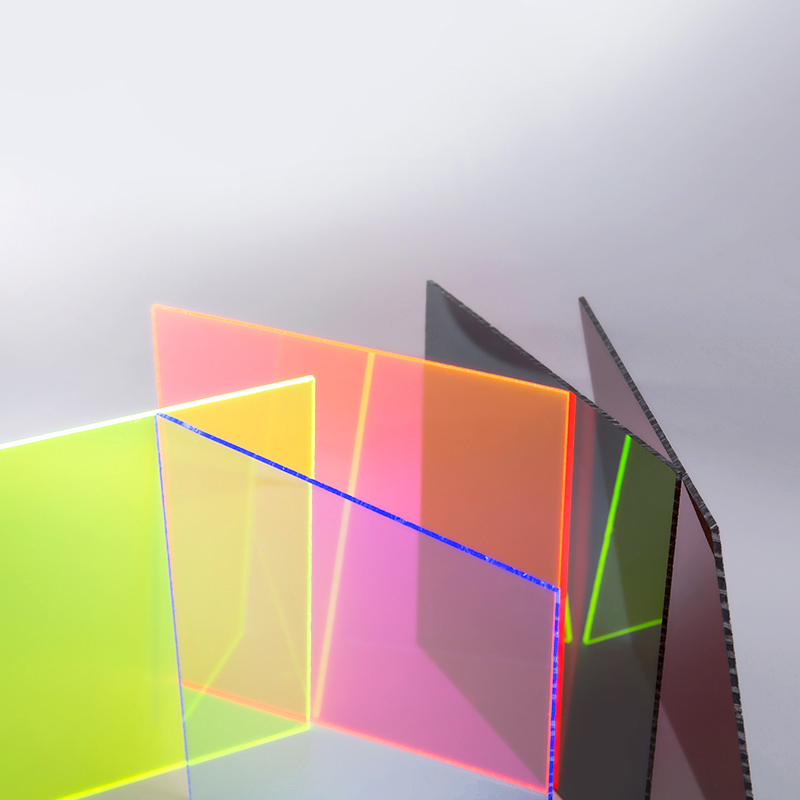
  • Customization – Dimensions up to 2000 mm × 3000 mm, thicknesses from 2.5 mm to 35 mm, and colors matched to Pantone or RAL standards.
  • Material integrity – Made from Mitsubishi-brand virgin resin, with certifications including ISO, REACH, RoHS, and CNAS.

Material Properties

Density 1.2 g/cm³
Thickness Range 2.5 – 35 mm
Standard Sizes Up to 2000 × 3000 mm
Raw Material 100% Virgin MMA/PMMA
Material Brand Mitsubishi
Base Color Transparent / Standard Colors
Surface Finishes Glossy (one side) / Frosted (one side)
Custom Options Size / Color (Pantone, RAL)
Packaging PE film, Kraft paper, Pallet
Certifications ISO, REACH, RoHS, CNAS

The sheet exhibits consistent surface quality across both finishes. The frosted texture is uniform across the entire surface area. Packaging consists of PE film, kraft paper, and pallets to protect during transit and storage.

Available Dimensions

Width (mm) 1220 1250 2000
Length (mm) 2440 2450 3000
Thickness Range (mm) 2.5 – 35 2.5 – 25 2.7 – 25

Custom dimensions outside the standard range can be produced upon request. Thickness availability may vary based on size and color specifications.

Application Fields

Decorative partitions Signage and displays Light diffusers for LED panels Interior design elements Retail fixtures and displays Architectural features Privacy screens

Frequently Asked Questions

How to clean the sheet?
Use a soft cloth with mild detergent or warm water. Avoid abrasive cleaners, alcohol, acetone, or strong alkaline solvents to prevent surface damage to both the glossy and frosted sides.
Which side should face outward?
The frosted side is typically placed outward for privacy and glare reduction, while the glossy side can face inward for clarity or printing. Orientation depends on the specific application.
Can it be thermoformed or laser cut?
Yes. Thermoforming is recommended at 140–160°C. Laser cutting and CNC routing are compatible; use appropriate power settings to avoid edge discoloration.
Does the frosted surface reduce light transmission significantly?
The frosted surface diffuses light rather than blocking it. Light transmission is reduced compared to clear acrylic but provides uniform illumination for backlit applications.

Handling and Fabrication Guidance

For cutting, use fine-toothed blades or laser cutting equipment with appropriate power settings. Drilling should be performed with sharp bits at moderate speed, with cooling fluid to prevent melting or cracking. Thermoforming is effective at temperatures between 140°C and 160°C; preheat evenly and allow gradual cooling to maintain dimensional stability. Clean the surface with a soft cloth, mild soap, and water; avoid solvents containing alcohol, acetone, or abrasives that may damage the finish.

Storage Recommendations

Store sheets in a dry, flat position, protected from direct sunlight and heavy loads. Remove protective film only after final installation to prevent scratches during handling. For long-term storage, maintain temperatures between 10°C and 30°C with relative humidity below 60%.

Quality Assurance

Each production batch undergoes dimensional verification, surface finish consistency testing, and optical property checks. The manufacturing process follows ISO-compliant procedures, and materials are traceable to certified resin suppliers. A dedicated B2B support team coordinates order specifications and delivery schedules to meet project timelines.

Since 2013

About OLEG
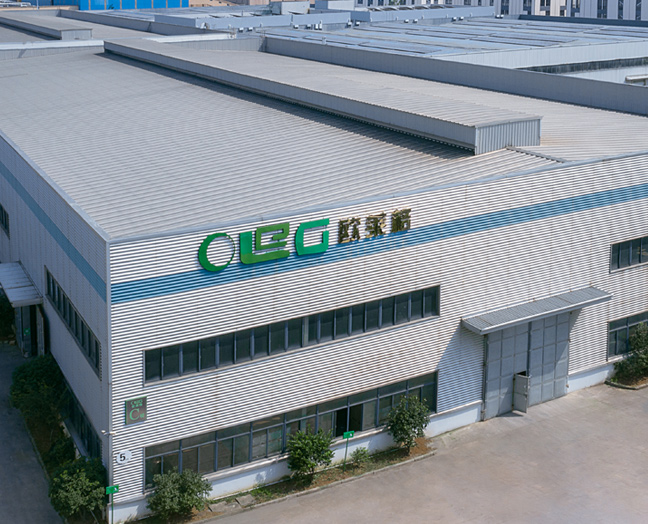
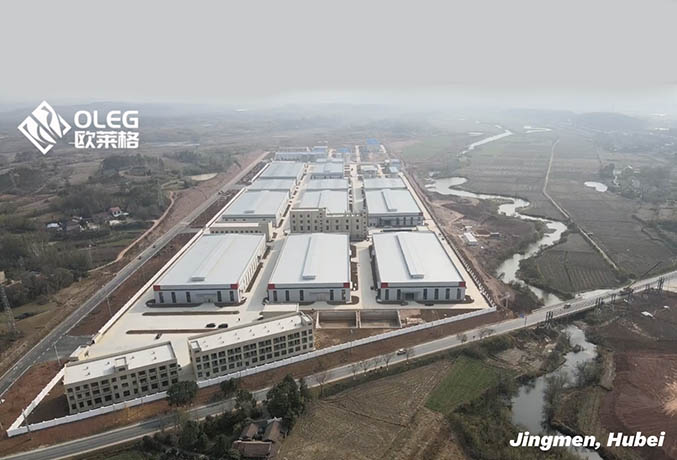
OLEG has been a leading manufacturer of cast acrylic sheets for over a decade. Our primary manufacturing site, Zhejiang Oulaige Decoration Material Technology Co., Ltd., located in Huzhou, Zhejiang, operates 6 advanced casting lines with an annual output of 35,000 tons. We are Custom Single-Sided Frosted Acrylic Sheet Manufacturers and China Cast Single-Sided Frosted Acrylic Sheet Suppliers. In 2025, OLEG commissioned its second manufacturing site in Jingmen, Hubei, equipped with 8 production lines and a designed annual capacity of 45,000 tons, making us the largest cast acrylic sheet manufacturers in East China. As a professional China-based supplier of custom PMMA acrylic sheets and an OEM architectural acrylic panels manufacturer, OLEG integrates precision-controlled production systems to ensure high-volume capacity and consistent, reliable quality. Our cast acrylic sheets meet and in many cases exceed the GB/T 7134-2008 premium product standard.
  • Attentive customer service.
  • Excellent product quality.
  • Fast and timely delivery.
Hangzhou Oleg International Trade Co., Ltd

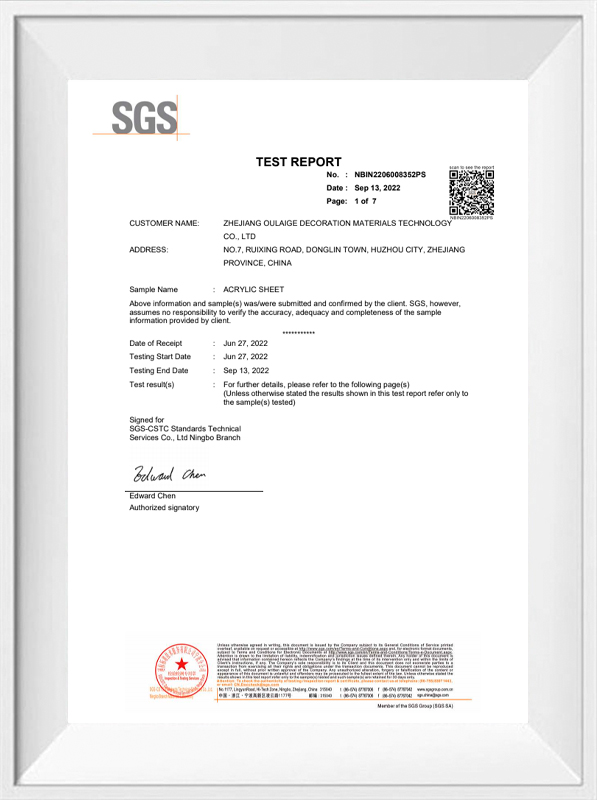
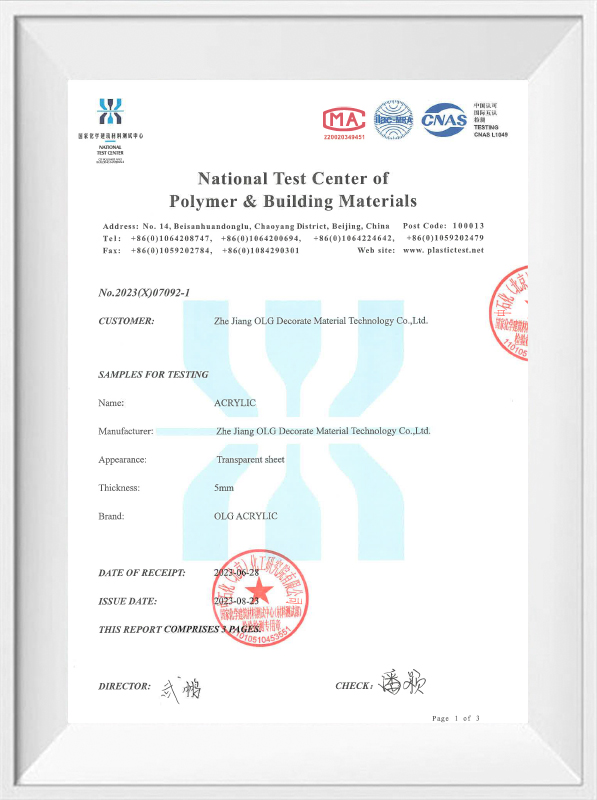
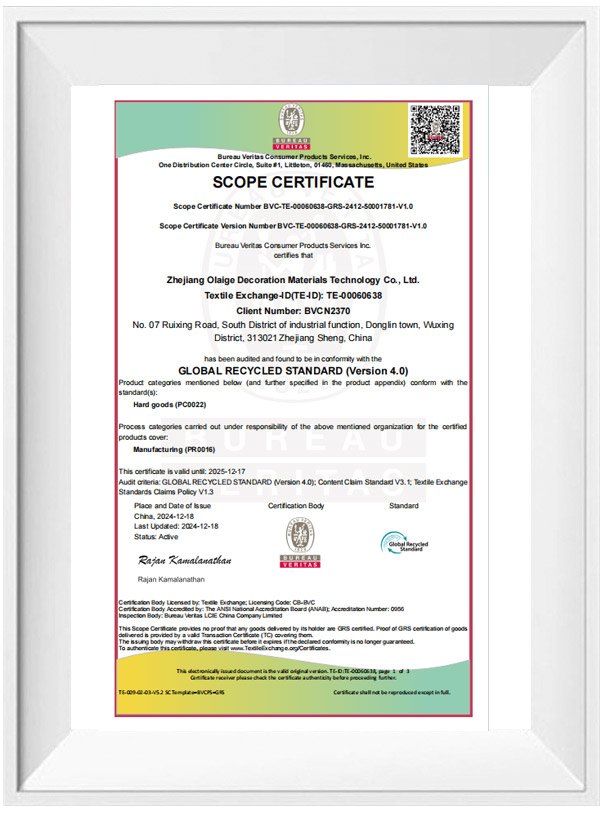
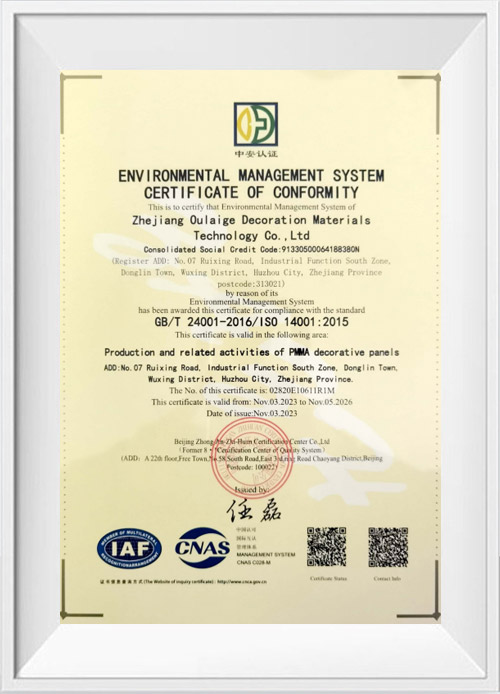
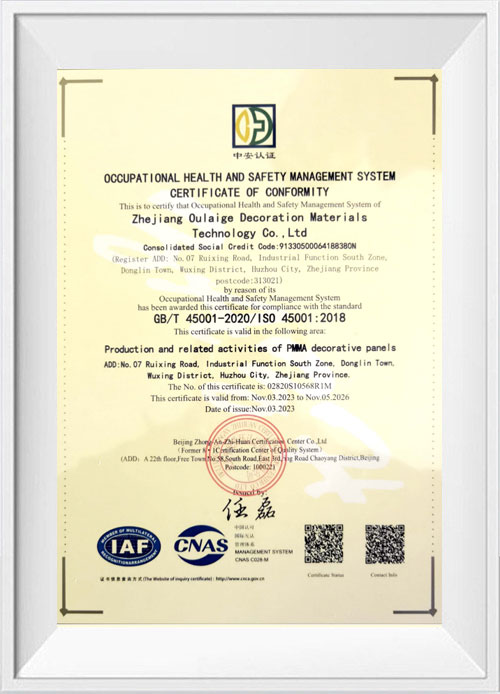
Certification

Certification of machine performance, quality and service in accordance with specific industry
standards and safety specifications

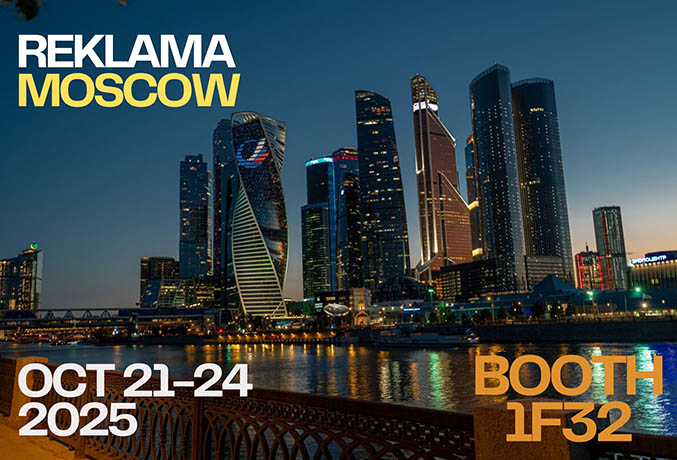
Exhibition & News
Get a Quote
Single-Sided Frosted Acrylic Sheet Industry knowledge

What is the cooling method of the single-sided frosted acrylic sheet after forming? What is the impact of fast cooling and slow cooling on product performance and appearance?


The cooling methods of the single-sided frosted acrylic sheet after forming mainly include natural cooling, air cooling and water cooling. The following is an introduction to these cooling methods and the impact of fast cooling and slow cooling on product performance and appearance:
Cooling method
Natural cooling: This is a relatively simple cooling method, allowing the formed acrylic sheet to dissipate heat and cool naturally at room temperature. This method has a relatively slow cooling speed and is suitable for some acrylic products with low requirements for cooling speed, small size or simple shape. Its advantages are that it does not require additional cooling equipment, low cost and easy operation. But the disadvantages are long cooling time, low production efficiency, and the cooling effect is greatly affected by ambient temperature and humidity.
Air cooling: Air cooling is to blow cold air to the formed acrylic sheet through a fan or blower to accelerate its heat dissipation. Air cooling can adjust the wind speed and air volume to control the cooling speed. Compared with natural cooling, it can more effectively shorten the cooling time and improve production efficiency. Air cooling will not cause water stains on the surface of acrylic boards like water cooling, and can better maintain the cleanliness and finish of the product surface. However, the air cooling system needs to be equipped with corresponding fan equipment, which will increase certain equipment costs and energy consumption.
Water cooling: Water cooling uses circulating water to take away the heat of the acrylic board after molding. Usually, the formed acrylic board is placed in a mold with a cooling water channel, or the water is brought into contact with the surface of the acrylic board for cooling by spraying water. The cooling efficiency of water cooling is very high, which can quickly reduce the temperature of the acrylic board, greatly shorten the production cycle, and improve production efficiency. However, water cooling requires a complete water circulation system, including water pumps, water tanks, cooling pipes, etc., and the equipment cost and maintenance cost are high. Moreover, if the water cooling is improperly operated, such as the water temperature is too low or the water flow is uneven, it may cause stress concentration, deformation, or even cracking on the surface of the acrylic board.
The impact of fast cooling and slow cooling on product performance and appearance
Impact on product performance
Fast cooling:
Advantages: It can freeze the molecular chains of acrylic sheets in a shorter time, retain more molecular orientation, and thus improve the hardness and rigidity of acrylic sheets. For example, in some decorative partition applications that require high hardness, fast cooling helps acrylic sheets to better withstand external forces and is less likely to deform. Fast cooling can also improve the transparency of acrylic sheets, because the shorter cooling time reduces the relaxation and aggregation of molecular chains, making the internal structure of the sheet more uniform, and less light scattering when passing through, which is very important for applications such as light diffusers that require high transparency.
Disadvantages: Fast cooling will produce greater internal stress inside the acrylic sheet. This is because the cooling speed of the surface and the interior is quite different. The surface cools and shrinks rapidly, while the interior is still at a higher temperature and softer state. As the interior gradually cools and shrinks, it will be restricted by the already solidified surface layer, thereby generating internal stress. The presence of internal stress may cause cracking, warping, and other problems in the acrylic sheet during subsequent processing and use. For example, when cutting or drilling a fast-cooled acrylic sheet for secondary processing, internal stress may be released, causing cracks on the edge of the sheet.
Slow cooling:
Advantages: Slow cooling allows the molecular chains inside the acrylic sheet enough time to relax and adjust, which can effectively reduce internal stress. Slowly cooled acrylic sheets are more stable during subsequent processing and use, and are less prone to problems such as cracking and warping. They are suitable for architectural features, retail displays and other application scenarios that require high dimensional stability.
Disadvantages: Because the molecular chains have more time to arrange themselves regularly, the crystallinity of the acrylic sheet increases, thereby reducing its transparency. Slow cooling also reduces the hardness and rigidity of the acrylic sheet because the relaxation of the molecular chains weakens the forces between them. For example, in light diffuser applications that require high transparency and high hardness, slowly cooled acrylic sheets may not be suitable.
Impact on product appearance
Fast cooling:
Advantages: The surface of the acrylic sheet can be smoother and flatter, because fast cooling can quickly solidify the surface and reduce flow marks and defects on the surface. This is very beneficial for some decorative partitions and signage applications that require a good appearance, and can improve the aesthetics and decorativeness of the product.
Disadvantages: Due to the existence of internal stress, some tiny cracks or silver streaks may appear on the surface of the acrylic sheet, especially in thicker sheets. These cracks or silver streaks will affect the appearance quality of the product and reduce its visual effect. In addition, rapid cooling may also cause local temperature unevenness on the surface of the sheet, resulting in color differences.
Slow cooling:
Advantages: Due to the more uniform cooling process, it is not easy to have problems of surface temperature unevenness and color differences, which can ensure the consistency of the overall color and appearance of the acrylic sheet.
Disadvantages: Slow cooling may increase the roughness of the acrylic sheet surface because the relaxation of the molecular chain will cause changes in the surface microstructure. For some applications with high requirements for surface finish, such as display racks in retail displays, additional surface treatment may be required to improve their appearance quality.