

 English
 عربى
عربى Español
High-Strength Clear Acrylic Sheet
One of Oleg's popular products is the clear acrylic sheet, and our strong production capacity ensure...



Content
Your fabricator just returned two quotes for the same 40-panel order. The cast acrylic sheets cost 28% more than the extruded option, but the extruded sheets carry a thickness tolerance that could make your CNC router chatter through the cut edges. Both materials look identical in a polished sample, yet the choice between them will decide whether your panels pass inspection on the first try or need to be re-cut.
Cast acrylic is a batch process. Liquid methyl methacrylate monomer is mixed with a catalyst, de-aerated under vacuum, and poured between two sheets of polished glass. The assembly sits in a warm water bath for several days while the monomer polymerizes into a high-molecular-weight solid sheet. This slow growth produces polymer chains that typically exceed 2 million molecular weight.
Extruded acrylic is a continuous process. Pre-polymerized PMMA granules are melted in a screw barrel, then forced through a slot die. The molten ribbon passes between cooled steel rollers that calibrate the thickness. The entire run from raw pellet to finished sheet takes minutes, not days, so the polymer chains stay short: molecular weights usually fall between 150,000 and 200,000.
For buyers, this molecular-weight gap is the root cause of most practical differences. The high molecular weight in cast sheets makes them more ductile, more resistant to solvents, and better able to dissipate internal stress when the sheet is milled or heated. Extruded sheets can be produced thinner and flatter, but their shorter polymer chains tie them to tighter tolerance limits.
The property differences become concrete when you look at them side by side.
| Property | Cast Acrylic | Extruded Acrylic |
| Typical molecular weight | 2,000,000+ | 150,000-200,000 |
| Thickness tolerance (10mm sheet) | +/-0.03-0.10mm | +/-0.10-0.50mm |
| Impact strength (Izod, J/m) | 160-200 | 80-120 |
| Continuous service temperature | 80-90 degrees C | 70-80 degrees C |
| Optical transmission (6mm clear) | up to 92% | up to 90% |
| Solvent and cleaner resistance | Excellent | Good |
For applications where optical clarity is the single decisive factor, a top-grade clear cast acrylic sheet is the reference product.
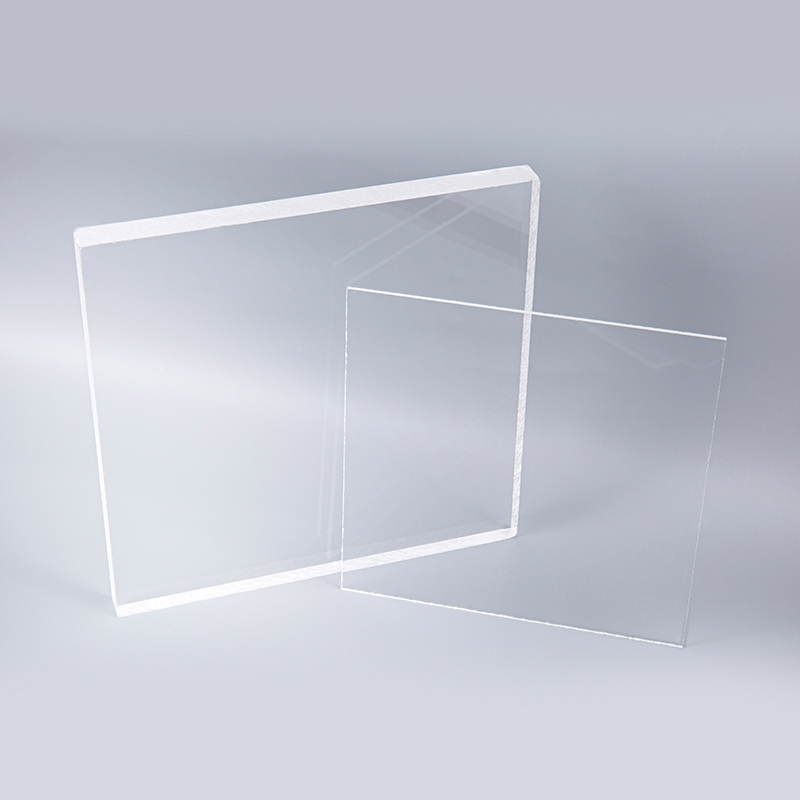 Clear Cast Acrylic Sheet with High Light TransmittanceFor projects where optical clarity is critical, this top-grade clear cast acrylic offers over 94% light transmittance and tight thickness tolerance, ensuring a reliable and pure visual outcome.View Product →
Figure 1: Relative performance on a 100-point scale compiled from published acrylic material data. Higher is better for all five properties.
Cast acrylic wins when the edge will be seen, when the sheet will be machined deep, or when the environment gets hot or sun-exposed.
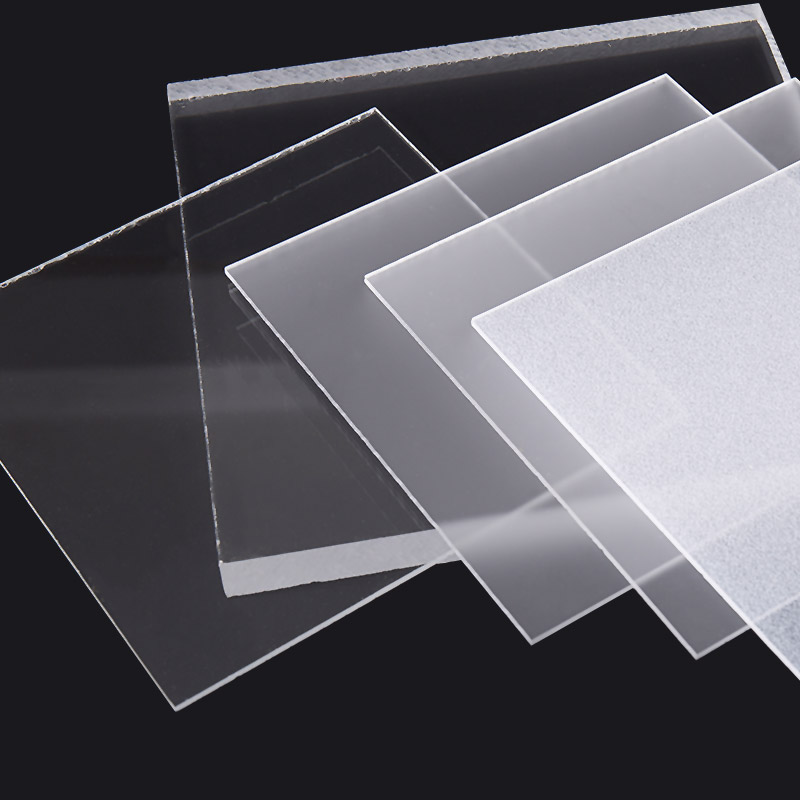 Cast Acrylic Sheet for Dimensional StabilityWhen tight thickness tolerance is essential for CNC routing, this cast acrylic offers superior dimensional stability compared to extruded options, reducing the risk of chatter and rework.View Product →
If the panel's polished edge is part of the finished product, cast acrylic is not a premium indulgence. It is the material that makes the edge possible.
Extruded acrylic has real commercial value, especially for high-volume, thin-gauge work. It is not a lower-grade material; it is a different one.
First step for a buyer: ask yourself if the sheet will be seen from its edge. If the answer is yes, start with cast. If the answer is no, run the numbers on both.
A supplier can quote cast and deliver extruded if the buyer does not know the difference. Three checks help you verify without a laboratory.
Once you have the property data in hand, the decision narrows down to five steps.
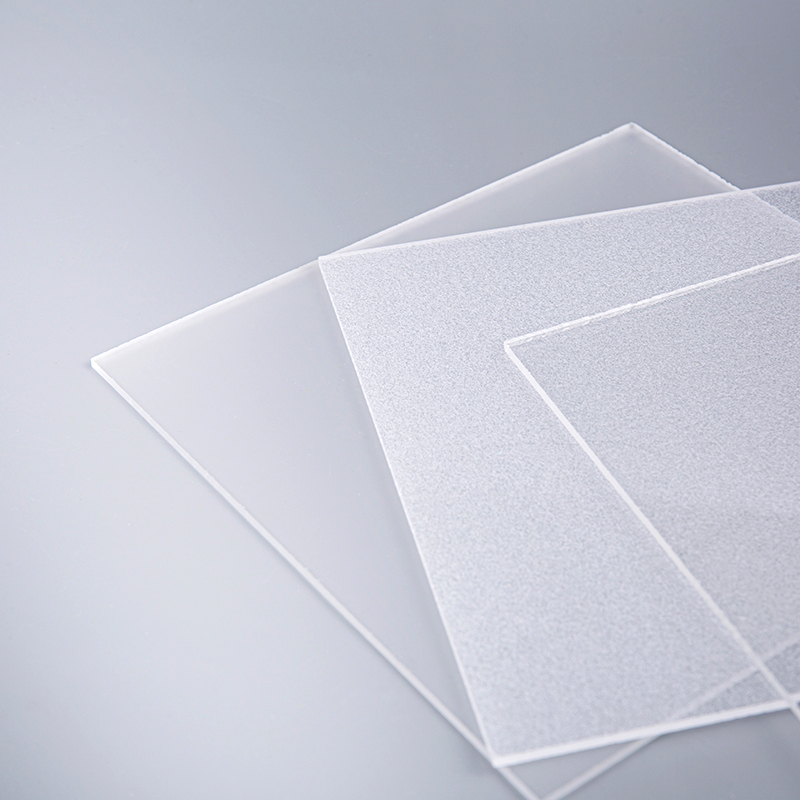 UV-Resistant Acrylic Sheet for Outdoor DurabilityWith anti-UV additives for over 10 years of outdoor performance, this sheet resists yellowing and aging, making it a dependable choice for skylights, automotive windows, and signage.View Product →
No. Cast acrylic offers better impact strength, tighter thickness tolerance, and superior solvent and UV resistance, but extruded acrylic is lighter on the budget and faster to produce in thin gauges. The right answer depends on thickness, edge exposure, temperature, and budget.
Check the mill certificate for thickness tolerance first. Cast sheets on a 10mm thickness usually hold +/-0.1mm or better, while extruded sheets often sit near +/-0.3mm. In polarized light, extruded sheets show banded stress patterns parallel to the extrusion direction.
Cast acrylic is commonly 15-35% more expensive than extruded in comparable clear sheet thicknesses. The gap narrows for thin sheets and widens for thick sheets above 10mm.
No, not consistently. The longer polymer chains in cast acrylic allow a more uniform, higher-gloss polish on machine-cut edges. Extruded edges tend to show marks from the shorter chains unless an expert polishes them with extra care.
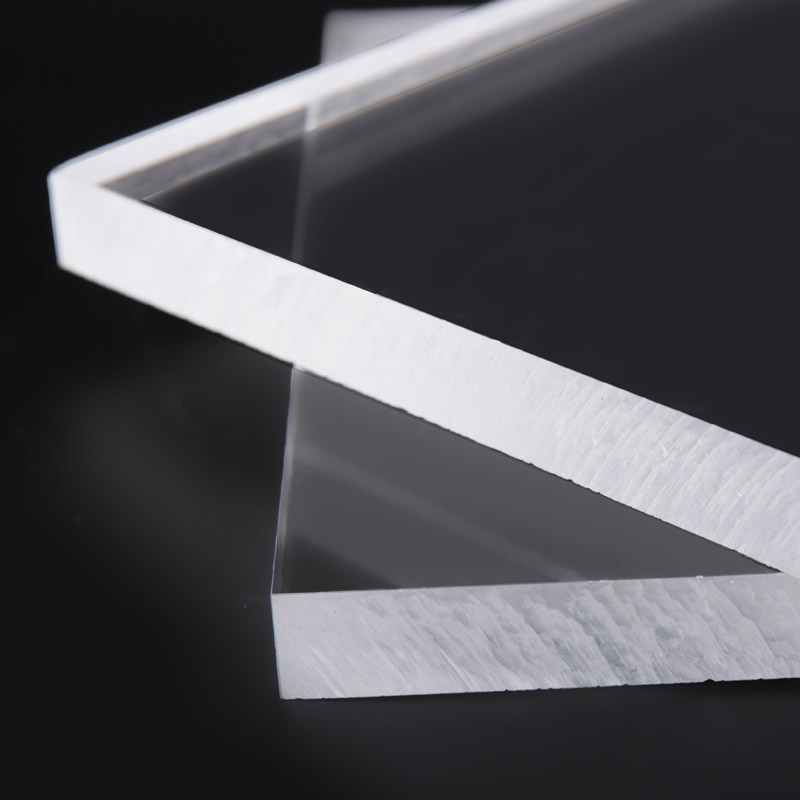
One of Oleg's popular products is the clear acrylic sheet, and our strong production capacity ensure...
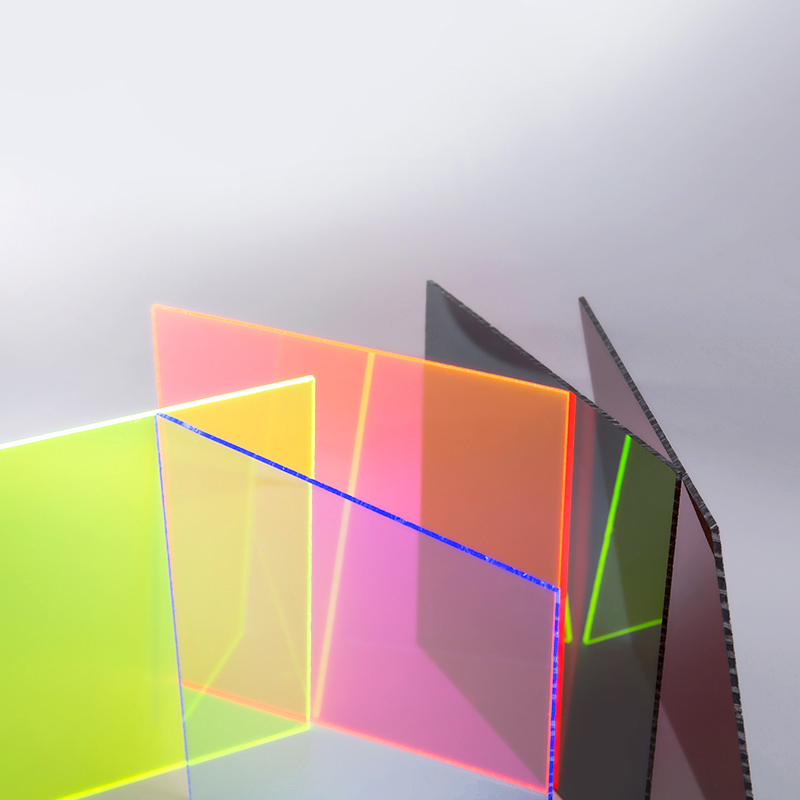
Oleg's products, whose raw material is virgin from Mitsubishi. OLEG is one of the TOP 5 cast acrylic...
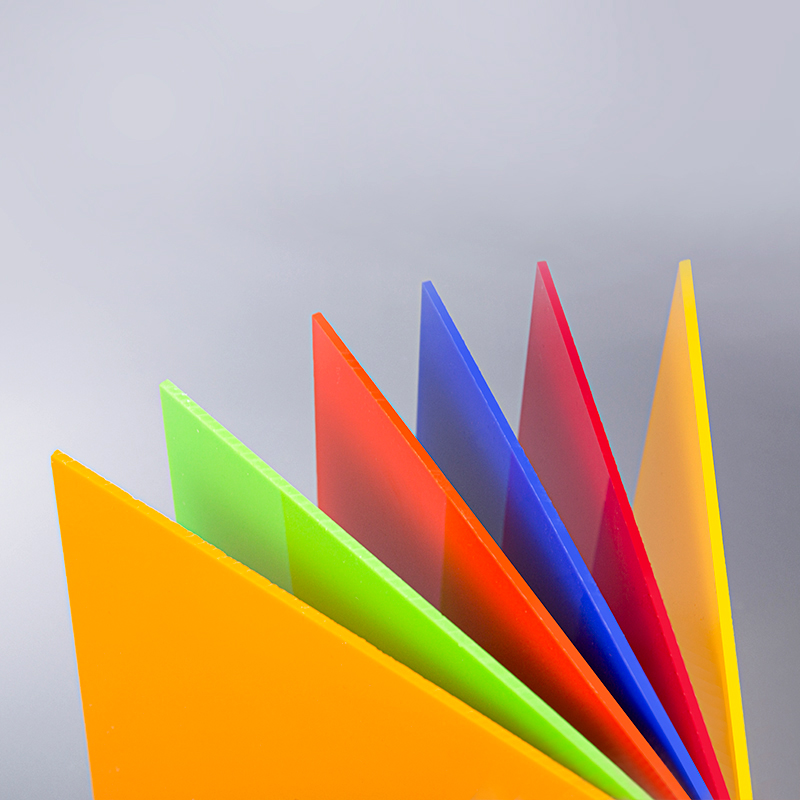
OLEG’s product, whose raw material is virgin from Mitsubishi. The color is highly uniform, pure and...
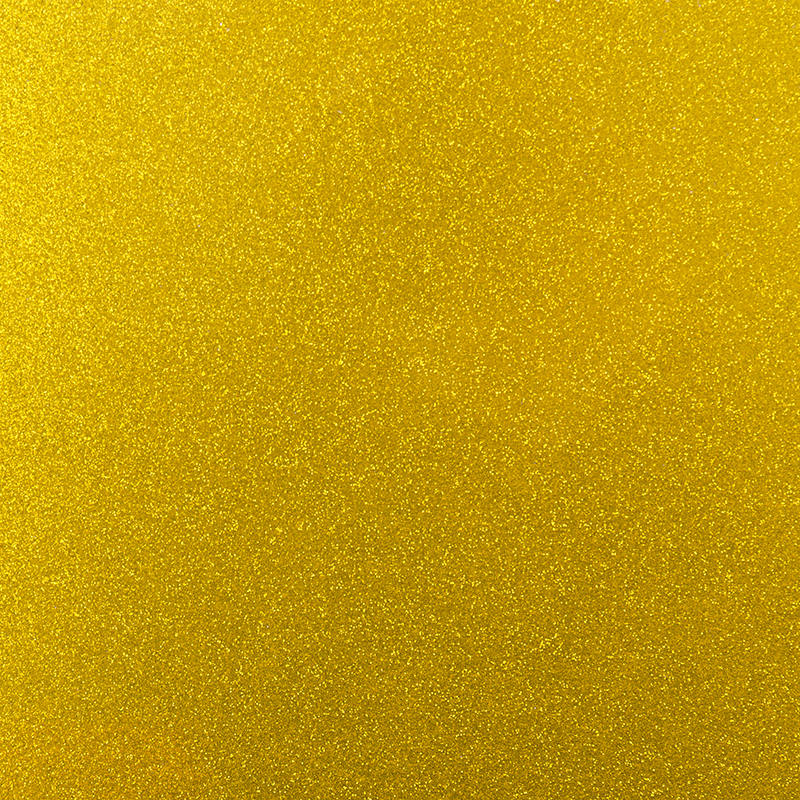
Golden acrylic sheet has tiny gold glitters in the material, which cause a luxurious effect. • Relia...
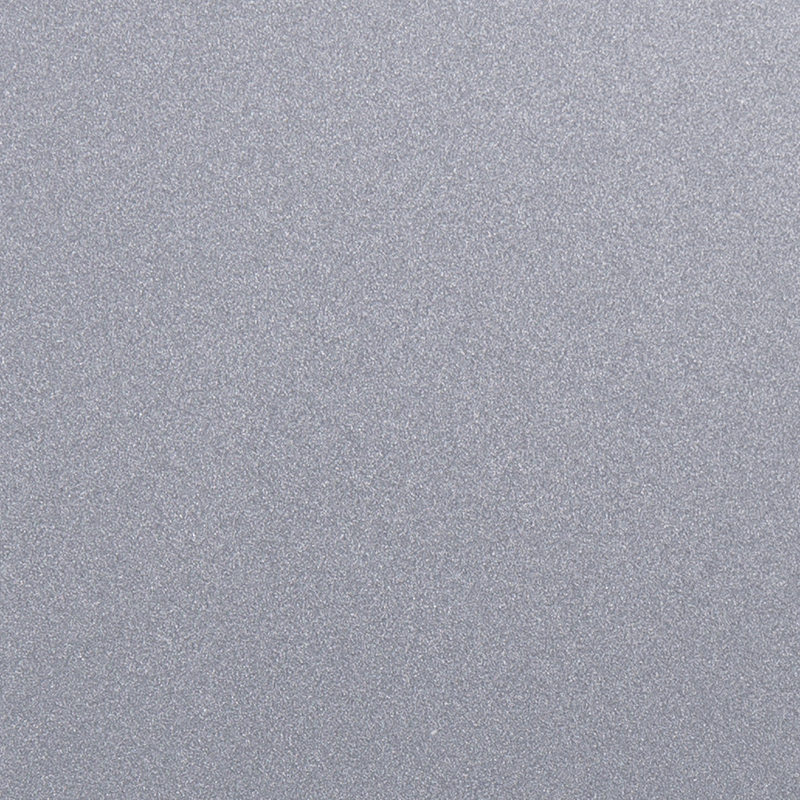
Silver acrylic sheet has tiny silver glitters in the material, which creating an elegant effect. • A...
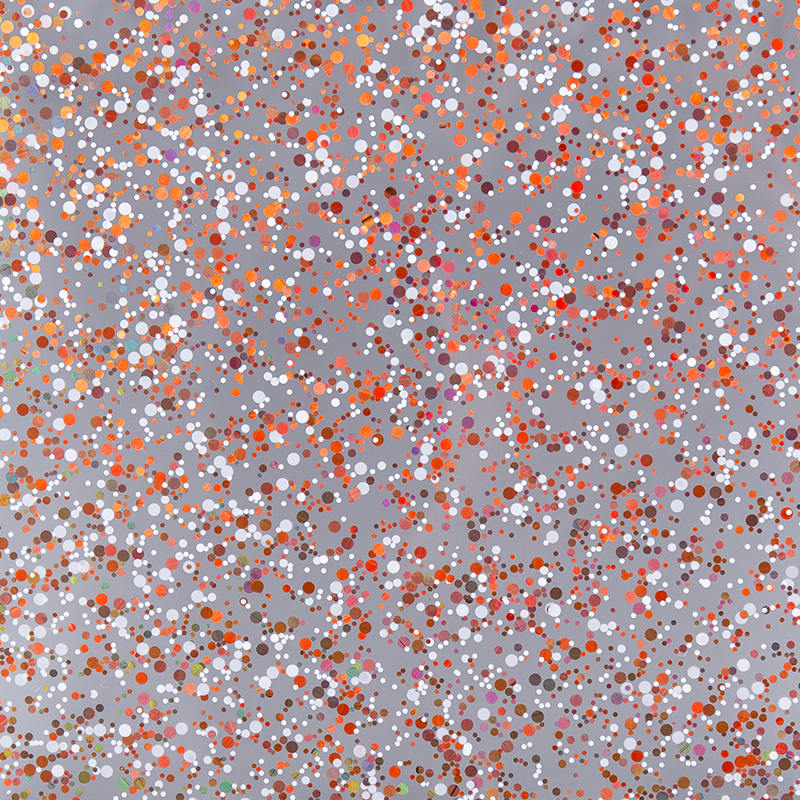
Tiny colored glitters are added to the transparent material to create a colorful and joyful visual e...
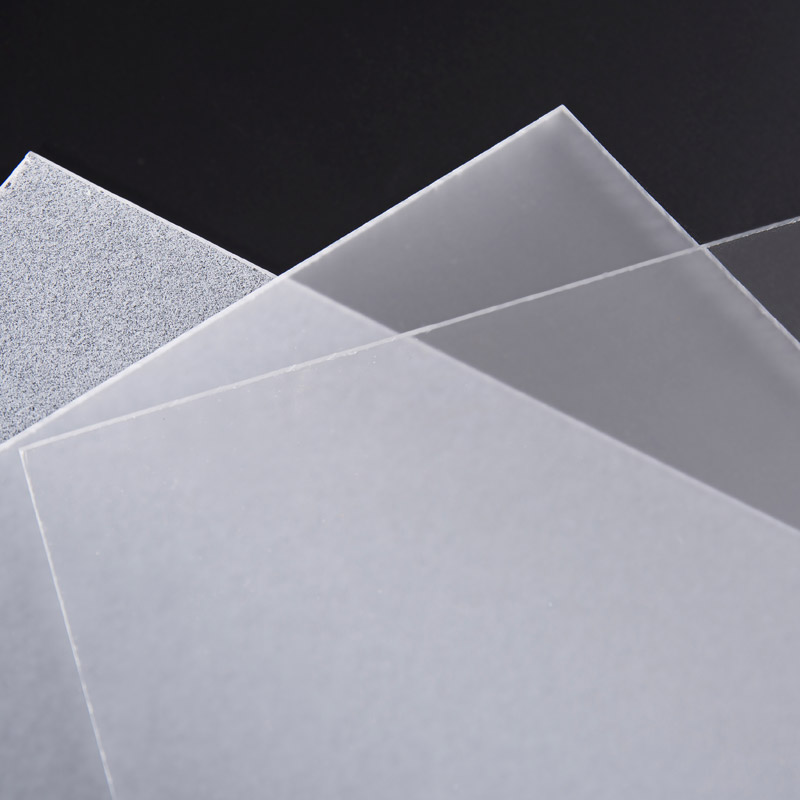
OLEG is a professional manufacturer of cast acrylic sheet, offering high quality products, attractiv...
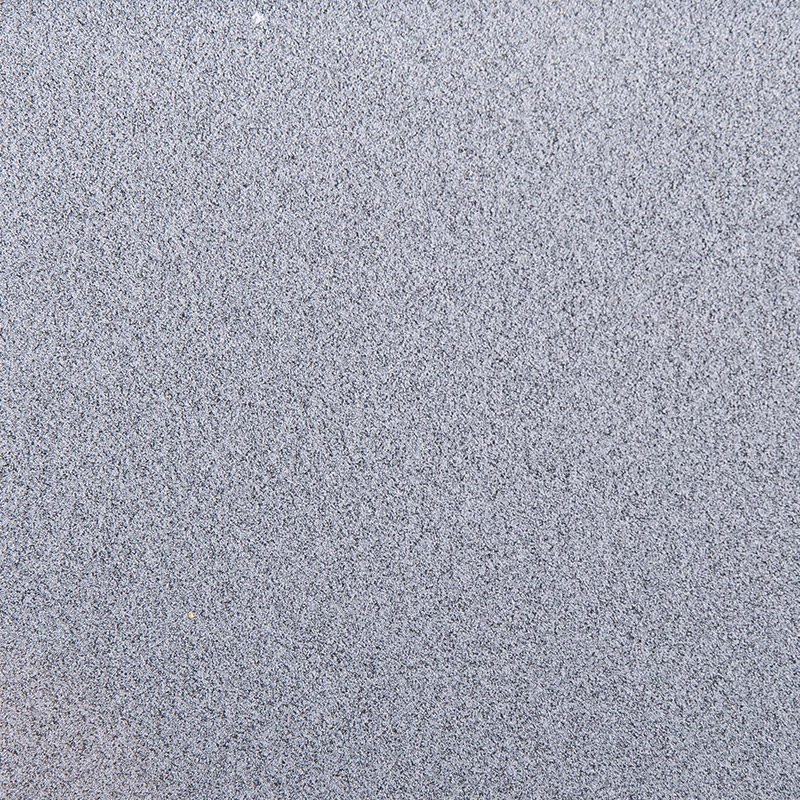
OLEG double side frosted acrylic sheet features a matte finish on both sides. Its modern appearance ...

• UV Resistance: Resistant to degradation from UV light, maintains its original color and clarity ov...

