

 English
 عربى
عربى Español
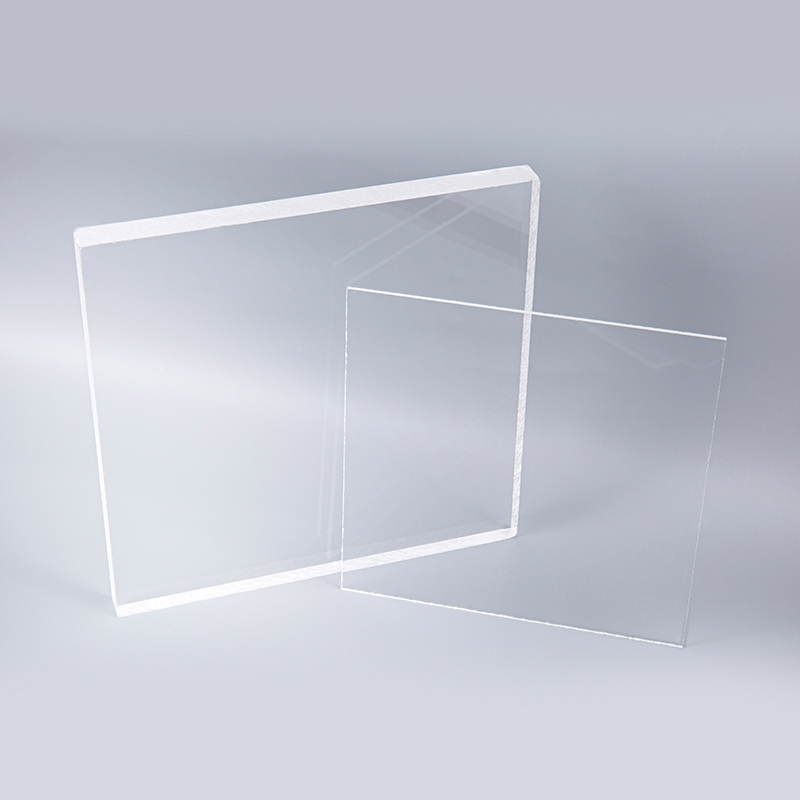
High-Strength Clear Acrylic Sheet
One of Oleg's popular products is the clear acrylic sheet, and our strong production capacity ensure...



Content
There is no universal winner. Cast acrylic sheet (PMMA) wins on weight, impact safety, formability and colour range. Glass wins on scratch resistance, stiffness, fire reaction and optical stability in abrasive or high-temperature service. The sections below work through the measurable differences so the call can be made panel by panel instead of project by project.
Cast acrylic is the better material above head height, on curved geometry, and on panels wider than roughly 1.5 m. Glass is the better material at ground level where abrasion never stops, and in any opening that must be rated non-combustible.
| Property | Cast acrylic (PMMA) | Soda-lime glass |
| Density | 1.19 g/cm3 | 2.50 g/cm3 |
| Light transmission at 12 mm | up to 92% | 84% to 89% |
| Impact resistance | about 10x annealed glass | baseline |
| Scratch resistance (Mohs) | 2 to 3 | 5.5 to 6 |
| Linear expansion (per K) | 0.00007 | 0.000009 |
| Thermoforming | 160 to 180 deg C, reshapeable | not formable after float |
| Fire reaction | combustible, needs a B1 or B2 rating | non-combustible |
Those rows settle most arguments. Weight decides hardware, expansion decides joint width, and the scratch and fire rows decide where each material is permitted at all. Teams matching a sheet to a specific detail can cross-check the architectural application guidance before locking thickness.
Acrylic removes about half the dead load at equal thickness, which on short spans and small panels is often enough to drop a secondary member or downgrade a mullion profile. At 1.19 g/cm3 against 2.50 g/cm3 the saving is proportional and easy to model.
Weight is only half the structural story. Acrylic has a flexural modulus of about 3.2 GPa against roughly 70 GPa for soda-lime glass, so an equally thick panel deflects far more. A 12 mm acrylic sheet spanning 1.2 m does not behave like 12 mm glass. Designers respond by increasing thickness, adding intermediate mullions, or accepting deeper curvature under wind load. On most projects deflection, not stress, sets acrylic thickness.
At equal thickness, cast acrylic absorbs roughly ten times the impact energy of annealed float glass, and it fails by deforming and cracking locally instead of dropping shards. That is why overhead and street-facing panels in busy areas are so often specified in acrylic.
Tempered glass closes part of the gap at about five times annealed resistance, but it still releases the whole pane once the compression layer is breached. Acrylic bends, whitens at the impact point and stays in the frame, which matters for canopies, balustrade infills, skylights and stadium glazing.
Two practical notes. Acrylic is combustible, so fire-rated assemblies need a B1 or B2 classification and local approval. Impact performance also falls in cold weather, so outdoor panels in freezing climates should be sized with a margin rather than at the headline figure.
Cast acrylic transmits up to 92 percent of visible light at 12 mm, a few points above standard float glass and without the green edge tint that soda-lime glass shows on thick sections. Low-iron glass reaches about 91 percent, but it costs more and stays heavy.
Yellowing is the fair criticism. UV-stabilised cast acrylic holds its transmission for 20 years or more outdoors, while cheaper extruded or unstabilised sheet can drift yellow within three to five years. That is a formulation problem rather than a material limit. Clean acrylic with mild soap and water, never ammonia sprays or alcohol, because solvents attack the surface and promote stress crazing.
Acrylic moves about seven to eight times more than glass as temperature changes, so joints and fixings have to let it travel. A 2 m acrylic panel grows roughly 5.6 mm across a 40 deg C swing, while the same glass panel moves about 0.7 mm and is effectively fixed.
In practice that means oversize bolt holes, floating gaskets, and no rigid clamping along a full panel edge. Weathering behaviour depends on grade. Anti-UV cast acrylic built for facade work resists chalking and surface degradation, while general-purpose sheet can haze after a few seasons of direct sun and rain.
Cast acrylic costs roughly two to four times more per square meter than float glass, but the installed gap is usually far smaller once frames, lifting, breakage and lead time are counted. Halving glazing mass cuts crane time and handling crews on every single panel.
Glass is infinitely recyclable in existing infrastructure, while cast acrylic can be chemically recycled back to MMA monomer through specialist routes only. The honest comparison depends on transport distance and service life, not on the material label alone.
Acrylic half density cuts transport emissions per square meter, and a 20-year facade life spreads production carbon across decades. Mechanical regrinding returns clean offcuts to sheet production, and PMMA depolymerisation recovers monomer for new polymer. Glass wins on infrastructure maturity and loses on the weight moved per square meter.
Match the material to the failure mode that matters most in each location. Abrasion and fire exposure push toward glass; weight, impact, curvature and visual effects push toward cast acrylic.
For sheet selection, thickness tables and surface options, this guide to architectural acrylic panels covers the same trade-offs from a fabrication perspective.
Acrylic is tougher but not stiffer. It resists impact about ten times better than annealed glass at the same thickness, yet its flexural modulus of roughly 3.2 GPa is about 22 times lower, so it needs more thickness or more support to control deflection.
For equal span and equal wind pressure, acrylic needs roughly 2.5 to 3 times the glass thickness to reach the same deflection limit. Designers usually apply a 2.8 factor and then verify against the project wind load.
UV-stabilised cast acrylic holds clarity for 20 years or more, while unstabilised or extruded sheet can yellow within a few years. Both materials scratch, but glass is far harder, so acrylic should be protected from grit and cleaned without abrasive pads.
Acrylic, without question. It thermoforms at 160 to 180 deg C into curves, domes and bonded seams, and the shape is permanent once cooled. Glass can only be curved through expensive hot or cold bending processes with tight limits on radius and size.
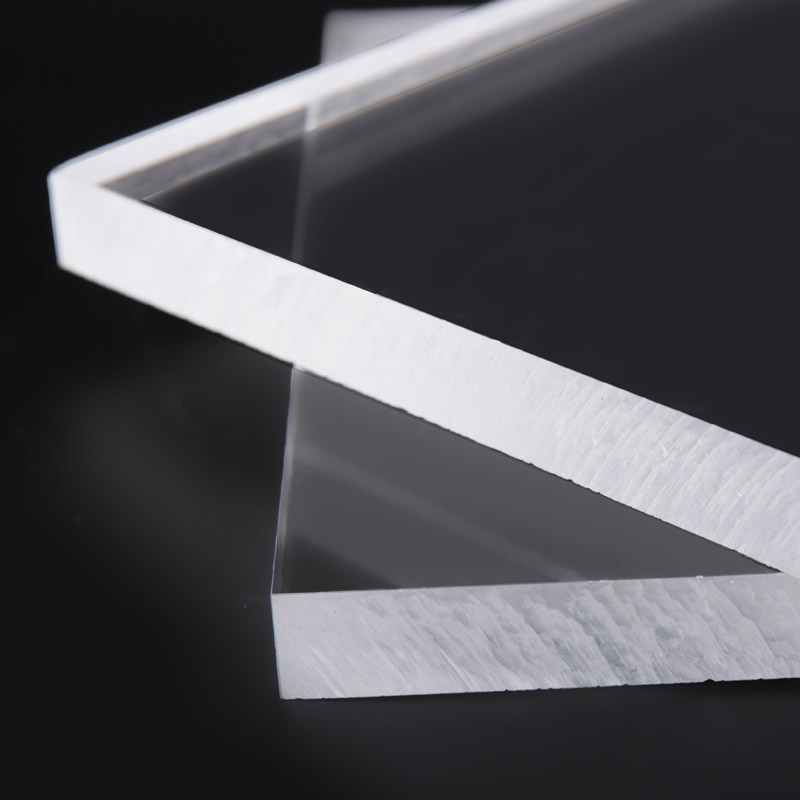
One of Oleg's popular products is the clear acrylic sheet, and our strong production capacity ensure...
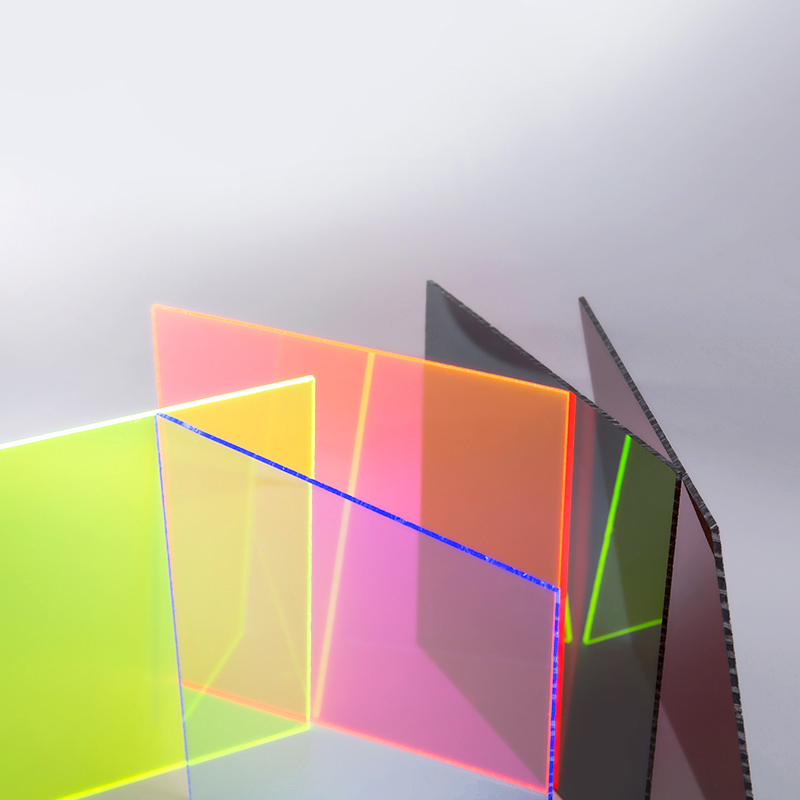
Oleg's products, whose raw material is virgin from Mitsubishi. OLEG is one of the TOP 5 cast acrylic...
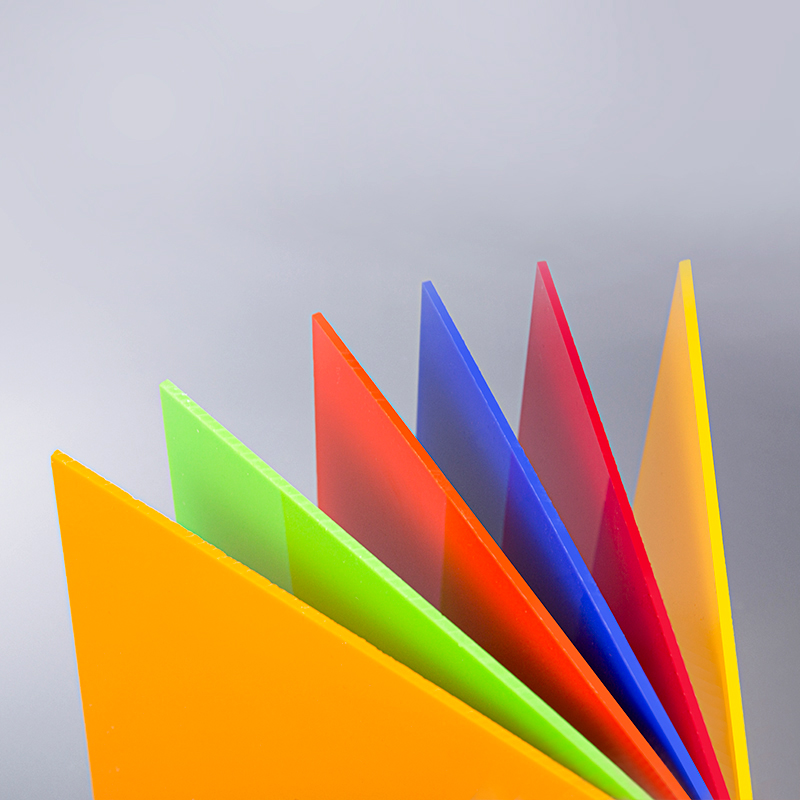
OLEG’s product, whose raw material is virgin from Mitsubishi. The color is highly uniform, pure and...
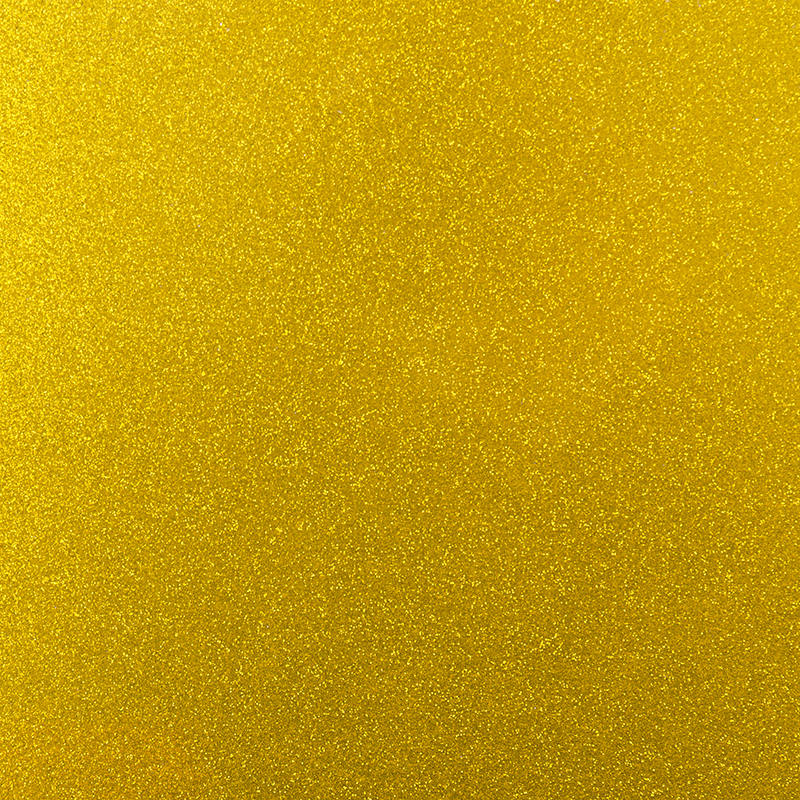
Golden acrylic sheet has tiny gold glitters in the material, which cause a luxurious effect. • Relia...
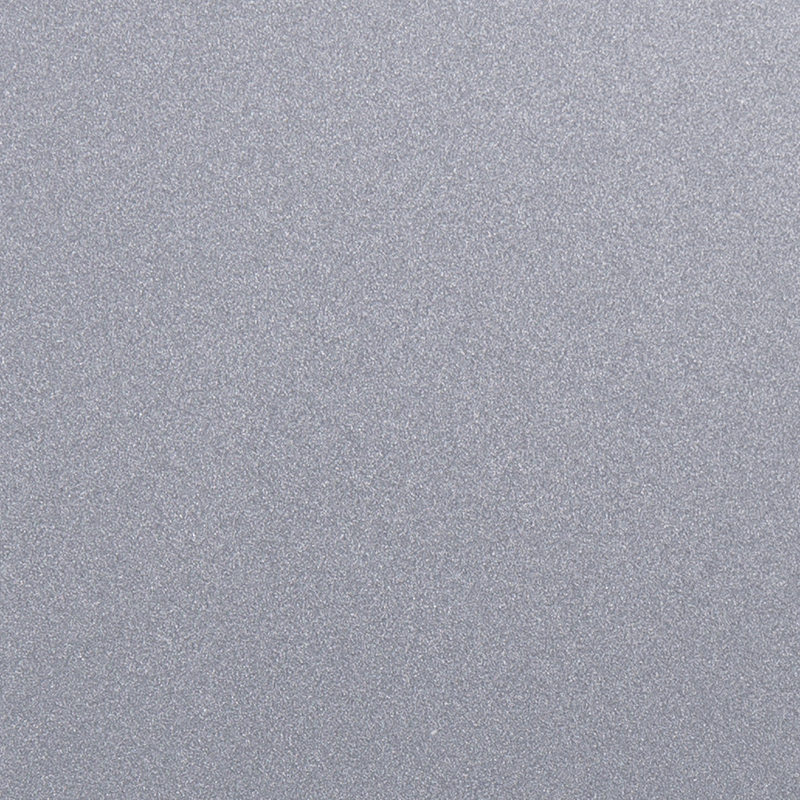
Silver acrylic sheet has tiny silver glitters in the material, which creating an elegant effect. • A...
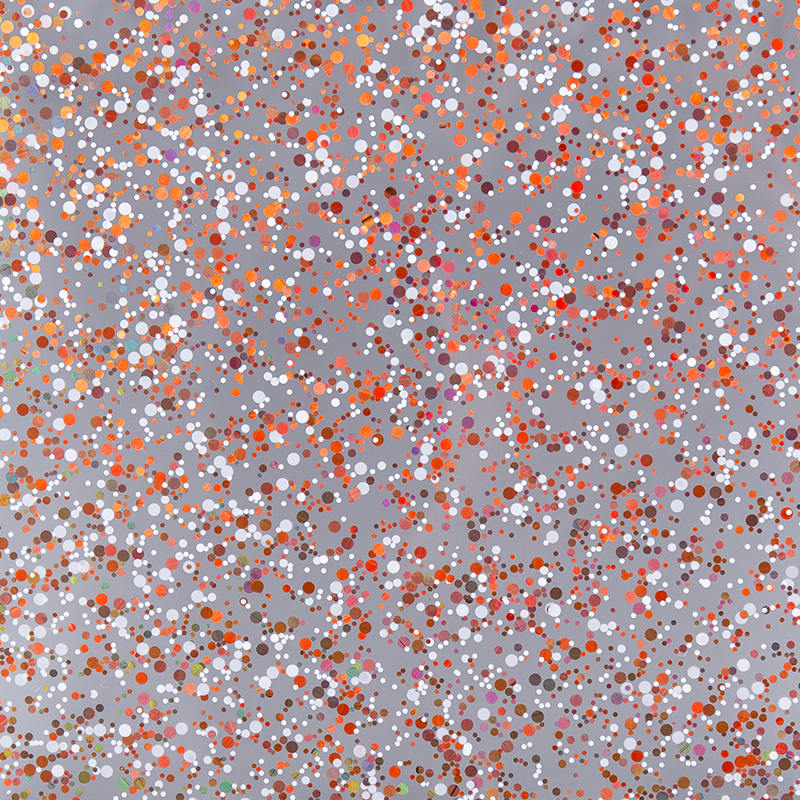
Tiny colored glitters are added to the transparent material to create a colorful and joyful visual e...
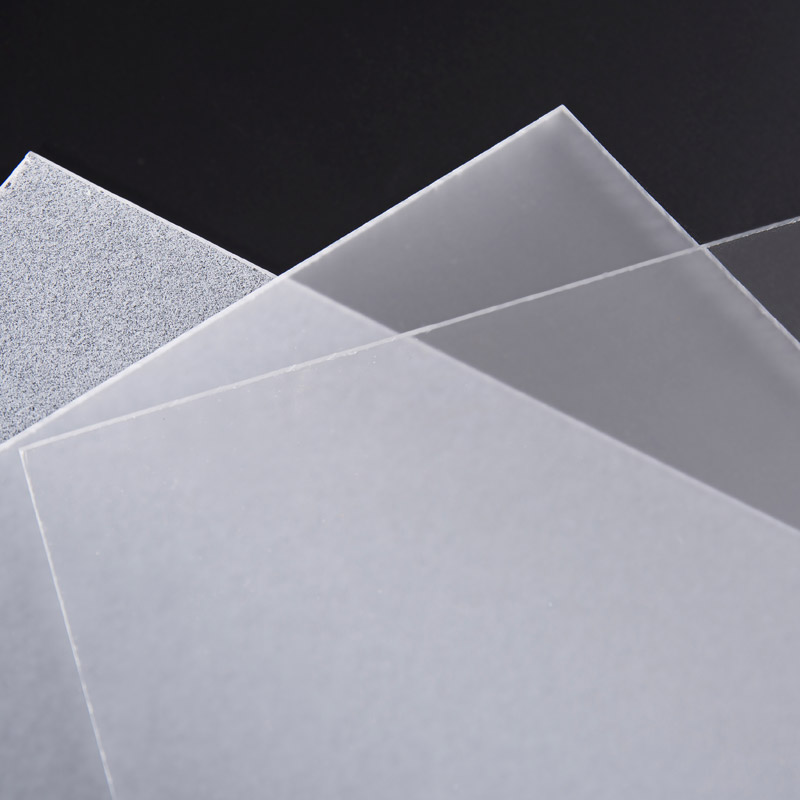
OLEG is a professional manufacturer of cast acrylic sheet, offering high quality products, attractiv...
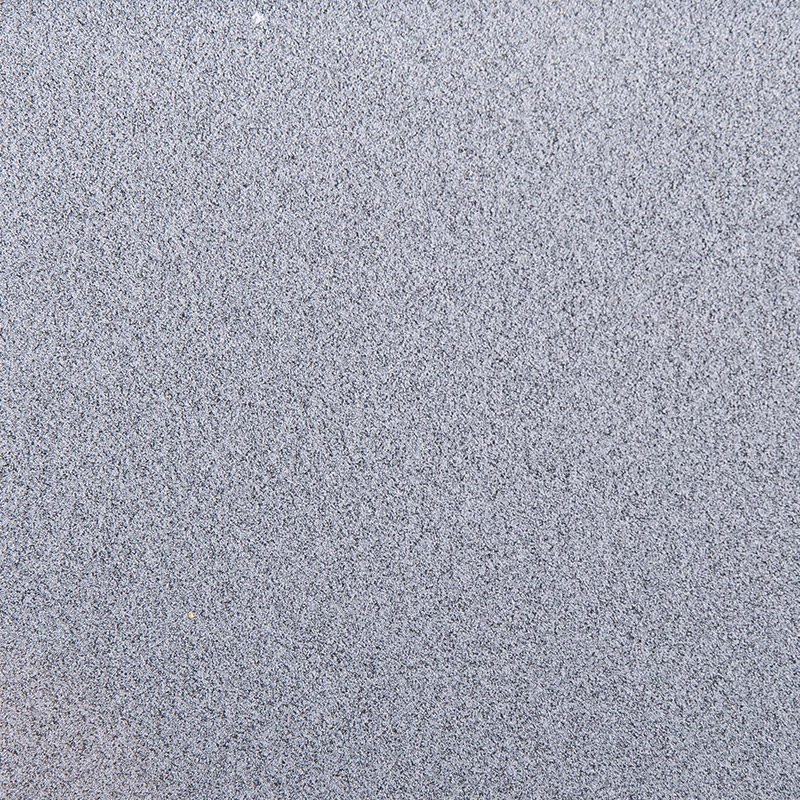
OLEG double side frosted acrylic sheet features a matte finish on both sides. Its modern appearance ...
• UV Resistance: Resistant to degradation from UV light, maintains its original color and clarity ov...

