

 English
 عربى
عربى Español
High-Strength Clear Acrylic Sheet
One of Oleg's popular products is the clear acrylic sheet, and our strong production capacity ensure...



Content
A shopping mall renovation in Hangzhou recently replaced a clear acrylic balustrade that cracked within 14 months of installation. The original sheet was standard cast acrylic, mounted along a 3-meter atrium edge. The engineer's report identified stress cracks around anchor bolts, and the replacement spec called for high-strength clear acrylic. No one questioned the supplier's quality - the problem was a classic Standard vs High-Strength Clear Acrylic selection error. Standard cast PMMA and high-strength cast PMMA both deliver glass-like transparency, but their Izod impact strength differs by roughly 50 percent. When the panel sits above a pedestrian zone, that difference stops being a performance metric and starts being a safety parameter.
High-strength clear acrylic is a modified cast PMMA sheet that reaches 28-35 kJ/m2 in Izod impact testing, while standard clear acrylic typically sits at 18-22 kJ/m2.
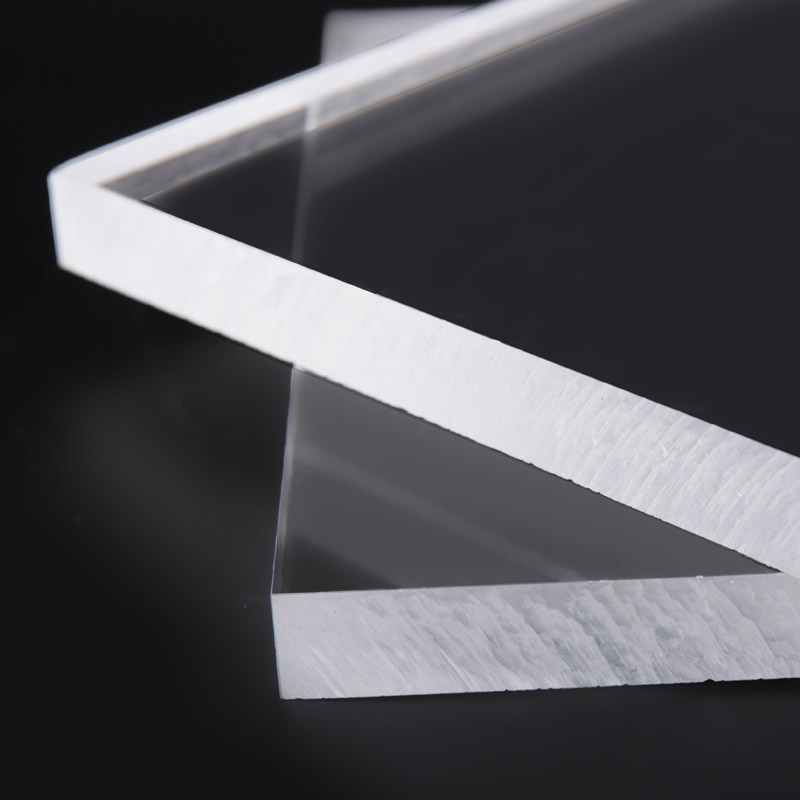 High-Strength Modified Cast PMMA Sheet with Enhanced Impact ResistanceThis modified cast acrylic offers Izod impact strength of 28-35 kJ/m2 while maintaining over 90% light transmission, making it suitable for overhead or high-traffic glazing where standard acrylic may fail.View Product →
The modification happens at the resin level. Manufacturers add impact modifiers or increase the molecular weight of the PMMA monomer before it enters the casting cell. This raises toughness without sacrificing transparency. Light transmission stays above 90 percent in both grades, and the difference is usually less than 1 percent. Flexural strength for the high-strength grade runs 100-120 MPa, which is 10-15 percent higher than standard.
What many buyers miss: high-strength acrylic is not just "thicker standard acrylic." It is a separate material grade with a different stress-strain curve. The higher impact performance comes from the material's ability to absorb energy through localized plastic deformation before cracking. In practice, this means high-strength sheets handle fastener stress better and resist stress whitening near drilled holes.
For OLEG, the high-strength clear acrylic sheet is manufactured on the same cast lines as the standard grade, but with a modified monomer formulation and an extended cooling cycle. The company has been casting acrylic since 2013 across two manufacturing bases in Huzhou and Jingmen, with a combined design capacity of 80,000 tons per year.
Impact resistance stops being optional once a clear acrylic panel is installed above pedestrian zones, used as an overhead glazing element, or expected to survive repeated contact.
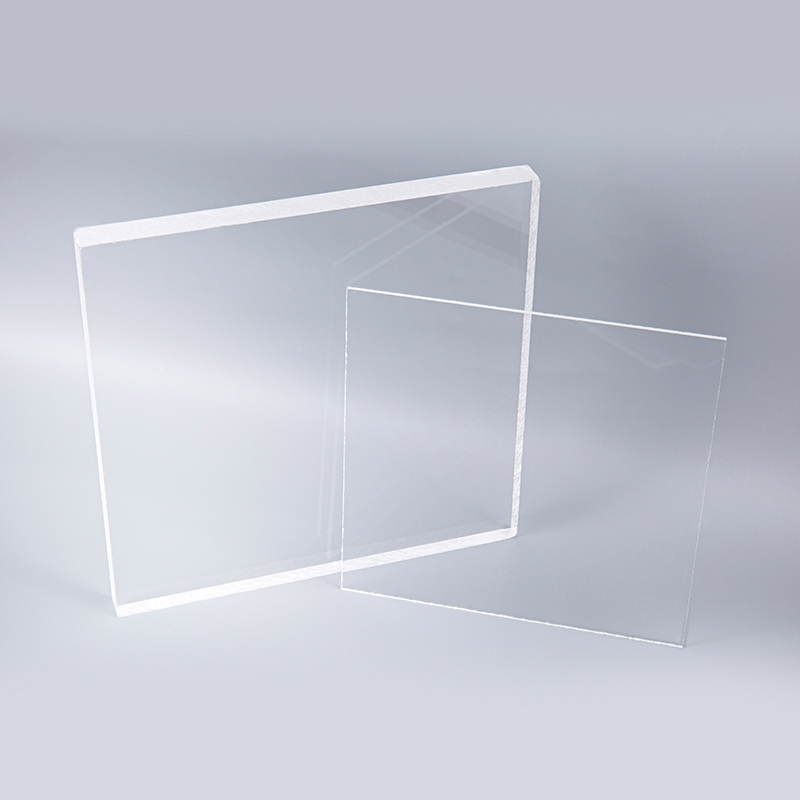 Standard Clear Acrylic Sheet for Low-Stress ApplicationsIdeal for display cases and interior partitions, this virgin Mitsubishi acrylic delivers 94% light transmittance, tight thickness tolerance, and long-term UV stability without the need for extra impact strength.View Product →
In low-stress applications like retail display cabinets, interior partitions, and decorative furniture panels, standard clear acrylic is fully adequate. The material has a glass transition temperature around 105 C, good scratch resistance, and excellent weatherability.
| Property | Standard Clear Acrylic | High-Strength Clear Acrylic |
| Izod impact strength | 18-22 kJ/m2 | 28-35 kJ/m2 |
| Light transmission | 92-93% | 91-92% |
| Flexural strength | 90-105 MPa | 100-120 MPa |
| Typical applications | Displays, partitions, furniture | Balustrades, skylights, guards |
But in stairwell balustrades, skylights, sports arena guards, and machine enclosures, the panel meets dynamic loads that standard grade was never designed to absorb. A dropped tool in a production hall, a shopping cart bump in a retail corridor, or wind-driven debris on an exterior facade can all deliver an impact energy that exceeds the standard sheet's threshold.
The critical moment comes when the design requires compliance with a safety standard. A 20-mm high-strength clear acrylic panel can pass a 350-J impact test at a 2-meter mounting height, while a standard panel of the same thickness may only tolerate 200 J before developing micro-cracks at the anchor point.
Procurement teams should also calculate the total installed cost, including anchor hardware, backup rails, and maintenance. High-strength acrylic often requires fewer reinforcement brackets, which shortens installation time and reduces shop drawings.
Selection is driven by three variables: mechanical load, mounting height, and site-specific safety codes.
The cost difference between the two grades is narrower than most buyers expect. High-strength clear acrylic is typically 15-25 percent more expensive per square meter, but it often allows a thinner panel, lower structural weight, and fewer support brackets. In a project where a 500-square-meter glazing system is being installed, the total installed cost can actually be lower with high-strength acrylic.
From a purchasing perspective, high-strength clear acrylic is a risk mitigation choice. The same project budget can buy more standard material, but a post-installation failure costs far more than the material delta. Most architectural firms budget for impact safety from the design phase, not as a change order during installation.
When an outdoor project involves UV exposure and thermal cycling, the high-strength grade also resists stress whitening near fasteners better than standard grade. OLEG's application guide provides a detailed overview of mounting and fastening methods for various conditions.
Both grades are cast on identical cell-casting lines, but the high-strength grade requires a modified resin formulation and a longer controlled-cooling cycle.
OLEG operates six cast lines at its Huzhou base in Zhejiang, with an annual capacity of 35,000 tons. In 2025, the company added an eight-line plant in Jingmen, Hubei, with a design capacity of 45,000 tons per year. Both facilities use the same precision-controlled production system and follow GB/T 7134-2008 quality requirements, with many product indexes exceeding the premium grade standard.
The production switch between grades is straightforward: adjust the monomer batch formulation, extend the annealing phase, and monitor the cooling rate. High-strength sheets need more time in the controlled cooling oven to relieve internal stress, which directly affects impact performance. If the annealing time is shortened, the sheet will ship with residual stress and show stress-crack sensitivity in high-impact applications.
Cast acrylic sheets are generally more impact-resistant than glass of similar thickness, making them suitable for long-term use in protective structures.
OLEG's quality control includes in-line thickness measurement, transparency inspection, and impact spot checks per batch. The 2025 Jingmen plant was designed specifically to free up capacity for premium grades, which allows standard-grade orders to ship faster.
The difference is minimal. Standard clear acrylic typically achieves 92-93 percent light transmission, while high-strength clear acrylic reaches 91-92 percent. Both grades are suitable for glazing applications where optical clarity matters.
Cutting and laser engraving require the same equipment and settings, but drilling and thermoforming demand slower feed rates and longer soaking times. The material itself costs more, so overall fabrication cost typically increases by 15-25 percent depending on thickness and complexity.
It can, but the design must include impact load calculation or additional protective measures. For locations that receive direct repeated impact, standard grade is not the right choice - the risk of stress whitening and crack propagation is too high.
OLEG typically delivers custom high-strength clear acrylic sheets within 2-4 weeks, depending on thickness, color matching, and cutting requirements. Standard grades ship faster, usually 10-15 days for batch orders.

One of Oleg's popular products is the clear acrylic sheet, and our strong production capacity ensure...
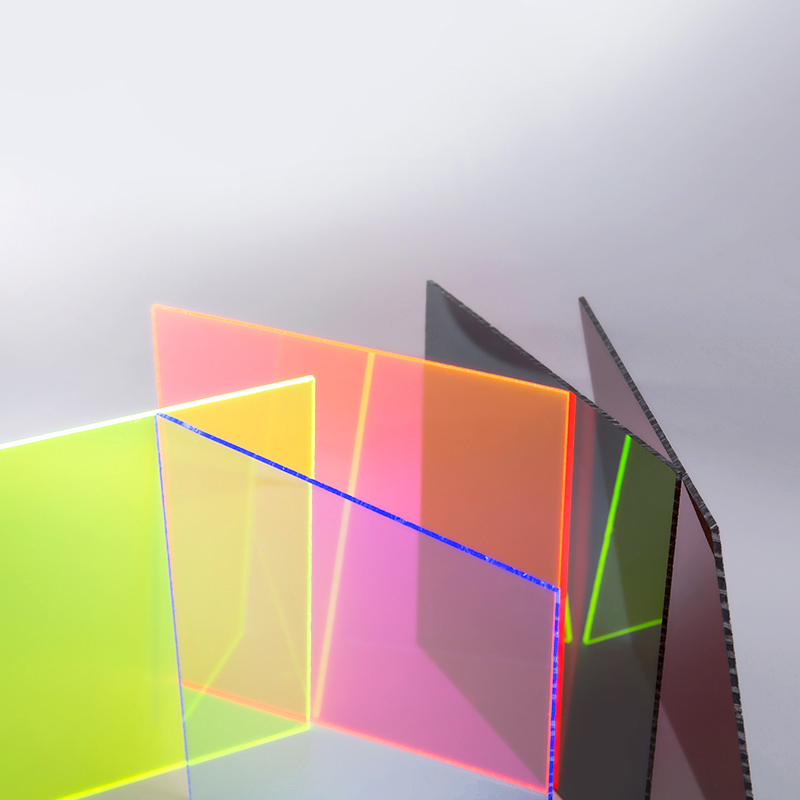
Oleg's products, whose raw material is virgin from Mitsubishi. OLEG is one of the TOP 5 cast acrylic...
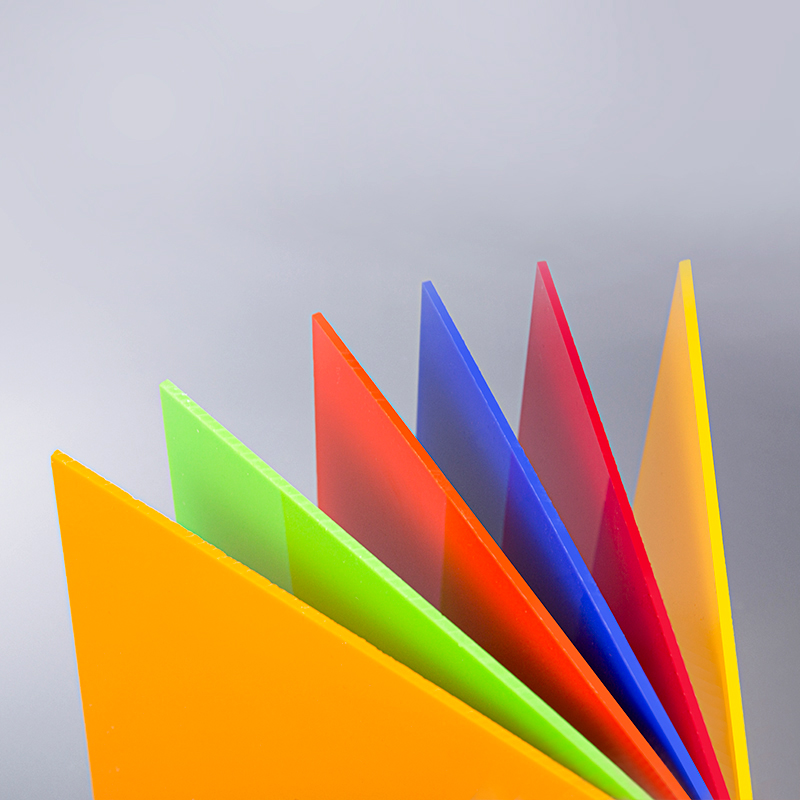
OLEG’s product, whose raw material is virgin from Mitsubishi. The color is highly uniform, pure and...

Golden acrylic sheet has tiny gold glitters in the material, which cause a luxurious effect. • Relia...
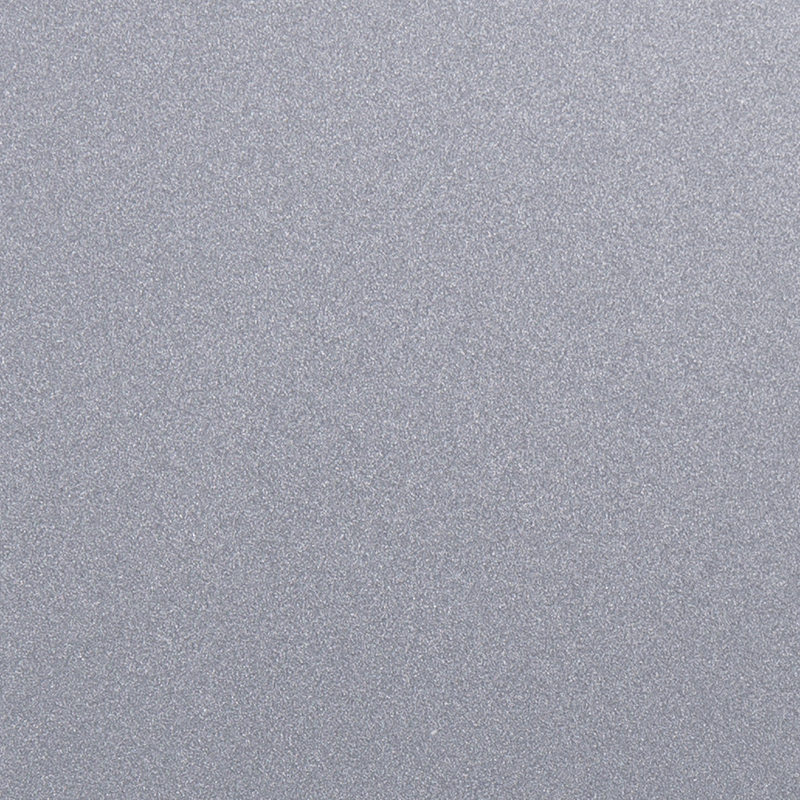
Silver acrylic sheet has tiny silver glitters in the material, which creating an elegant effect. • A...
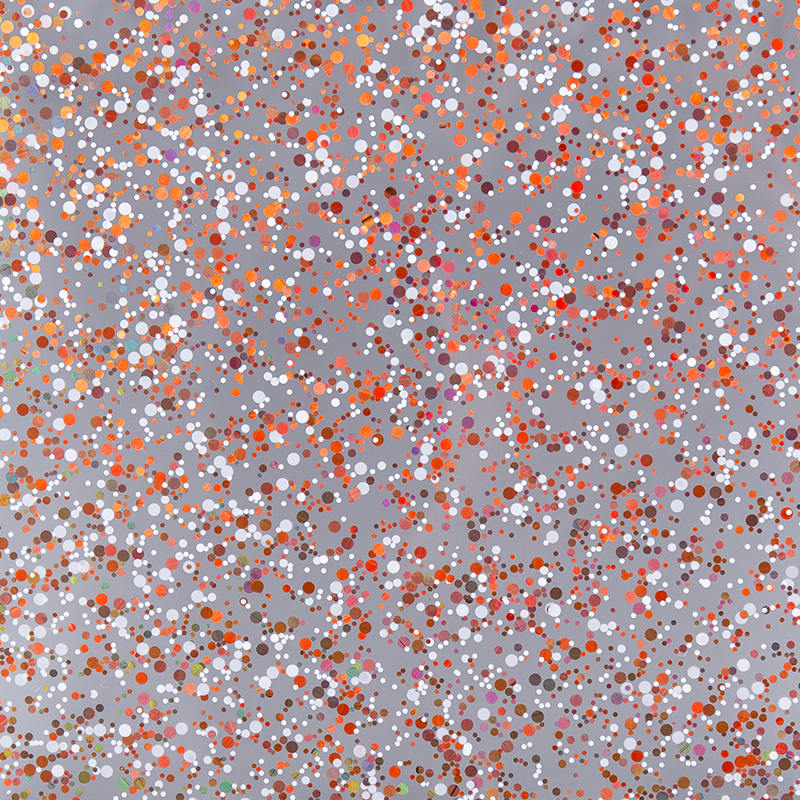
Tiny colored glitters are added to the transparent material to create a colorful and joyful visual e...
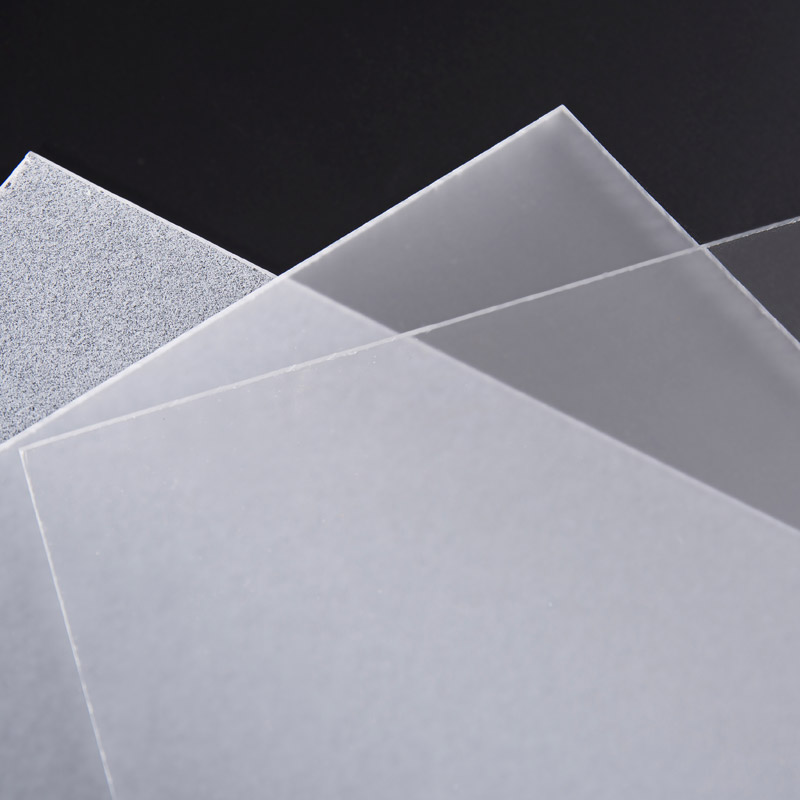
OLEG is a professional manufacturer of cast acrylic sheet, offering high quality products, attractiv...
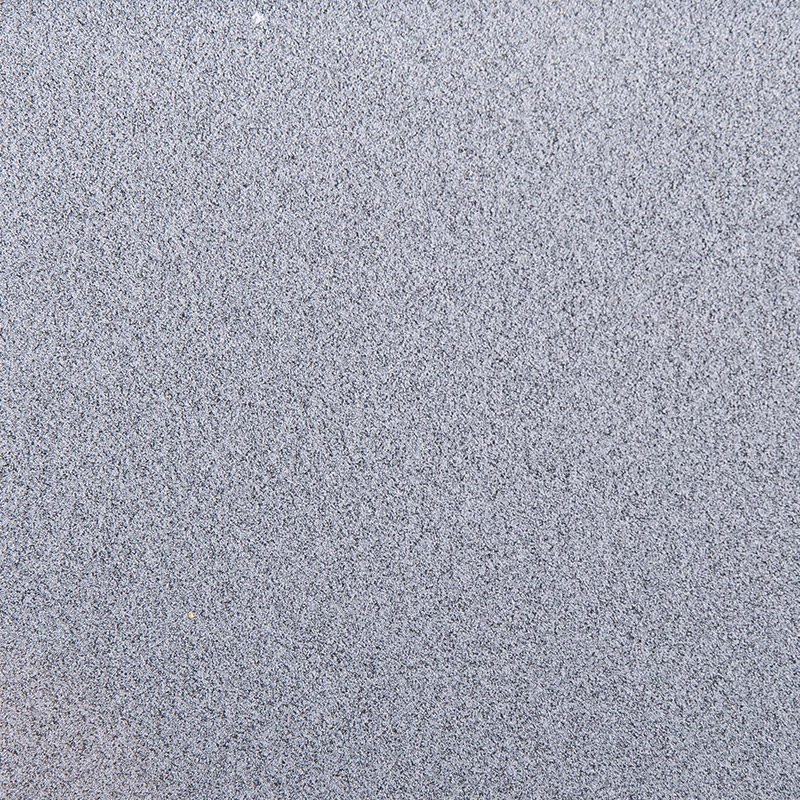
OLEG double side frosted acrylic sheet features a matte finish on both sides. Its modern appearance ...

• UV Resistance: Resistant to degradation from UV light, maintains its original color and clarity ov...

