

 English
 عربى
عربى Español
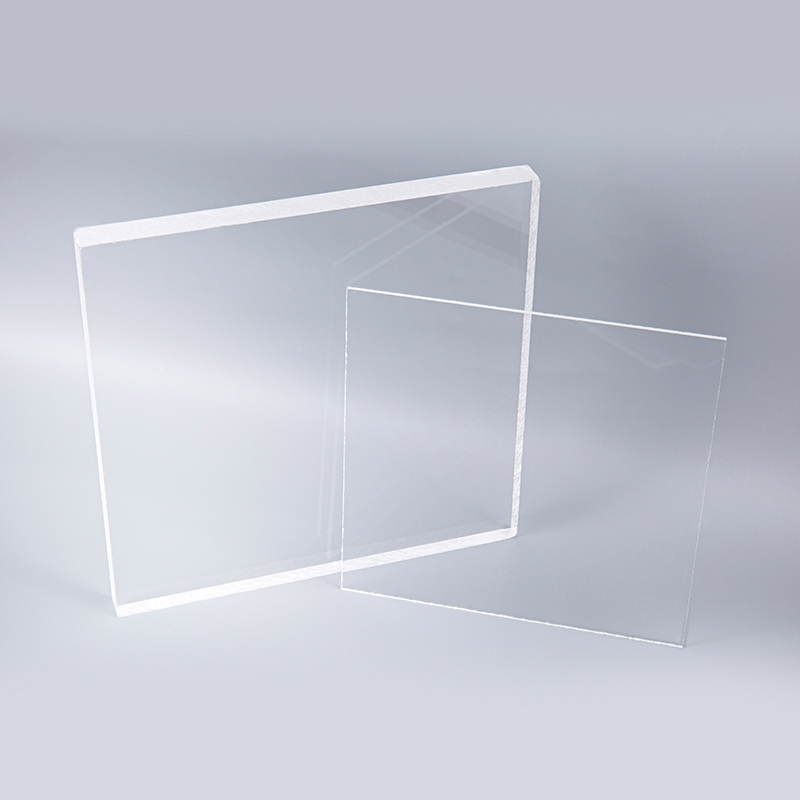
High-Strength Clear Acrylic Sheet
One of Oleg's popular products is the clear acrylic sheet, and our strong production capacity ensure...



Content
Acrylic sheet, scientifically known as Polymethyl Methacrylate (PMMA), has become an indispensable material across industries ranging from construction and automotive to advertising and medical devices. Its unique combination of glass-like clarity, superior light transmittance exceeding 92 percent, and exceptional weatherability makes it a preferred choice over traditional glass and other plastics like polycarbonate. However, not all acrylic sheets are created equal. The manufacturing process fundamentally dictates the material molecular structure, mechanical properties, and suitability for different applications.
For procurement professionals, engineers, and fabricators, understanding the distinction between cast and extruded acrylic is essential. Selecting the wrong type can lead to catastrophic failures in load-bearing installations, poor results in laser engraving, or unexpected costs due to material waste. This article provides a comprehensive technical comparison of cast and extruded acrylic sheets, analyzing their production methods, physical properties, performance characteristics, and optimal use cases for global buyers.
Cast acrylic sheet is a high-performance transparent or translucent plastic panel manufactured through a cell casting process. Unlike extruded acrylic, which is produced in a continuous, high-speed process, cast acrylic is made by pouring liquid methyl methacrylate (MMA) monomer into sealed molds consisting of two parallel glass plates separated by a flexible gasket.
The polymerization reaction occurs slowly over several hours to a few days. Because the reaction is slow and controlled, the resulting polymer chains have a very high molecular weight and are randomly oriented, creating a sheet with extremely low internal stress. This low stress state is the key to cast acrylic superior fabrication properties, including excellent laser cutting performance, strong solvent bonding, and resistance to cracking during machining.
The cell casting process allows for very thick sheets, from 0.8 millimeters up to 100 millimeters or more. The glass plates used in the molds have a mirror finish, which transfers directly to the acrylic sheet surface. This produces a superior, glass-like surface quality without the need for post-processing.
When you select a Cast Acrylic Sheet, you are choosing a material that combines exceptional optical clarity with outstanding durability. Its light transmittance exceeds 94 percent, higher than standard glass. It weighs only half as much as glass, with a specific gravity of 1.19 grams per cubic centimeter. It is more than 10 times as impact resistant as glass and does not shatter into sharp, dangerous shards.
The fundamental difference between cast and extruded acrylic lies in how the liquid monomer is transformed into a solid sheet. This difference drives every performance characteristic.
Cast acrylic sheet is produced by pouring liquid MMA monomer into a sealed cell or mold made of two parallel glass plates separated by a flexible gasket. This assembly is then placed in a heated water bath or oven. The polymerization reaction occurs slowly over several hours to a few days. Because the reaction is slow and controlled, the resulting polymer chains have a very high molecular weight and are randomly oriented, creating a sheet with extremely low internal stress.
The cell casting process allows for very thick sheets, from 0.8 millimeters up to 100 millimeters or more. The glass plates used in the molds have a mirror finish, which transfers directly to the acrylic sheet surface. This produces a superior, glass-like surface quality without the need for post-processing.
Extruded acrylic sheet is produced by a continuous process where pre-polymerized acrylic pellets or granules are fed into a screw extruder. The material is heated to a molten state and forced through a die that shapes it into a sheet. The sheet is then pulled through a series of polished rollers for thickness control and rapidly cooled. This continuous, high-speed process results in polymer chains with a lower molecular weight and significant internal stress from the rapid cooling and stretching.
The extrusion process is faster and more economical for high-volume production. However, the thickness range is typically limited to 0.8 to 25 millimeters. The rapid cooling can also create surface imperfections such as die lines.
The table below summarizes the key differences in the manufacturing process.
| Parameter | Cast Acrylic Sheet | Extruded Acrylic Sheet |
|---|---|---|
| Manufacturing Process | Cell casting (batch) | Continuous extrusion |
| Polymerization Speed | Slow, controlled | Fast, high temperature |
| Molecular Weight | High | Lower |
| Internal Stress | Very low | Moderate to high |
| Thickness Range | 0.8 mm to 100+ mm | 0.8 mm to 25 mm typical |
| Thickness Tolerance | Tighter (±0.2mm) | Wider (±0.4mm) |
| Surface Quality | Superior, glass-like | Good, may have die lines |
| Relative Cost | Higher | Lower |
The molecular structure of acrylic sheet determines its mechanical behavior, chemical resistance, and fabrication performance. This is where cast and extruded acrylic differ most significantly.
Cast acrylic sheet has a very high molecular weight because the slow polymerization allows the polymer chains to grow very long. These long chains become entangled with each other, creating a strong, tough material. The chains are randomly oriented because there is no directional force applied during casting. This random orientation means the material properties are isotropic, or the same in all directions.
The internal stress in cast acrylic is very low. As the sheet polymerizes slowly in the mold, the polymer chains have time to relax into a stable configuration. There are no frozen-in stresses waiting to be released. This low stress state is why cast acrylic resists cracking during machining and solvent bonding.
Extruded acrylic sheet has a lower molecular weight. The high-speed, high-temperature extrusion process does not allow time for the polymer chains to grow as long. The lower molecular weight means fewer entanglements, resulting in lower strength and toughness.
The extrusion process creates significant internal stress. As the molten sheet exits the die, it is pulled through rollers that stretch it. The sheet is then rapidly cooled, freezing the polymer chains in a stretched, stressed state. This internal stress is stored energy. When the sheet is machined, heated, or exposed to certain chemicals, this stress is released, causing cracking, warping, or crazing.
The table below compares the molecular and stress properties of cast and extruded acrylic.
| Property | Cast Acrylic | Extruded Acrylic |
|---|---|---|
| Molecular Weight | High | Lower |
| Polymer Chain Entanglement | Extensive | Limited |
| Internal Stress Level | Very low | Moderate to high |
| Stress Release Behavior | Stable | Prone to cracking |
| Isotropy | Isotropic (same in all directions) | May be anisotropic |
| Solvent Resistance | Excellent | Moderate, prone to crazing |
Acrylic sheet is prized for its exceptional optical clarity. Both cast and extruded acrylic achieve high light transmittance, but cast acrylic offers superior performance.
Premium cast acrylic sheet achieves light transmittance of 94 percent, making it one of the clearest materials available. The cell casting process on polished glass plates produces a perfectly flat, smooth surface. This surface quality minimizes light scattering and maximizes clarity. The high molecular weight and low internal stress prevent optical distortion.
Extruded acrylic typically achieves light transmittance of 91 to 93 percent. The difference is noticeable in side-by-side comparisons, particularly with thicker sheets. The surface may have minor imperfections from the roller calibration process. The internal stress in extruded acrylic can cause slight birefringence, a phenomenon where light passes through the material at different speeds, visible as rainbow patterns under polarized light.
For high-end signage, luxury displays, and optical applications where clarity is critical, cast acrylic is the superior choice. The 94 percent light transmittance ensures that backlit signs are bright and vibrant. The optical purity ensures that display cases show products without distortion.
Cast acrylic also offers excellent color consistency. When colored, the pigments are uniformly dispersed throughout the sheet. There are no streaks, swirls, or uneven areas. For brand signage where color accuracy is essential, cast acrylic provides the consistency required.
The fabrication behavior of an acrylic sheet is where the cast versus extruded distinction becomes most critical for manufacturers and fabricators.
For laser cutting, cast acrylic is the undisputed champion. When the laser beam strikes cast acrylic, the material vaporizes cleanly. The edges become smooth and polished with a flame-like appearance. The low internal stress of cast acrylic prevents cracking along the cut line. The finished parts have clean, professional edges that require no additional finishing.
For high-end signage that requires intricate lettering and complex shapes, cast acrylic laser cutting produces superior results. The polished edges look professional and do not require secondary operations such as flame polishing or edge finishing.
Extruded acrylic behaves differently under the laser. Rather than cleanly vaporizing, extruded acrylic tends to melt. The edges are rougher and may have more residue or charring. The internal stress in extruded acrylic can cause it to crack or craze along the cut line, especially on intricate shapes or near corners.
For CNC routing and drilling, cast acrylic machines cleanly. The material produces fine shavings that clear easily from the cutting tool. The stability of cast acrylic prevents chatter and edge chipping. Holes drilled in cast acrylic have clean, smooth walls.
Extruded acrylic is more challenging to machine. The material has a tendency to melt back onto the cutter, a problem known as gumming. The lower molecular weight and internal stress can cause stress fractures around drilled holes or along routed edges. Feed rates and tool geometry must be carefully controlled to achieve acceptable results.
The table below compares fabrication performance of cast and extruded acrylic.
| Fabrication Process | Cast Acrylic | Extruded Acrylic |
|---|---|---|
| Laser Cutting Edge Quality | Excellent, polished | Good, may be rough or charred |
| Laser Cutting Crack Resistance | Excellent | Poor to moderate |
| CNC Routing | Excellent, clean chips | Moderate, may gum |
| Drilling | Excellent, clean holes | Moderate, risk of stress cracks |
| Edge Polishing | Accepts flame polishing well | May craze with heat |
| Solvent Bonding | Excellent, strong, clear | Poor to moderate, crazing common |
Thermoforming involves heating acrylic sheet to a pliable temperature and forming it over a mold. The behavior of cast and extruded acrylic during thermoforming is significantly different.
Cast acrylic has a wider thermoforming temperature window, typically 150 to 180 degrees Celsius. The high molecular weight gives the material greater hot strength, meaning it resists sagging and thinning during forming. Cast acrylic can be formed into deep draws and complex shapes without losing thickness in critical areas. The low internal stress means the formed part will hold its shape without warping.
For applications such as curved display cases, rounded signage, and formed architectural elements, cast acrylic thermoforming produces superior results. The material maintains its optical clarity and color consistency even after deep forming.
Extruded acrylic has a narrower thermoforming window, typically 140 to 160 degrees Celsius. The lower molecular weight gives the material less hot strength, so it sags more easily and may thin excessively in deep draws. The internal stress in extruded acrylic can cause the formed part to warp or distort after cooling.
For simple, shallow bends such as a 90-degree angle for a sign holder, extruded acrylic may be sufficient. For complex, three-dimensional shapes, cast acrylic is required.
The Vicat softening temperature, which indicates the temperature at which the material begins to deform under load, is higher for cast acrylic. Premium cast acrylic achieves Vicat softening of 113 degrees Celsius, compared to 105 to 110 degrees Celsius for standard acrylic. This higher heat resistance makes cast acrylic suitable for applications involving higher temperatures or prolonged heat exposure.
Acrylic sheet is inherently more UV resistant than many other plastics. However, cast acrylic offers superior long-term durability, especially for outdoor applications.
Cast acrylic excels in extreme outdoor environments. Its higher molecular weight makes it more resistant to UV-induced degradation. Premium cast sheets with UV stabilizers can maintain clarity and color for 20 to 30 years in sunlight. The material resists yellowing, chalking, and loss of mechanical properties over time. The low internal stress prevents stress cracking from thermal cycling.
For architectural glazing, skylights, exterior signage, and any product that will be in direct sunlight for years, cast acrylic is the recommended choice. The material withstands temperature extremes from minus 40 degrees Celsius to 80 degrees Celsius without deformation or cracking.
Extruded acrylic also offers good UV resistance but is more susceptible to long-term degradation. The lower molecular weight means the polymer chains are more vulnerable to breakage from UV radiation. After many years of outdoor exposure, extruded acrylic is more likely to yellow, become brittle, and develop surface crazing.
Impact resistance is another critical durability factor. Cast acrylic offers impact resistance 10 to 17 times greater than glass. For safety glazing, machine guards, and protective barriers, this impact resistance is essential. The material does not shatter into sharp, dangerous shards like glass.
The table below compares durability properties of cast and extruded acrylic.
| Property | Cast Acrylic | Extruded Acrylic |
|---|---|---|
| UV Resistance (with stabilizers) | Excellent, 20+ years | Good, 5-10 years |
| Yellowing Resistance | Excellent | Moderate to good |
| Impact Resistance | 10-17 times glass | 10-12 times glass |
| Temperature Range | -40°C to +80°C | -40°C to +80°C |
| Thermal Cycling Stability | Excellent | Moderate |
| Surface Hardness (Rockwell) | M-95 to M-108 | M-85 to M-95 |
Cast acrylic sheet serves diverse industries, each with specific requirements that cast acrylic is uniquely suited to meet.
In the high-end signage industry, cast acrylic is the standard for luxury brand displays, commercial light boxes, and outdoor billboards. The high light transmittance of 94 percent ensures bright, vibrant illumination. The excellent processability allows for laser-cut lettering and complex shapes. The UV resistance ensures that colors remain true for years. The low internal stress prevents cracking during fabrication of intricate designs.
In the medical equipment industry, cast acrylic is used for incubators, surgical instrument trays, protective shields, and diagnostic device components. The material is sterilizable with many disinfectants. It is transparent for patient visibility. It is lightweight for portable equipment. Cast acrylic provides the chemical resistance needed for repeated cleaning. The high purity of virgin material ensures no contamination of medical environments.
In the architectural and construction industry, cast acrylic is used for skylights, curtain walls, balcony glazing, and decorative panels. The material weighs half as much as glass, reducing structural requirements. The UV stability maintains clarity for decades. The impact resistance meets safety glazing standards. The ability to thermoform into curved shapes allows creative architectural designs.
In the furniture and interior design industry, cast acrylic is used for tabletops, shelving, room dividers, and decorative accents. The crystal clarity creates a glass-like appearance without the weight or breakage risk. The material can be polished to a high gloss or frosted for a matte finish. Colored cast acrylic adds vibrant accents to any space.
In the model making and hobby industry, cast acrylic is used for architectural models, miniature displays, and craft projects. Cast acrylic lasers and machines cleanly, producing professional results. The material is available in a wide range of colors and thicknesses.
When sourcing cast acrylic sheet for export, look for manufacturers that adhere to international standards. Quality certifications provide assurance that the product meets established requirements.
ISO 9001 certification indicates that the manufacturer has a quality management system in place. This ensures consistent production processes and product quality. Look for manufacturers with ISO 9001 certification as a baseline requirement.
GB/T 7134-2008 is the Chinese national standard for cast acrylic sheets. Premium grade certification indicates that the product meets or exceeds the highest quality requirements for thickness tolerance, optical clarity, and mechanical properties. Many premium cast acrylic sheets exceed this standard.
REACH compliance confirms that the product meets European Union regulations on chemical substances. The material does not contain restricted substances above allowable limits. This is important for export to the EU market.
RoHS compliance ensures that the product does not contain hazardous substances such as lead, mercury, or cadmium. This is particularly important for electronic applications and for markets with strict environmental regulations.
For applications involving food contact, FDA compliance ensures that the acrylic sheet is safe for use in food display cases, kitchen equipment, and restaurant fixtures.
When sourcing cast acrylic sheet, request documentation of all relevant certifications. This provides confidence in the product quality and facilitates export to regulated markets.
Environmental responsibility is increasingly important for buyers and end users. Cast acrylic sheet can be part of a sustainable material strategy.
The manufacturing process for premium cast acrylic uses 100 percent virgin Mitsubishi MMA monomer. Virgin material ensures consistent, predictable performance, which is critical for safety and optical applications. However, the production of virgin monomer has environmental impacts.
Some manufacturers offer recycled acrylic sheet made from reclaimed PMMA. Recycled acrylic can achieve good properties but typically does not match the optical clarity and strength of virgin material. For high-end applications where quality is paramount, virgin material is necessary.
The durability of cast acrylic contributes to sustainability. A product that lasts longer requires replacement less frequently, reducing material consumption over time. A cast acrylic sign that remains in service for 10 to 20 years has a lower annual environmental impact than a lower quality sign that needs replacement every 5 years.
Cast acrylic is also recyclable. Production waste and end-of-life products can be collected and processed back into monomer or reground for use in lower-grade products. This closed-loop potential is an advantage over some alternative materials.
When sourcing cast acrylic sheet, ask the manufacturer about their environmental practices. Look for facilities with efficient energy use, water recycling, and waste reduction programs.
The selection of cast acrylic sheet over extruded acrylic or glass should be based on the specific requirements of the end use, the fabrication processes involved, and the desired quality level.
For high-end signage and displays where optical clarity, edge finish, and durability are paramount, select cast acrylic. The 94 percent light transmittance ensures bright illumination. The laser cutting produces polished edges without secondary finishing. The UV resistance maintains clarity for years.
For laser cutting and engraving services, cast acrylic is the standard. The clean, polished edges require no additional finishing, reducing labor costs. The low internal stress prevents cracking on intricate designs. Engraving on cast acrylic produces crisp, white text or graphics.
For solvent bonding applications, where strong, clear joints are required, cast acrylic is the only choice. Extruded acrylic will craze and produce weak, unattractive bonds. For fabricators who assemble complex acrylic structures such as display cases or medical device enclosures, cast acrylic is essential.
For architectural glazing, skylights, and balustrades, cast acrylic provides the long-term structural integrity and weather resistance required for safety-critical applications. The material is certified to meet impact safety standards and has a proven track record of decades of outdoor service.
For outdoor applications, architectural glazing, and any product that will be exposed to sunlight for years, cast acrylic with UV stabilization is required. The long-term weatherability and resistance to yellowing justify the higher initial cost.
For optical applications, high-end displays, and products where clarity is critical, cast acrylic provides the superior light transmittance and surface quality needed.
By understanding the technical differences and performance characteristics presented in this article, procurement professionals, engineers, and fabricators can confidently select the right cast acrylic sheet for each application, ensuring product performance, fabrication efficiency, and long-term durability.
Q1: What is the difference between cast acrylic and extruded acrylic?
A: Cast acrylic is manufactured by pouring liquid monomer into glass molds and allowing it to polymerize slowly. It has high molecular weight, very low internal stress, and superior clarity, making it ideal for laser cutting, solvent bonding, and outdoor use. Extruded acrylic is manufactured by melting acrylic pellets and forcing the molten material through a die in a continuous process. It has lower molecular weight, higher internal stress, and is more economical but is prone to cracking during machining and crazing when exposed to solvents.
Q2: Which acrylic sheet is better for laser cutting?
A: Cast acrylic is significantly better for laser cutting. It vaporizes cleanly under the laser beam, producing a smooth, polished, flame-like edge. The low internal stress prevents cracking along the cut line. Extruded acrylic tends to melt rather than vaporize, producing a rougher edge with more residue, and the internal stress can cause cracking. For high-end signage requiring intricate lettering and complex shapes, cast acrylic is the recommended choice.
Q3: Can cast acrylic be used outdoors?
A: Yes, cast acrylic is excellent for outdoor use. Premium cast acrylic with UV stabilization is rated for outdoor use exceeding 10 years, and some formulations can last 20 to 30 years. The material resists yellowing, chalking, and loss of mechanical properties. It withstands temperature extremes from minus 40 degrees Celsius to 80 degrees Celsius. For architectural glazing, skylights, exterior signage, and outdoor displays, cast acrylic is the preferred material.
Q4: How do I identify whether an acrylic sheet is cast or extruded?
A: Examine the edges. Cast acrylic has a very smooth, uniform edge. Extruded acrylic may have subtle die lines or waviness from the roller calibration process. You can also perform a simple solvent test: apply a drop of methylene chloride to a small, hidden area. Cast acrylic will show no change. Extruded acrylic will develop fine cracks or crazing within seconds. Always test on a non-visible area first.
Q5: Is cast acrylic worth the higher cost?
A: For many applications, yes. Cast acrylic provides superior fabrication properties, including clean laser cutting, strong solvent bonding, and stress-free machining. It offers better long-term outdoor durability and higher optical clarity with 94 percent light transmittance. For high-end signage, medical devices, architectural glazing, and any safety-critical application, cast acrylic is worth the investment. For simple, low-stress applications where cost is the primary driver, extruded acrylic may be sufficient.
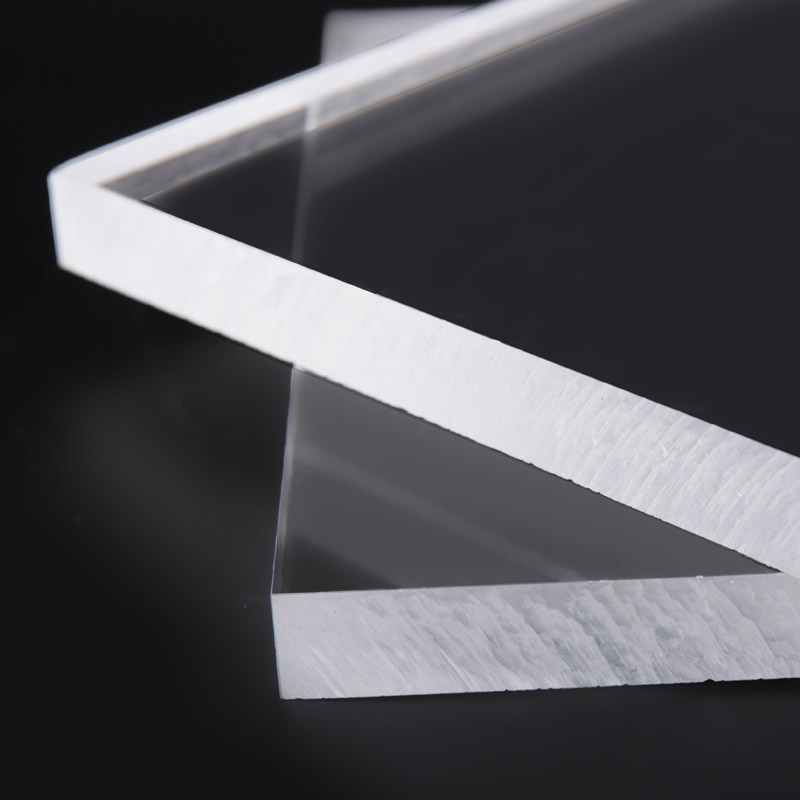
One of Oleg's popular products is the clear acrylic sheet, and our strong production capacity ensure...
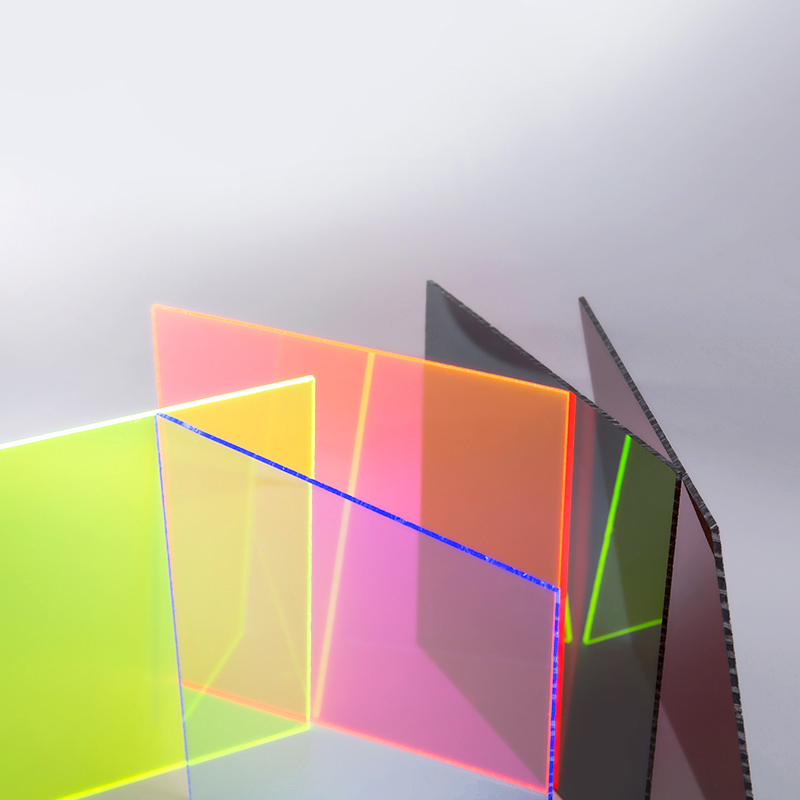
Oleg's products, whose raw material is virgin from Mitsubishi. OLEG is one of the TOP 5 cast acrylic...
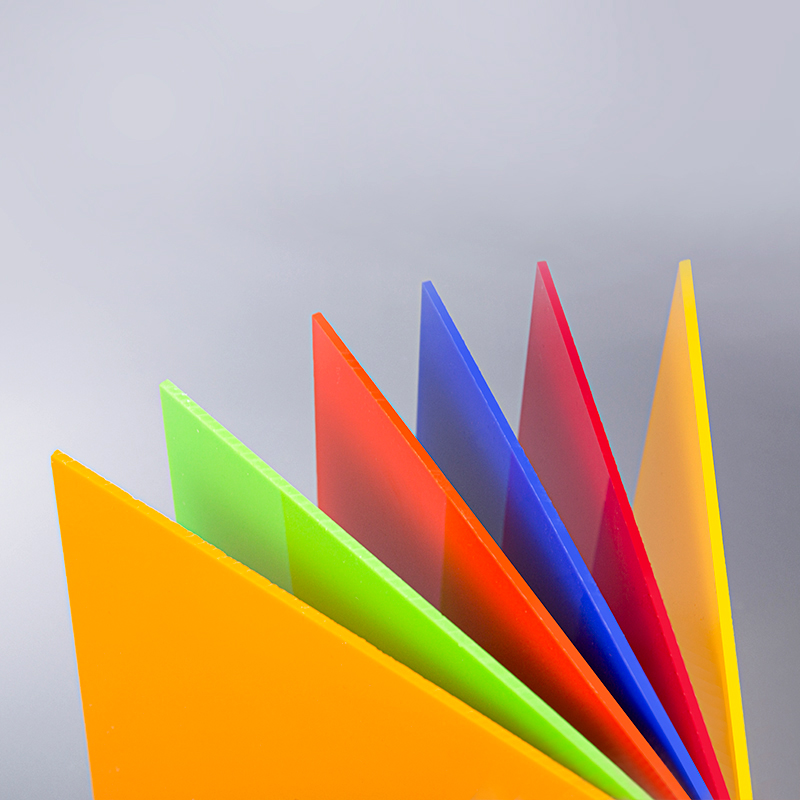
OLEG’s product, whose raw material is virgin from Mitsubishi. The color is highly uniform, pure and...
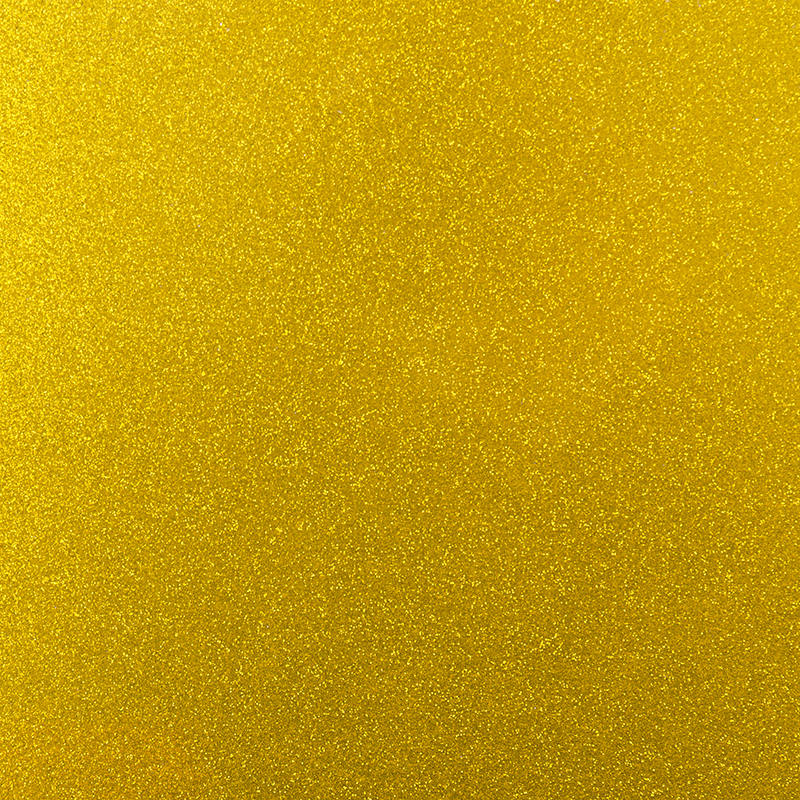
Golden acrylic sheet has tiny gold glitters in the material, which cause a luxurious effect. • Relia...
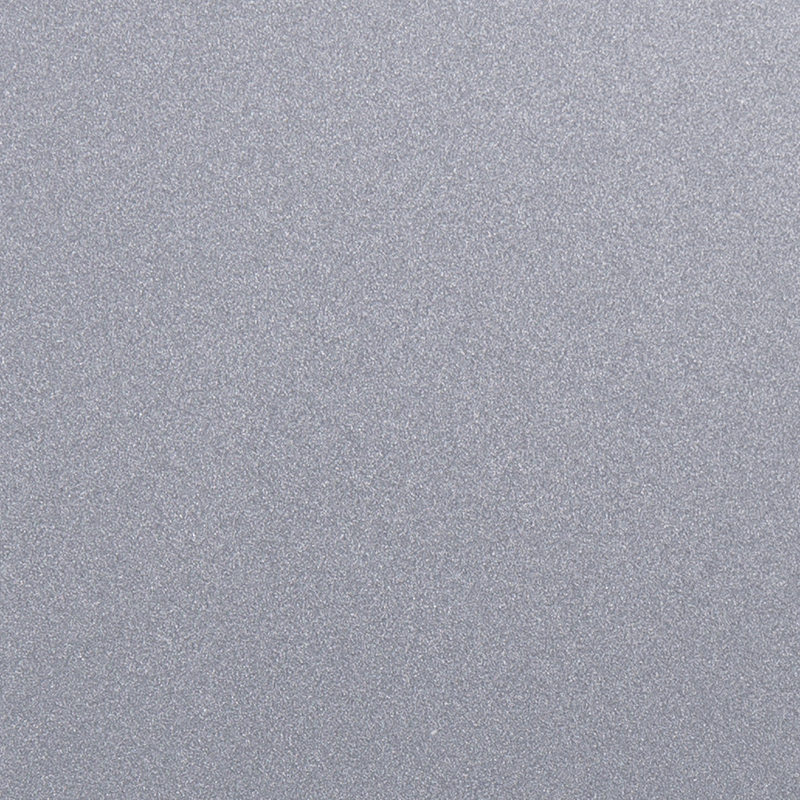
Silver acrylic sheet has tiny silver glitters in the material, which creating an elegant effect. • A...
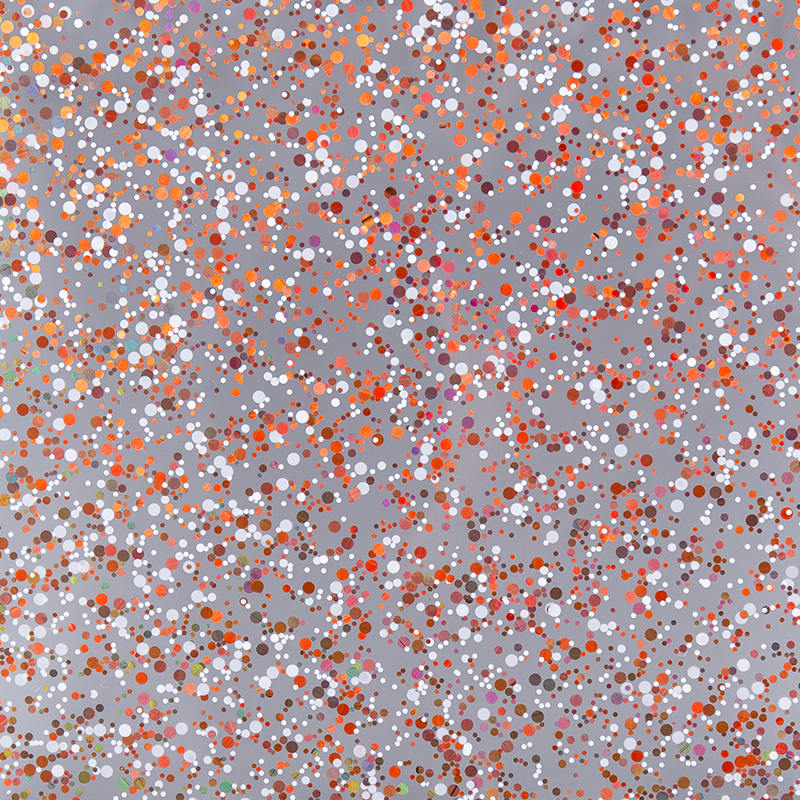
Tiny colored glitters are added to the transparent material to create a colorful and joyful visual e...
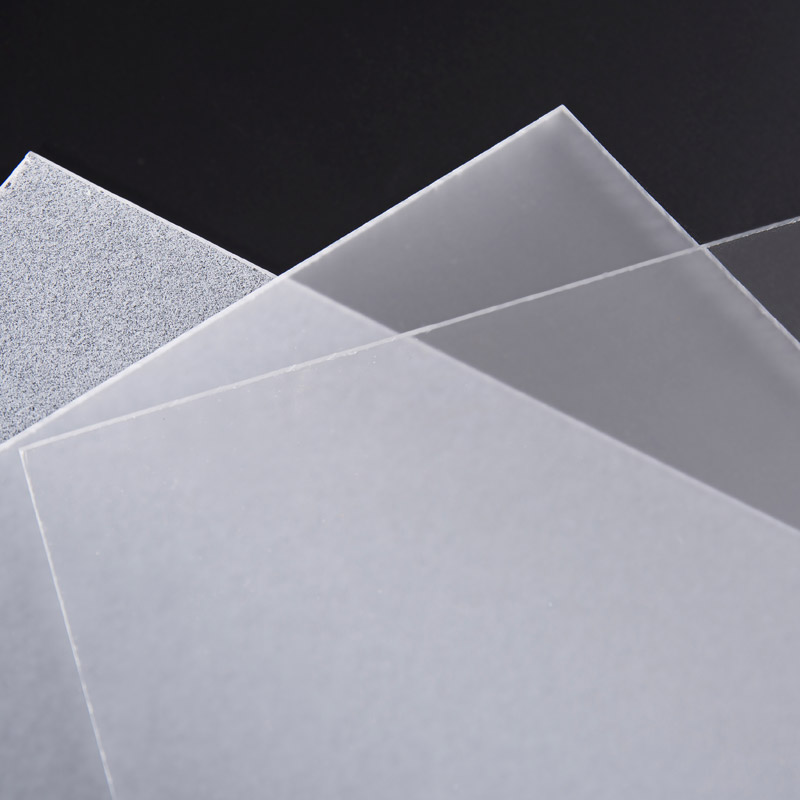
OLEG is a professional manufacturer of cast acrylic sheet, offering high quality products, attractiv...
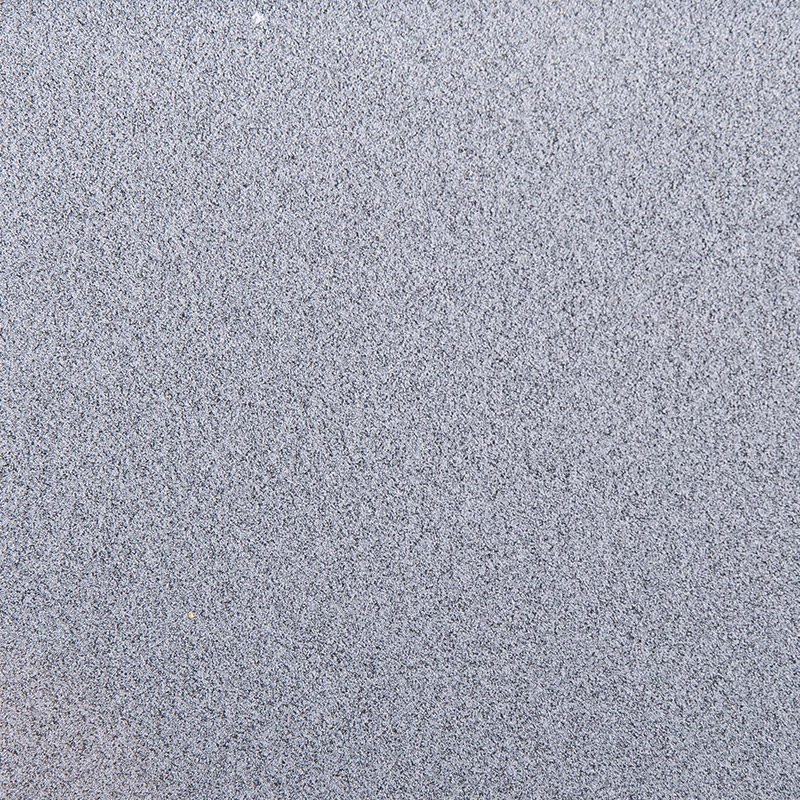
OLEG double side frosted acrylic sheet features a matte finish on both sides. Its modern appearance ...
• UV Resistance: Resistant to degradation from UV light, maintains its original color and clarity ov...

