

 English
 عربى
عربى Español
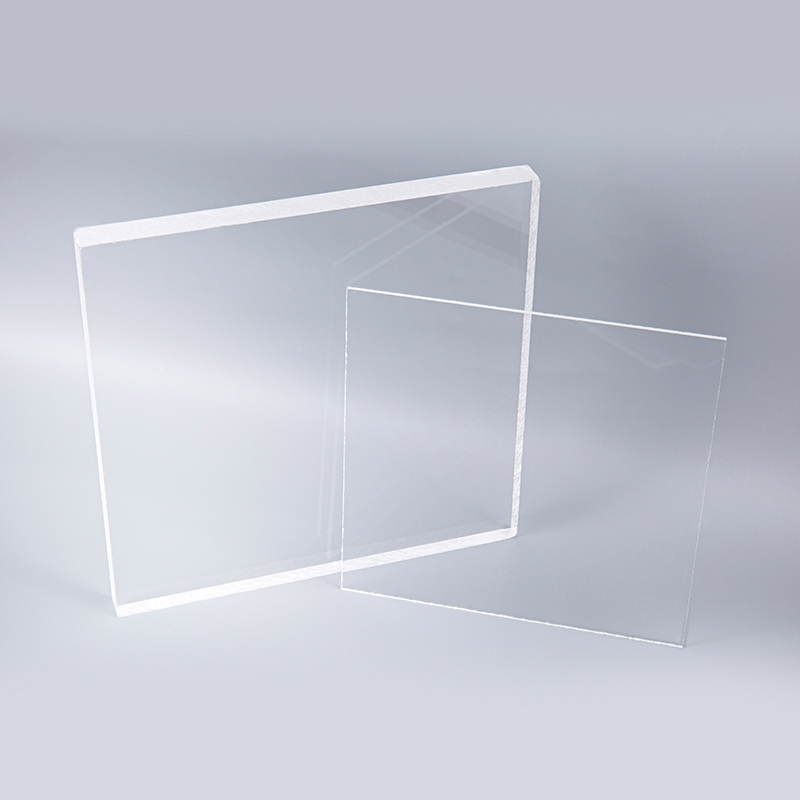
High-Strength Clear Acrylic Sheet
One of Oleg's popular products is the clear acrylic sheet, and our strong production capacity ensure...



Content
Color and light are fundamental elements of visual communication. In retail environments, the right color attracts customers and reinforces brand identity. In architectural spaces, colored light creates atmosphere and guides movement. In signage, vibrant, illuminated colors demand attention and convey messages instantly. The material that brings these elements together is the colored acrylic sheet.
Translucent colorful acrylic sheet occupies a unique position in the material world. Unlike transparent acrylic, which allows clear vision through the sheet, translucent acrylic scatters light passing through it, creating a soft, diffused glow. Unlike opaque acrylic, which blocks light entirely, translucent acrylic transmits light while obscuring the view of what is behind it. This property makes it the ideal material for backlit signage, illuminated displays, decorative panels, and architectural lighting features.
This article provides a comprehensive technical comparison of translucent, transparent, and opaque colored acrylic sheets. We will examine manufacturing processes, light transmission properties, color saturation, surface finishes, and application suitability. For procurement professionals, lighting designers, and industrial buyers, this guide serves as a reference for selecting the appropriate colored acrylic for different visual effects, lighting conditions, and performance requirements.
A translucent colorful acrylic sheet is a cast acrylic panel that allows light to pass through but scatters that light so that objects on the other side cannot be clearly seen. The term translucent comes from the Latin words trans meaning through and lucere meaning to shine. Light shines through, but vision is obscured.
The translucent effect is achieved through the addition of light diffusing particles or pigments to the acrylic during the manufacturing process. These particles scatter incoming light in multiple directions. When the sheet is backlit, the light emerges evenly across the entire surface, creating a soft, uniform glow without hotspots or visible light sources.
The color of translucent acrylic sheet comes from pigments or dyes added to the monomer before casting. The combination of color and diffusion creates a material with exceptional visual depth. When viewed in ambient light, the sheet has a rich, saturated color. When backlit, that color glows from within, creating a dramatic effect.
Translucent colorful acrylic sheet retains all the desirable properties of standard cast acrylic. It has excellent UV resistance, maintaining color stability over years of outdoor exposure. It has high impact resistance, 10 to 17 times stronger than glass. It can be laser cut, routed, drilled, and thermoformed using standard fabrication techniques.
When you select a Translucent Colorful Acrylic Sheet, you are choosing a material that combines the engineering properties of acrylic with sophisticated light management capabilities.
The fundamental difference between translucent, transparent, and opaque acrylic lies in how each interacts with light. This difference determines the visual effect and the suitability for different applications.
Transparent acrylic sheet allows nearly all light to pass through without significant scattering. Objects on the other side are clearly visible. Transparent colored acrylic, sometimes called clear tinted acrylic, has color but remains see through. It is used for applications where visibility through the sheet is required, such as tinted windows or colored protective shields.
Translucent acrylic sheet allows light to pass through but scatters that light. Objects on the other side are not clearly visible, appearing as blurred shapes or not visible at all. The light emerges evenly across the surface. Translucent colored acrylic is used for backlit signage, light diffusers, privacy screens, and decorative panels.
Opaque acrylic sheet blocks light completely. No light passes through, regardless of intensity. Opaque colored acrylic is used for solid color panels, non illuminated signs, and applications where light blocking is required.
The table below compares the three types of colored acrylic sheet.
| Parameter | Translucent Acrylic | Transparent Acrylic | Opaque Acrylic |
|---|---|---|---|
| Light Transmission | 30 to 85 percent depending on color | 85 to 94 percent | Less than 5 percent |
| Light Scattering | High, diffuses light evenly | Very low | Not applicable |
| Object Visibility Through Sheet | Obscured, blurred | Clear | None |
| Color Saturation Appearance | Rich, depth, glows when backlit | Tinted, lighter | Solid, full coverage |
| Backlit Effect | Excellent, uniform glow | Good, may show light source | None |
| Privacy | Moderate to high | None | Complete |
| Best Application | Backlit signage, diffusers, decor | Windows, displays, protective shields | Solid signs, panels |
For illuminated signage where the light source is behind the sheet, translucent acrylic is the superior choice. For applications where visibility through the material is required, transparent acrylic is appropriate. For non illuminated solid color panels, opaque acrylic may be used.
The unique visual effect of translucent colorful acrylic sheet comes from engineered light diffusion. Understanding this science helps designers specify the right material for their lighting application.
When light travels through a transparent material, it passes straight through. If the light source is a single point, such as an LED, that point will be visible as a bright spot on the surface of the material. This is acceptable for some applications but undesirable for others where a uniform glow is desired.
In translucent acrylic, light diffusing particles are distributed throughout the sheet. When light strikes one of these particles, it scatters in multiple directions. This scattering happens millions of times as light travels through the thickness of the sheet. The result is that a single point light source becomes an even, uniform glow across the entire surface.
The diffusion efficiency depends on several factors. The concentration of diffusing particles controls how much scattering occurs. Higher concentration produces more diffusion but reduces total light transmission. The particle size distribution affects the scattering pattern. The thickness of the sheet provides more or less opportunity for scattering.
High quality translucent acrylic achieves a balance between diffusion and transmission. The light is diffused evenly so that no hotspots are visible, but enough light passes through to create a bright, vibrant appearance. Typical transmission rates for translucent colors range from 30 percent for deep, saturated colors to 85 percent for very light colors.
For lighting designers, this means that the color and thickness of the sheet must be selected based on the brightness of the light source and the desired glow effect. A deep red translucent sheet used with bright LEDs creates a dramatic, saturated effect. A light blue translucent sheet with moderate LEDs creates a soft, airy feel.
The manufacturing secret of high quality translucent colorful acrylic sheet lies in balancing color saturation with light transmittance. This balance is achieved through precise control of pigment formulation and casting parameters.
Color saturation refers to the intensity and purity of the color. A highly saturated color appears rich and deep. A low saturation color appears washed out or pastel. In translucent acrylic, higher saturation requires more pigment. More pigment absorbs more light, reducing transmittance.
The challenge for manufacturers is to achieve deep, vibrant colors while maintaining sufficient light transmittance for backlighting applications. A color that is too dark will absorb too much light, appearing dim even with a bright backlight. A color that is too light will not have the visual impact required for branding or dramatic effect.
Premium manufacturers achieve this balance through several techniques. High purity pigments with high tinting strength allow lower pigment loading for the same color saturation. The pigments are selected for excellent dispersion stability, ensuring uniform color throughout the sheet. The casting process is carefully controlled to prevent pigment settling or agglomeration.
The table below provides guidelines for color selection based on backlighting requirements.
| Color Family | Typical Light Transmittance | Backlit Appearance | Best Application |
|---|---|---|---|
| White | 70 to 85 percent | Bright, clean, uniform | Light boxes, general signage |
| Yellow, Orange | 60 to 75 percent | Warm, glowing, vibrant | Attention signage, warnings |
| Red | 40 to 60 percent | Rich, dramatic, high impact | Brand signage, emergency |
| Blue | 45 to 65 percent | Cool, modern, calming | Corporate, healthcare |
| Green | 50 to 70 percent | Natural, fresh, balanced | Environmental, wayfinding |
| Purple, Violet | 35 to 55 percent | Deep, luxurious, dramatic | Premium brands, events |
| Black, Dark Gray | 10 to 25 percent | Subtle, sophisticated | High contrast, luxury |
For the most demanding applications, custom color matching to Pantone or RAL standards is available. The color deviation can be controlled to delta E less than or equal to 1.5, which is imperceptible to the human eye.
The quality of translucent colorful acrylic sheet begins with the raw materials. Premium manufacturers use high purity MMA monomer from globally recognized suppliers such as Mitsubishi. This virgin material is free from impurities that could affect clarity, color, or durability.
The colorants used in translucent acrylic are equally important. High quality pigments and dyes from internationally renowned suppliers offer excellent dispersion stability, weather resistance, and accurate color reproduction. Low quality colorants may fade, shift color over time, or agglomerate during casting, creating uneven color distribution.
The manufacturing process for translucent colorful acrylic uses precision cell casting technology. The monomer, initiators, and colorants are mixed with high precision metering systems. The mixture is then poured into sealed cells made of polished glass plates. The polymerization reaction is carefully controlled through a gradient heating process.
The gradient heating process is critical for achieving uniform color and consistent properties. The temperature is gradually increased from approximately 50 degrees Celsius to 120 degrees Celsius over a precisely controlled period. Each temperature zone has accuracy of plus or minus 0.5 degrees Celsius. The total polymerization time is measured in hours.
During polymerization, vacuum degassing removes bubbles and impurities that could scatter light unpredictably. The slow, controlled reaction allows the polymer chains to form evenly around the pigment particles, locking the color in place.
After polymerization, the sheets are cooled and removed from the glass molds. The glass plates leave a perfectly smooth, glossy surface that requires no additional finishing. The sheets are then inspected, cut to size, and packaged.
Color uniformity is essential for branded signage and high end applications where multiple panels will be installed side by side. Any variation in color between panels will be immediately visible and detracts from the professional appearance.
Premium translucent colorful acrylic sheet achieves highly uniform color distribution through several quality control measures. The precision metering systems ensure that each batch receives exactly the same ratio of monomer to colorants. The casting process is controlled to prevent pigment settling during polymerization. The gradient heating ensures that the reaction proceeds uniformly across the entire sheet.
After manufacturing, each sheet or batch undergoes color testing using a spectrophotometer. This instrument measures the color in terms of Lab* values and compares them to the target standard. Color deviation is controlled to delta E less than or equal to 1.5, which is within the range of imperceptible difference for most applications.
Transmittance testing is performed according to ASTM D1003 standards. The instrument measures the percentage of light that passes through the sheet. This value is compared to the specification for the specific color and thickness.
For large signage projects that require multiple panels from different production batches, manufacturers can provide color matching services. A sample of the approved color is retained as a master standard. Subsequent production batches are matched to this standard, ensuring consistency across the entire project.
Translucent colorful acrylic sheet is often used outdoors in signage, architectural panels, and lighting fixtures. UV stability is essential to prevent fading, yellowing, and loss of mechanical properties.
Standard acrylic has good UV resistance, but colored acrylic requires additional protection. The pigments themselves can be degraded by UV radiation, causing color fading or shifting. The polymer can yellow, affecting the appearance of light colors.
Premium translucent colorful acrylic sheet incorporates UV stabilizers into the formulation. These additives absorb harmful ultraviolet radiation before it can degrade the polymer or the pigments. The result is a product that maintains its color and clarity for years of outdoor exposure.
For outdoor applications, specify UV stabilized translucent acrylic. The material will retain color vibrancy and mechanical properties for 10 years or more, depending on the intensity of sun exposure and the specific color. Darker colors generally have better UV stability than very light colors because the pigments themselves absorb UV radiation.
Temperature adaptability is also important for outdoor use. Translucent acrylic remains stable and does not deform or crack in environments ranging from minus 40 degrees Celsius to 80 degrees Celsius. This wide temperature tolerance makes it suitable for use in diverse climates around the world.
The surface finish of translucent colorful acrylic sheet affects both appearance and light diffusion. Two common finishes are glossy and frosted.
Glossy finish is the standard surface produced by the glass mold casting process. The surface is smooth, shiny, and highly reflective. When backlit, glossy translucent acrylic produces a bright, crisp glow with a polished appearance. The glossy finish is easier to clean and resists fingerprints less than frosted finishes.
Frosted finish is created by mechanically or chemically etching the surface to create a matte texture. Frosted translucent acrylic scatters light even more than standard translucent material because the surface texture adds additional scattering. The result is a softer, more diffused glow. Frosted finishes hide fingerprints and minor scratches better than glossy finishes.
The choice between glossy and frosted depends on the desired effect. For high impact, vibrant signage where brightness is the priority, glossy is preferred. For elegant, soft lighting applications such as decorative panels or privacy screens, frosted may be more appropriate.
Both finishes are available in the full range of translucent colors. The surface finish does not significantly affect the color appearance when the sheet is backlit.
Translucent colorful acrylic sheet can be fabricated using the same techniques as clear acrylic. No special equipment or processes are required, which is a significant benefit for fabricators.
Laser cutting produces clean, smooth edges on translucent acrylic. The laser beam melts and vaporizes the material, leaving a polished edge. The heat from the laser may cause a slight color change at the very edge, but this is usually not visible in normal use. For edge lit applications where the cut edge will be visible, test the specific color and thickness before full production.
CNC routing and engraving are also effective. Translucent acrylic machines cleanly with sharp, defined edges. The chips are uniform and do not melt back onto the workpiece. Engraving removes the surface layer, revealing the material beneath. On translucent acrylic, engraving creates a frosted effect that scatters light differently than the surrounding material.
Drilling requires sharp drill bits designed for acrylic. Backing the sheet with a wooden block prevents breakout on the exit side. The translucent nature of the material makes it easier to see the drill point from both sides of the sheet.
Thermoforming translucent acrylic requires temperatures of 150 to 180 degrees Celsius. The material becomes pliable and can be formed into curved shapes. Cast acrylic maintains thickness well during forming. The color remains uniform even after forming.
Solvent bonding works for joining translucent acrylic components. The bond line may be slightly visible in backlit applications because the solvent changes the surface properties at the joint. For invisible joints in backlit applications, consider mechanical fastening or UV curing adhesives.
Translucent colorful acrylic sheet serves diverse applications across multiple industries, each with specific requirements.
In signage and branding, translucent acrylic is used for illuminated channel letters, light box signs, and logo displays. The material allows the brand colors to be reproduced accurately while creating a dramatic backlit effect. Retail stores, restaurants, and corporate lobbies use illuminated signage to attract attention and reinforce brand identity.
In architectural lighting, translucent acrylic is used for light fixtures, ceiling panels, wall sconces, and decorative screens. The material diffuses light evenly, eliminating hotspots and creating a comfortable, glare free illumination. Hotels, offices, and healthcare facilities use translucent acrylic to create warm, inviting environments.
In retail displays, translucent acrylic is used for product display stands, shelving with integrated lighting, and backlit product panels. The material highlights products while adding a premium, modern aesthetic. Jewelry stores, electronics retailers, and cosmetics counters use backlit acrylic displays to make products stand out.
In interior design, translucent acrylic is used for room dividers, privacy screens, cabinet doors, and decorative wall panels. The material provides privacy while allowing light to pass through, creating a sense of openness. When combined with colored lighting, the effects can be dramatic.
In art and installations, translucent acrylic is used for sculptural pieces, light art, and museum displays. The ability to create large, seamless panels in custom colors makes it a favorite of artists and designers.
The selection of the right translucent colorful acrylic sheet requires careful consideration of the desired visual effect, lighting conditions, and performance requirements.
For backlit signage where brightness and impact are priorities, select light to medium colors with high light transmittance. White, yellow, and light blue work well. Use glossy finish for maximum brightness. Specify UV stabilization for outdoor use.
For architectural lighting where a soft, uniform glow is desired, select medium to deep colors with balanced transmittance. Frosted finish enhances diffusion. Consider the distance between the light source and the acrylic surface to ensure even illumination without hotspots.
For brand signage where specific colors must be matched exactly, order custom color matching to Pantone or RAL standards. Request a sample panel for approval before full production. Specify the light transmittance range to ensure the color appears correctly when backlit.
For outdoor applications, always specify UV stabilized translucent acrylic. The material will resist fading and yellowing for years. For indoor applications, standard UV protection is usually sufficient.
For applications requiring fabrication such as cutting, drilling, or forming, choose cast translucent acrylic for best results. The material processes cleanly and maintains its properties after forming.
By understanding the technical differences and performance characteristics presented in this article, procurement professionals, lighting designers, and industrial buyers can confidently select the right translucent colorful acrylic sheet for each application, ensuring visual impact, durability, and long term performance.
Q1: What is the difference between translucent and transparent acrylic sheet?
A: Translucent acrylic sheet allows light to pass through but scatters that light, so objects on the other side are not clearly visible. The light emerges evenly across the surface, creating a soft, diffused glow. Transparent acrylic sheet allows light to pass through without significant scattering, so objects on the other side are clearly visible. For backlit signage and illuminated displays where a uniform glow is desired, translucent acrylic is the correct choice.
Q2: How do I choose the right color and thickness for my backlit sign?
A: The choice depends on the brightness of your light source and the desired visual effect. Light colors such as white and yellow have higher light transmittance (70 to 85 percent) and will appear brighter when backlit. Dark colors such as red and purple have lower transmittance (35 to 55 percent) and will appear more dramatic. Thicker sheets diffuse light more evenly but reduce total transmission. For most backlit signage, 3 to 5 millimeter thickness is recommended. Request samples from your supplier to test with your specific lighting.
Q3: Will translucent colorful acrylic sheet fade or yellow outdoors?
A: Premium translucent colorful acrylic sheet with UV stabilization will maintain its color and clarity for 10 years or more of outdoor exposure. The UV stabilizers absorb harmful ultraviolet radiation before it can degrade the polymer or the pigments. Low quality acrylic or non UV stabilized material may fade, yellow, or become brittle within 1 to 2 years. Always specify UV stabilized acrylic for outdoor applications and request documentation of UV testing.
Q4: Can I laser cut and engrave translucent colorful acrylic sheet?
A: Yes, translucent colorful acrylic can be laser cut and engraved using standard CO2 lasers. Laser cutting produces clean, smooth edges. Laser engraving removes the surface layer, creating a frosted effect that scatters light differently than the surrounding material. This can be used to create detailed graphics or text that appear as a different brightness when backlit. Test your specific color and thickness before full production, as different colors may react differently to the laser.
Q5: How do I clean and maintain translucent colorful acrylic sheet?
A: Clean translucent acrylic with mild soap and water or a specialized acrylic cleaner. Use a soft, non abrasive cloth or sponge. For glossy finishes, wipe gently to avoid scratching. For frosted finishes, a soft brush can clean textured surfaces. Do not use abrasive cleaners, ammonia based cleaners such as window cleaner, or solvents such as acetone or alcohol. For outdoor signage, periodic cleaning removes dirt and grime that can reduce light transmission and affect appearance.
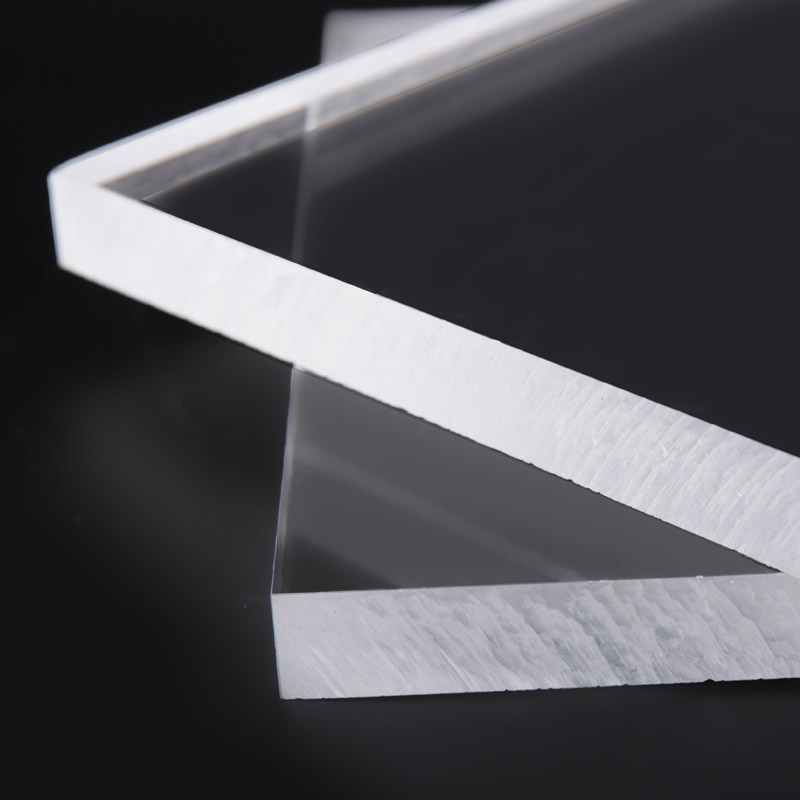
One of Oleg's popular products is the clear acrylic sheet, and our strong production capacity ensure...
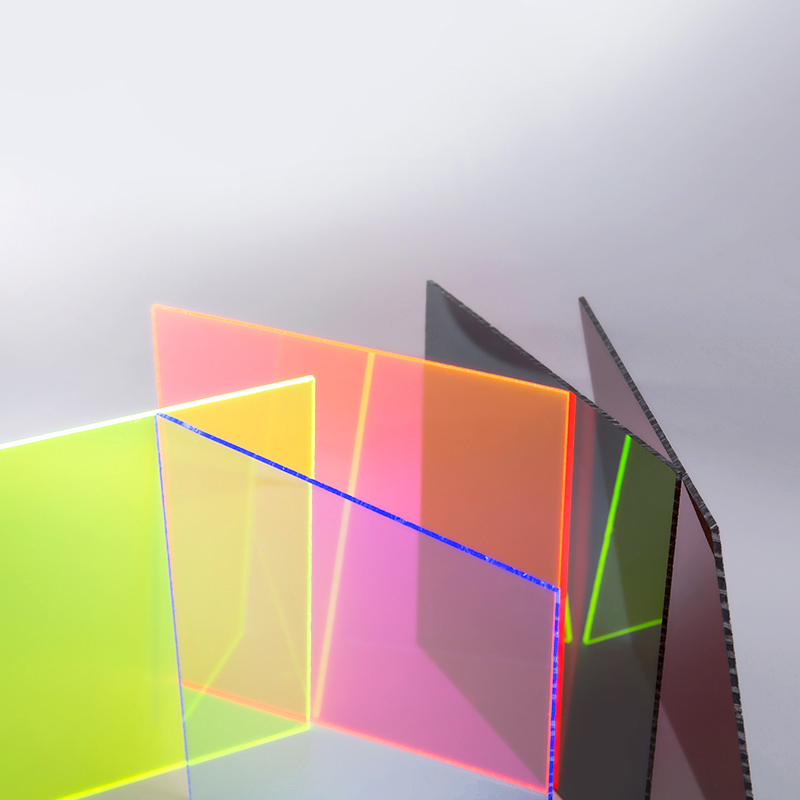
Oleg's products, whose raw material is virgin from Mitsubishi. OLEG is one of the TOP 5 cast acrylic...
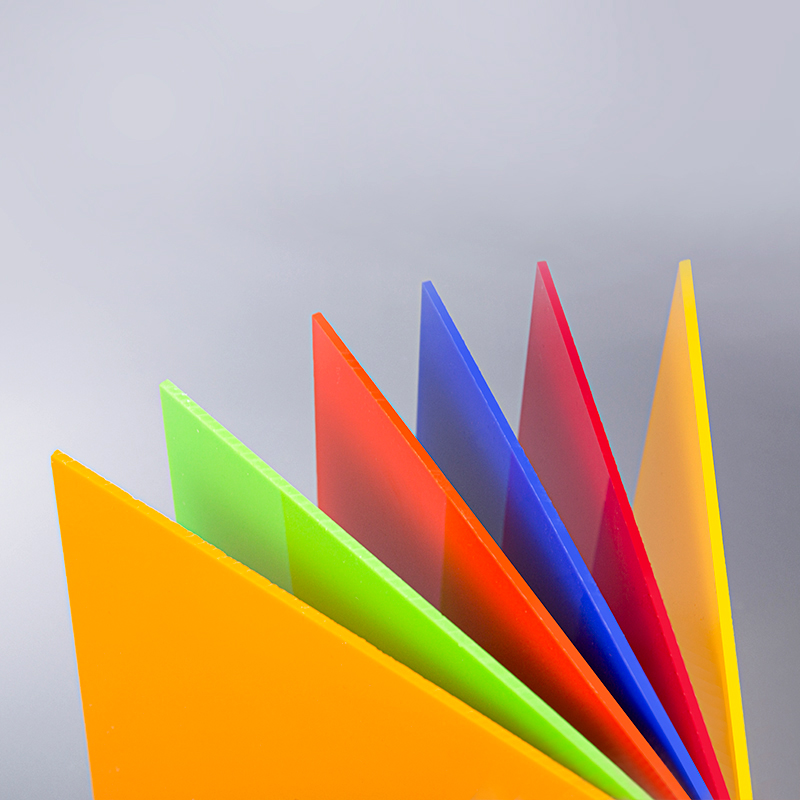
OLEG’s product, whose raw material is virgin from Mitsubishi. The color is highly uniform, pure and...
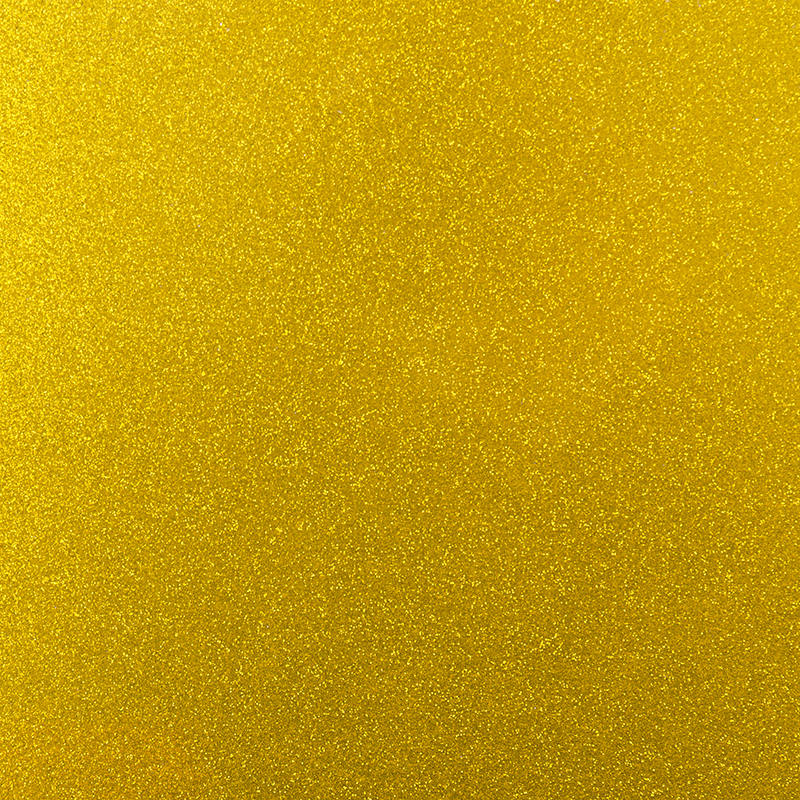
Golden acrylic sheet has tiny gold glitters in the material, which cause a luxurious effect. • Relia...
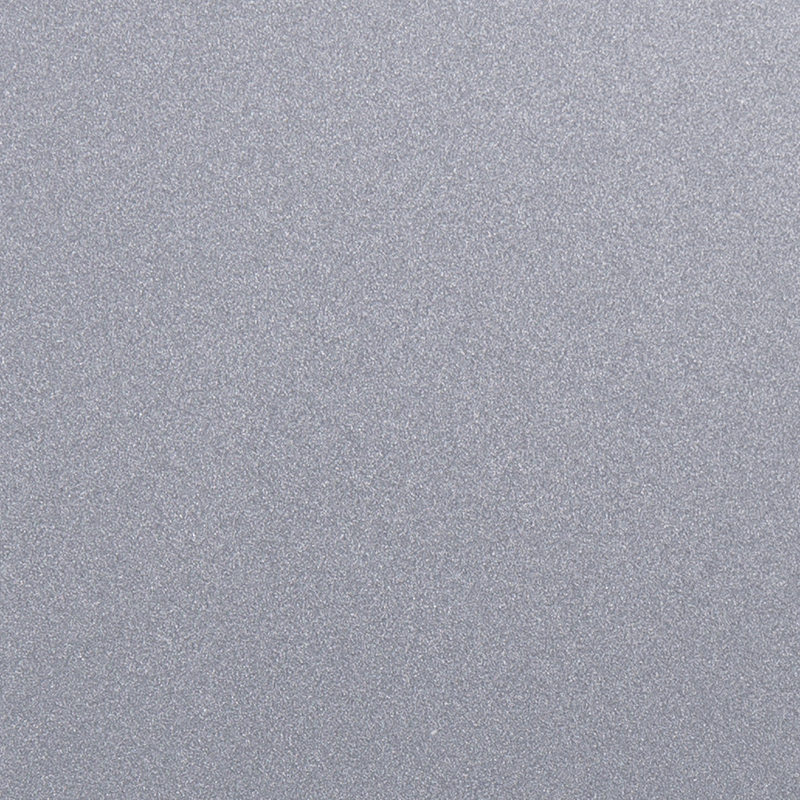
Silver acrylic sheet has tiny silver glitters in the material, which creating an elegant effect. • A...
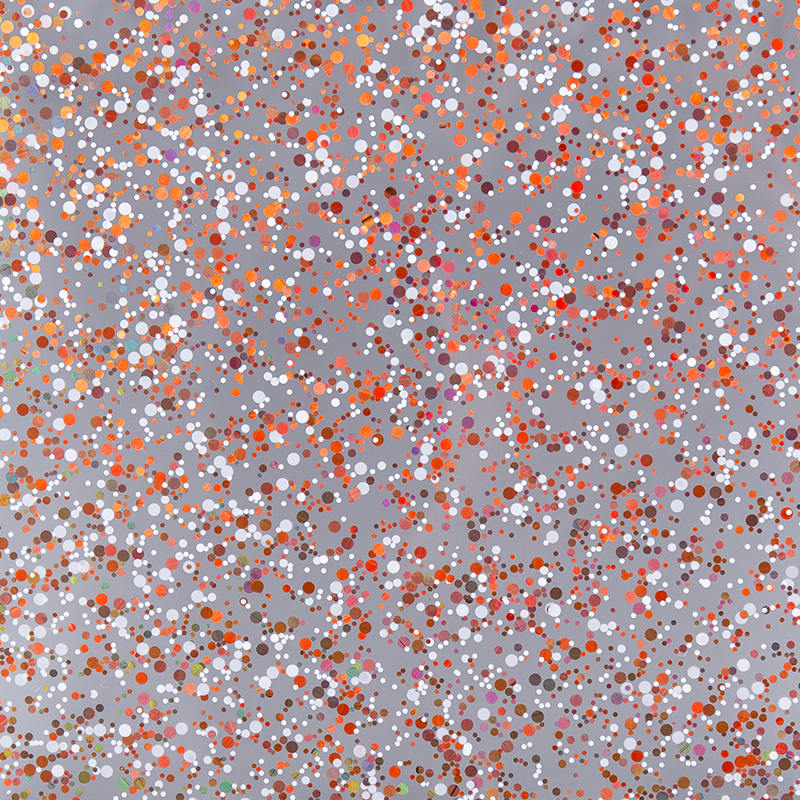
Tiny colored glitters are added to the transparent material to create a colorful and joyful visual e...
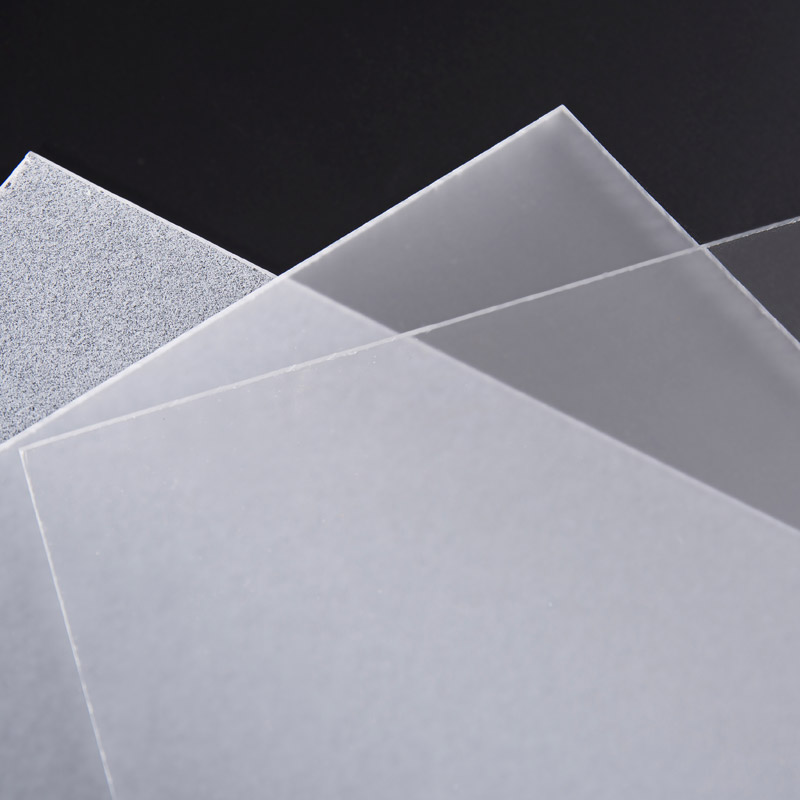
OLEG is a professional manufacturer of cast acrylic sheet, offering high quality products, attractiv...
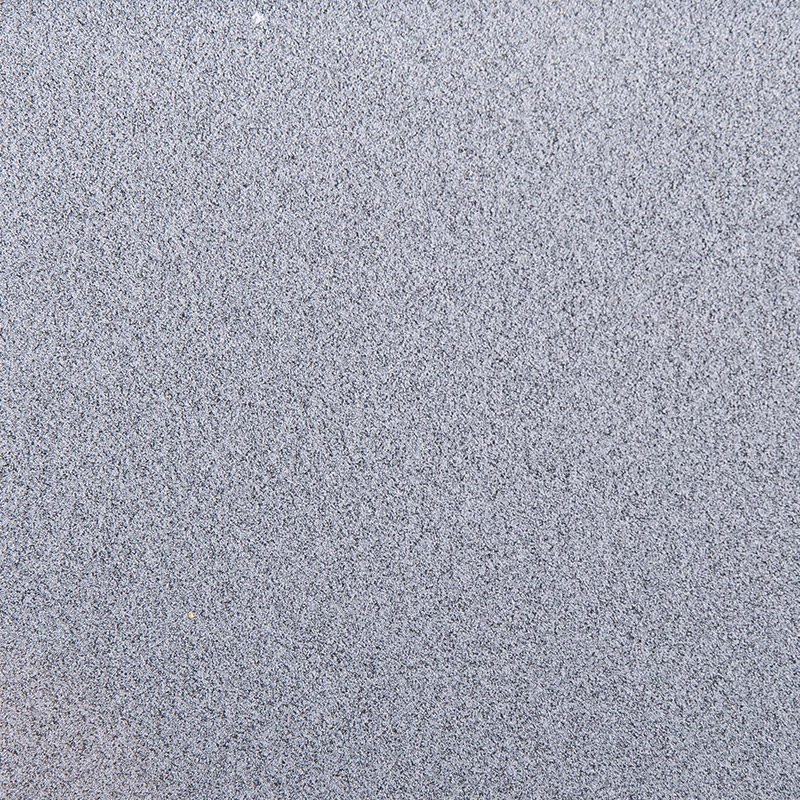
OLEG double side frosted acrylic sheet features a matte finish on both sides. Its modern appearance ...
• UV Resistance: Resistant to degradation from UV light, maintains its original color and clarity ov...

