

 English
 عربى
 Español

High-Strength Clear Acrylic Sheet
One of Oleg's popular products is the clear acrylic sheet, and our strong production capacity ensure...



Content
Direct import from a Chinese cast acrylic sheet factory wins on acrylic sheet cost once a single specification reaches about 400 to 500 sheets per order and the buyer can absorb an 8 to 12 week replenishment cycle. Below that volume, local stock usually costs less once minimum order penalties, scrap, and inventory carrying costs are counted.
Landed cost per usable sheet is the only figure that supports a real sourcing decision, because it is the only figure that includes every cost the supplier invoice never shows.
Landed cost is the FOB unit price plus ocean freight and insurance, duty and customs clearance, port and inland delivery, and an allowance for sheets that fail incoming inspection, divided by the number of sheets that actually pass that inspection. Two quotations can differ by 40 percent on unit price and still finish within $1 per sheet of each other once the full chain is counted.
Sourcing managers who track landed cost consistently report the same pattern: the freight line, not the material line, is where an import quotation quietly loses its advantage. A supplier quoting $12.90 per sheet with a poor loading plan costs more than one quoting $13.40 with tight palletization.
The direct import route lands at $17.75 per sheet against $22.55 delivered locally, a saving of about 21 percent, or $4,800 on this single order, before freight mode and payment terms are examined.
| Cost element | China supplier, FOB basis | Local distributor, delivered |
| Ex-works unit price | $13.20 | $22.40 |
| Ocean freight and marine insurance | $1.10 | Included |
| Duty, harbor fees and customs brokerage | $2.40 | Included |
| Inland drayage to warehouse | $0.55 | Included |
| Damage and incoming scrap allowance | $0.50 | $0.15 |
| Total per delivered sheet | $17.75 | $22.55 |
The unit price gap looks like $9.20 per sheet. Freight, duty, and inland delivery claw back $4.05, and the higher damage allowance on a containerized shipment claws back another $0.35. What remains is $4.80, and that is the true margin of advantage an importer is playing for.
A local distributor is the cheaper supplier below roughly 400 sheets per specification, on any project that cannot wait ten weeks, and on every order where a color must be approved against a physical sample before production starts.
Most experienced buyers do not choose one side. They run a split program: 70 percent of annual volume imported on a planned container schedule, 30 percent bought locally as a shock absorber for rush jobs and color trials.
Five variables move acrylic sheet cost further than the freight quote does, and none of them appear on a standard price list.
Buyers who need to see shelf-ready shades before committing to a casting run can work from the supplier's color catalog and then confirm against physical chips, which removes most of the color risk without paying a local premium.
Scale at the casting line, not sales language, is what produces a lower conversion cost per kilogram, and that is the only cost advantage that survives into a written quotation.
Hangzhou Oleg International Trade Co., Ltd., which trades under the OLEG brand, operates six casting lines at its Huzhou plant in Zhejiang with a stated annual capacity of 35,000 tonnes of cast acrylic sheet, and brought a second manufacturing base online in Jingmen, Hubei in 2025 with eight lines and a designed capacity of 45,000 tonnes. Fourteen casting lines across two sites change how a quotation is built: longer production runs between shade changes, less scrap per tonne, and more room to absorb a custom color without a premium. The Hubei expansion is documented in the company's own plant announcement.
Ask every shortlisted supplier for three numbers before discussing price: annual tonnage, the number of casting lines, and the standard the sheet is produced to. A supplier that answers all three quickly is usually the one that controls its own gauge.
Five steps turn a cost comparison into a decision that holds up six months later, when the second container arrives.
Yes, above roughly 400 to 500 sheets per specification. On the worked example in this article, a container-direct import lands 21 percent below a local distributor once freight, duty, drayage, and scrap allowance are included. Below that volume, the LCL premium and the minimum order requirement usually erase the advantage entirely.
Between $1 and $7 per sheet depending on mode and order size. A full container load spreads ocean freight across 800 to 1,000 sheets and adds roughly $1.10 each, while an LCL shipment of 150 sheets can add $4 to $7 per sheet before duty is even applied.
Typically 1 to 2 tonnes, or 200 to 400 sheets per shade. Dust-free casting lines with large batch capacity can run smaller trials, but the set-up cost is the same, so the per-sheet premium falls sharply once a run exceeds 400 sheets.
Reputable Chinese casters produce to GB/T 7134-2008, the national standard for cast PMMA sheet, and premium grade under that standard specifies light transmission, gauge tolerance, and mechanical performance. Request a batch test report, measure gauge on arrival, and hold the supplier to the specification you approved rather than to a marketing claim.
Run the landed-cost calculation on your own numbers before the next order goes out. The answer is almost never "always import" or "always buy local" — it is a volume threshold, and it sits close to 400 sheets.
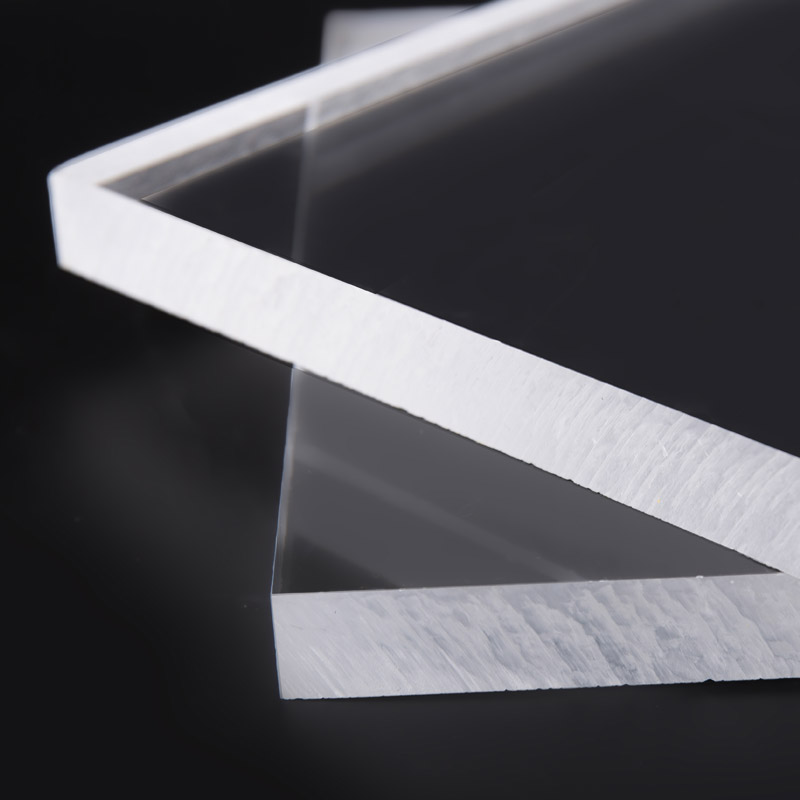
One of Oleg's popular products is the clear acrylic sheet, and our strong production capacity ensure...
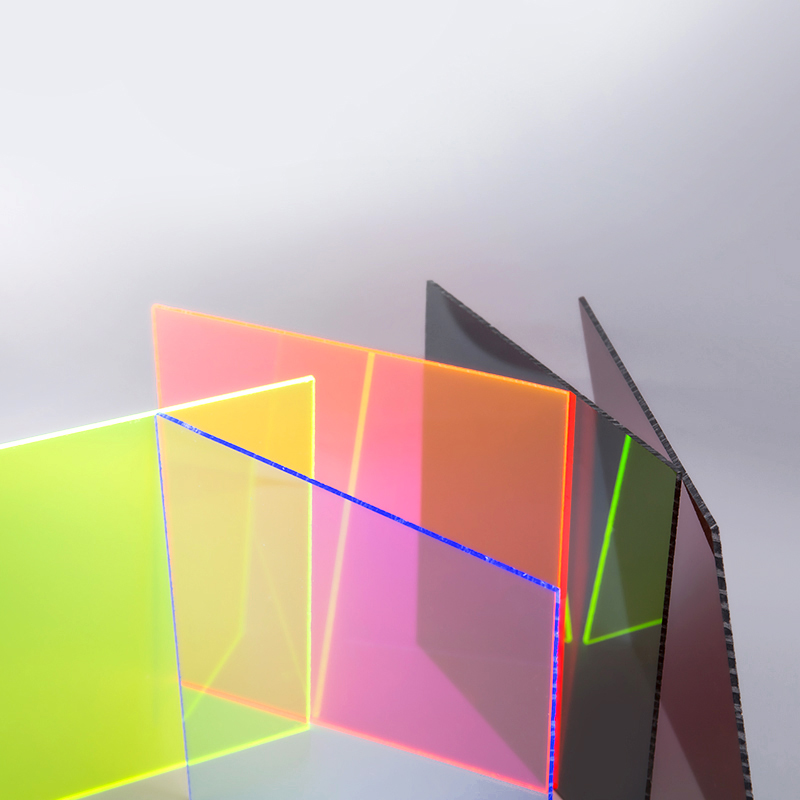
Oleg's products, whose raw material is virgin from Mitsubishi. OLEG is one of the TOP 5 cast acrylic...
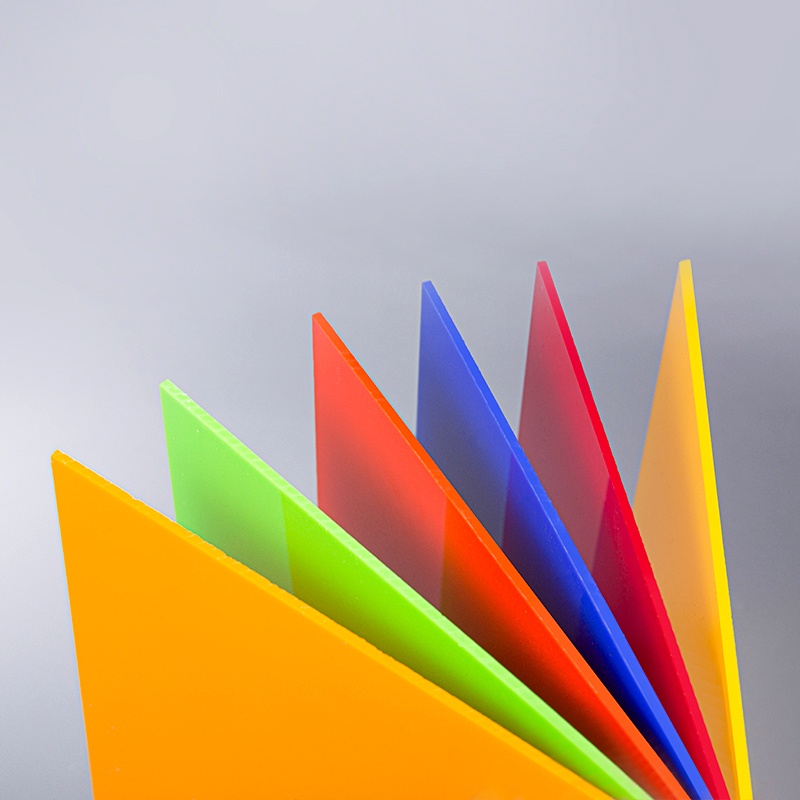
OLEG’s product, whose raw material is virgin from Mitsubishi. The color is highly uniform, pure and...

Golden acrylic sheet has tiny gold glitters in the material, which cause a luxurious effect. • Relia...
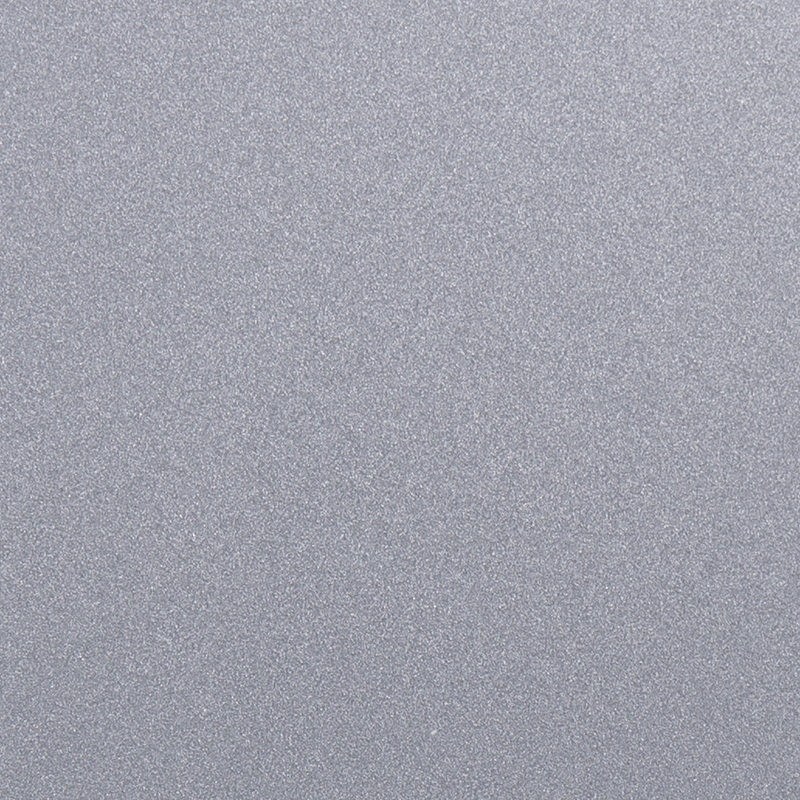
Silver acrylic sheet has tiny silver glitters in the material, which creating an elegant effect. • A...
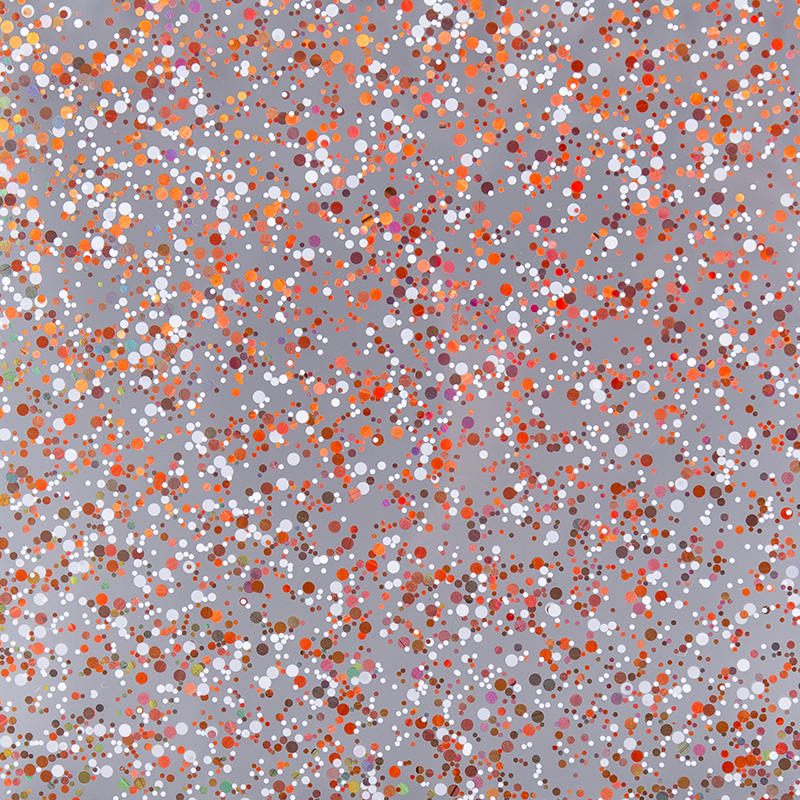
Tiny colored glitters are added to the transparent material to create a colorful and joyful visual e...
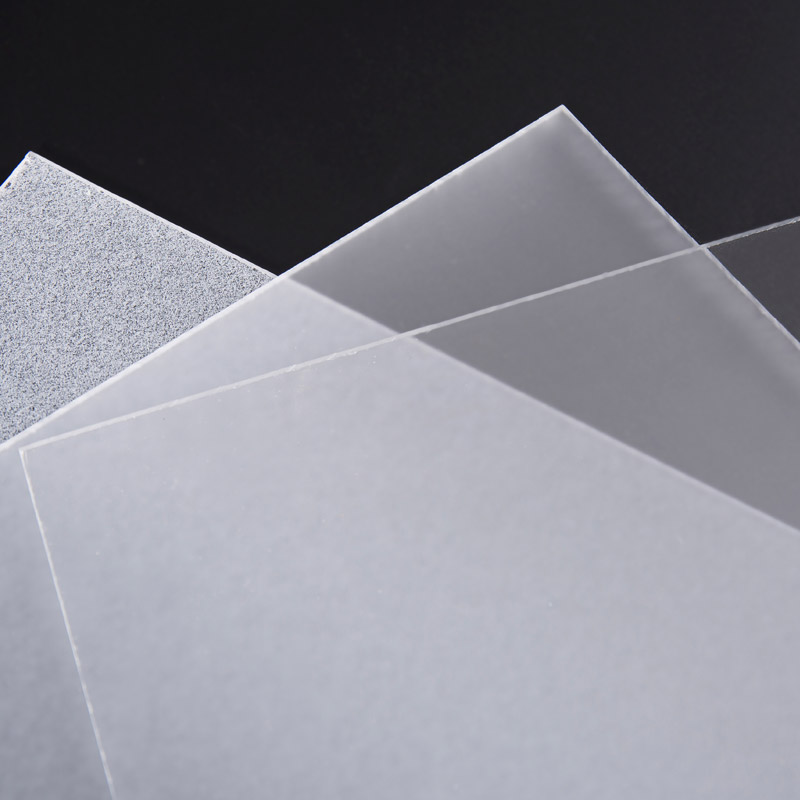
OLEG is a professional manufacturer of cast acrylic sheet, offering high quality products, attractiv...
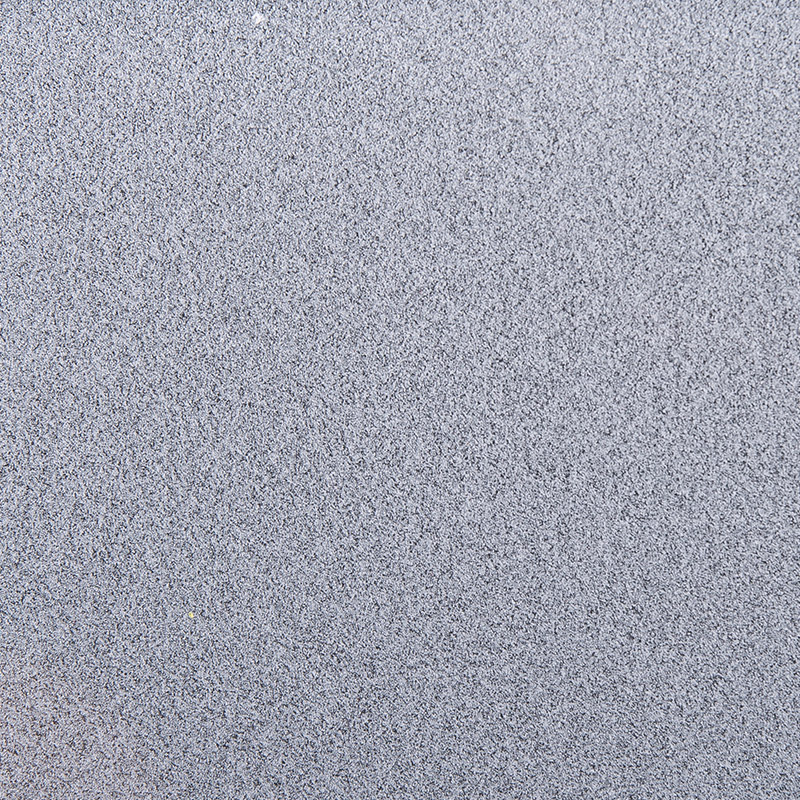
OLEG double side frosted acrylic sheet features a matte finish on both sides. Its modern appearance ...
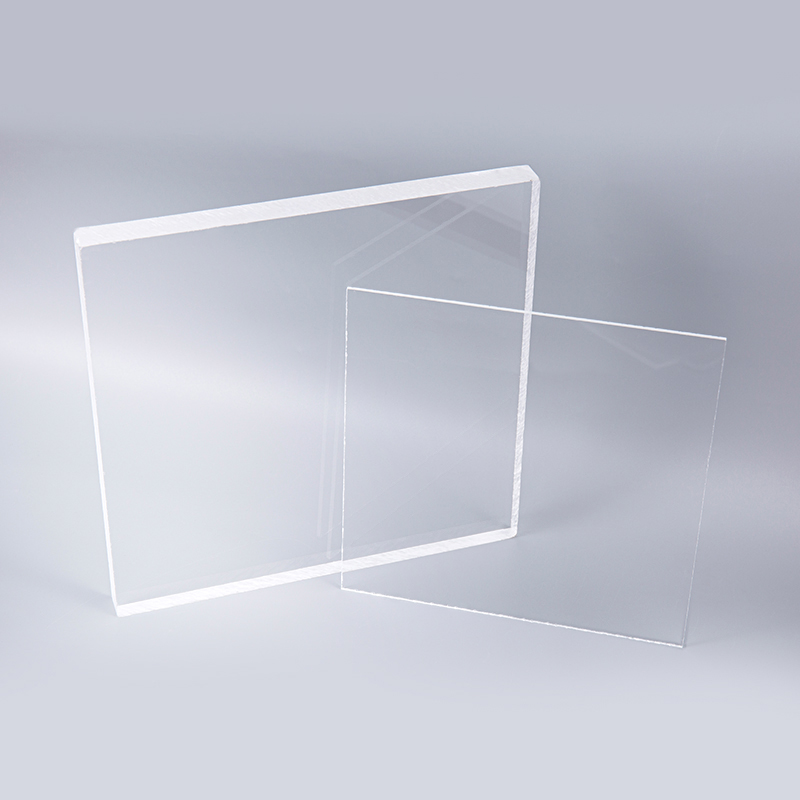
• UV Resistance: Resistant to degradation from UV light, maintains its original color and clarity ov...

