

 English
 عربى
 Español

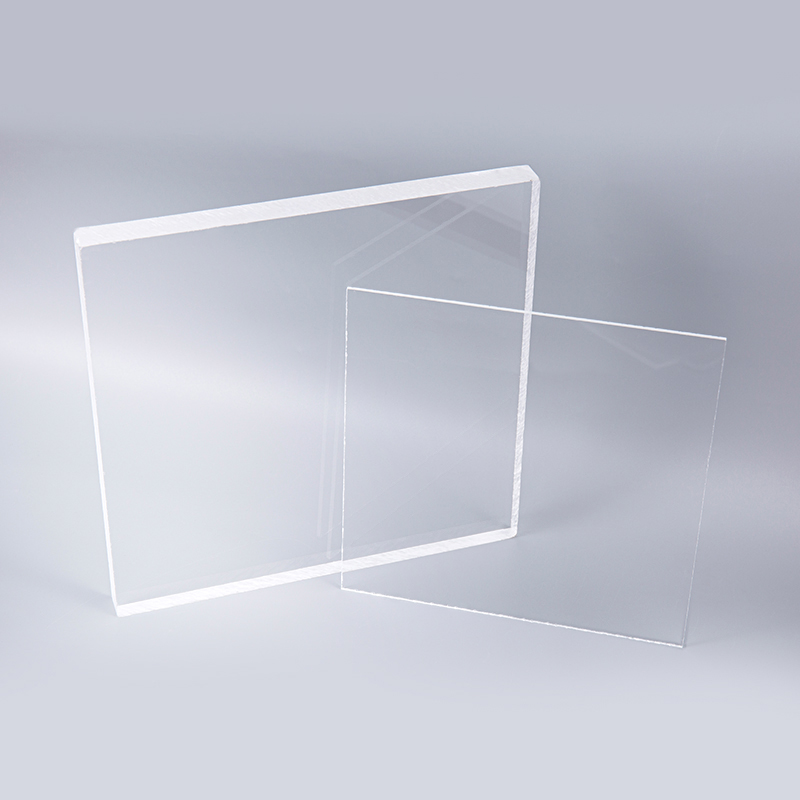
High-Strength Clear Acrylic Sheet
One of Oleg's popular products is the clear acrylic sheet, and our strong production capacity ensure...



Content
A signage fabricator in Dubai orders 300 sheets of 5 mm cast acrylic in clear, then learns the client wanted the soft glow behind a reception desk. Polished clear sheet shows nothing in daylight, and the diffused look in the design sketch needed a matte surface. The rip-out cost more than the material.
Clear, colored, and frosted acrylic sheets are all cast polymethyl methacrylate (PMMA). Only two things change between them: whether pigment is dispersed in the resin, and whether one or both surfaces are etched into a matte finish. Those two variables move light transmission from about 92 percent down to under 5 percent, decide whether a fingerprint disappears or glares, and swing the price by 15 to 40 percent.
Definition: clear, colored, and frosted acrylic sheets share the same PMMA base polymer. Clear sheet transmits light with under 1 percent haze, colored sheet filters specific wavelengths through pigment, and frosted sheet scatters light through a matte surface layer.
The difference is optical, not chemical. Clear sheet is polished and unpigmented, colored sheet carries pigment through the full thickness, and frosted sheet is textured on one or both faces. For a 5 mm cast sheet, the numbers separate quickly.
| Sheet type | Light transmission | Haze | Relative price | Typical use |
| Clear cast | 90 to 92 percent | Under 1 percent | 1.0 | Glazing, displays, edge-lit signage |
| Colored, translucent | 40 to 75 percent | 10 to 40 percent | 1.15 to 1.3 | Backlit signs, design panels |
| Colored, opaque | Under 5 percent | Not applicable | 1.15 to 1.3 | Lettering, cladding, furniture |
| Frosted, single-sided | 80 to 85 percent | 30 to 50 percent | 1.2 to 1.4 | Light diffusers, lampshades |
| Frosted, double-sided | 60 to 75 percent | 60 to 80 percent | 1.25 to 1.45 | Partitions, privacy screens |
Rule of thumb: if the panel must be seen through, choose clear. If the panel must be seen, choose colored. If light must pass evenly through it, choose frosted.
Clear cast acrylic is the most transparent option, transmitting up to 92 percent of visible light, slightly ahead of standard soda-lime glass at roughly 90 percent while weighing about half as much.
The trade-off is honesty. A polished clear face reveals every scratch, dust particle, and fingerprint, offers zero privacy, and on sheets thicker than 20 mm picks up a faint blue-green edge tint where the light path lengthens inside the polymer.
That is exactly why clear sheet dominates applications where the material should disappear: museum vitrines, machine guards, edge-lit sign faces, and architectural glazing.
Purchase note: clear sheet behaves like a commodity, so it is usually the cheapest of the three per kilogram. Supplier differences show up in thickness tolerance and haze control rather than in the polymer itself.
Colored acrylic is clear PMMA with pigment or dye dispersed through the resin before the sheet is cast. The pigment absorbs part of the visible spectrum, so a 3 mm translucent red sheet can transmit 40 to 60 percent of visible light while still reading as intensely saturated.
Shade consistency is the real specification risk, because the final color depends on pigment loading inside the sheet. Approve against a physical sample and a published color catalog rather than a screen image, and state the maximum acceptable color difference between production batches in writing.
Colored sheet typically costs 15 to 30 percent more than clear at the same thickness, and minimum order quantities climb sharply with non-standard or custom-matched shades.
Frosted acrylic is clear or colored PMMA whose surface is matte, produced by chemical etching, sandblasting, or a textured mold. That rough layer scatters incoming light, turning a bright point source into an even glow and blocking a clear line of sight through the panel.
The second matte face changes privacy performance more than most buyers expect; the mechanics of that are covered in this guide to double-sided frosted acrylic for privacy protection.
Frosted surfaces hide fingerprints and minor scratches far better than polished clear, which makes them the practical choice for high-touch fixtures in retail, hospitality, and office interiors.
Beyond raw transmission, the deciding factors are how each surface ages, how it behaves during fabrication, and what it costs per kilogram.
| Attribute | Clear | Colored | Frosted |
| Light transmission | 90 to 92 percent | 5 to 75 percent by pigment load | 60 to 85 percent by faces |
| Edge glow | Strong and sharp | Colored glow | Soft and faint |
| Scratch visibility | High | Medium | Low |
| Fingerprint visibility | High | Medium | Low |
| Solvent cementing | Invisible joint | Joint can lighten | Joint shows a haze line |
| Thermoforming | Excellent | Excellent | Texture may smooth out |
| Relative price | 1.0 | 1.15 to 1.3 | 1.2 to 1.45 |
The most common specification mistake is choosing a finish for its appearance and testing it under real light only after the panels are cut.
Work from the light source backward to the sheet, not from a color swatch forward to a project.
Thickness, finish, and shade must be approved as one specification. Approving them in three separate emails is how mismatched panels reach a job site.
Once the finish is settled, the risk shifts from optics to consistency. Cast sheet produced to the GB/T 7134-2008 premium grade normally holds thickness within about plus or minus 5 percent, but batch-to-batch shade drift is the defect buyers notice first.
Capacity is a reasonable proxy for delivery reliability on large programs. OLEG (Hangzhou Oleg International Trade Co., Ltd.) has manufactured cast acrylic sheet since 2013, runs six casting lines at its Huzhou plant with 35,000 tonnes of annual capacity, and started a second plant in Jingmen, Hubei in 2025 with eight lines and a designed capacity of 45,000 tonnes.
Keep one production sample from the exact batch family you will order in, and store it as the reference standard. Written tolerances on paper rarely settle a shade dispute.
Yes. The base sheet is the same cast PMMA, so impact resistance is essentially unchanged. A matte surface actually hides the small scratches that a polished clear face would show after the same handling.
Colored cast sheet with UV stabilizers holds color and gloss for years in direct sun. Standard pigmented grades without stabilizers fade faster, so specify UV resistance for any facade, canopy, or sign with permanent exterior exposure.
Clear is almost always the cheapest per kilogram because it contains no pigment and requires no secondary surface process. Colored adds roughly 15 to 30 percent, and frosted adds 20 to 45 percent depending on whether one or both faces are textured.
A single-sided frosted sheet at 5 mm transmits about 80 to 85 percent of visible light, and a double-sided frosted sheet about 60 to 75 percent. Most of the remainder is scattered rather than absorbed, which is why the panel glows evenly instead of turning dark.
Choosing between clear, colored, and frosted acrylic sheet is a lighting decision first and a color decision second.
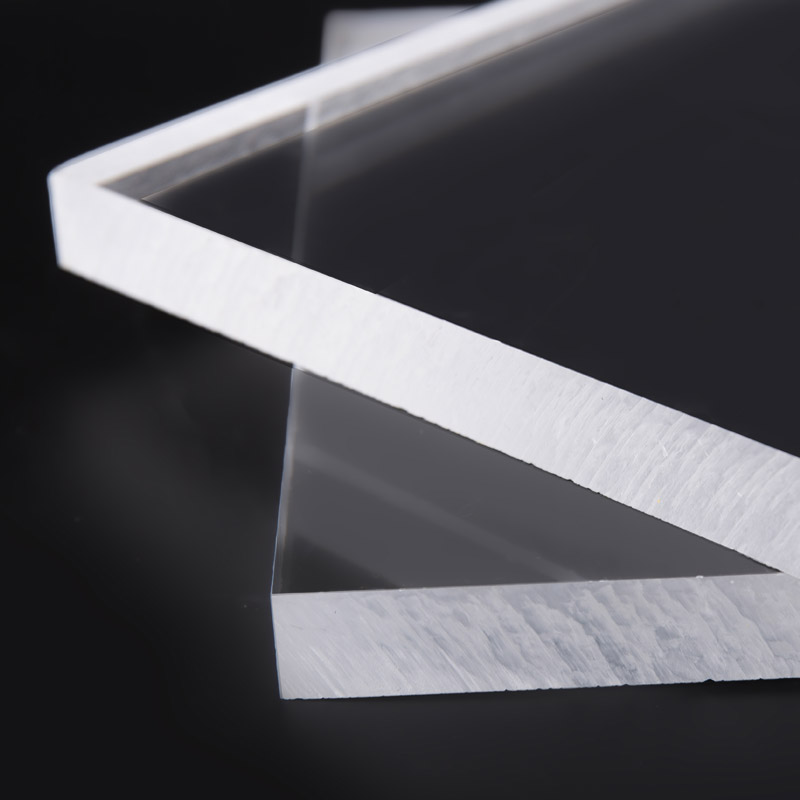
One of Oleg's popular products is the clear acrylic sheet, and our strong production capacity ensure...
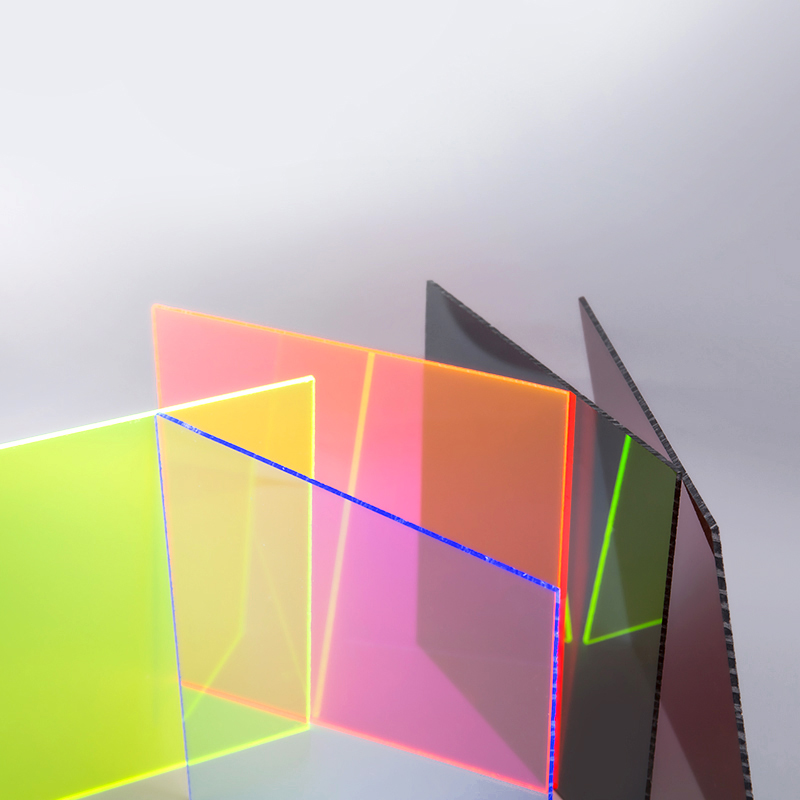
Oleg's products, whose raw material is virgin from Mitsubishi. OLEG is one of the TOP 5 cast acrylic...
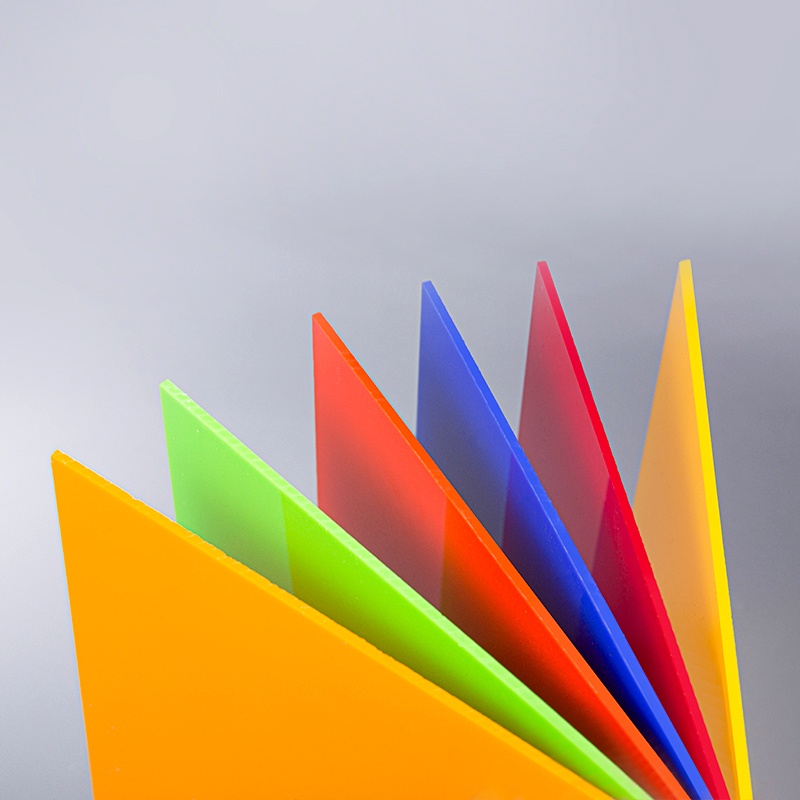
OLEG’s product, whose raw material is virgin from Mitsubishi. The color is highly uniform, pure and...
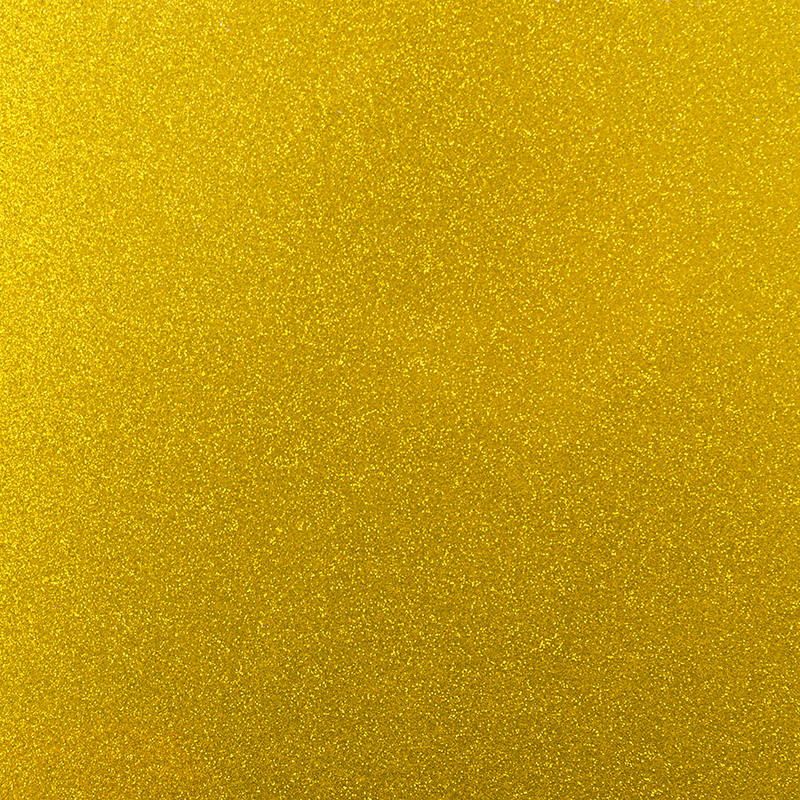
Golden acrylic sheet has tiny gold glitters in the material, which cause a luxurious effect. • Relia...
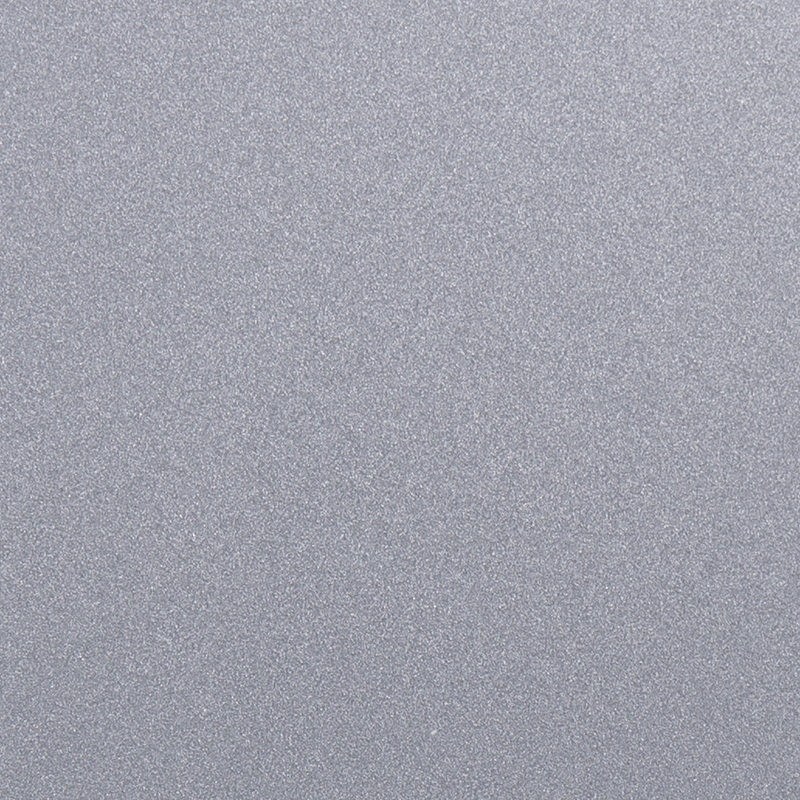
Silver acrylic sheet has tiny silver glitters in the material, which creating an elegant effect. • A...
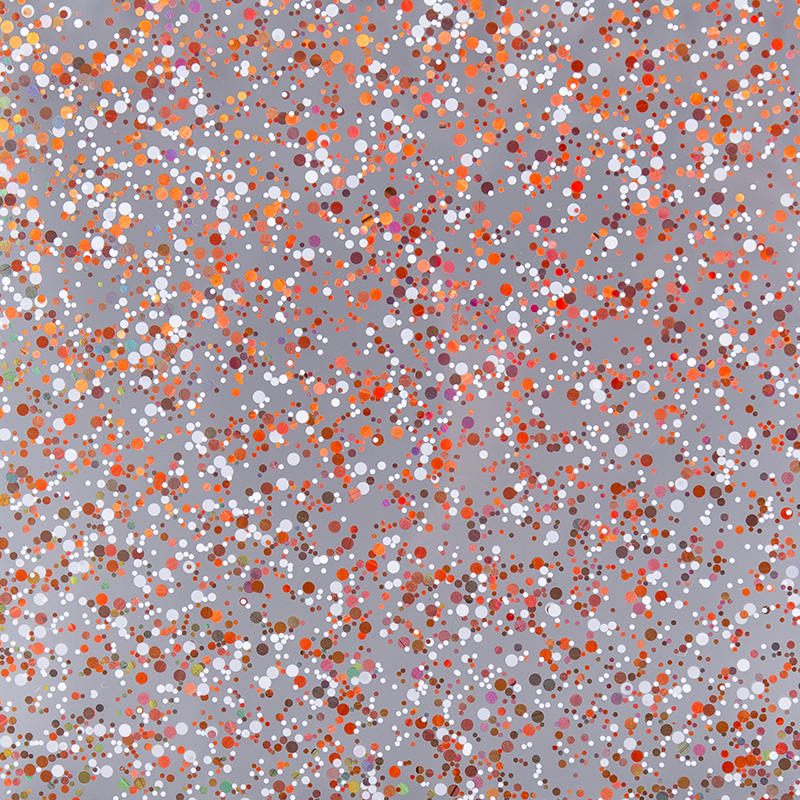
Tiny colored glitters are added to the transparent material to create a colorful and joyful visual e...
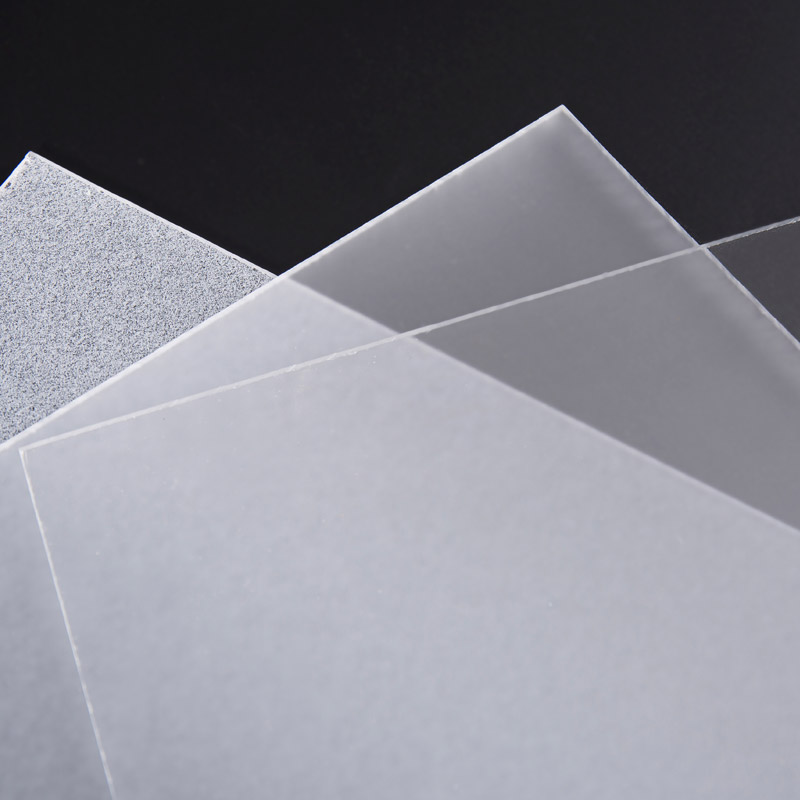
OLEG is a professional manufacturer of cast acrylic sheet, offering high quality products, attractiv...
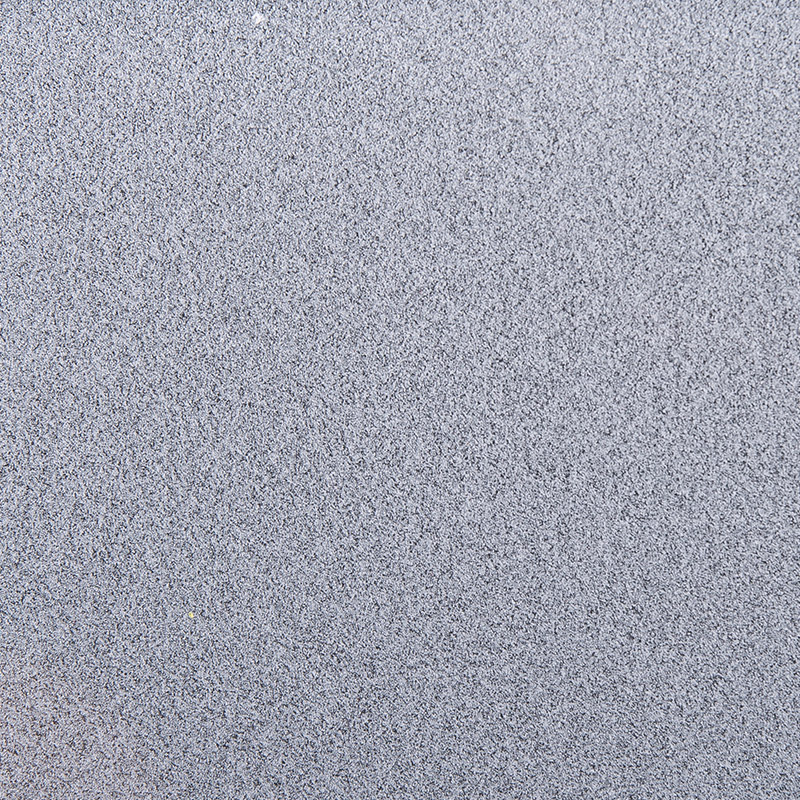
OLEG double side frosted acrylic sheet features a matte finish on both sides. Its modern appearance ...
• UV Resistance: Resistant to degradation from UV light, maintains its original color and clarity ov...

