

 English
 عربى
 Español

High-Strength Clear Acrylic Sheet
One of Oleg's popular products is the clear acrylic sheet, and our strong production capacity ensure...



Content
A signage fabricator in Dubai replaced 42 outdoor light-box faces in the summer of 2022. Twenty-six months later, 31 of them had turned the color of weak tea, and the client refused the invoice. Nothing was wrong with the installation. The panels were standard cast acrylic, and ultraviolet radiation did exactly what it does to unstabilized PMMA. The same job specified in UV-resistant acrylic would still be running the original panels today.
That single difference decides most outdoor acrylic projects. UV-resistant acrylic sheets and standard acrylic sheets come off the same casting line, look identical on the rack and sit within 15 to 30 percent of each other on price. What separates them is the additive package inside the polymer and how long the panel survives ultraviolet exposure, which in high-radiation climates is measured in months rather than decades.
UV-resistant acrylic outlasts standard acrylic outdoors by roughly three to five times, and the gap widens as ultraviolet intensity rises. In hot, high-altitude or desert climates, standard cast sheet is normally replaced at three to five years, while UV-resistant cast sheet holds its clarity for ten to fifteen.
The difference is not thickness or weight. A 5 mm standard panel and a 5 mm UV-resistant panel have identical stiffness and impact strength on day one. By year four, the standard panel has lost 20 to 30 percent of its impact strength along with its clarity, because the same ultraviolet energy that yellows the surface is also cutting polymer chains through the full thickness of the sheet.
| Performance metric | Standard cast acrylic | UV-resistant cast acrylic |
| Visible yellowing starts | 12 to 24 months | 5 to 7 years |
| Yellowness index after five years | 10 to 14 | 2 to 3 |
| Light transmission after five years | 76 to 80 percent | 88 to 91 percent |
| Impact strength retained after five years | 70 to 80 percent | 92 to 95 percent |
| Typical replacement cycle | 3 to 5 years | 10 to 15 years |
| Relative material cost | Baseline | Plus 15 to 30 percent |
| Best fit | Interior and short-cycle work | Exteriors, glazing, shelters |
Those figures come from accelerated weathering tests and field replacement records for cast PMMA sheet. Climate shifts the curve by years rather than months: the same panel that fails at four years in Dubai or Phoenix can reach seven years in Sydney or Johannesburg. Expected service life is a local number, so it has to be specified locally. Our own cast acrylic durability data follows the same pattern across both climates.
Standard acrylic yellows because ultraviolet photons in the 300 to 350 nanometer band carry enough energy to break carbon-carbon bonds in the PMMA backbone, and the oxidation products that form absorb blue-violet light.
UV-resistant acrylic is cast polymethyl methacrylate, or PMMA, with UV-absorbing additives and hindered amine light stabilizers dispersed through the entire sheet thickness, not applied as a surface coating that can wear, scratch or wash off.
The mechanism is straightforward. A UV photon strikes the polymer, a backbone bond breaks, and the fragment becomes a free radical. Oxygen from the air attaches to that radical, and the chain reaction produces carbonyl and hydroperoxide groups. Those groups absorb light between 380 and 420 nanometers, which is the violet end of the visible spectrum, so the panel reflects yellow while still passing most other wavelengths. Because the damage runs through the full section, cleaning, polishing and buffing restore nothing.
Yellowness index after outdoor exposure, typical cast acrylic values
Yellowing is not a surface stain. Once carbonyl groups form inside the polymer backbone, no polish, cleaner or coating removes them. Replacement is the only fix.
You cannot identify UV resistance by eye, weight or thickness. You identify it from the supplier's additive disclosure and weathering test data.
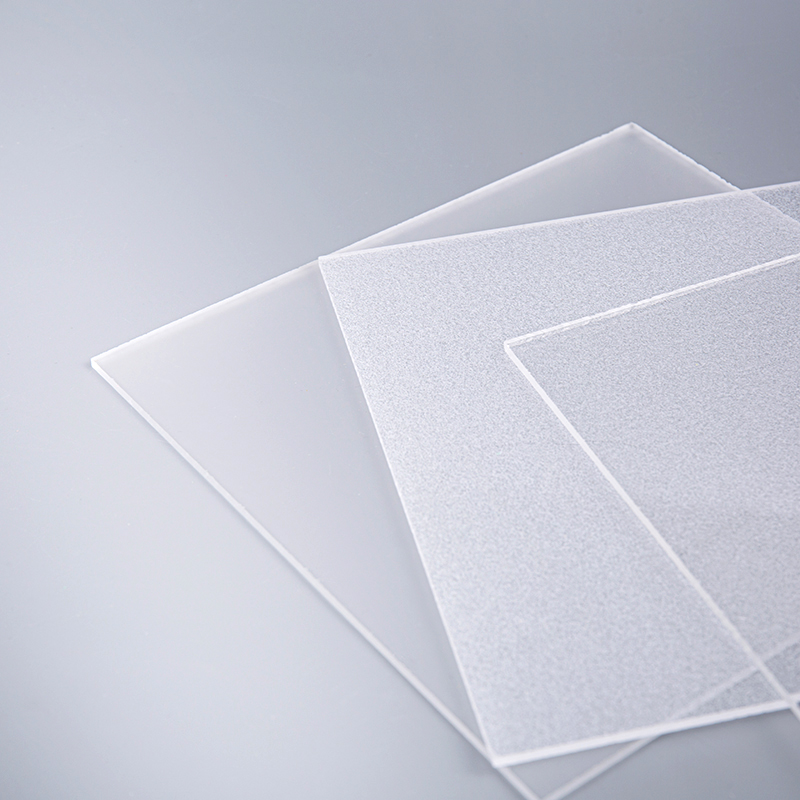 UV Resistance Acrylic Sheet SupplierUV Resistant Acrylic Sheet, as a high-performance transparent material, is designed to resist UV erosion and exhibits optical properties and weather resistance. OLEG U...View Product →
Grade selection also depends on the job. A coastal signage programme, an architectural canopy and an interior light diffuser need three different specifications, which is why the acrylic application guide separates them by exposure and load rather than by sheet thickness alone.
For installed outdoor work, UV-resistant acrylic usually costs less over ten years despite a 15 to 30 percent higher material price, because removal and refitting labour typically runs two to three times the cost of the sheet itself.
Standard cast acrylic
UV-resistant cast acrylic
The arithmetic only reverses when the panel is not really outdoors. Interior displays, protected atria and covered walkways see a fraction of the outdoor UV dose, and there the cheaper sheet delivers the same appearance for the life of the fixture.
Indoors, standard cast acrylic is usually the better buy. Window glass filters nearly all ultraviolet light below 350 nanometers, so interior panels receive a small fraction of the outdoor dose.
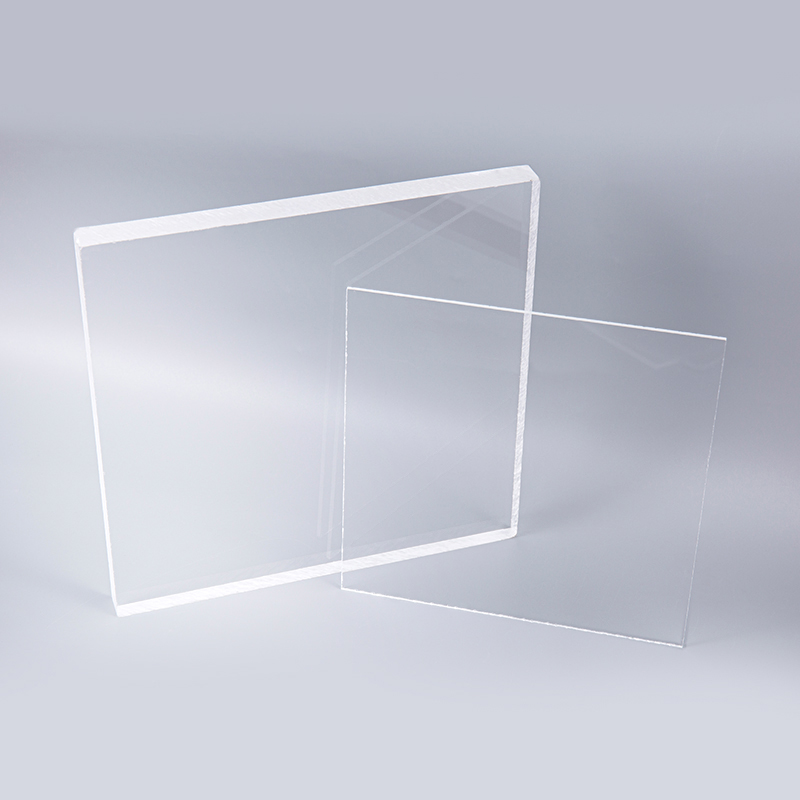 Clear Acrylic Sheet Supplier100 percent Virgin Mitsubishi MaterialsView Product →
Standard clear cast sheet still delivers around 92 percent light transmission and half the weight of glass, so nothing is lost on appearance indoors. The premium buys only one thing: resistance to ultraviolet degradation. If ultraviolet is not in the picture, the premium buys nothing.
Five specification decisions decide whether a UV-resistant panel reaches ten years or fails at four, and only the first one concerns the material itself.
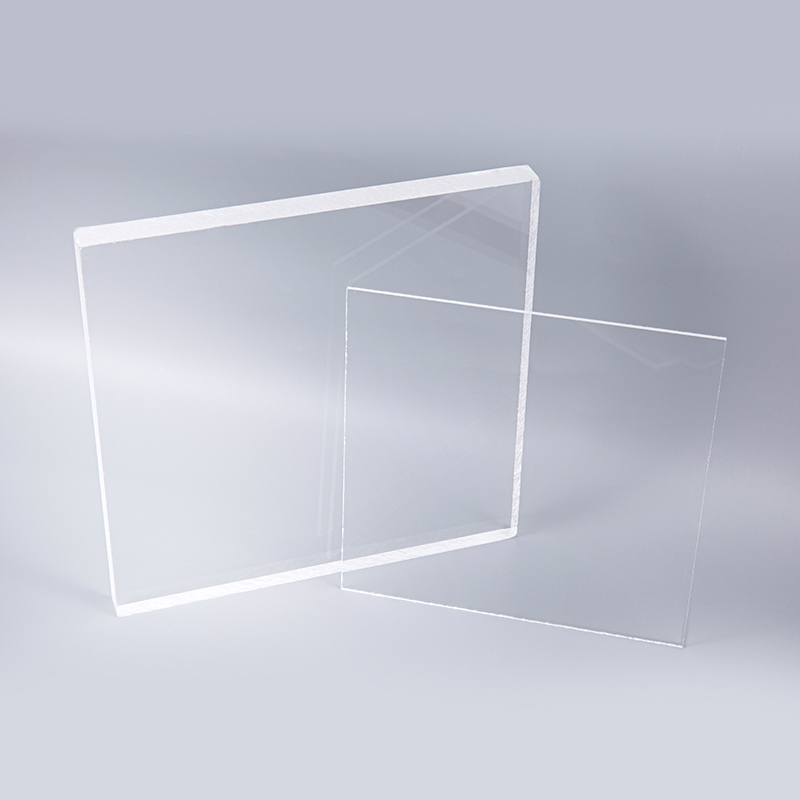 Anti-UV Cast Acrylic Sheet• UV Resistance: Resistant to degradation from UV light, maintains its original color and clarity over time without fading or yellowing.View Product →
Ten to fifteen years in most climates, and eight to twelve in extreme ultraviolet zones such as desert or high-altitude sites. The limiting factor is usually the fixing detail rather than the sheet, because stress cracking at over-tightened fasteners ends a panel's life before yellowing does.
Applied films and aftermarket coatings slow yellowing, but they scratch, lift at edges and need re-application every few years. Bulk-stabilized cast sheet is the only specification that protects the full panel thickness and the machined edges.
Yes, but slowly. A stabilized cast sheet typically measures a change in yellowness index of 2 to 3 after five years outdoors, against 10 to 14 for standard sheet over the same period. That difference is invisible in normal viewing and does not affect light transmission.
Outdoors, almost always. The 15 to 30 percent material premium disappears after the first avoided replacement, because stripping and refitting a panel usually costs two to three times the price of the sheet. Indoors, standard cast acrylic delivers the same appearance and the same service life.
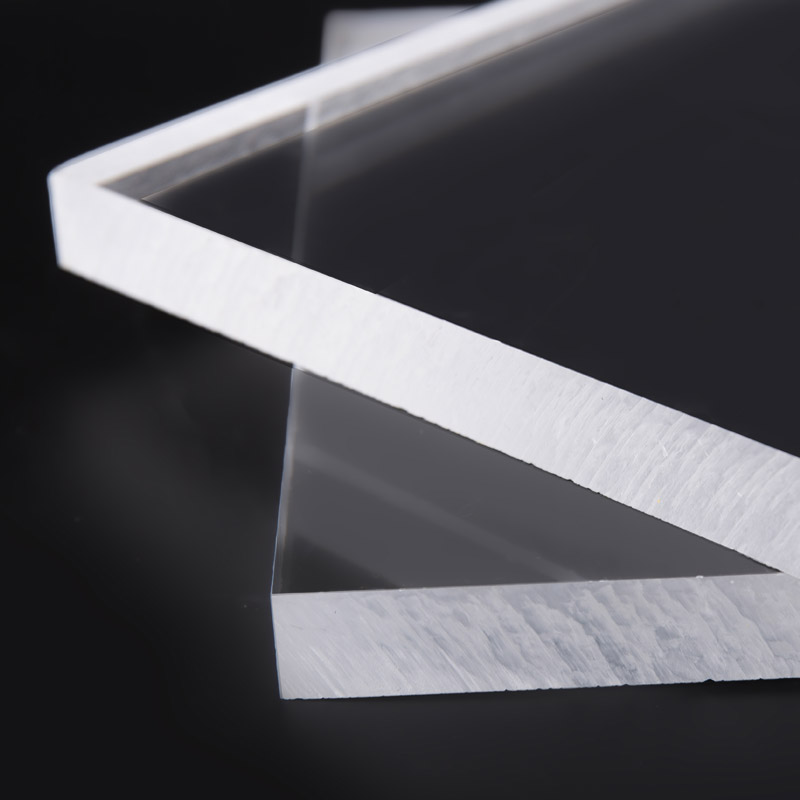
One of Oleg's popular products is the clear acrylic sheet, and our strong production capacity ensure...
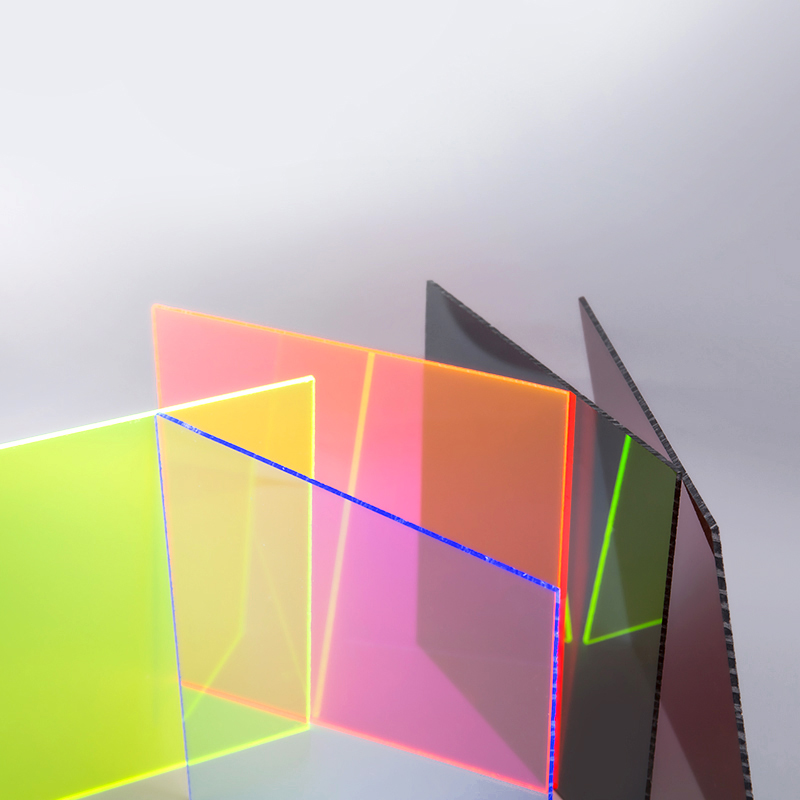
Oleg's products, whose raw material is virgin from Mitsubishi. OLEG is one of the TOP 5 cast acrylic...
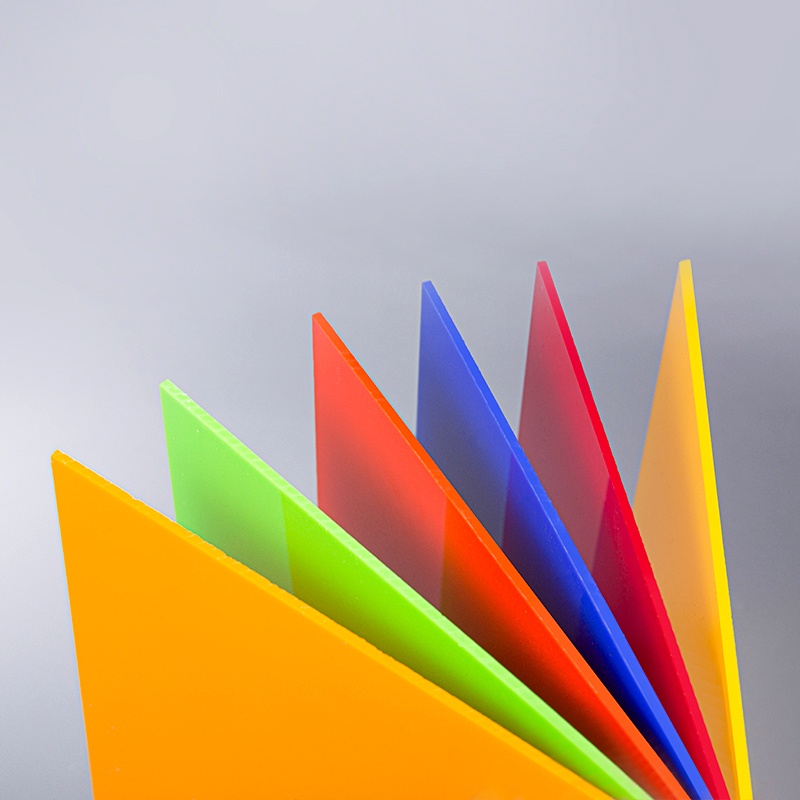
OLEG’s product, whose raw material is virgin from Mitsubishi. The color is highly uniform, pure and...
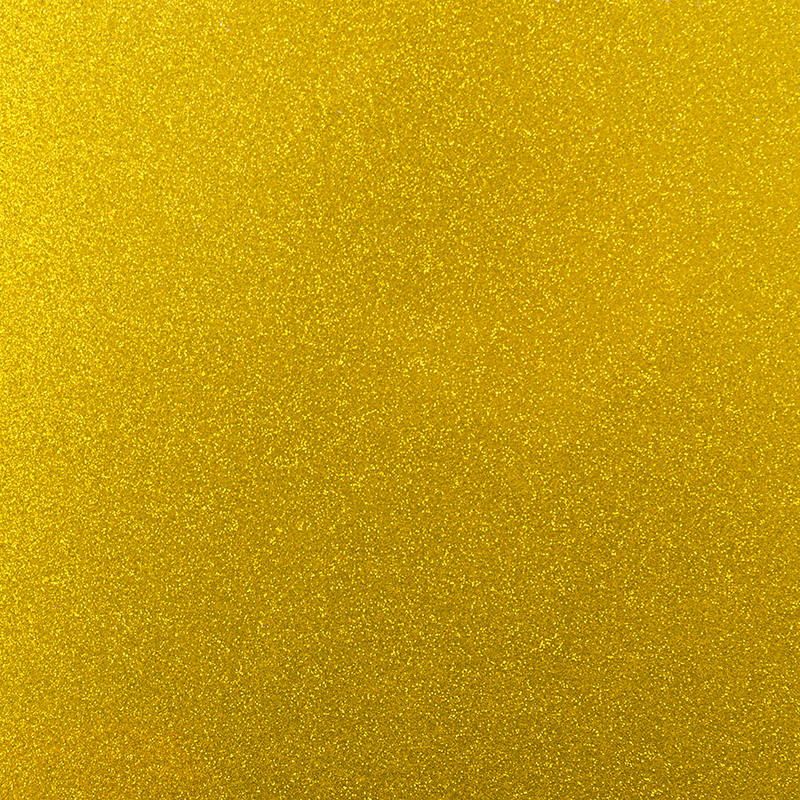
Golden acrylic sheet has tiny gold glitters in the material, which cause a luxurious effect. • Relia...
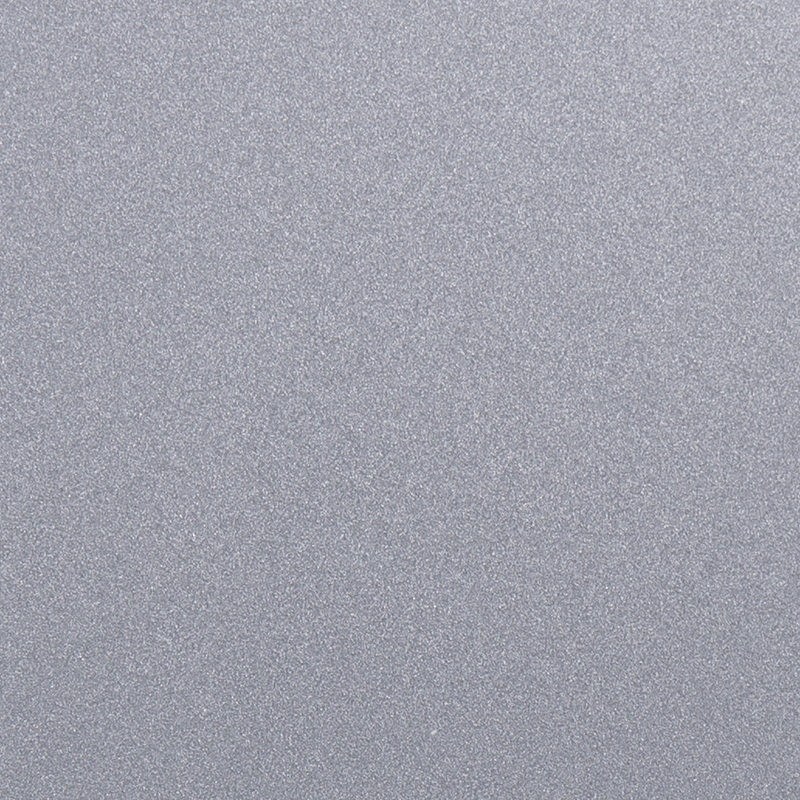
Silver acrylic sheet has tiny silver glitters in the material, which creating an elegant effect. • A...
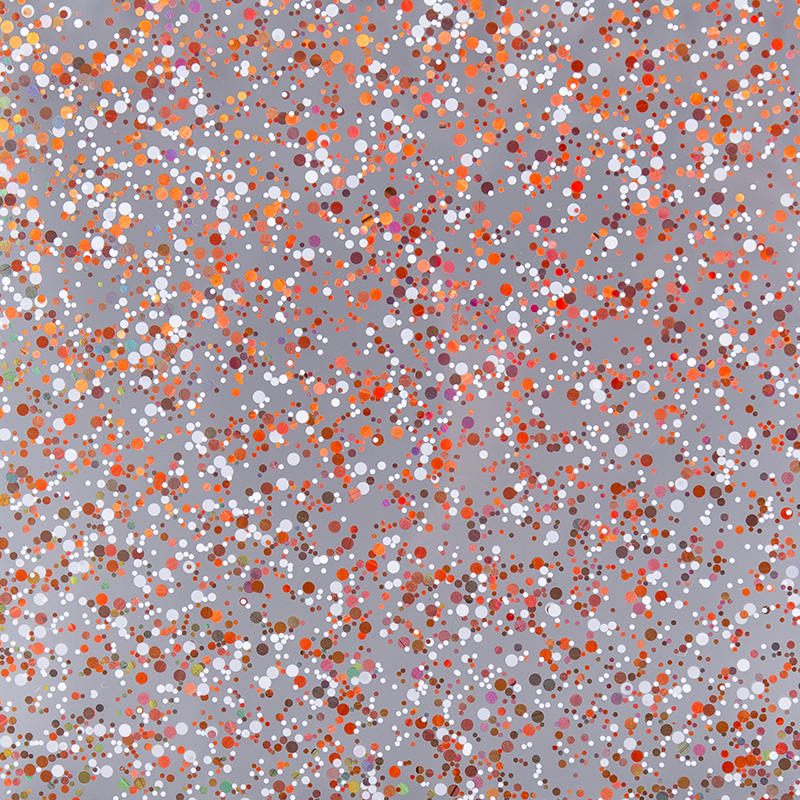
Tiny colored glitters are added to the transparent material to create a colorful and joyful visual e...
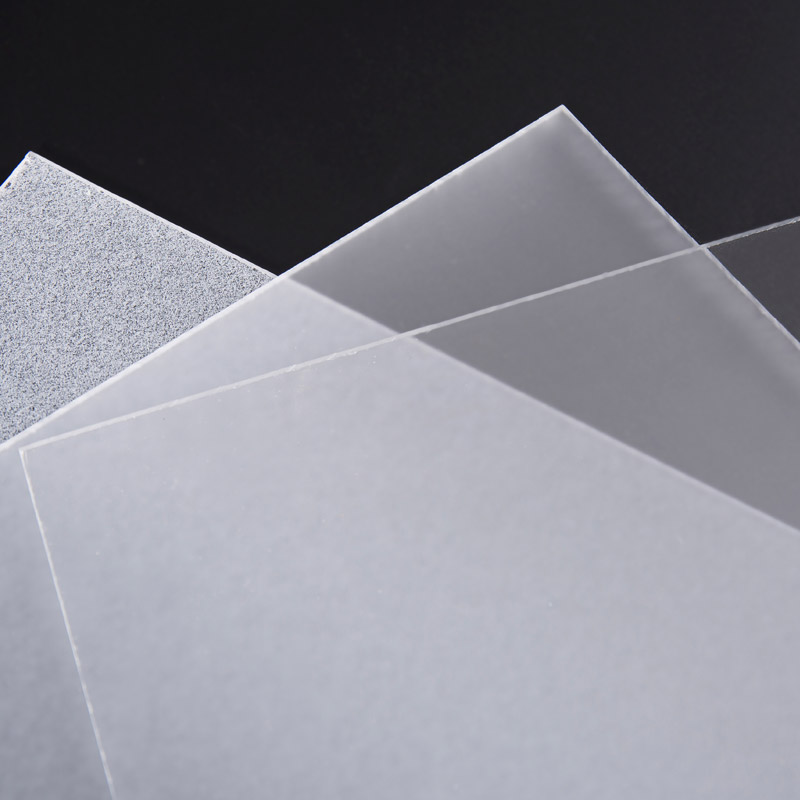
OLEG is a professional manufacturer of cast acrylic sheet, offering high quality products, attractiv...
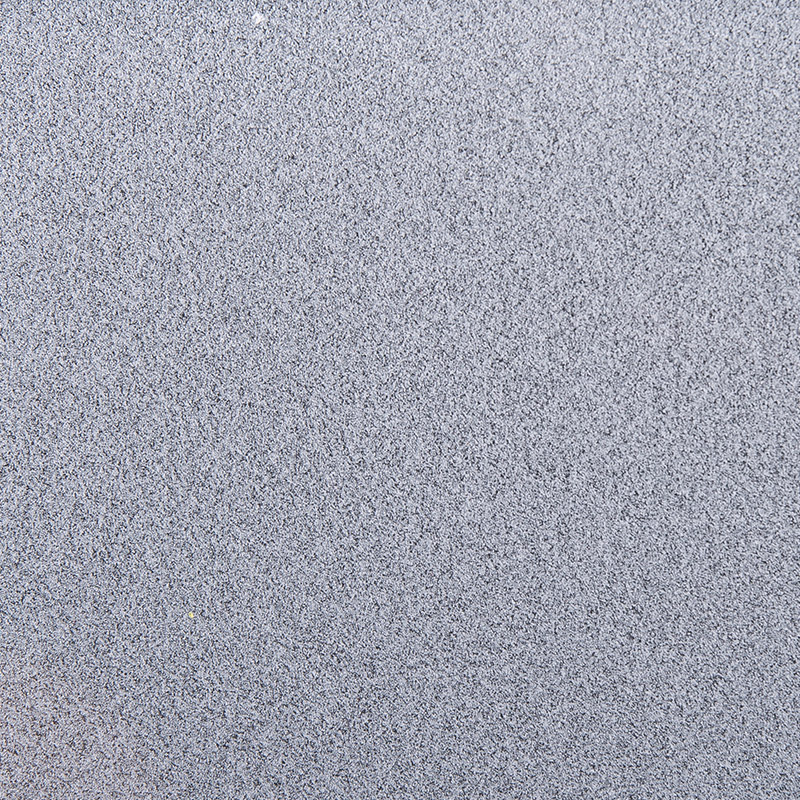
OLEG double side frosted acrylic sheet features a matte finish on both sides. Its modern appearance ...
• UV Resistance: Resistant to degradation from UV light, maintains its original color and clarity ov...

