

 English
 عربى
عربى Español
High-Strength Clear Acrylic Sheet
One of Oleg's popular products is the clear acrylic sheet, and our strong production capacity ensure...



Content
Two cast acrylic sheets can come from the same production run, with the same thickness and the same impact strength, yet one will make a partition look like a clear glass wall and the other will turn a lamp into a soft, even glow. The difference is only in the surface finish, and it matters more than most design briefs acknowledge. For a buyer, the real question is not which material is better, but which finish solves the project's light and privacy requirements without adding fabrication risk or maintenance cost. This guide compares the two finishes using real production values so you can specify with confidence before placing a purchase order.
Clear acrylic and frosted acrylic are both cast PMMA sheets, and neither is a better material in absolute terms. The difference lies in how the surface treats light. A clear cast acrylic sheet transmits about 92 percent of visible light and reaches haze below 1 percent. A frosted sheet scatters the same light through a matte surface, reducing glare, softening shadows, and cutting direct view-through.
The practical consequence is that the first filter for your specification is not colour or thickness, it is light control. Ask what the light must do. If it has to pass through without changing direction, choose clear. If it has to spread evenly across a surface or hide what is behind it, choose frosted. In some applications, the decision is obvious. In others, both finishes can technically work, and the final choice is made by a small visual difference, such as glare or privacy level.
For that reason, always keep the environment in mind. A clear panel in a south-facing office can create harsh reflections, while a frosted panel in a corridor often reduces the need for blinds. If the material will be backlit, the roughness of the frosted surface determines how evenly the lit area appears.
Choose clear acrylic when the project requires visible clarity. Museum display cases, retail shelving, clear signage, and architectural glazing all depend on the ability to see through the material with minimal distortion. A well-made clear cast sheet delivers optical clarity close to glass while weighing roughly half as much. That combination is one of the reasons high-strength clear acrylic is specified for shelving and large-format glazing in public spaces.
Clear sheets are the default when fine details must be seen clearly. Product display stands, art covers, and transparent partitions all start with a polished clear sheet. The surface is cast smooth and remains glossy unless secondary processing scratches it. If you print on the reverse side, a clear base offers a clean canvas for ink adhesion. If you need a transparent colour, the same raw sheet can be tinted or matched to a colour catalogue.
For displays of luxury goods, a clear sheet with no visible internal stress lines is mandatory. Extruded acrylic often shows warpage and wavy distortion; a cast sheet does not show these patterns because of the different production method. That is also why clear cast sheets are preferred when large spans have to stay optically calm.
To understand why cast acrylic delivers such high transparency and how the casting process shapes it, read our technical discussion of cast acrylic sheet transparency.
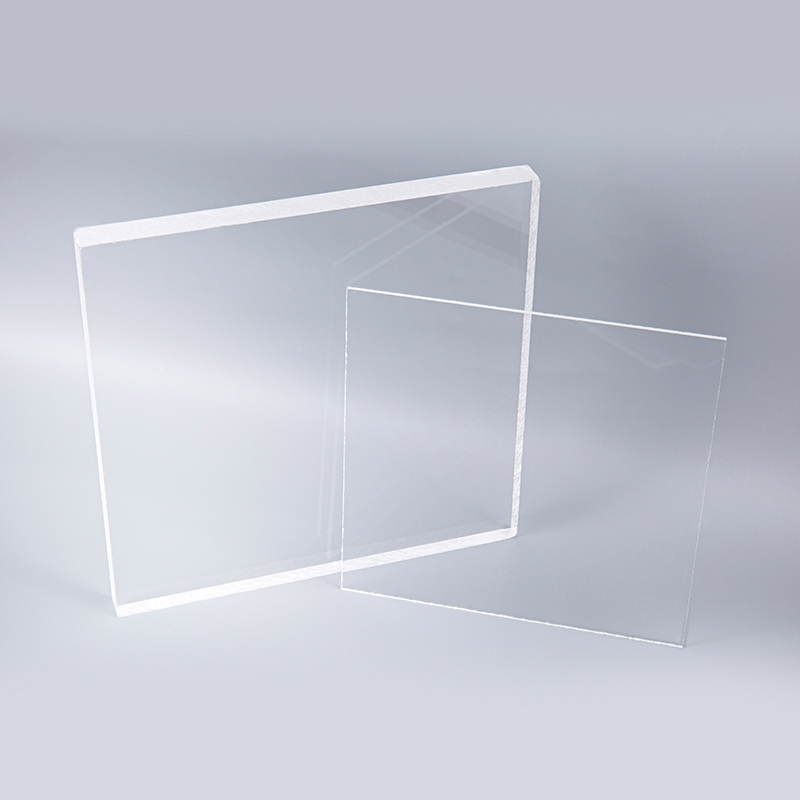 Clear Acrylic Sheet Supplier100 percent Virgin Mitsubishi MaterialsView Product →
Choose frosted acrylic when the project needs even light diffusion or visual privacy. A single-sided frosted sheet has one finished matte surface and one smooth face. The matte side scatters light evenly, which makes it a standard choice for lamp covers, luminaire diffusers, and backlit panel light boxes. The smooth side remains suitable for lamination, adhesion, or ink, giving fabricators one workable surface to build on.
A double-sided frosted sheet softens the view from both directions. In a shared workspace, that turns a partition from a barrier into a quiet source of daylight. Bathroom screens and privacy panels rely on the same principle. If the panel must not show a clear image from either side, specify double-sided frosted.
Frosted finishes also mask fingerprints and minor handling marks far better than a polished clear face. That is a small advantage, but it becomes visible very quickly in high-traffic installations. In production facilities, the matte surface also hides the thin dust traces that gather on polished sheets during transport.
The surface roughness of a cast frosted sheet should be controlled to a narrow range. If roughness is too low, the sheet still shows a clear view. If roughness is too high, light transmission drops too far. OLEG produces both single-sided and double-sided frosted cast acrylic sheets with a controlled finish that keeps haze values stable across a production batch.
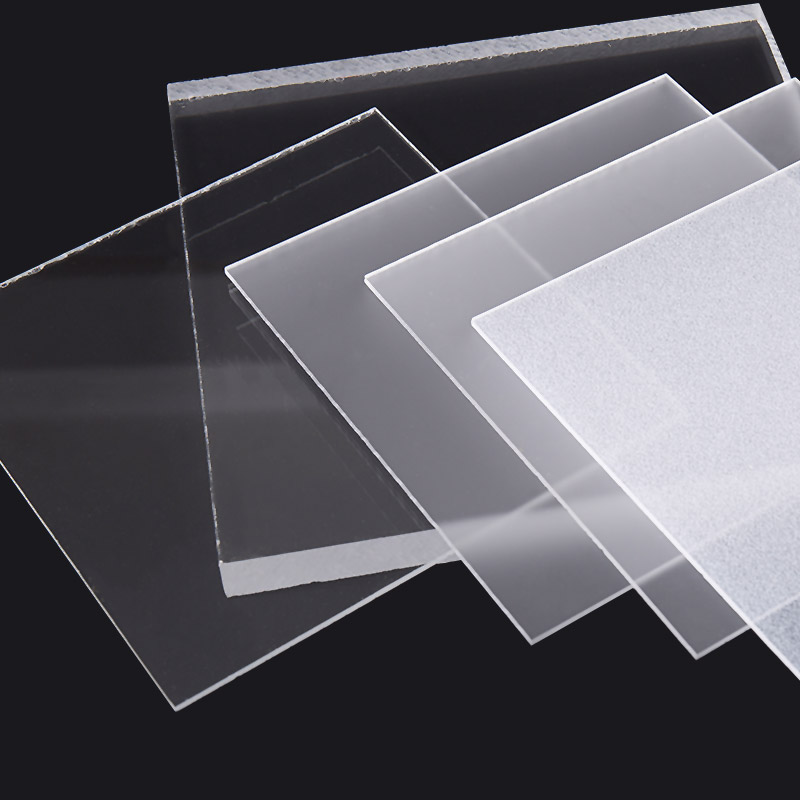 Frosted Clear Acrylic Sheet SupplierFrosted Acrylic Sheet, with its unique texture and wide range of applications, has become the preferred choice of materials for modern decoration and functionality. We...View Product →
Use the table below when comparing quotation sheets from different suppliers. The values represent typical cast acrylic performance after factory surface finishing has been applied. They may shift slightly with sheet thickness, because thicker sheets absorb a little more light, and with colourants, because a tinted sheet reduces transmission in specific wavelengths.
| Property | Clear Acrylic | Frosted Acrylic |
| Light transmission | About 92 percent | About 70 to 80 percent |
| Haze level | Below 1 percent | 15 to 25 percent |
| View-through | Sharp and direct | Blurred and diffused |
| Privacy level | Low | High |
| Reflection appearance | Specular, mirror-like | Diffuse, soft |
| Fingerprint visibility | Visible on polished surface | Less visible |
| Typical application | Display, glazing, signage | Partitions, diffusers, screens |
Both finishes are cast from the same PMMA resin, so thickness, cutting, and drilling behavior are practically identical. A clear sheet and a frosted sheet of the same thickness take the same edge finishing. The differences appear after first contact.
If you sand or grind a polished clear sheet locally, you get a visible matte patch. On a frosted sheet, the surface is already matte, so local sanding is less noticeable. On the other hand, the matte texture catches dust more easily during transport and site storage. For large panels, ask the supplier about protective film and packaging method.
The thickness tolerance also matters. For a long clear partition, visible banding appears if thickness varies across the sheet. Inspect a sample panel before giving the green light for production. OLEG runs six cast lines in Huzhou and eight more in Jingmen, which gives batch consistency for large projects, but a sample still remains the best quality check. If your order includes a custom colour, compare the sample with your reference under the same light source used in the final space.
If you need guidance on mounting or framing these panels, consult the manufacturer's application guide before finalising the design.
Use this sequence when you need to settle the finish choice quickly without second-guessing. It works for both large architectural orders and small production runs.
Yes, but a hand-sanded or media-blasted surface will not match a factory frosted sheet. The factory finish uses a controlled surface roughness that produces consistent haze. For production orders, specify a frosted sheet from the start. If you only need a small section matted, local sanding can work for a prototype.
Frosted acrylic has the same UV stability as clear acrylic because the bulk PMMA material is identical. If the sheet faces direct sunlight for long periods, order an anti-UV cast acrylic sheet to slow yellowing and extend service life. UV protection is a material property, not a surface finish property.
As a bulk material, the scratch resistance is the same. The difference is visibility. A polished clear surface reveals every fine mark because it catches light. A frosted surface hides scratches visually, which makes it protect better in day-to-day use. For heavy-traffic areas, frosted is the safer finish.
Yes. Frosting is a surface treatment, not a colour. OLEG applies the same frosted finish to clear, colour, and glitter sheets, so translucent coloured panels can be produced with a frosted finish. A colour catalogue is available for this purpose.
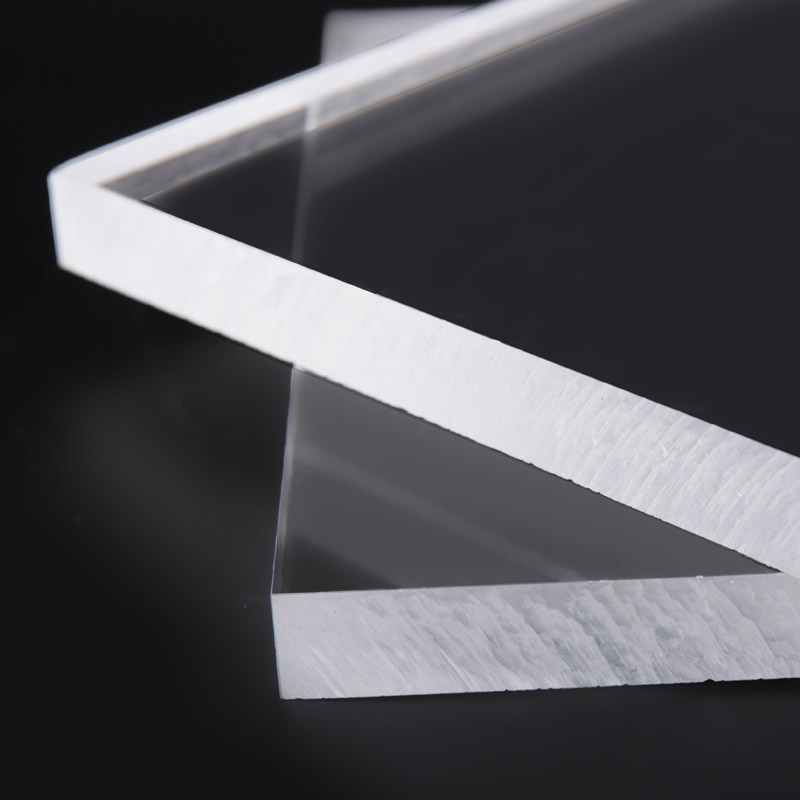
One of Oleg's popular products is the clear acrylic sheet, and our strong production capacity ensure...
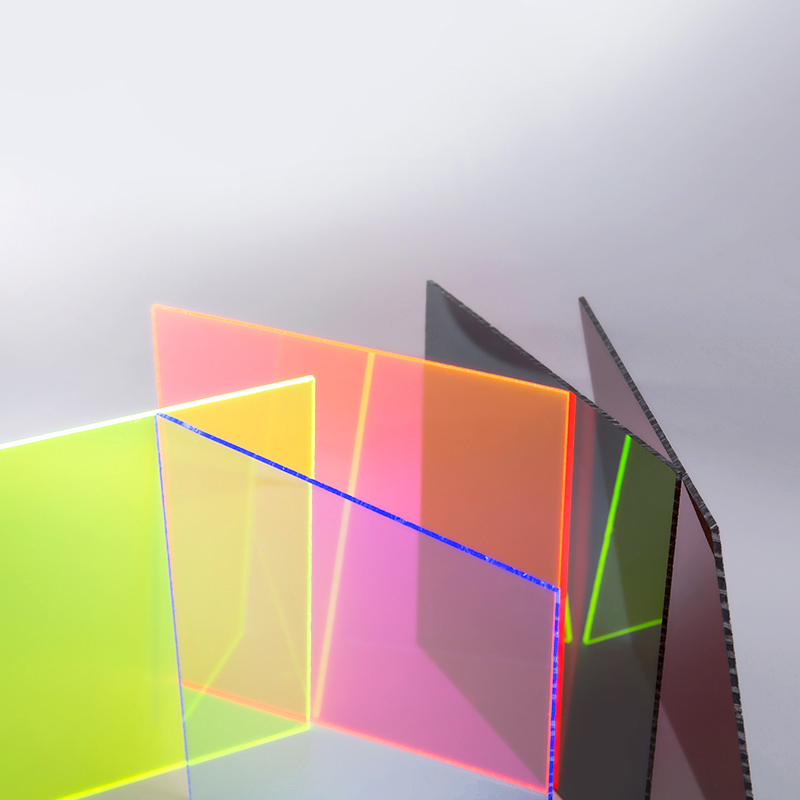
Oleg's products, whose raw material is virgin from Mitsubishi. OLEG is one of the TOP 5 cast acrylic...
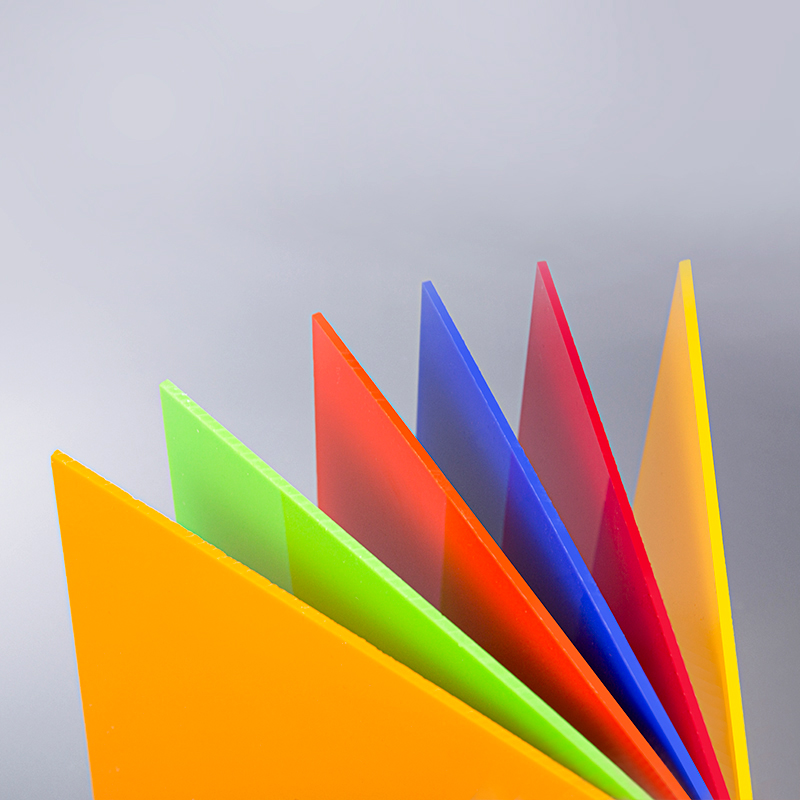
OLEG’s product, whose raw material is virgin from Mitsubishi. The color is highly uniform, pure and...
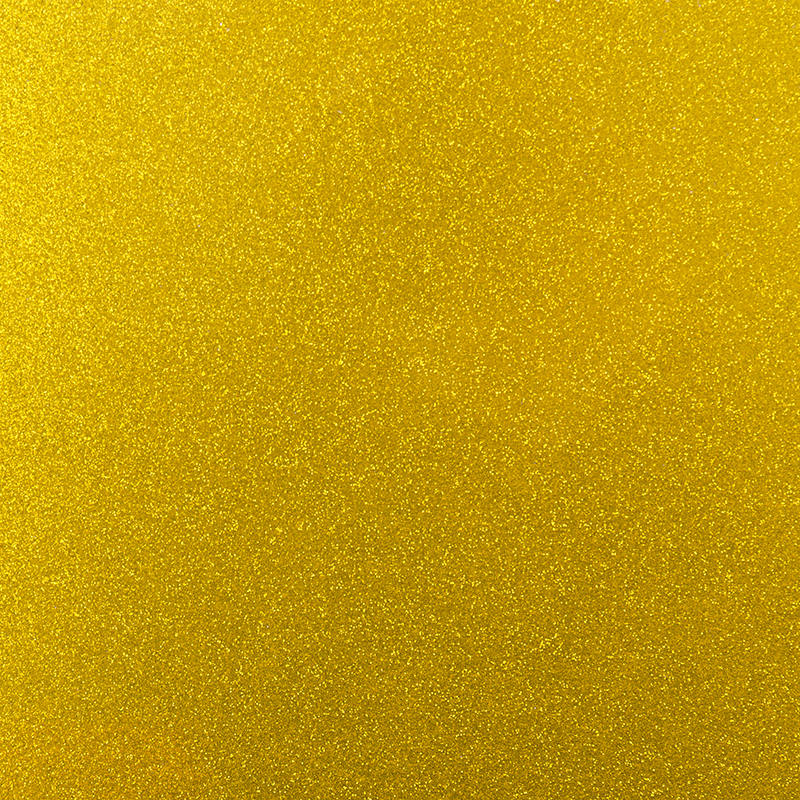
Golden acrylic sheet has tiny gold glitters in the material, which cause a luxurious effect. • Relia...
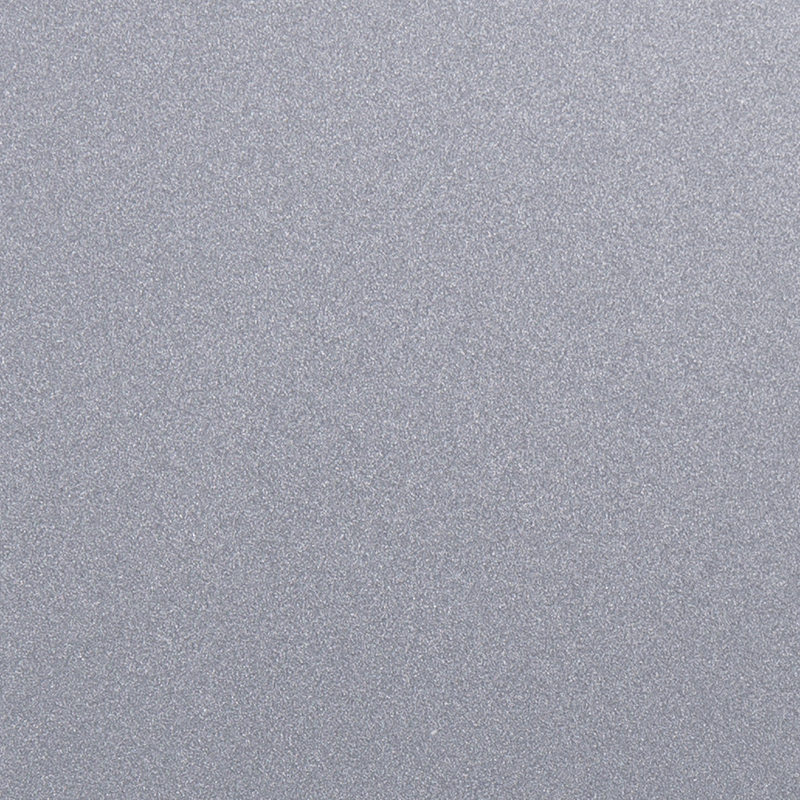
Silver acrylic sheet has tiny silver glitters in the material, which creating an elegant effect. • A...
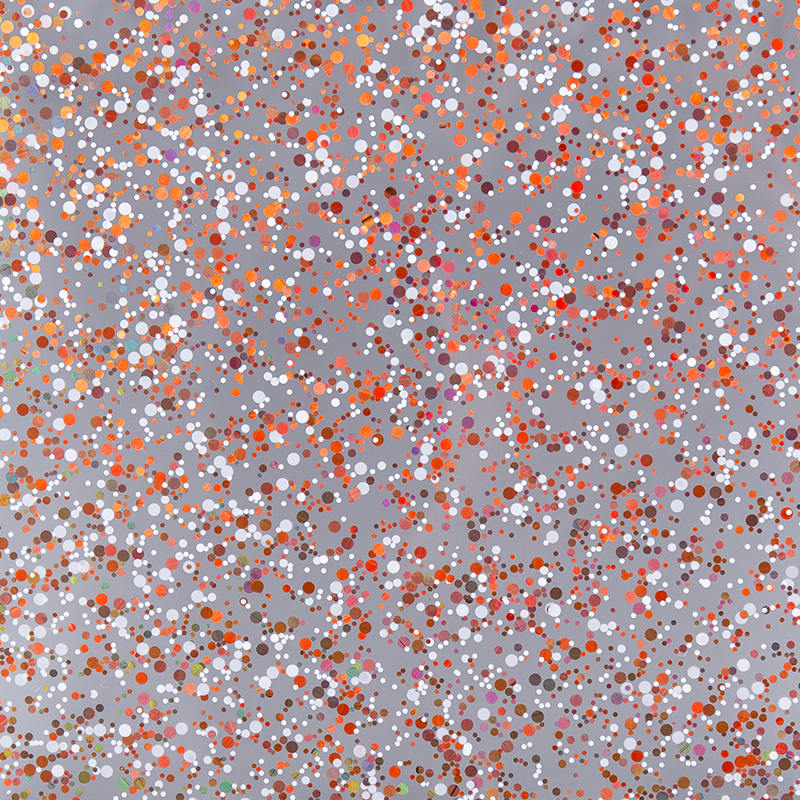
Tiny colored glitters are added to the transparent material to create a colorful and joyful visual e...
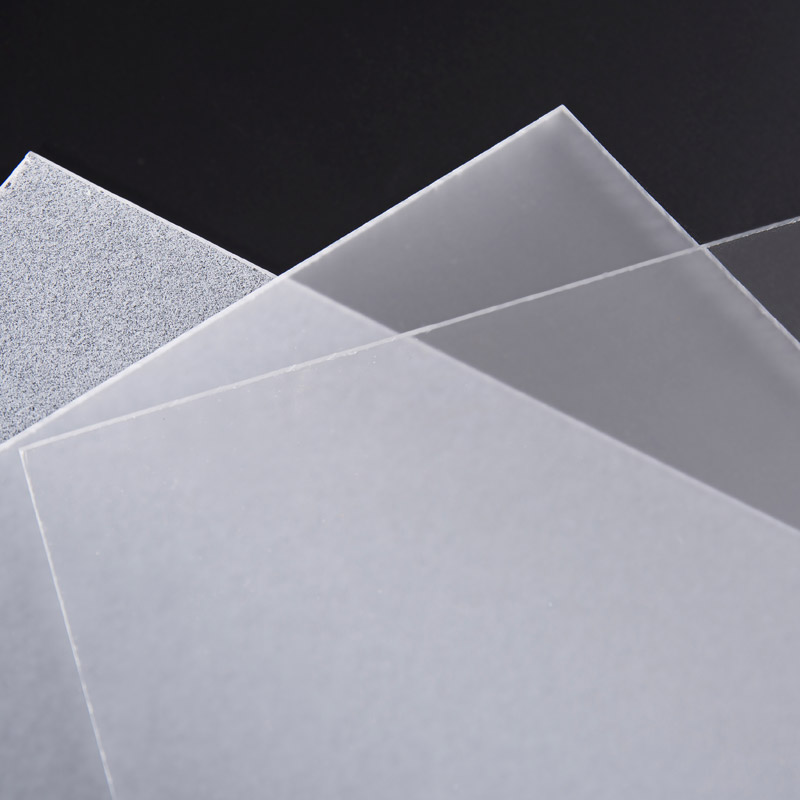
OLEG is a professional manufacturer of cast acrylic sheet, offering high quality products, attractiv...
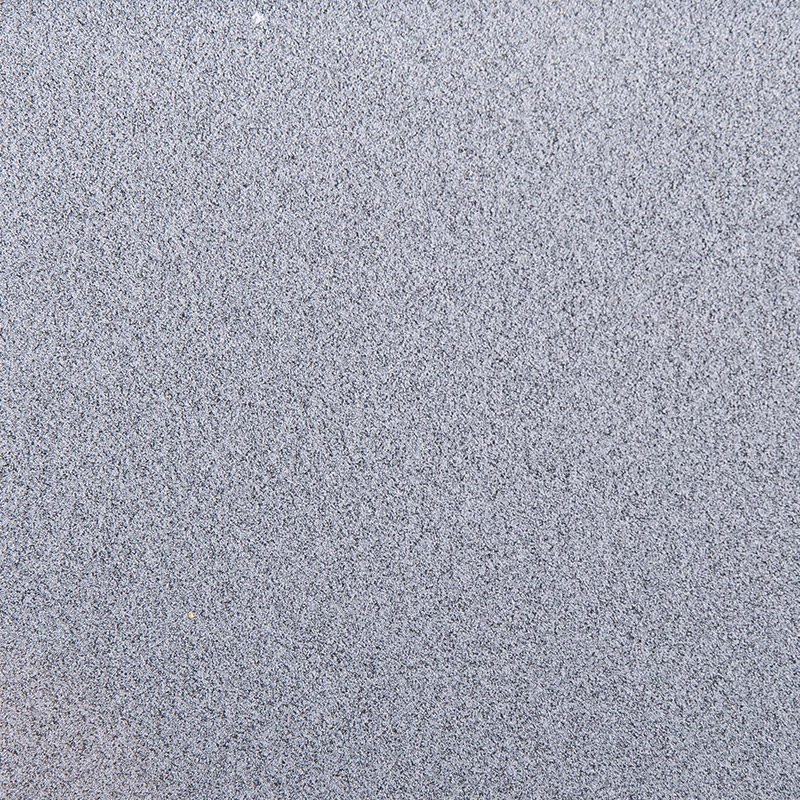
OLEG double side frosted acrylic sheet features a matte finish on both sides. Its modern appearance ...

• UV Resistance: Resistant to degradation from UV light, maintains its original color and clarity ov...

