

 English
 عربى
عربى Español
High-Strength Clear Acrylic Sheet
One of Oleg's popular products is the clear acrylic sheet, and our strong production capacity ensure...



Content
Choosing between standard and UV-resistant acrylic is not about which material is better in general. It is about knowing what will happen to the sheet once it is installed. This guide compares the measurable differences, including yellowing index, light transmission loss, impact strength retention, and the real cost premium, so you can specify the right cast acrylic sheet the first time and avoid a costly premature replacement.
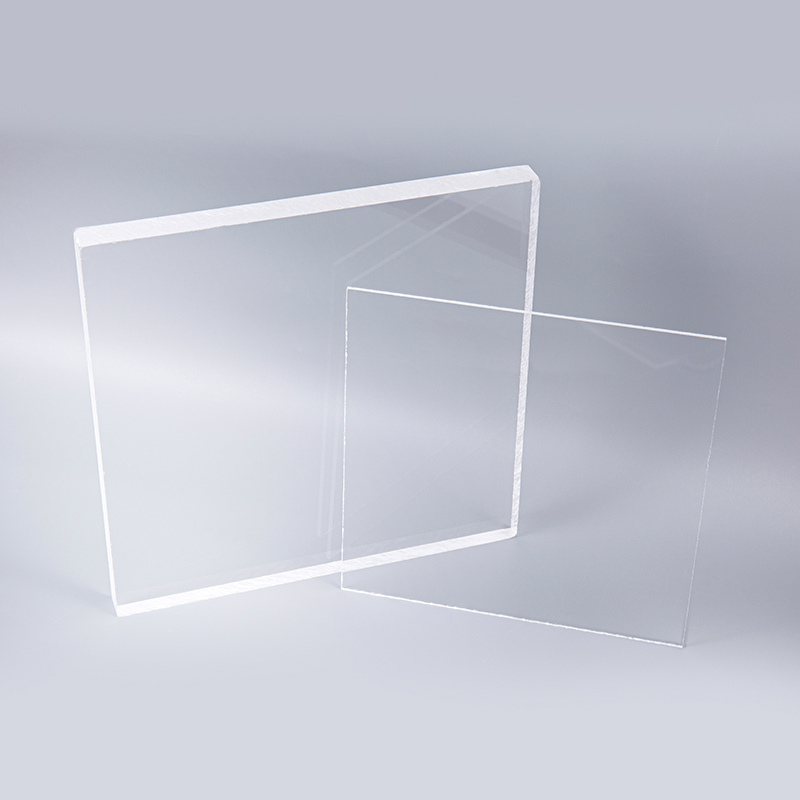 UV-Resistant Cast Acrylic Sheet for Outdoor ApplicationsThis UV-stabilized cast acrylic absorbs 290–400 nm ultraviolet light to prevent yellowing and maintain clarity. With 17 times the strength of glass and half the weight, it is ideal for long-lasting exterior installations.View Product →
UV-resistant acrylic is still standard PMMA. The difference is that UV absorbers are blended into the monomer before the cell-casting process begins. These additives absorb the 290 to 400 nm ultraviolet band and release that energy as heat, keeping the polymer chains from breaking down.
UV-resistant acrylic is a cast PMMA sheet containing UV absorbers that convert incoming ultraviolet radiation into harmless thermal energy, protecting the polymer matrix from photodegradation and preserving optical clarity over years of outdoor exposure.
Without UV absorbers, standard acrylic suffers two forms of damage under direct sunlight. First, UV radiation triggers chain scission in the PMMA polymer, which makes the sheet brittle over time and lowers its impact strength. Second, photo-oxidation creates chromophores, molecular structures that absorb light in the blue region, producing the yellow tint you see on aged outdoor acrylic.
One common misconception is that UV-resistant acrylic is a different material with different mechanical properties. It is not. The cast sheet can be machined, polished, laser-cut, and bonded exactly like standard acrylic, and the UV stabilizers do not change the impact strength or clarity of the material in any measurable way. They only extend the useful life of the sheet under UV exposure.
Loss of clarity and discoloration are not cosmetic issues in signage or architectural glazing. A yellowed sheet fails to deliver the designed brightness, light transmission, or brand color. For a deeper look at how UV load affects long-term durability, see our detailed guide to UV-resistant acrylic durability and applications.
Under a standard QUV accelerated weathering test (ASTM G154, UVB-313 lamps, 4 hours UV and 4 hours condensation cycles), the yellowing index measured per ASTM D1925 diverges sharply after 2,000 hours.
| Property after 36 months outdoor exposure | Standard acrylic | UV-resistant acrylic |
| Yellowing index change | 8 to 12, visible discoloration | 1 to 2, imperceptible |
| Light transmission loss | 15 to 20% | 2 to 4% |
| Impact strength retention | 50 to 60% | 90% or higher |
| Expected outdoor service life | 2 to 3 years | 8 to 12 years |
Typical data from third-party weathering tests show standard acrylic reaches a YI value of 8 to 12 after 3,000 hours of UV exposure, while UV-resistant acrylic stays within a YI of 1 to 2. In practical terms, a standard sheet that looks noticeably yellow after two years will still look clear after eight years in the same environment.
For a multi-panel signage installation, even a small YI difference between panels becomes a visible color mismatch. Once one panel yellows faster than its neighbor, the entire facade looks patchy and unprofessional long before the sheet physically fails. UV stabilization keeps the whole installation uniform, which is often the deciding factor in architectural projects where color consistency is specified.
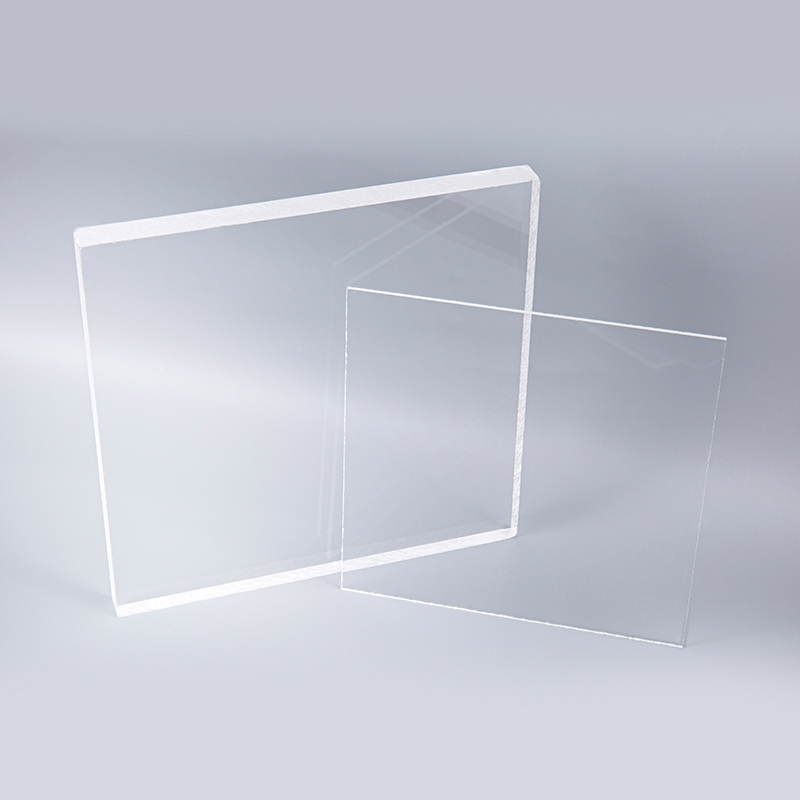 High-Clarity Clear Acrylic Sheet with Tight ToleranceMade from 100% virgin Mitsubishi material, this sheet offers over 94% light transmittance and a thickness tolerance under 0.2 mm, ensuring consistent color across multi-panel signage projects.View Product →
Standard cast acrylic is the right specification whenever the sheet will not face sustained direct sunlight or a strong artificial UV source. These conditions describe most indoor applications:
Using standard acrylic in these applications saves roughly 8 to 15% of material cost per sheet, with no measurable loss of performance. Because the sheet is a long-lived component rather than a consumable, paying for UV stabilization that never gets used is a wasted upgrade.
Where the budget is tight and the design life of the project is short, standard acrylic remains a practical option. The key is to document the expected service life so that the client understands that the panel is not a permanent outdoor material.
Outdoor exposure is the obvious trigger, but there are also indoor environments with UV loads that are easy to overlook.
Increasingly, indoor spaces with large west-facing glazing or daylight-bright LED lighting systems can also develop UV-related yellowing on acrylic light diffusers and backlit displays. If the sheet is close to a window or inside a skylight well, treat it as an outdoor application when selecting the grade.
In these scenarios, a standard sheet is a liability. The visible yellowing not only degrades appearance, it also signals a loss of impact strength that can make a facade or canopy unsafe over time.
Not every sheet labeled UV-resistant performs the same. The cheapest approach is coating a standard sheet with a clear UV spray, but that coating erodes in one or two years. A properly stabilized cast sheet has UV absorbers dispersed throughout the polymer matrix, so the protection lasts as long as the sheet itself.
Use this checklist before committing to a supplier:
Ask specifically for the test specimen thickness and exposure cycle that the data was measured with. A UV-resistance claim based on a thin 2 mm specimen does not automatically transfer to a thick 12 mm sheet, because the UV absorber concentration per unit volume differs across the cast thickness. Responsible manufacturers will provide the data for the thickness you plan to order.
If a supplier cannot produce this data, treat the UV-resistant claim as unverified. For help matching the right grade to your installation, use our application guidance or talk directly to the technical team before ordering.
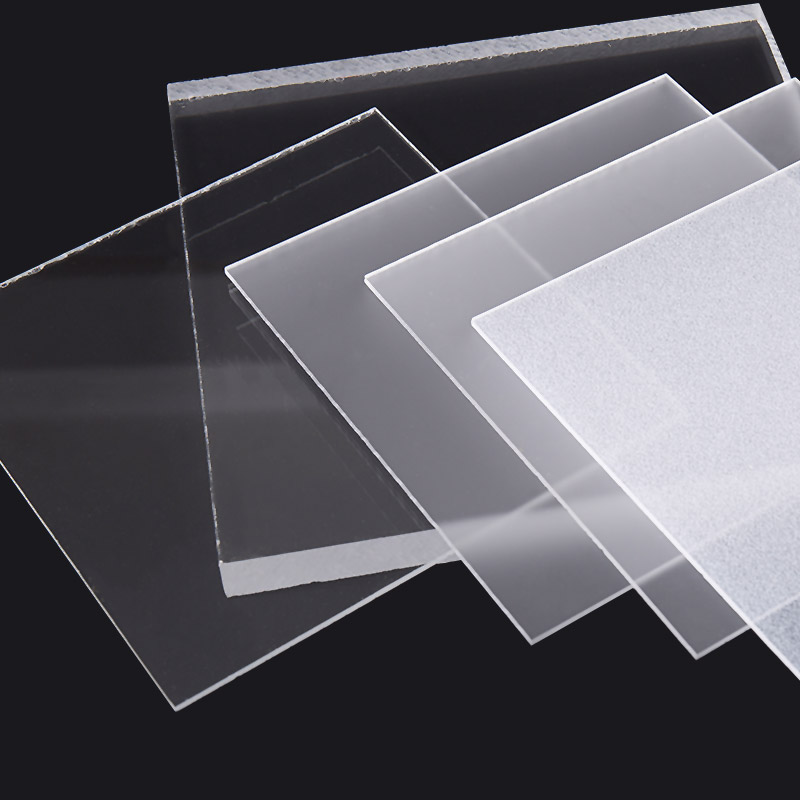 Durable Cast Acrylic Sheet for Cost-Effective OwnershipThis cast acrylic delivers high surface hardness and superior weather resistance, weighing half as much as glass with 94% light transmission. Its five-year performance makes it a cost-effective choice for demanding applications.View Product →
On a five-year horizon, the UV-resistant grade wins for outdoor applications. The initial cost premium of roughly 10 to 15% over standard cast acrylic looks modest when you compare it against the full cost of ownership.
When a standard sheet yellows after two to three years, the owner pays for removal, fabrication of a replacement, labor, and installation, often two to three times the sheet cost. Over a five-year window, a single avoided replacement more than offsets the additional cost of a UV-stabilized sheet. For projects where warranty requirements call for an eight to ten year appearance guarantee, UV-resistant acrylic is the only compliant option.
The calculation is simple. If a project uses 200 square meters of acrylic for an outdoor canopy and the UV-resistant grade costs 15% more, the added material cost is a few thousand dollars. Replacing the same canopy three years later because the standard grade yellowed would require the same fabrication and installation cost again, plus the downtime cost of the facility being out of service.
Standard acrylic can yellow indoors when it is exposed to strong sunlight through windows or to high-intensity artificial UV sources such as certain lighting fixtures. In shaded or fully indoor locations, yellowing is usually negligible over a five-year period, which is why standard grade is a reasonable choice there.
Yes. UV-resistant acrylic is machined, laser-cut, routed, polished, and bonded using the same equipment and techniques as standard cast acrylic. The UV stabilizers do not affect mechanical processing, edge quality, or bonding behavior.
No. UV-resistant acrylic typically blocks UV radiation below about 400 nm, which protects the polymer itself. The level of UV transmission within the 290 to 400 nm range depends on the specific additive package, so check the UV transmission spectrum for the exact grade.
For outdoor signage panels, 3 mm to 6 mm cast acrylic is common for flat signs up to 1.2 by 2.4 m. Larger panels or exposed architectural elements should be thicker, such as 8 mm to 12 mm, especially in windy or coastal locations. The supplier's application guide will confirm the right thickness for your mounting method and exposure.
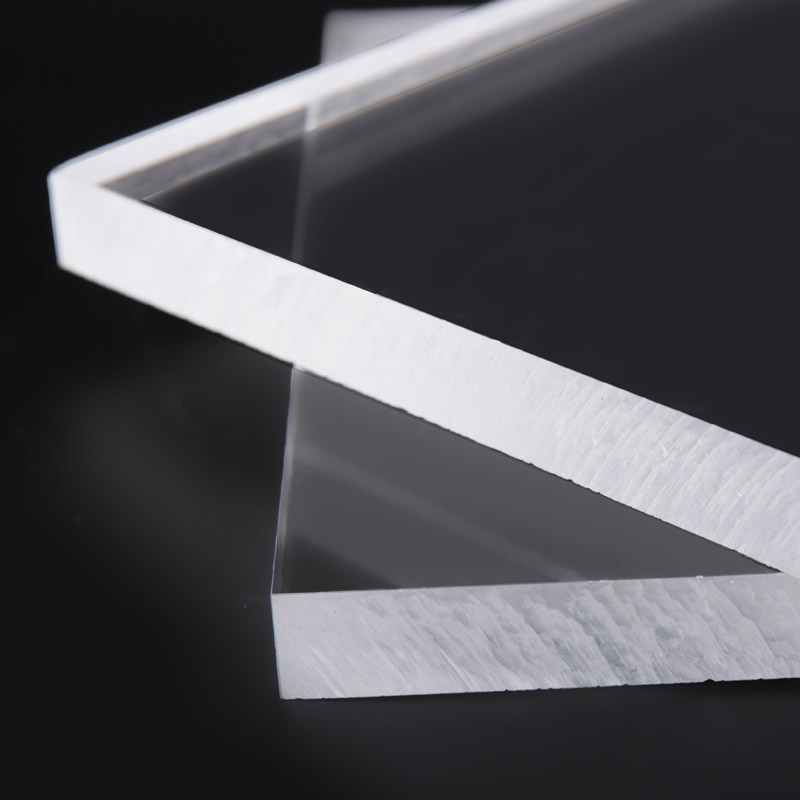
One of Oleg's popular products is the clear acrylic sheet, and our strong production capacity ensure...
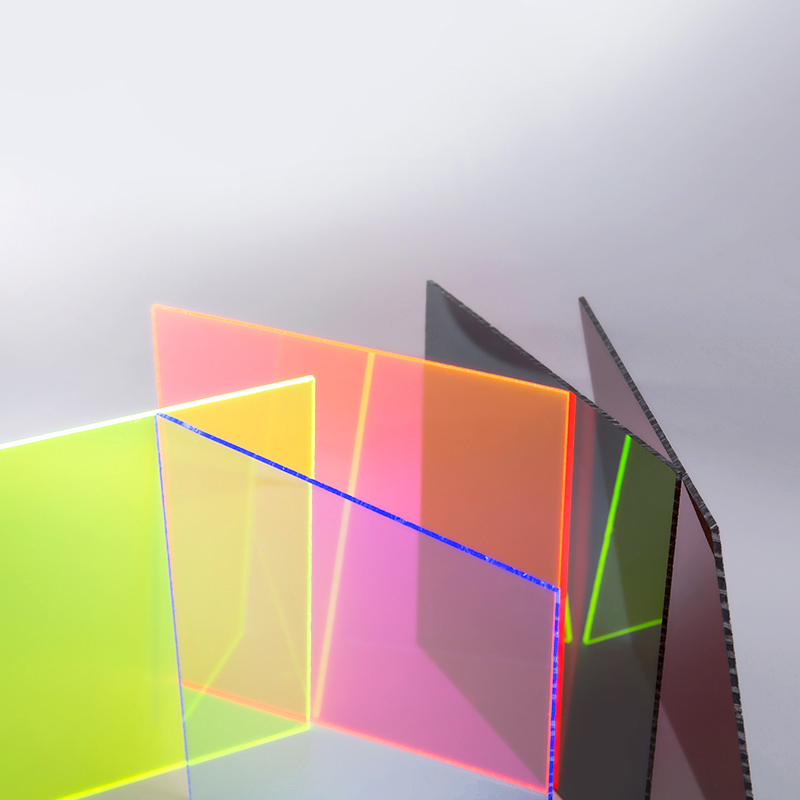
Oleg's products, whose raw material is virgin from Mitsubishi. OLEG is one of the TOP 5 cast acrylic...
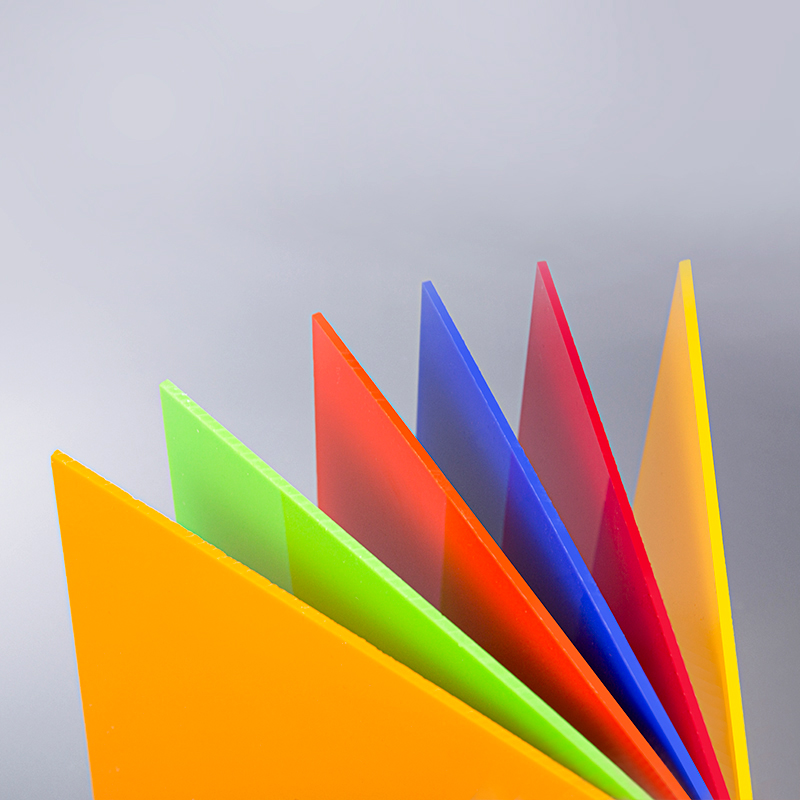
OLEG’s product, whose raw material is virgin from Mitsubishi. The color is highly uniform, pure and...
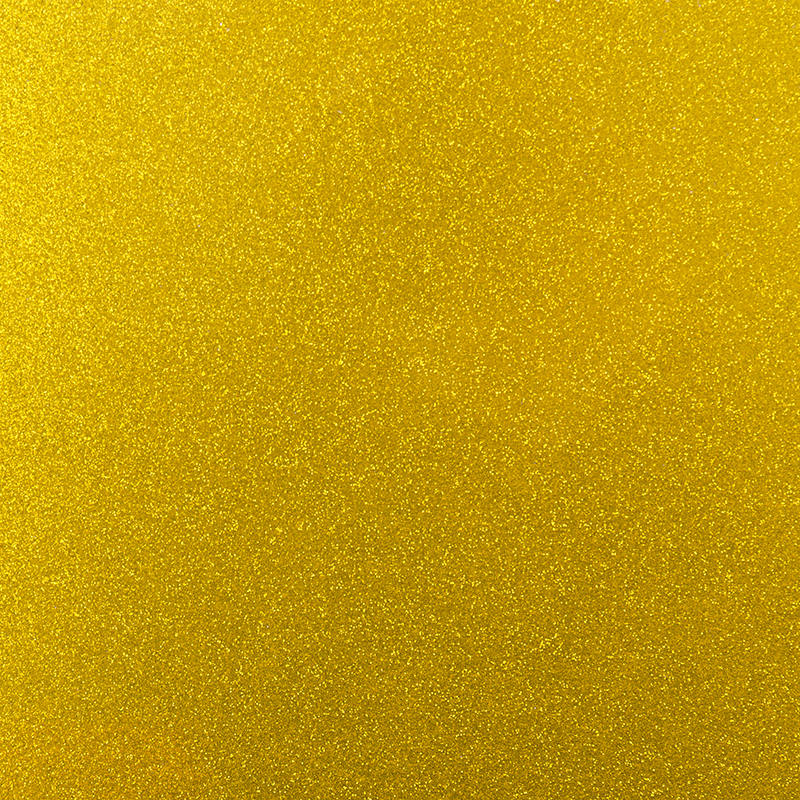
Golden acrylic sheet has tiny gold glitters in the material, which cause a luxurious effect. • Relia...
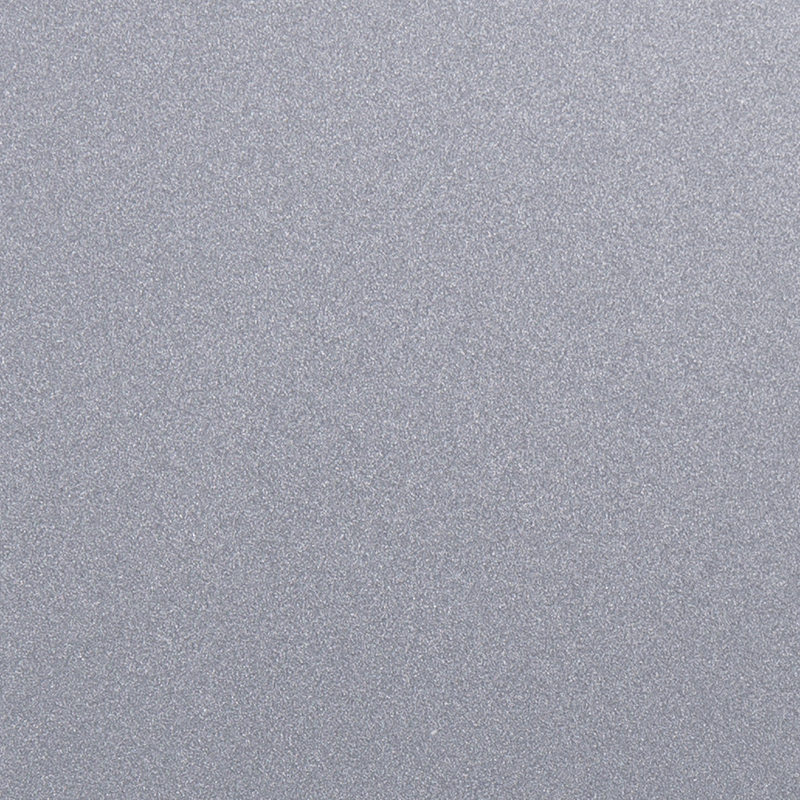
Silver acrylic sheet has tiny silver glitters in the material, which creating an elegant effect. • A...
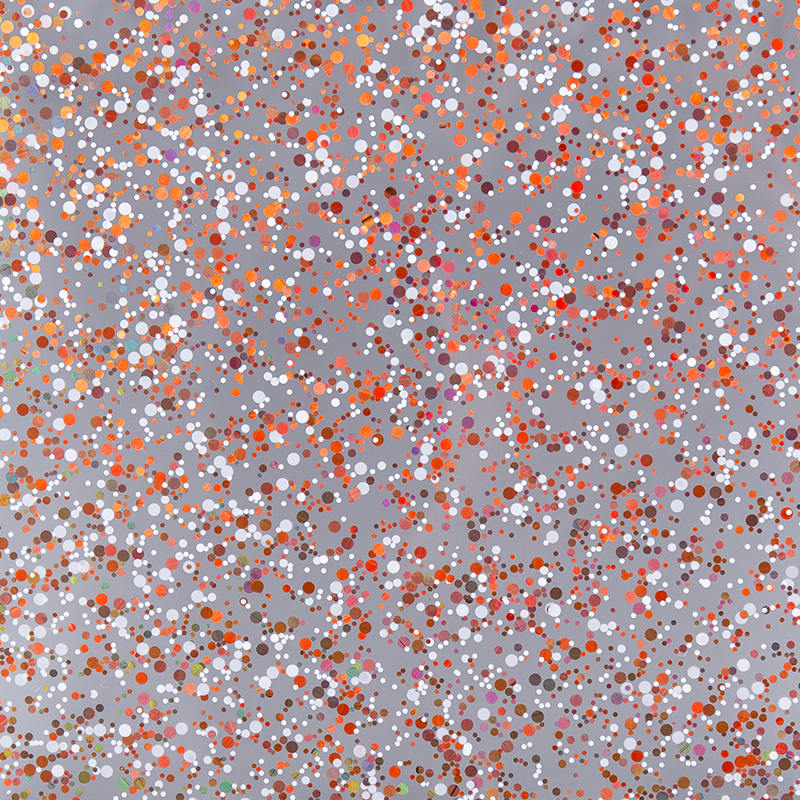
Tiny colored glitters are added to the transparent material to create a colorful and joyful visual e...
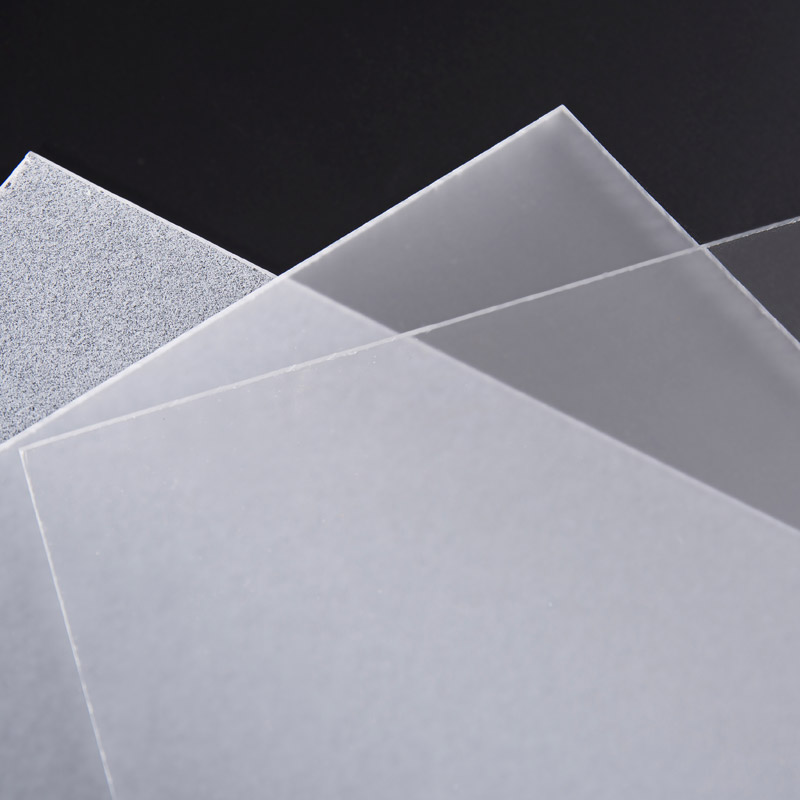
OLEG is a professional manufacturer of cast acrylic sheet, offering high quality products, attractiv...
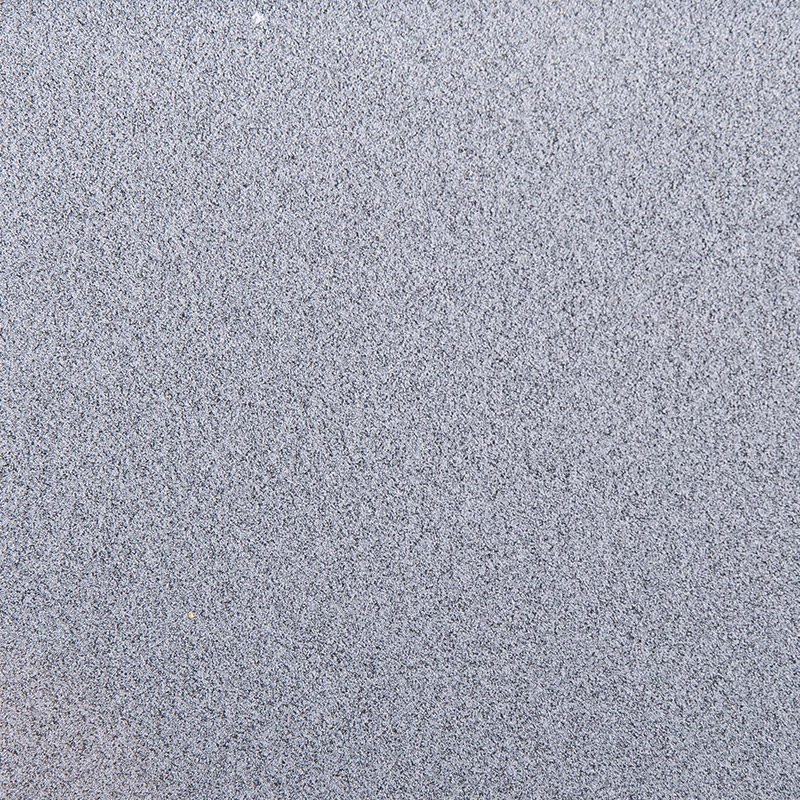
OLEG double side frosted acrylic sheet features a matte finish on both sides. Its modern appearance ...

• UV Resistance: Resistant to degradation from UV light, maintains its original color and clarity ov...

