

 English
 عربى
عربى Español
High-Strength Clear Acrylic Sheet
One of Oleg's popular products is the clear acrylic sheet, and our strong production capacity ensure...



Content
A 180 mm cast acrylic display base costs about USD 7.50 per part to produce, yet tooling is where acrylic project budgets actually break. A standard mold frame quoted by a Chinese processor runs under USD 1,200 and sets up in three to five days. A custom PMMA mold for that same part was quoted between USD 9,000 and USD 28,000 in 2025, with six to ten weeks before the first saleable unit exists.
That gap is exactly why the custom mold vs standard mold question is almost never about quality. It is about volume, geometry, and how much you expect the design to move after launch.
In acrylic manufacturing, a standard mold is a pre-engineered tool built to a catalogued geometry that dozens of products can share, while a custom mold is machined to the dimensions, draft angles, and surface texture of one specific part.
The distinction plays out differently across three production routes, and buyers routinely mix them up.
Custom tooling becomes the cheaper route at roughly 6,700 parts for a typical acrylic display component, assuming USD 12,000 in tooling cost and USD 1.80 per part saved on secondary trimming and rework.
| Annual volume | Standard mold | Custom mold | Lower cost route |
| 1,000 parts | USD 9,300 | USD 19,500 | Standard |
| 5,000 parts | USD 46,500 | USD 49,500 | Standard |
| 6,700 parts | USD 62,310 | USD 62,250 | Break-even |
| 10,000 parts | USD 93,000 | USD 87,000 | Custom |
| 25,000 parts | USD 232,500 | USD 199,500 | Custom |
Per-part cost in USD at four annual volumes
Break-even is a range, not a fixed number.
An 8 to 12 percent move in PMMA resin price shifts the crossover point by 800 to 1,500 parts, so recalculate at the moment you place the order rather than at the moment you approved the design.
Choose a standard mold when the part accepts catalogued dimensions, when annual volume stays under roughly 5,000 units, or when the design is still moving.
Standard formats also keep the sheet supply simple. OLEG casts sheet from 1.5 mm to 30 mm in both common plate sizes, which fits most standard thermoforming frames without a custom blank. Buyers mapping those formats to real assemblies can review the acrylic application guide for forming and fabrication constraints.
A custom mold pays back when three conditions hold at the same time: volume above 7,000 units a year, a geometry that catalogued tools cannot reproduce, and a design freeze of at least 18 months.
A tool is only as good as the freeze date behind it. Cutting a cavity 12 weeks before the design stops moving converts a USD 12,000 asset into a USD 12,000 rework order.
Color is the second reason buyers commit to custom tooling. Cast sheet is poured rather than extruded, so a matched color can be locked to one production batch, and a molded part avoids the trimmed edges that expose color variation. The color catalog lists translucent, opaque, and glitter ranges that can be matched against a physical sample before the cavity is cut.
Custom molds typically hold plus or minus 0.15 mm on critical dimensions against plus or minus 0.5 mm for standard tooling, and most of that difference comes from secondary operations rather than the tool itself.
| Parameter | Standard mold | Custom mold |
| Dimensional tolerance | plus or minus 0.5 mm | plus or minus 0.15 mm |
| Minimum wall thickness | 2.5 mm | 1.5 mm |
| Draft angle required | 3 to 5 degrees | 1 to 2 degrees |
| Visible surface finish | As-machined, light haze | SPI A-1 polished |
| Setup lead time | 3 to 5 days | 6 to 10 weeks |
| Cost of a late design change | Low, inserts swap | High, cavity re-cut |
Tolerance is a purchased feature, not a default. If the drawing does not call out a datum and a limit, both tool types will ship parts that pass inspection and still fail assembly.
Parts exposed to sunlight push the break-even point lower, because standard tooling leaves trimmed edges and surface haze that weather faster than a molded finish.
Signage, skylight glazing, and outdoor display cases usually pair an anti-UV cast sheet with custom tooling, since a single cavity controls wall thickness across a run of several thousand panels and removes the edge finishing that accelerates yellowing. A polished cavity plus a UV-stable sheet is the combination that holds appearance through a ten-year outdoor exposure window.
Exterior parts rarely justify standard tooling twice.
Rework on weathered units costs more than the tooling discount, so outdoor programs break even near 4,000 units rather than 6,700.
About 6,700 parts for a display component with USD 12,000 in tooling and USD 1.80 per part in saved secondary work. Parts with tight tolerances or Class A surfaces break even closer to 4,000 units, because the trimming and rejection cost of standard tooling is higher.
Yes, and it is the most common route. Standard tooling validates fit, color, and market demand in three to five days, then custom tooling follows once a freeze date is set. Budget the second tooling round at the start so the switch never stalls production.
Partly. A polished SPI A-1 cavity produces a smoother surface than an as-machined standard tool, which reduces haze. The larger gain comes from the sheet, since cast acrylic sheet holds roughly 92 percent light transmission and a molded part avoids the abrasion marks that scatter light.
Most standard frames accept 2 mm to 12 mm sheet without modification. Below 2 mm the sheet flexes during forming, and above 12 mm you need heated platen support or a custom frame. Because OLEG casts sheet from 1.5 mm to 30 mm, thick parts can often start from a standard blank rather than a custom tool.
Run the numbers before you cut steel.
Volume, tolerance, and freeze date decide the tool. Everything else is a detail you can negotiate.
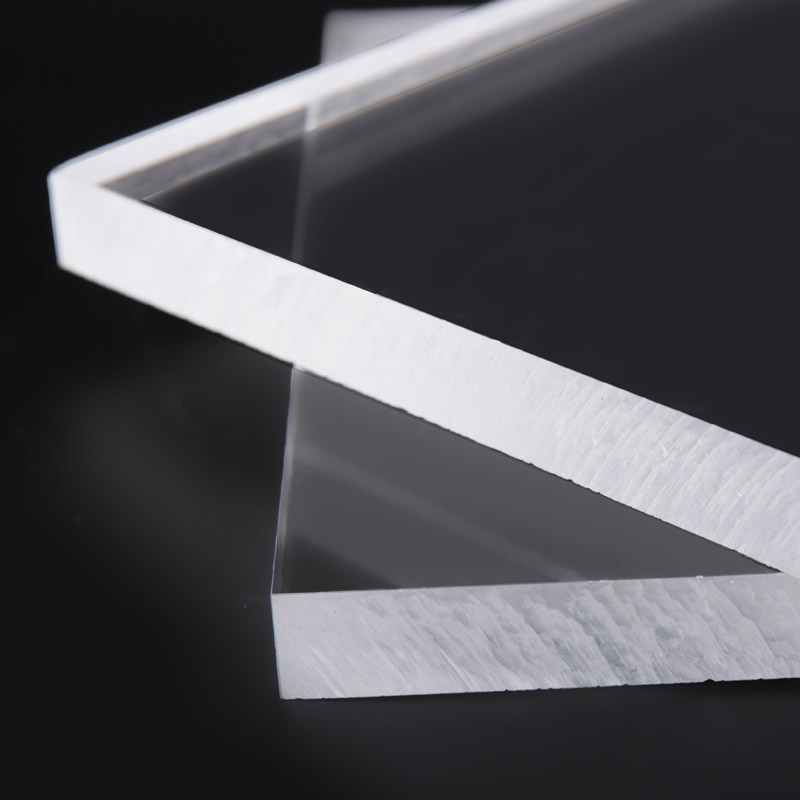
One of Oleg's popular products is the clear acrylic sheet, and our strong production capacity ensure...
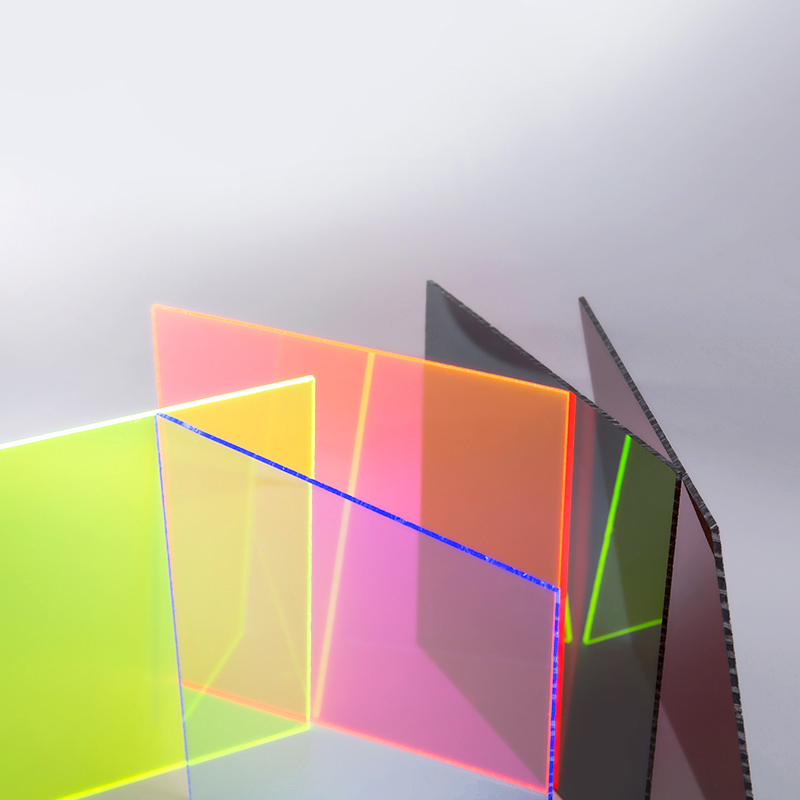
Oleg's products, whose raw material is virgin from Mitsubishi. OLEG is one of the TOP 5 cast acrylic...
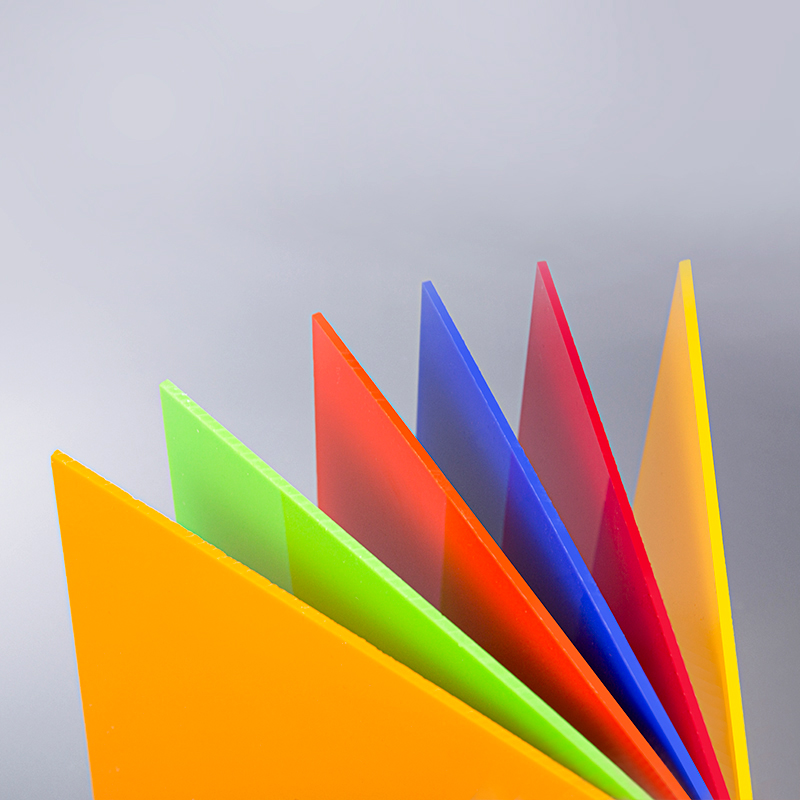
OLEG’s product, whose raw material is virgin from Mitsubishi. The color is highly uniform, pure and...

Golden acrylic sheet has tiny gold glitters in the material, which cause a luxurious effect. • Relia...
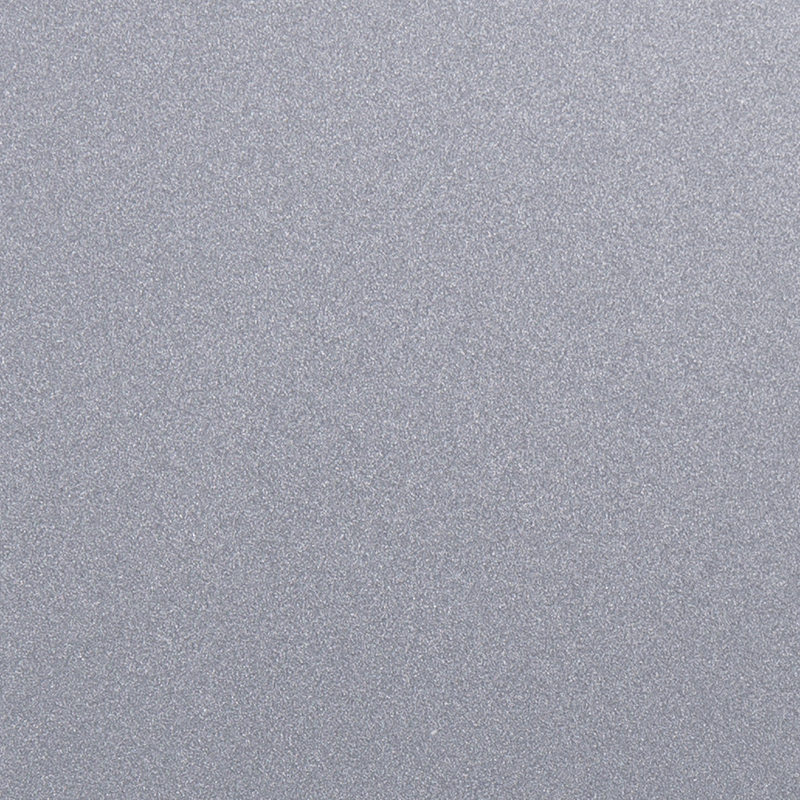
Silver acrylic sheet has tiny silver glitters in the material, which creating an elegant effect. • A...
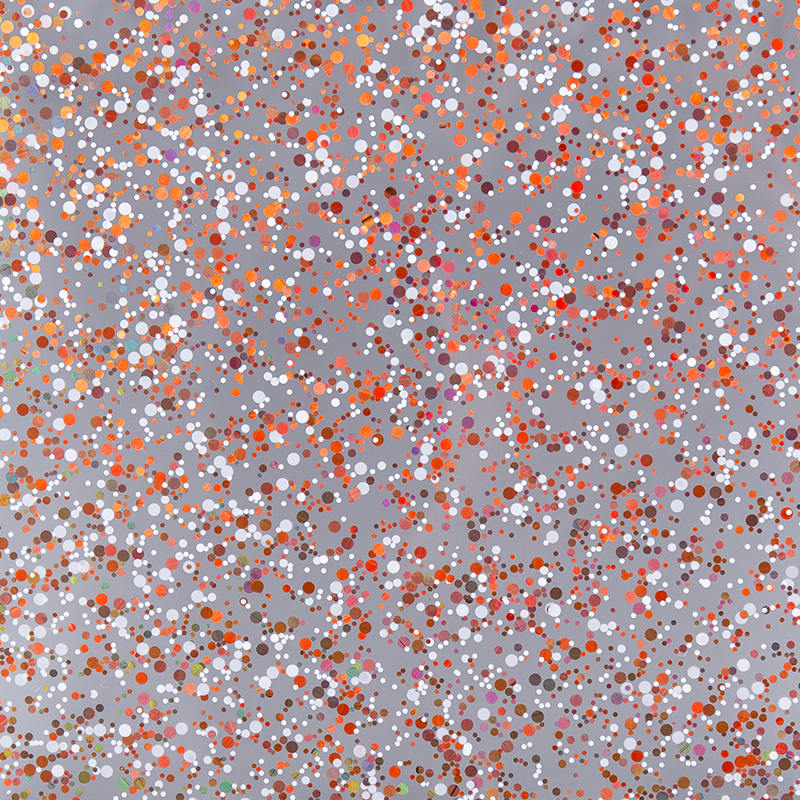
Tiny colored glitters are added to the transparent material to create a colorful and joyful visual e...
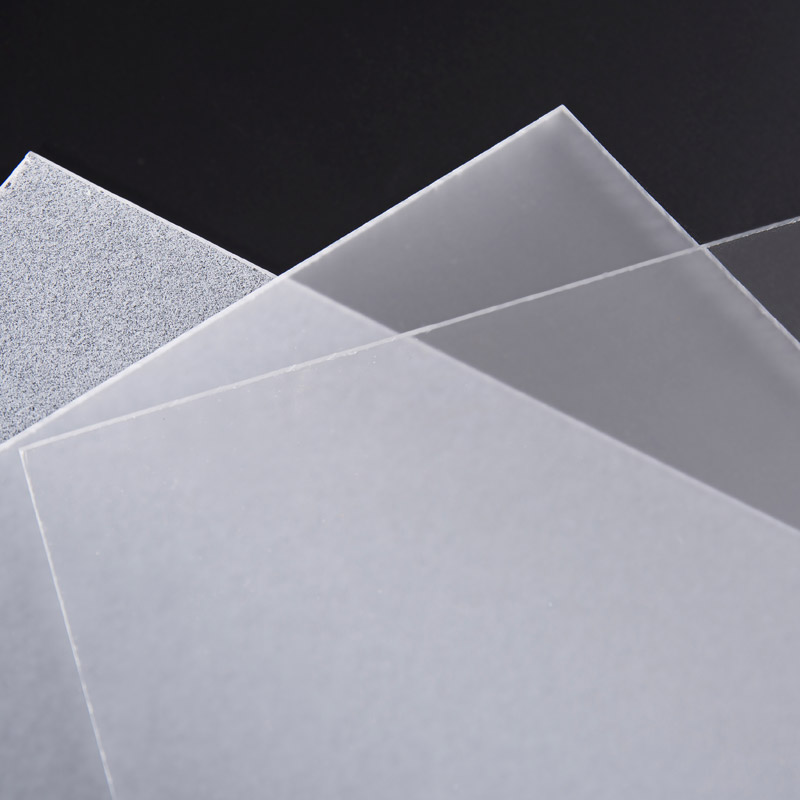
OLEG is a professional manufacturer of cast acrylic sheet, offering high quality products, attractiv...
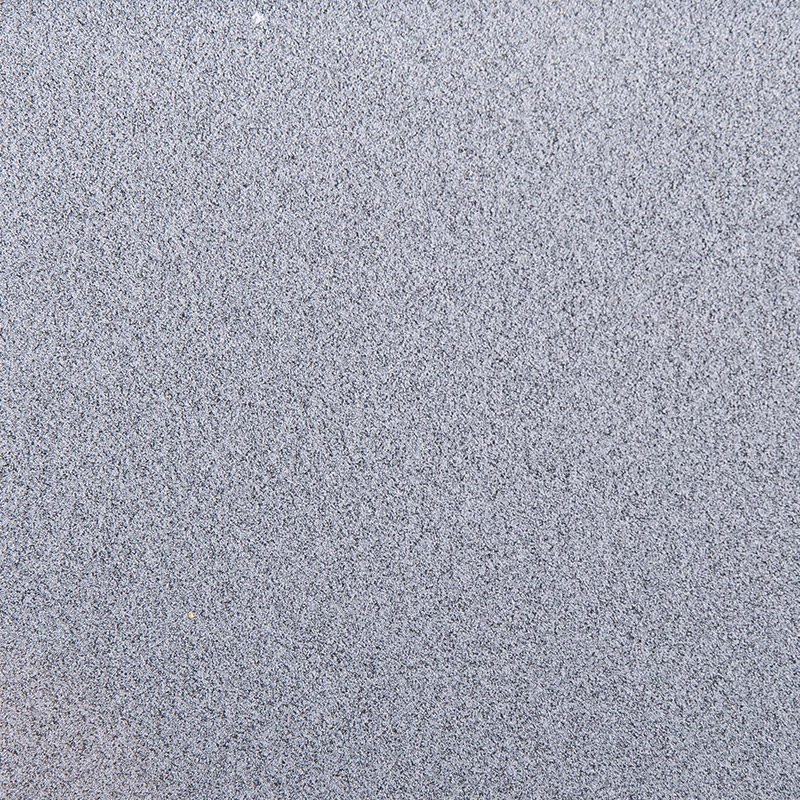
OLEG double side frosted acrylic sheet features a matte finish on both sides. Its modern appearance ...
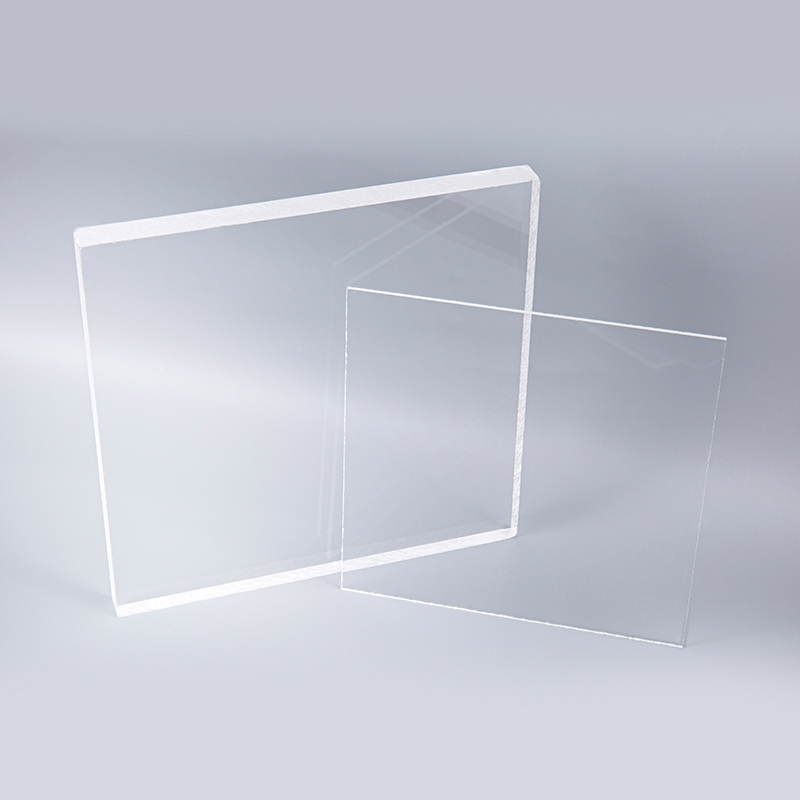
• UV Resistance: Resistant to degradation from UV light, maintains its original color and clarity ov...

