

 English
 عربى
 Español

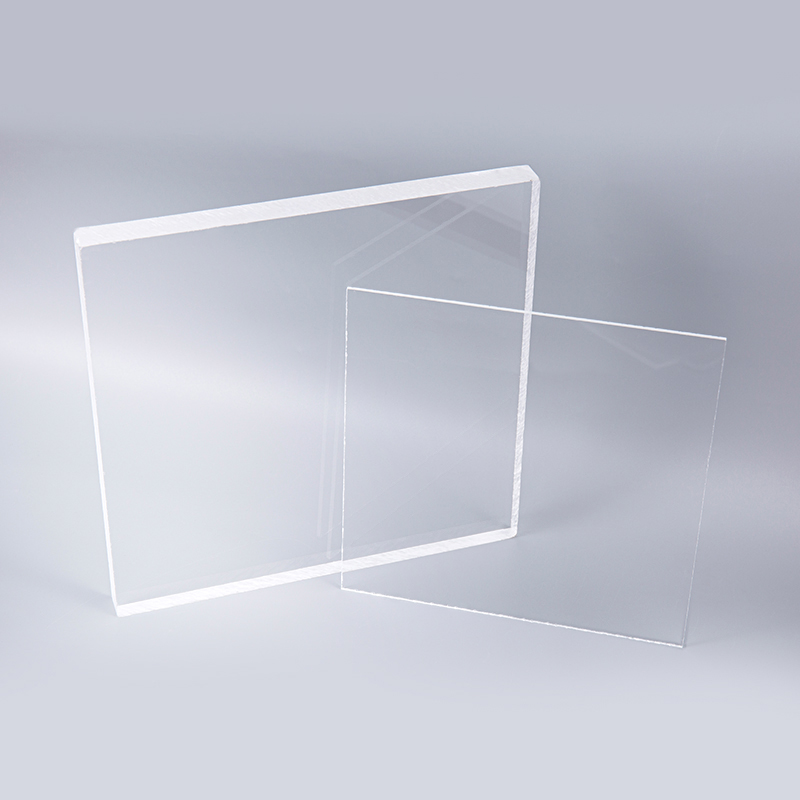
High-Strength Clear Acrylic Sheet
One of Oleg's popular products is the clear acrylic sheet, and our strong production capacity ensure...



Content
A sign fabricator reorders solid white cast acrylic sheet by the pallet every three weeks. A display maker ten minutes down the road reorders glitter acrylic sheet in 20-sheet lots and pays noticeably more per sheet for the privilege. Neither buyer is making a mistake. The question of whether glitter or solid color acrylic sheets sell better has two correct answers, and which one applies to you depends on which side of the counter you stand behind.
Measured in units moved, solid color acrylic sheet wins in almost every commercial channel, usually by a factor of three to six. Measured in gross margin per sheet, glitter acrylic sheet wins in almost every retail-facing channel, typically by 20 to 40 percent. Solid color sells better to fabricators, sign makers, and architectural contractors. Glitter sells better to designers, retail display houses, and anyone selling a finished object rather than raw sheet.
If you need one number: solid color acrylic sheet outsells glitter acrylic sheet by roughly four to one in sheet volume across general distribution, while glitter acrylic sheet returns roughly 1.3 to 1.4 times the gross margin per sheet in retail and display channels.
The reason is structural rather than fashionable. Solid color sheet is a specification product. It gets matched to a brand color, a signage system, or a fixture design, and then it gets reordered for years. Glitter sheet is a design product. It gets specified once for a feature counter, a boutique window, or a limited product run, and then the design moves on to something else.
Definition: glitter acrylic sheet
A cast PMMA sheet in which metallic or polyester glitter particles are suspended through the full thickness of the pour, rather than printed or laminated onto a surface. Because the effect is embedded, it survives cutting, polishing, and edge fabrication, which is why it holds up in retail environments where a surface-printed sparkle finish would scuff away within a season.
Solid color acrylic sheet wins every job that has to be matched, repeated, or repaired, and in commercial volume that is most of the market.
| Consideration | Solid color acrylic sheet | Glitter acrylic sheet |
| Typical order size | 1 to 20 tonnes | 20 to 300 sheets |
| Primary buyers | Sign makers, fabricators, contractors | Designers, display houses, retailers |
| Color matching | Batch-to-batch reproducible | Effect varies slightly per pour |
| Margin per sheet | Moderate and stable | 20 to 40 percent higher at retail |
| Inventory turns | 6 to 10 per year | 2 to 4 per year |
| Fabrication risk | Low and predictable | Edge chipping, pattern alignment |
| Strongest use | Wayfinding, fixtures, glazing, diffusers | Feature counters, jewelry display, point of sale |
Glitter acrylic sheet outsells solid color wherever the end customer can see the material and the end customer is the one paying for it.
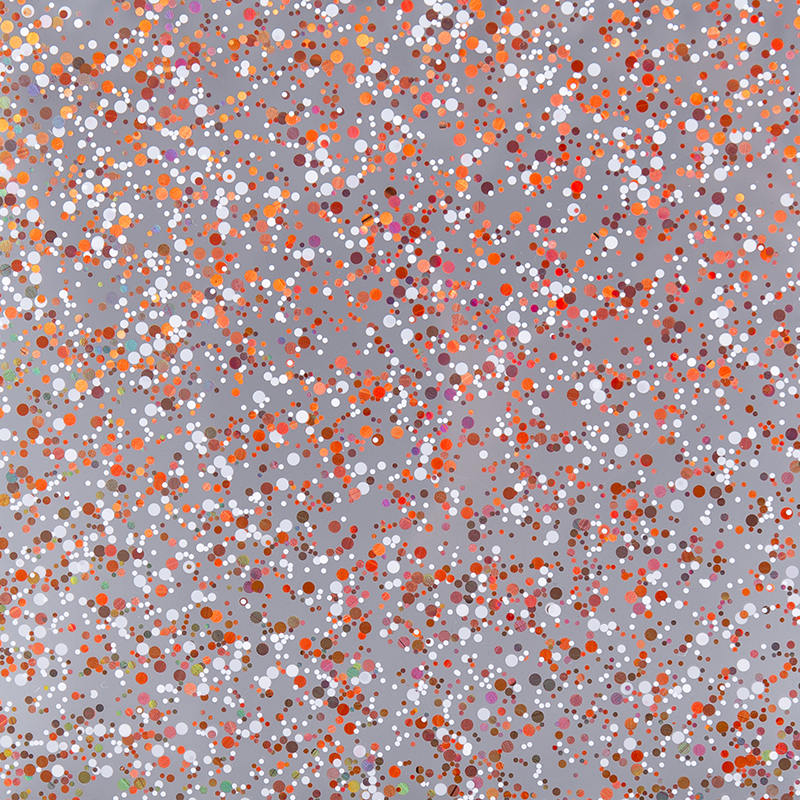 Patterned Glitter Colorful Acrylic SheetTiny colored glitters are added to the transparent material to create a colorful and joyful visual effect.View Product →
Jewelry and watch counters, cosmetics point-of-sale units, hotel bar tops, boutique menu holders, laser-cut logo signage, and limited-edition packaging inserts all convert better with an embedded sparkle finish than with a flat tint. The buyer is not comparing price per kilogram against a signage budget. They are comparing the display against a competitor's display, and the material is doing the selling for them.
 Golden Acrylic SheetGolden acrylic sheet has tiny gold glitters in the material, which cause a luxurious effect.View Product →
Gold and silver finishes sit at the top of that ladder. A golden acrylic sheet used for a watch presentation tray carries a unit price that would be unthinkable for the same area of white sheet, and the UV resistance that protects the finish also protects whatever sits behind it. For a full breakdown of which finishes suit which retail settings, the application guide covers display, lighting, and interior categories.
Glitter sheet costs more to produce and sells for more at retail, and whether the margin gap survives your own cost structure depends on how you measure turns as well as margin.
Relative commercial index: glitter vs solid color cast acrylic sheet, 100 = strongest position
The practical reading of the chart is simple. Do not fund a glitter program out of your working capital budget unless the retail accounts that will carry it are already confirmed. Do not treat solid color as a commodity you can ignore, because it pays the fixed costs that make the decorative side possible.
A workable mix for most distributors is 70 to 80 percent solid color by sheet count and 20 to 30 percent decorative finishes by inventory value.
 Colorful Acrylic SheetOLEG’s product, whose raw material is virgin from Mitsubishi. The color is highly uniform, pure and bright, does not fade or yellow over time. OLEG is one of the TOP 5...View Product →
Choose 8 to 12 colors that cover wayfinding, signage backing, and fixture work, then hold them permanently. These are the SKUs that pay your rent, so they should never be the ones you experiment with.
Order physical chips rather than judging from screen renders. Start from the color catalog and request the finishes your retail accounts actually asked for, not the full range on speculation.
Decorative finishes deserve a minimum order value rather than a minimum sheet count, because a single glitter pattern can carry a whole order's margin on a small pallet.
Any decorative SKU that has not turned twice in 90 days should be replaced, not discounted. Glitter trends age faster than color trends, and holding a dying pattern costs more than writing it off.
Glitter sheet is a slower and less forgiving pour, and that difference shows up in price, minimum order quantity, and lead time rather than in marketing.
Glitter particles settle at a different rate from the resin, so the pour has to be viscosity-controlled and the line speed reduced to keep the effect evenly distributed through the thickness. Solid color runs clean and fast, which is why a pigment batch can be scheduled for a long campaign while a glitter pattern is usually run to order. Sequence changeovers between decorative patterns also consume cleaning time and generate more edge trim, and thicker decorative gauges can push rejection rates above those of standard solid sheet.
This is also why the decorative range is normally produced by manufacturers with real casting capacity rather than by traders buying on the spot market. OLEG, the brand of Hangzhou Oleg International Trade Co., Ltd., casts both finishes at its Huzhou plant, which runs 6 production lines with an annual capacity of 35,000 tonnes, and at its Jingmen plant, which opened in 2025 with 8 lines and a designed capacity of 45,000 tonnes. Sheets are produced to GB/T 7134-2008 premium grade, which is the standard buyers should ask about when they compare a glitter quotation against a suspiciously cheap alternative.
Solid color sells faster in units by a wide margin, typically three to six times the volume of glitter in a general distribution business. Glitter sells faster in value per order at retail, because a single display project can absorb a small pallet at a high unit price.
Yes. Glitter sheet carries a higher ex-works price than solid color of the same thickness because it runs slower, generates more trim, and is ordered in shorter campaigns. The premium is normally recoverable at retail, where the same sheet sells into display and point-of-sale work rather than commodity signage.
A cast acrylic manufacturer with in-house lines can, and that matters for buyers who need a single thickness tolerance and a single quality reference across a mixed order. Ask whether the decorative range is cast in-house or outsourced, because the answer determines how consistent reorders will be.
Start with two or three patterns in one popular thickness, paired with a confirmed retail account. Avoid opening a decorative line on speculation, and never fund it by cutting the depth of your solid color stock, which is the part of the range that generates reliable turns.
The honest conclusion is that both finishes sell, just to different customers for different reasons. Build the solid color range as the engine, treat glitter and other decorative finishes as the margin layer, and decide your mix from the retail accounts you can actually name.
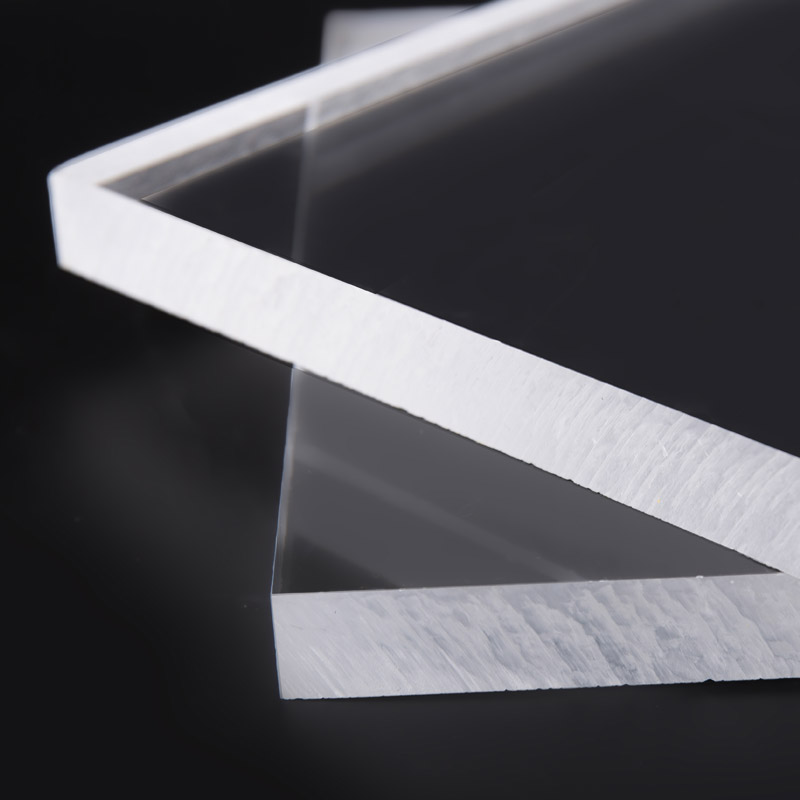
One of Oleg's popular products is the clear acrylic sheet, and our strong production capacity ensure...
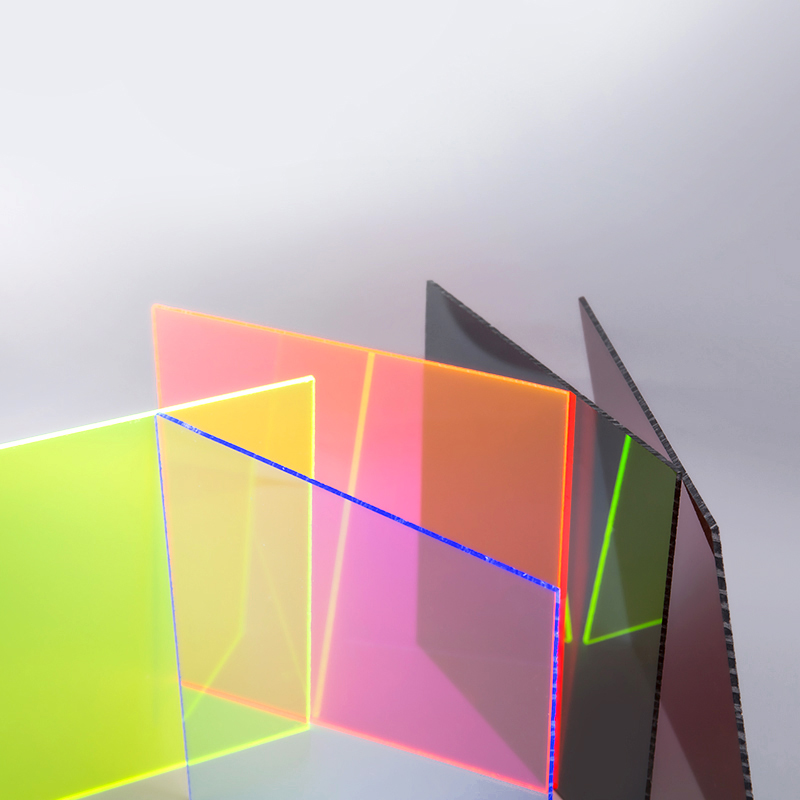
Oleg's products, whose raw material is virgin from Mitsubishi. OLEG is one of the TOP 5 cast acrylic...
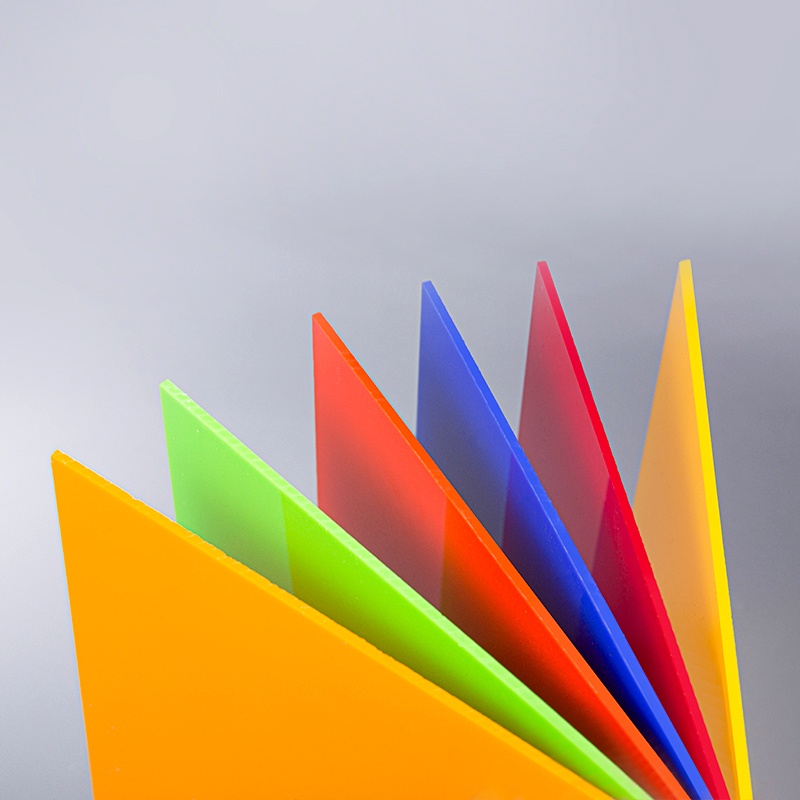
OLEG’s product, whose raw material is virgin from Mitsubishi. The color is highly uniform, pure and...

Golden acrylic sheet has tiny gold glitters in the material, which cause a luxurious effect. • Relia...
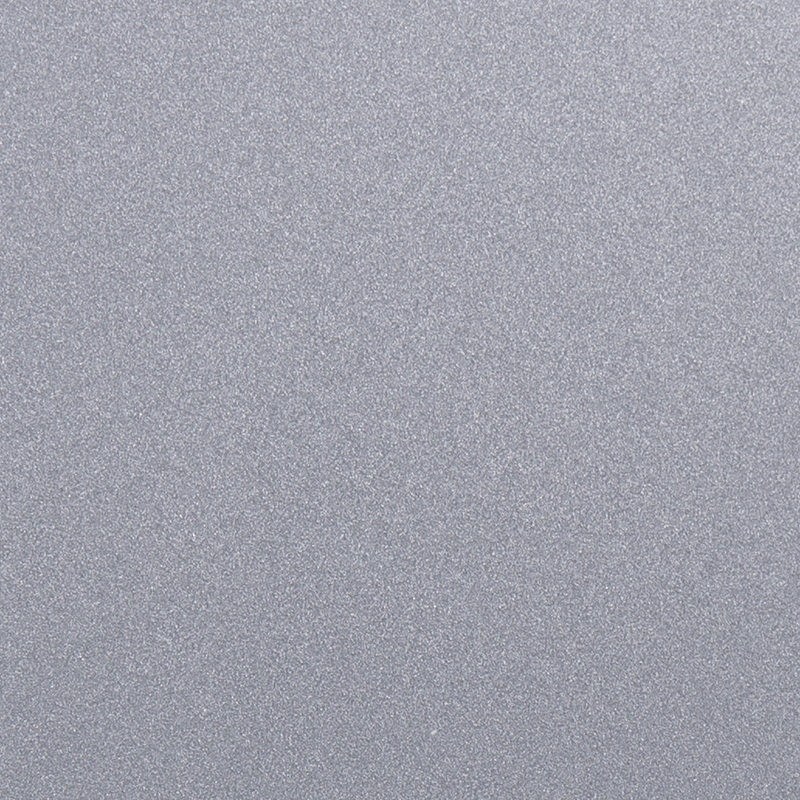
Silver acrylic sheet has tiny silver glitters in the material, which creating an elegant effect. • A...
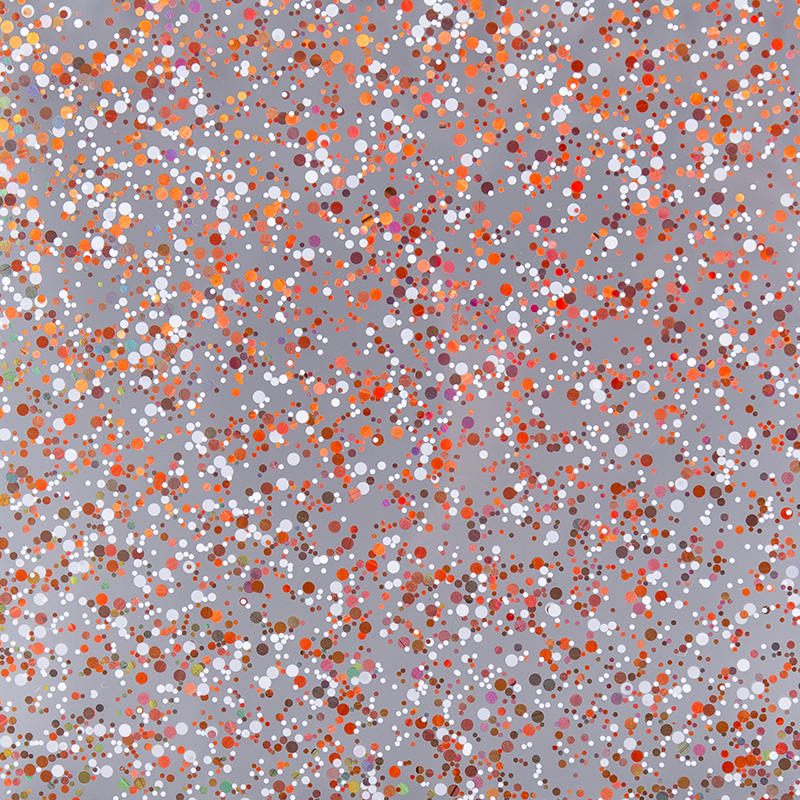
Tiny colored glitters are added to the transparent material to create a colorful and joyful visual e...
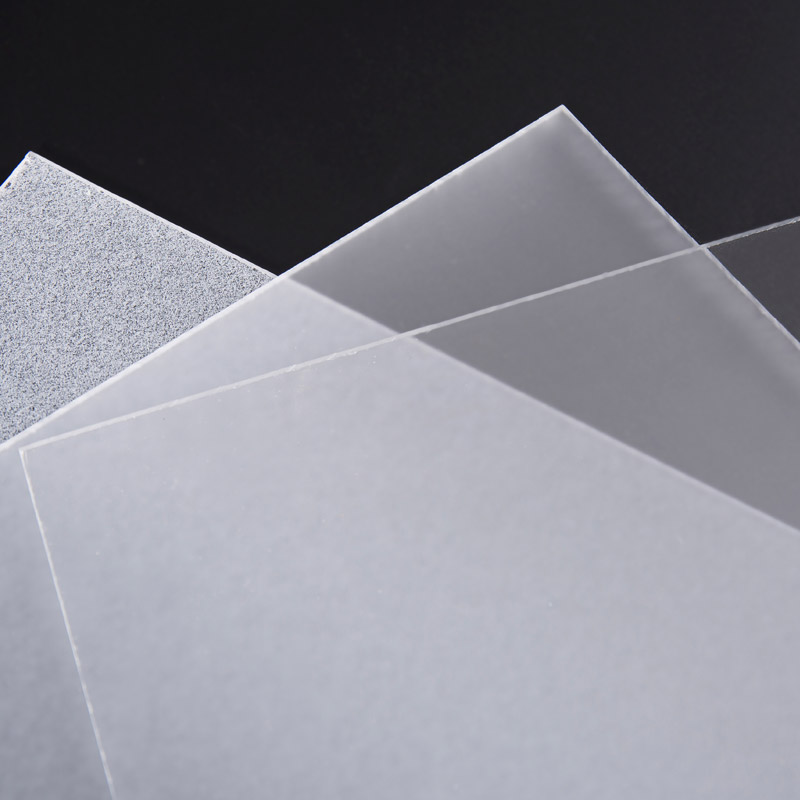
OLEG is a professional manufacturer of cast acrylic sheet, offering high quality products, attractiv...
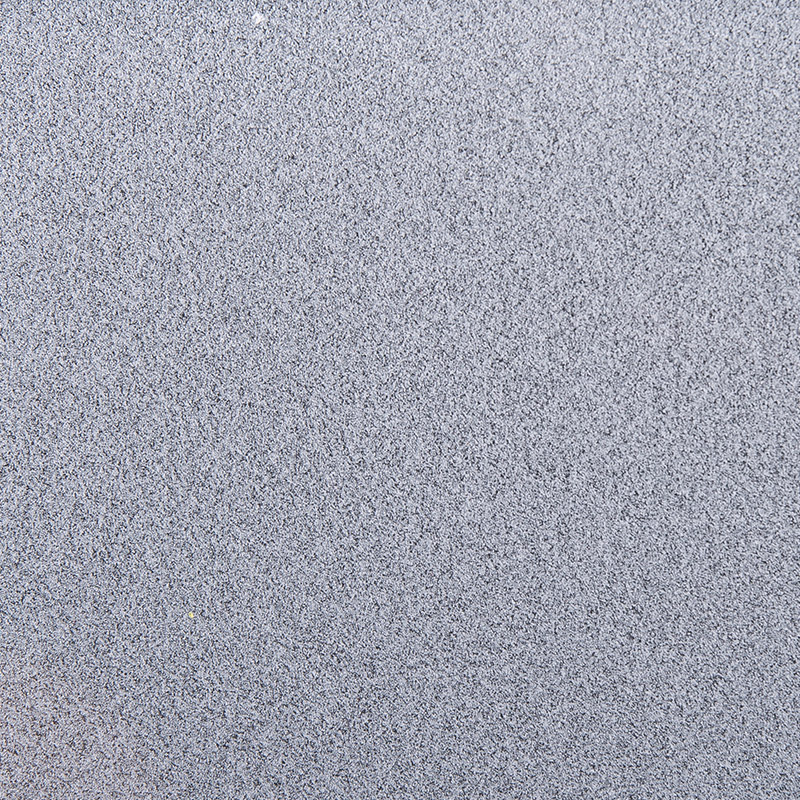
OLEG double side frosted acrylic sheet features a matte finish on both sides. Its modern appearance ...
• UV Resistance: Resistant to degradation from UV light, maintains its original color and clarity ov...

