

 English
 عربى
عربى Español
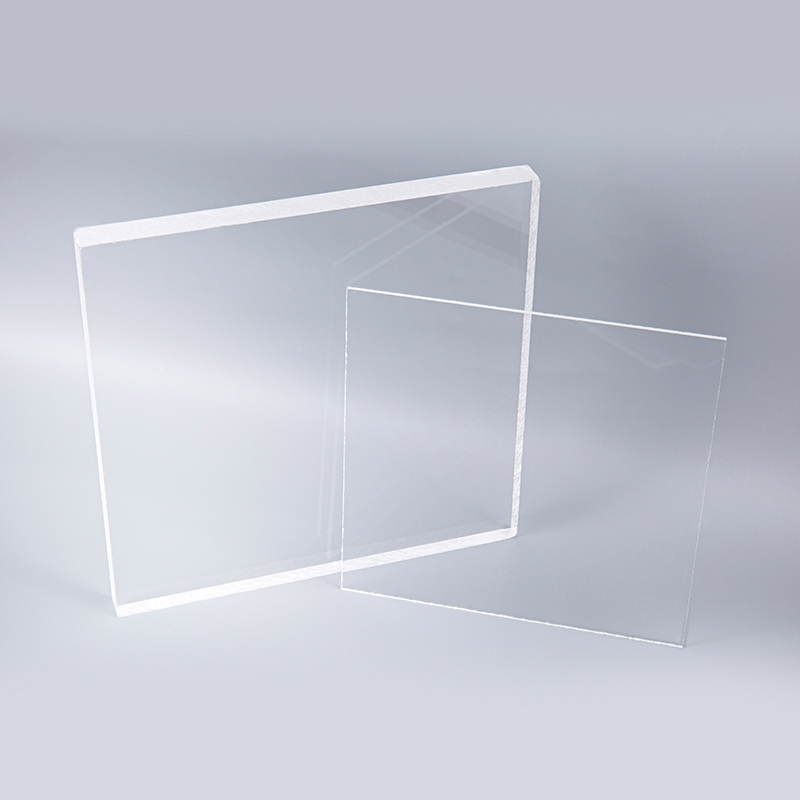
High-Strength Clear Acrylic Sheet
One of Oleg's popular products is the clear acrylic sheet, and our strong production capacity ensure...



Content
In the world of transparent materials, clarity is not just a desirable feature—it is a critical performance indicator. While standard plastic substitutes for glass offer good transparency, the pursuit of optical perfection leads us directly to High Clarity Acrylic. This advanced material elevates visual presentation, protection, and structural integrity, delivering a viewing experience virtually indistinguishable from the finest glass, but with superior durability. This article, penned by a seasoned industry expert, dives deep into the technical specifications, manufacturing secrets, and essential applications where absolute clarity makes all the difference. We will explore how this material is manufactured, how it outperforms its standard counterparts, and the specific applications that demand its unique characteristics, ensuring your next project achieves the crystal-clear results it deserves.
The exceptional performance of High Clarity Acrylic is fundamentally rooted in a precise blend of material science and sophisticated manufacturing techniques. Unlike conventional polymer sheets, this specialty material undergoes rigorous processes to minimize internal stress and eliminate impurities that often lead to a milky or cloudy appearance over time. This scientific approach ensures that the final product maintains a high molecular weight, which translates directly to superior optical characteristics and mechanical strength. The material’s composition is engineered to maximize light transmission while minimizing refraction, scatter, and distortion, making it the ideal choice for demanding optical and display applications. Understanding the science means recognizing that clarity is not accidental but is a deliberate outcome of superior formulation and control at every stage of production.
The distinction between an everyday acrylic sheet and a true Optical Grade Acrylic vs Standard counterpart lies in its ability to transmit light flawlessly. Standard acrylic typically achieves light transmission rates around 90%, which is adequate for general use, but the remaining 10% loss is often due to microscopic internal haziness and surface imperfections. True optical grade material, however, pushes this limit, often reaching and sometimes exceeding 92% light transmission. This superior performance is a direct result of the material’s refined purity and minimized internal contamination. For applications requiring precise visual fidelity—such as scientific instrumentation, high-end photography framing, or detailed museum exhibits—the subtle difference in clarity is crucial, providing a sharper, truer, and more vibrant view of the object behind the barrier. This high level of clarity ensures colors are not muted and details remain crisp, making the material practically invisible to the viewer.
| Feature | High Clarity Acrylic (Optical Grade) | Standard Acrylic (General Purpose) |
| Light Transmission (Typical) | $\ge 92\%$ | $90\% - 91\%$ |
| Internal Impurities | Extremely Low (Near Zero) | Low to Moderate |
| Manufacturing Process | Specialized Cell Casting, Annealing | Extrusion or Standard Casting |
| Suitable Applications | Museums, Lenses, Fine Art Framing | Signage, General Glazing, Simple Guards |
The manufacturing method is a principal determinant of an acrylic sheet's final clarity, and the “Cast” process is overwhelmingly preferred for achieving Cast Acrylic Sheet High Transparency. Cell casting involves pouring liquid monomer between two high-quality glass plates and curing it in an oven. This slow, methodical curing process allows for excellent polymerization and very low internal stress, which directly results in superior optical properties. In contrast, the extrusion process, which pushes molten polymer through a die, is faster and cheaper but introduces more molecular stress and often retains a higher level of impurities, leading to a less clear, though still highly functional, product. The cell cast method essentially creates a superior, denser, and more uniform material structure, which is vital for maximum light passage and resistance to crazing or cracking over time. This meticulous process makes the material highly suitable for precision machining and polishing, a necessity for applications where a flawless edge and surface are required.
| Feature | Cell Cast Acrylic | Extruded Acrylic |
| Clarity and Optical Quality | Highest, excellent for optical use | Good, but may have slight visual imperfections |
| Chemical Resistance | Superior (Less prone to crazing) | Good (More susceptible to stress cracking) |
| Fabrication & Polishing | Easier to work with, polishes to a high sheen | Can melt or gum up during machining |
| Cost | Higher | Lower |
The demand for maximum clarity is not a luxury but a fundamental requirement in numerous high-value industries. From protecting priceless artifacts to enhancing retail merchandising, applications of high clarity acrylic are diverse but united by the need for an unimpeded view and superior protection. This material offers the high-end aesthetic of glass—its high gloss and brilliance—combined with the critical safety and durability advantages of a polymer. Its use is prevalent in sectors where visual presentation directly correlates with perceived value and where material failure is not an option. For instance, in controlled environments like medical labs or museums, the material's inertness and superior resilience to cleaning agents are as valued as its optical transparency. Choosing this material signifies a commitment to quality and longevity in the most visible components of a project.
For high-value merchandise, historical artifacts, and fine art, the quality of the enclosure is paramount. High Clarity Acrylic Display Cases are the material of choice because they provide an almost invisible barrier that both protects the contents and presents them in the best possible light. Standard materials can introduce a faint greenish tint or subtle visual distortions, which can detract from the color and detail of the displayed item. High clarity material, by contrast, ensures perfect color transmission and zero perceptible distortion, making the viewer feel closer to the object. Beyond aesthetics, the inherent durability and shatter resistance of this acrylic provide a necessary layer of security that traditional glass cannot match, offering peace of mind in high-traffic or high-security environments. The ability to seamlessly bond panels also allows for the creation of large, aesthetically clean, and structurally robust enclosures that maximize viewing area.
| Application Scenario | Key Advantage of High Clarity Acrylic | Value Proposition |
| Museum & Art Gallery | UV Protection and Zero Distortion | Preserves artifact integrity while maximizing viewing fidelity. |
| High-End Retail Display | High Gloss and Invisible Barrier | Elevates product perception and deters theft with robust material. |
| Private Collection Framing | Lightweight and Shatter-Resistant | Provides safer, lighter handling and protection against accidental damage. |
When exposed to sunlight or intense indoor lighting, standard clear polymers are prone to degradation over time, most visibly through yellowing or a loss of clarity, a process known as photo-oxidation. Investing in the Best UV Resistant Clear Acrylic is essential for any long-term or outdoor application, as it is manufactured with built-in UV absorbers that act as a shield, intercepting harmful ultraviolet radiation before it can damage the polymer's structure. This special formulation dramatically extends the material’s service life, maintaining its original optical properties and clarity for decades, even in continuous outdoor exposure. For architectural glazing, external signage, or outdoor display components, this UV resistance is not just a feature—it is an insurance policy against premature material failure and the subsequent need for costly replacement. The result is a clear material that is not only highly transparent but also inherently stable and enduring.
| Metric | Standard Acrylic (No UV Inhibitor) | Best UV Resistant Clear Acrylic |
| Yellowing Index (After 5 Years Outdoor) | Moderate to High Increase (Visibly Yellow) | Minimal to Negligible Increase |
| Long-term Clarity Retention | Degrades Over Time | Excellent Stability and Clarity Retention |
| Suitable for Outdoor Use | Limited Life Span | Recommended for Long-term Outdoor Applications |
While maximum clarity is often the goal, in certain environments—such as areas with direct light sources or large windows—reflections and glare can obstruct the view and compromise the presentation. This is where Non-Glare High Clarity Acrylic offers a sophisticated solution. This specialty acrylic features a micro-etched surface on one side that subtly diffuses incoming light, breaking up reflections without significantly sacrificing the material's inherent high light transmission. This is a critical feature for museum-grade framing and high-end display viewing where preserving the integrity of the artwork or document is essential, yet the viewing experience must be free from distracting reflections. The non-glare property minimizes mirror-like reflection, allowing viewers to appreciate the true colors and details of the displayed item comfortably from a wider range of angles. Unlike standard matte finishes that can severely dull the image, the high clarity non-glare options maintain brightness while effectively managing light scatter.
| Material Type | Reflectivity (Approximate) | Best Used For |
| Standard High Clarity Acrylic | High (Mirror-like reflection) | Backlit displays, lighting diffusers, general cases |
| Non-Glare High Clarity Acrylic | Very Low (Diffuse Reflection) | Art framing, front-lit signage, environments with direct light |
| Viewing Experience | Can be obstructed by glare | Clear, comfortable viewing from all angles |
Maintaining the impeccable clarity of your High Clarity Acrylic investment requires a gentle, professional approach. While acrylic is significantly more durable than glass, its surface is softer and requires specific care to prevent micro-scratching or chemical damage that can permanently cloud the material. The most critical rule is to avoid all cleaning products containing ammonia, alcohol, or abrasive agents—the chemicals commonly found in household glass cleaners—as these can react with the acrylic, causing clouding, crazing, or stress cracks. Proper cleaning involves using only a very mild solution of dish soap and lukewarm water, or a specialized acrylic cleaning product. Always begin by gently blowing or rinsing away any loose dust or grit, which is the primary cause of scratches, and then wiping with an ultra-soft, lint-free microfiber cloth. A final application of an anti-static polish can also help repel dust, maintaining that 'just cleaned' optical quality longer.

The preference for High Clarity Acrylic stems from a combination of superior safety, weight, and optical performance. Acrylic is shatter-resistant and significantly lighter (approximately half the weight of glass), reducing handling and installation risk, especially for large pieces. Optically, the best grades can match or exceed glass in light transmission, and unlike glass, specialty acrylic can be engineered with integrated UV protection, which is crucial for preventing the fading and degradation of priceless artifacts and pigments over time. The inherent safety factor of not breaking into sharp shards is also paramount in public and high-traffic areas, making it the more durable and responsible choice for protecting valuable items.
While Cast Acrylic Sheet High Transparency is a hard, dense material, its surface is more susceptible to scratching than glass. However, its polymer nature offers a distinct advantage: minor scratches can often be repaired. Prevention is key, which involves using proper cleaning techniques (avoiding rough cloths and harsh chemicals) and, in high-wear applications, utilizing acrylic with a hard-coated, abrasion-resistant finish. For light damage, the surface can be restored using a multi-step plastic polish and a clean, soft cloth. This ability to polish out minor flaws to restore optical clarity is a significant maintenance advantage over traditional glass, which typically requires complete replacement when scratched.
Standard acrylic, especially the extruded variety without proper UV inhibitors, will visibly yellow or "solarize" over a relatively short period of outdoor exposure (sometimes as little as one to two years) due to the sun’s UV radiation breaking down the polymer chains. In contrast, the Best UV Resistant Clear Acrylic is formulated with specific UV-blocking additives throughout the material. These additives significantly slow the degradation process, allowing the material to maintain its original transparency and color for ten years or more. This long-term clarity makes the UV-resistant option essential for durable outdoor signage, architectural glazing, and any application where long-term aesthetic and functional stability in sunlight is required.
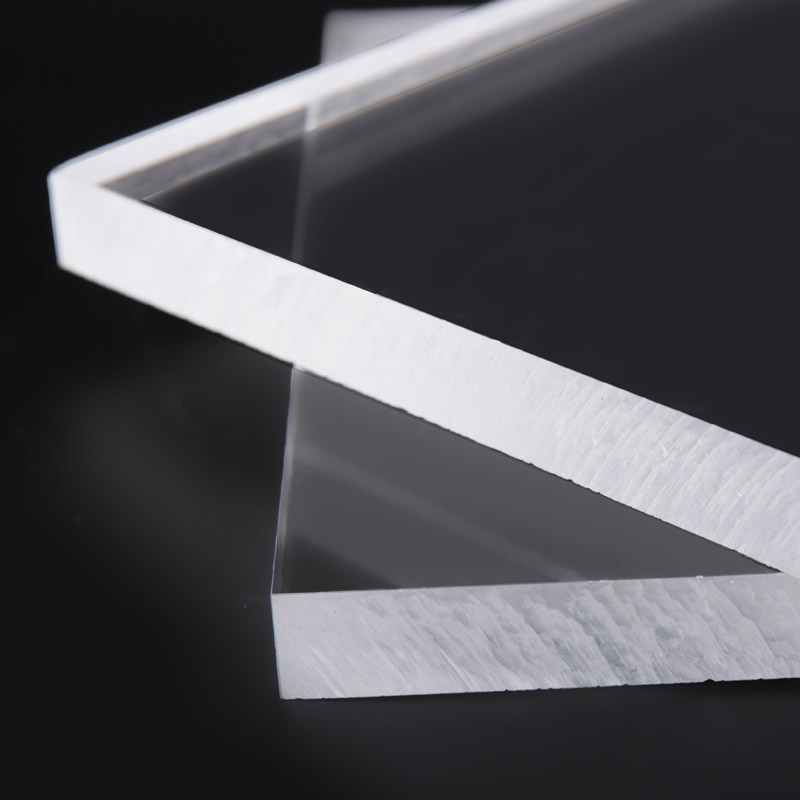
One of Oleg's popular products is the clear acrylic sheet, and our strong production capacity ensure...
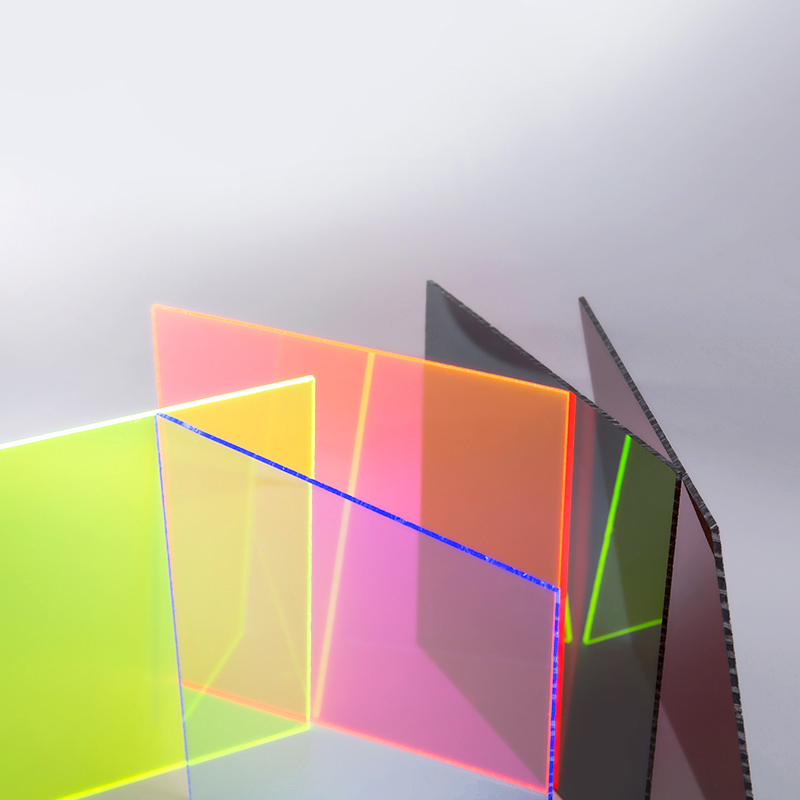
Oleg's products, whose raw material is virgin from Mitsubishi. OLEG is one of the TOP 5 cast acrylic...
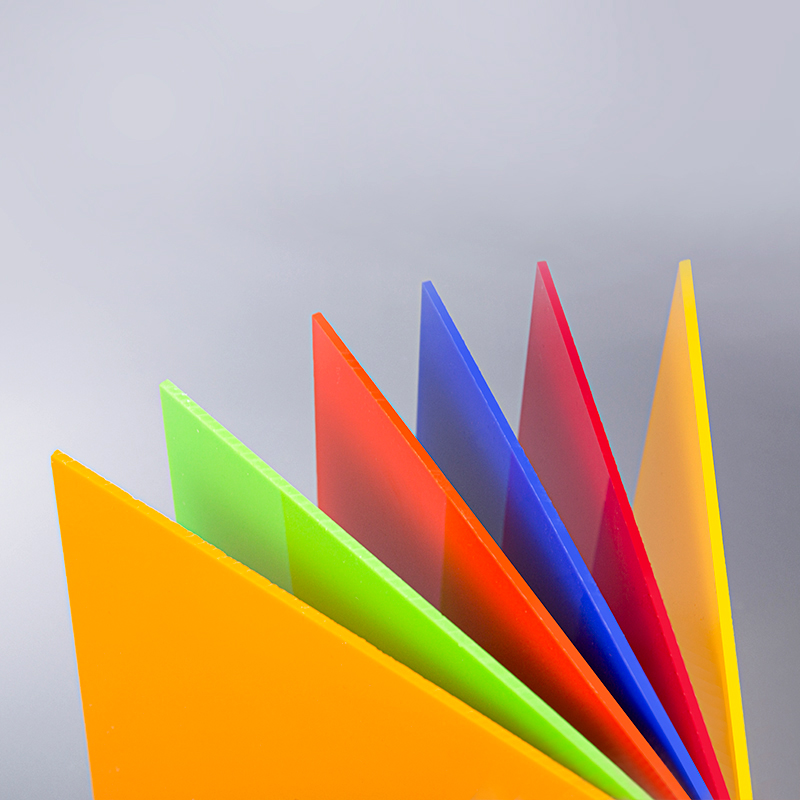
OLEG’s product, whose raw material is virgin from Mitsubishi. The color is highly uniform, pure and...
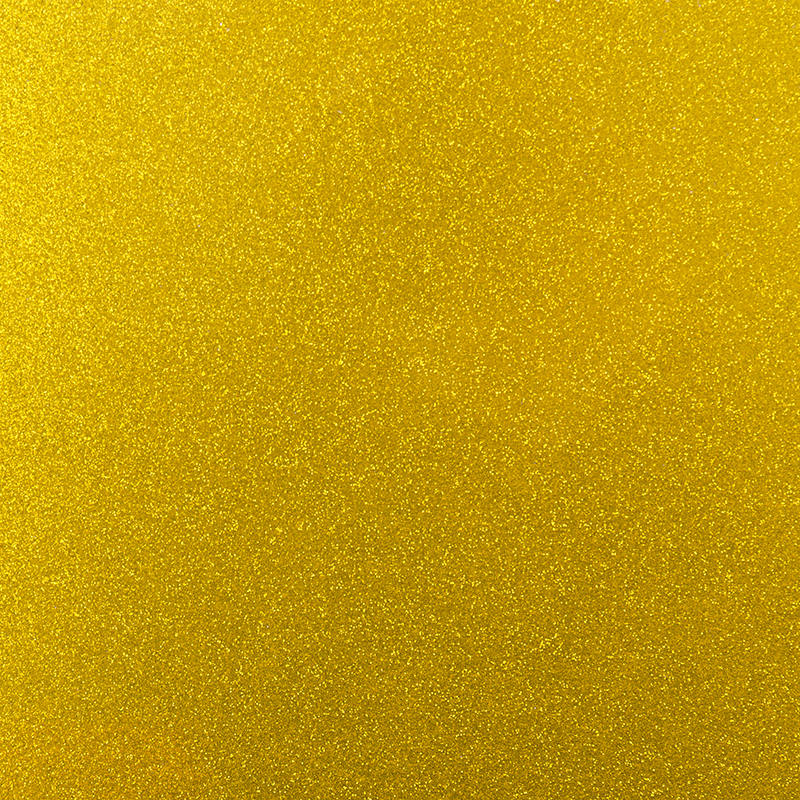
Golden acrylic sheet has tiny gold glitters in the material, which cause a luxurious effect. • Relia...
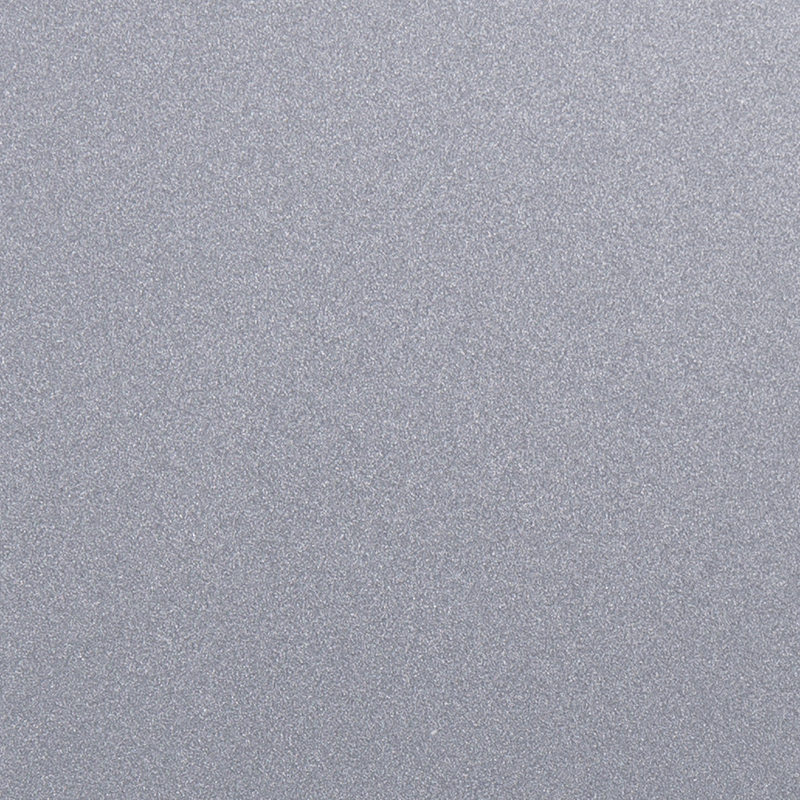
Silver acrylic sheet has tiny silver glitters in the material, which creating an elegant effect. • A...
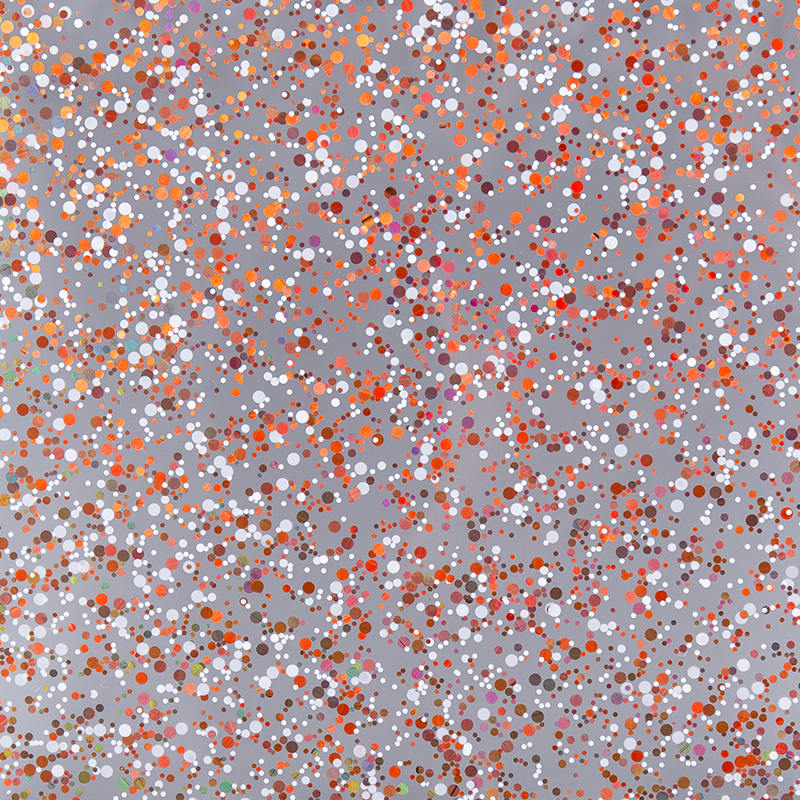
Tiny colored glitters are added to the transparent material to create a colorful and joyful visual e...
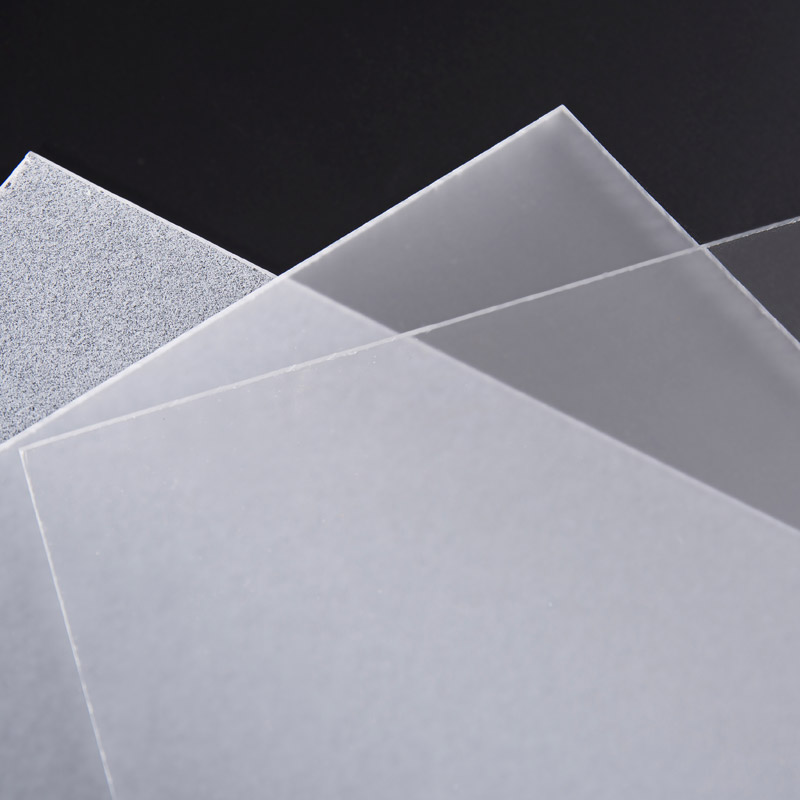
OLEG is a professional manufacturer of cast acrylic sheet, offering high quality products, attractiv...
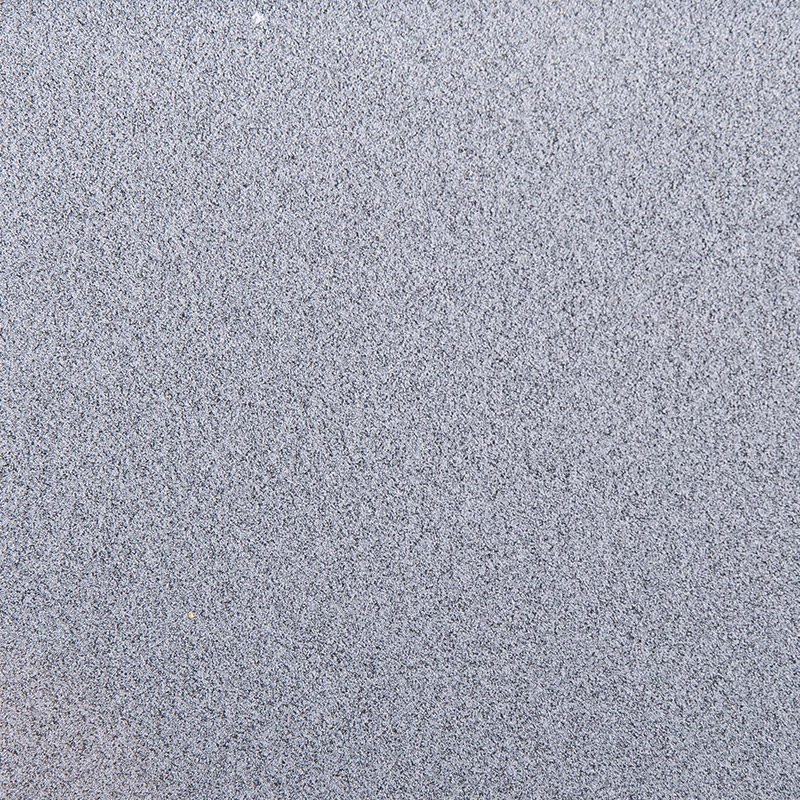
OLEG double side frosted acrylic sheet features a matte finish on both sides. Its modern appearance ...
• UV Resistance: Resistant to degradation from UV light, maintains its original color and clarity ov...

