

 English
 عربى
عربى Español
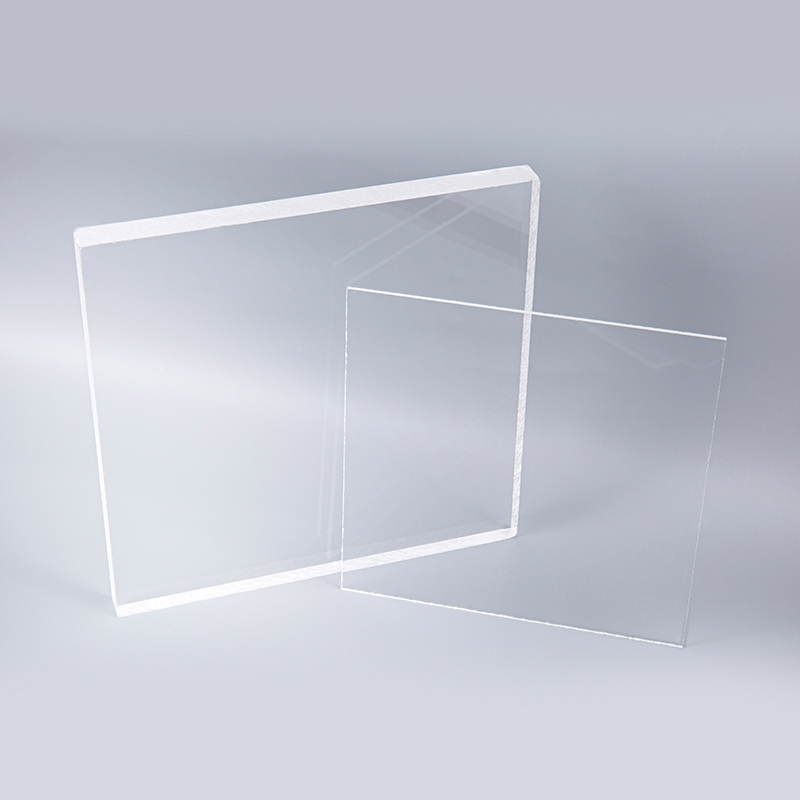
High-Strength Clear Acrylic Sheet
One of Oleg's popular products is the clear acrylic sheet, and our strong production capacity ensure...



Content
Color Cast Acrylic refers to acrylic (PMMA) sheets where pigments or dyes are integrated throughout the material during the casting process — rather than applied as a surface coating. In the casting process, liquid monomer (methyl methacrylate, MMA) mixed with colorants is poured into molds and polymerized slowly, producing a solid sheet with uniform color and consistent molecular structure. This batch‑style manufacturing method yields sheets with superior optical clarity, structural integrity, and uniform pigment distribution. Because the color penetrates the full thickness, scratches or edge wear are less noticeable compared to surface‑coated alternatives, resulting in long‑lasting, visually consistent panels.
Not all acrylic sheets are created equal. Compared with continuous extrusion or surface‑coated acrylic, color cast acrylic stands out due to the unique way it's made. Unlike extruded acrylic (often less expensive), cast acrylic generally offers better clarity, less internal stress, and a smoother, more stable surface. Moreover, when color is introduced during casting, the hue remains consistent even after cutting, polishing, or long-term use — unlike surface‑painted sheets which may chip or scratch.
One of the main draws of color cast acrylic sheets is their vivid, uniform coloration combined with impressive optical performance. Because of the casting process, the color permeates the entire sheet, resulting in deep, saturated hues that do not rely on surface coatings. At the same time, the acrylic retains much of acrylic's inherent clarity: even colored variants can transmit or diffuse light well, making them suitable for illuminated signage, light boxes, or decorative panels. This balance of strong color and transparency is hard to achieve with many plastics or painted materials.
Another key benefit lies in the physical robustness and ease of fabrication of colored cast acrylic. Because of its dense molecular structure and stable manufacturing, it tends to be more impact‑resistant and less prone to warping than many cheaper plastics — while being significantly lighter than glass. This makes it a practical choice for applications that demand both durability and style. Moreover, the material is easy to cut, machine, polish, or thermoform for custom shapes, granting designers and fabricators great flexibility.
Because of its combination of aesthetic appeal, structural strength, and processability, color cast acrylic is extraordinarily versatile. Whether you are working on signage, interior design, furniture elements, or creative art installations, colored acrylic offers a flexible material foundation. Designers and fabricators often choose it when they want a durable, attractive, and customizable alternative to glass, painted wood, or other plastics.
One of the most common uses of colored cast acrylic sheet for signage is in retail displays, store signage, exhibition booths, and illuminated advertising. The inherent color, combined with acrylic's clarity and workability, makes it perfect for creating eye‑catching and durable signage that stands out. Because the color is throughout the material, the panels maintain a clean look even after cutting into letters, shapes, or logos — which is critical for branding and professional presentation.
Beyond signage, designers often employ color cast acrylic panels in architectural and interior design projects, as well as in furniture fabrication. The material's blend of color, transparency or opacity, and structural stability offers design freedom: from modern partitions and room dividers to stylish furniture surfaces and accent panels. Because it is lighter than glass and easier to handle, it can be used for decorative or functional elements without the complexity or risk associated with heavy glass.
Artists, makers, and custom‑project designers value color cast acrylic for its creative flexibility. Whether you're building decorative sculptures, colorful installations, custom furniture, or small-scale art pieces, colored acrylic provides a reliable medium that balances aesthetics, strength, and workability. Because of its machinability and uniform color, you can produce consistent, high-quality pieces for bespoke design with fewer worries about surface coatings wearing off.
If you plan to cut or shape color cast acrylic, you need to be mindful of its material properties. Because of the dense molecular structure typical of cast acrylic, it tends to deliver cleaner, smoother edges when cut — but you still need to use appropriate tools and techniques to avoid chipping, cracking, or melting. Laser cutting, CNC routing, sawing or hand‑cutting are all possible depending on thickness and project needs. It's also wise to test settings (cutting speed, power, feed rate) before committing to full‑scale fabrication, especially for colored sheets, as pigments may affect how the material absorbs heat.
Maintaining colored cast acrylic over time is relatively simple compared to many materials — but some care is still needed to preserve its appearance and structural integrity. Because the color is throughout the sheet, minor scratches or surface wear tend to be less visible than on surface‑coated materials. Regular cleaning with gentle, non‑abrasive solutions helps avoid micro‑scratches. Avoid harsh solvents (like acetone) which might damage the surface or cause crazing. For outdoor or high‑use installations, UV‑stabilized variants of acrylic are recommended to minimize color fading or yellowing over time.
When deciding between color cast acrylic sheets and their clear counterparts, one primary consideration is how color and light transmission interact. Clear acrylic is ideal when you need maximum transparency and unobstructed visibility, such as in protective barriers, display cases, or windows. Colored cast acrylic, on the other hand, adds a design dimension: color can convey mood, brand identity, or aesthetic style while still offering translucence or light diffusion. The trade‑off is that, depending on the opacity and pigment concentration, colored acrylic may transmit less light than clear sheets — which can be desirable (for diffused light effects) or limiting (if maximum clarity is required).
From a durability and maintenance viewpoint, colored cast acrylic vs clear cast acrylic durability often favors colored acrylic in contexts where visual wear — scratches, scuffs, dirt — matters. Colored acrylic tends to hide imperfect surfaces better over time, meaning less frequent polishing or replacement than clear acrylic which shows scratches and dirt more readily. However, if transparency and absolute clarity are essential, clear acrylic remains unbeatable. Maintenance efforts, cleaning regime, and replacement cycles depend a lot on use-case. For projects where design longevity and aesthetic stability matter — e.g. signage, displays, decorative interiors — colored acrylic can offer lower total cost-of-ownership over time.
| Aspect | Colored Cast Acrylic | Clear Cast Acrylic |
| Color & Aesthetic Flexibility | High — multiple hues, uniform color | None (transparent) |
| Light Transmission | Variable (depends on pigment/opacity) | Maximum (nearly full transparency) |
| Visibility / Transparency | Reduced (if opaque or pigmented) | Very High |
| Maintenance — Visual Wear | Scratches less visible, hides wear | Shows scratches/dirt more clearly |
| Best Use Cases | Signage, displays, decorative panels, ambient lighting | Windows, protective shields, clear displays |
Choosing color cast acrylic sheet for signage or design projects is often a strategic decision: beyond mere material selection, it reflects intent about aesthetics, longevity, brand identity, and maintenance. For designers, architects or builders who care about how a space or display feels — not just looks fresh on day one, but maintains that look over months or years — colored cast acrylic offers many advantages. When projects involve light diffusion, signage, branding, or color‑driven design schemes, colored acrylic provides a durable, customizable canvas. Additionally, because it's workable, lightweight, and safer than glass, it simplifies installation and reduces long-term upkeep. In short, colored cast acrylic is not “just plastic” — it's a thoughtfully engineered material that bridges form, function and design flexibility.

Yes — colored cast acrylic can be a very good choice for outdoor signage, provided that the sheet is produced with UV‑stable pigments or additives. Because the color is integrated throughout the thickness, it resists wear and color peeling that painted or surface‑coated materials might suffer. However, prolonged exposure to harsh sunlight, moisture, or extreme weather will challenge any plastic — so using UV‑resistant formulations and proper mounting/installation practices is important. With correct material selection and maintenance, color cast acrylic sheets can retain their color vibrancy and structural integrity for many years outdoors.
Yes — you can cut color cast acrylic with standard tools like fine‑tooth saws, CNC routers, or even laser cutters — but you must pay attention to tool settings and material behavior. Because cast acrylic has a denser molecular structure, it often produces smoother, cleaner edges with less chipping compared to other plastics. That said, pigments in colored acrylic can affect heat absorption during laser cutting, so it's wise to test on a small scrap first, adjust power or speed, and avoid overheating which could cause melting or edge deformation. With proper technique and care, color cast acrylic is highly workable for custom shapes and designs.
Typically, colored cast acrylic may cost slightly more than clear cast acrylic of comparable thickness — due to added pigments and possibly smaller-batch manufacturing. However, from a lifecycle perspective, colored acrylic often offers lower maintenance costs: multi‑hue panels hide minor scratches or scuffs better, reducing the need for frequent polishing or replacement. In environments where appearance and durability matter — such as retail displays, signage, or decorative installations — the long-term value of colored cast acrylic can outweigh any initial cost difference. Over time, the savings in maintenance, replacements, and upkeep can make colored cast acrylic a more cost‑effective material.
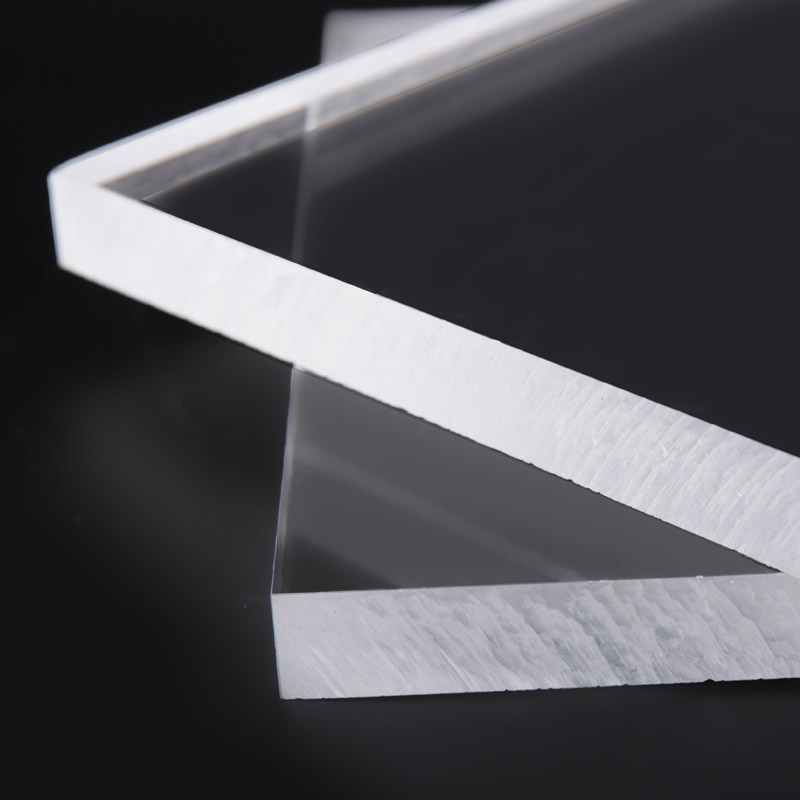
One of Oleg's popular products is the clear acrylic sheet, and our strong production capacity ensure...
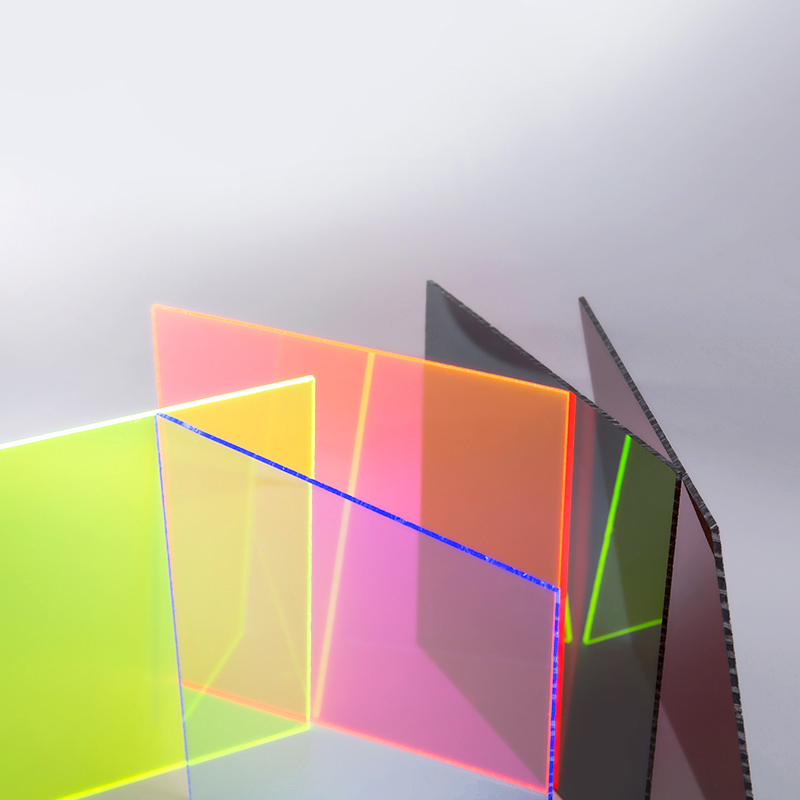
Oleg's products, whose raw material is virgin from Mitsubishi. OLEG is one of the TOP 5 cast acrylic...
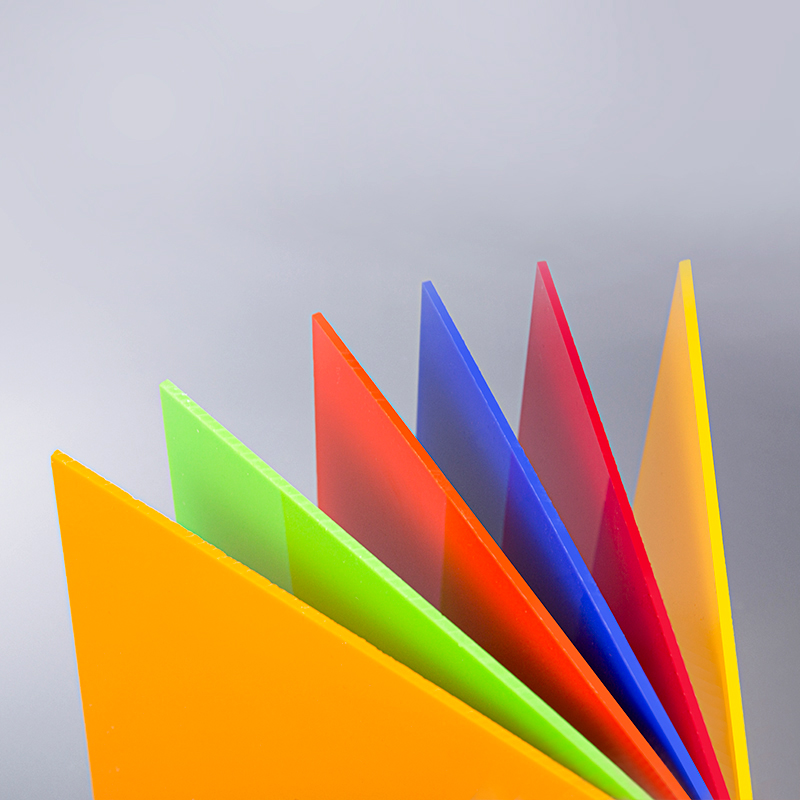
OLEG’s product, whose raw material is virgin from Mitsubishi. The color is highly uniform, pure and...
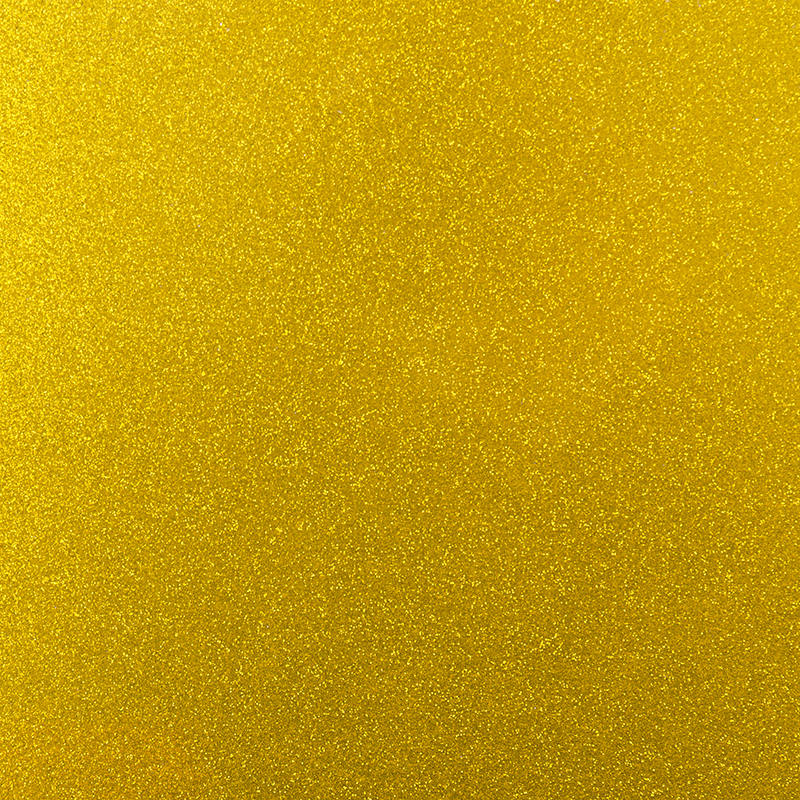
Golden acrylic sheet has tiny gold glitters in the material, which cause a luxurious effect. • Relia...
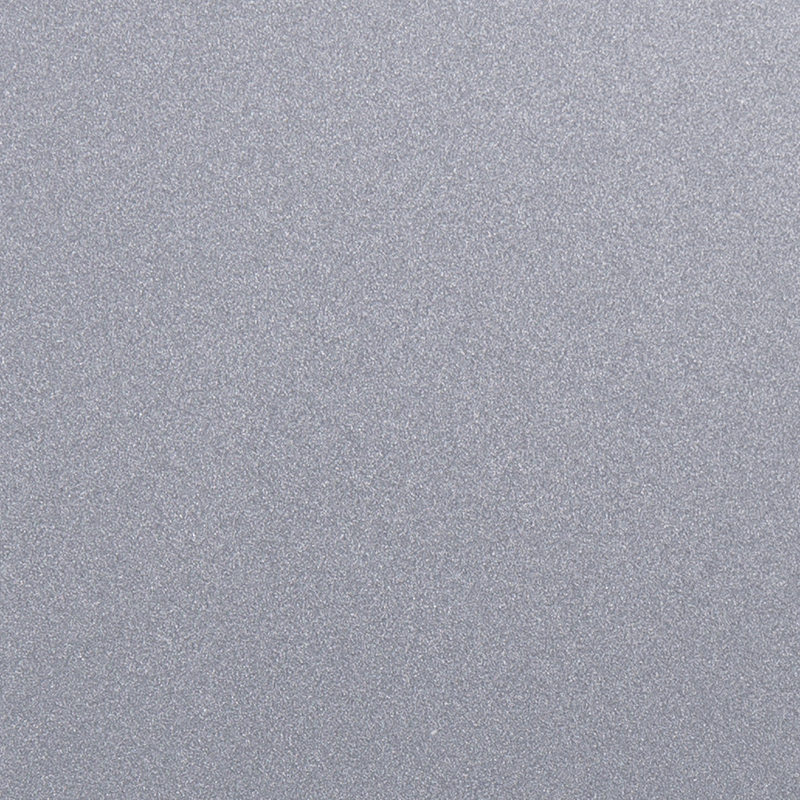
Silver acrylic sheet has tiny silver glitters in the material, which creating an elegant effect. • A...
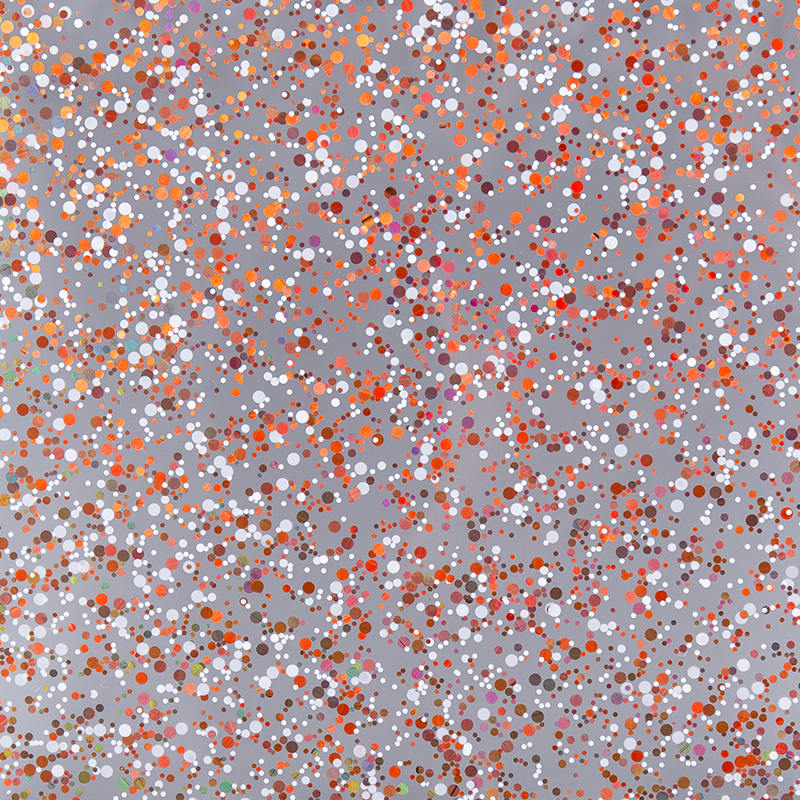
Tiny colored glitters are added to the transparent material to create a colorful and joyful visual e...
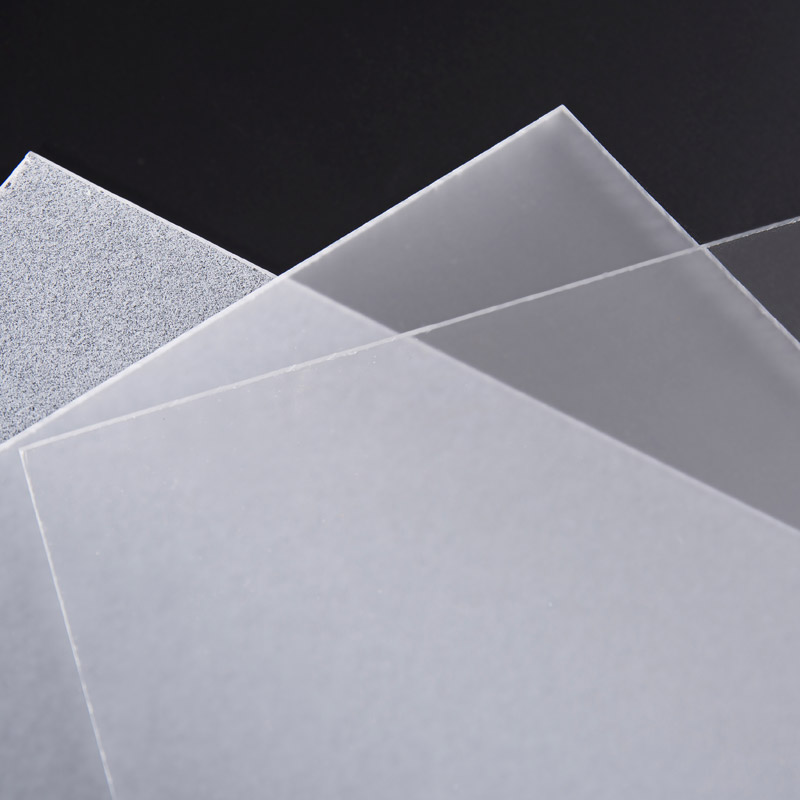
OLEG is a professional manufacturer of cast acrylic sheet, offering high quality products, attractiv...
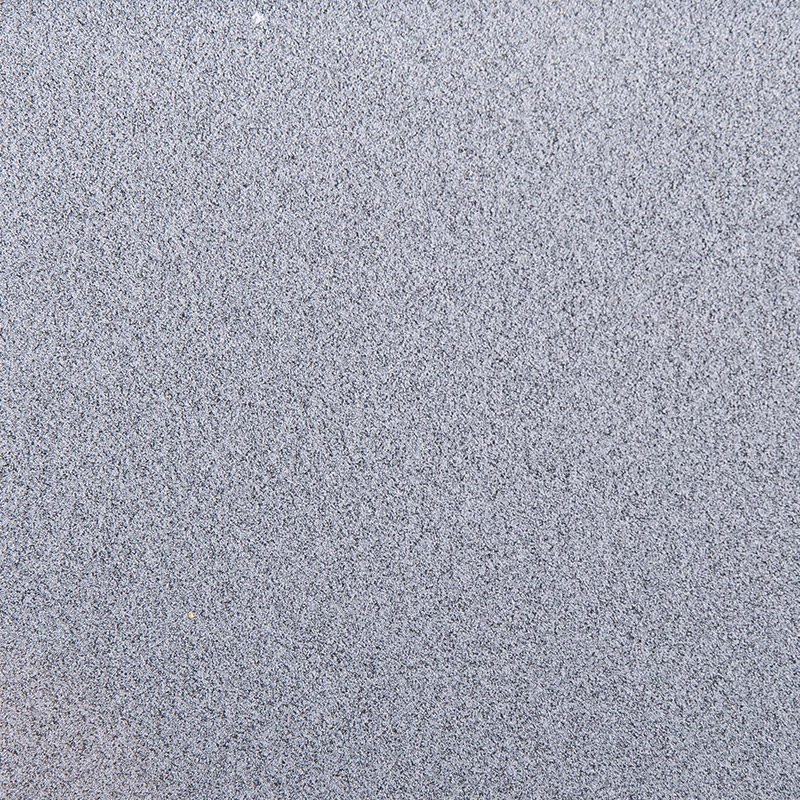
OLEG double side frosted acrylic sheet features a matte finish on both sides. Its modern appearance ...
• UV Resistance: Resistant to degradation from UV light, maintains its original color and clarity ov...

