

 English
 عربى
 Español

High-Strength Clear Acrylic Sheet
One of Oleg's popular products is the clear acrylic sheet, and our strong production capacity ensure...



Content
Three suppliers receive the same drawing for a frosted acrylic light diffuser. One quotes 4.20 USD per sheet against a color already in production, the second asks for a 600 USD tooling fee before quoting, and the third asks who will own the color formula when the project ends. That gap is the entire OEM vs ODM acrylic sheet service question, and it decides who controls your design, your tooling and your repeat orders for years.
Neither model is a quality tier. Both can run on the same casting line to the same GB/T 7134-2008 premium grade. What changes is who supplies the design, who pays for it first, and who keeps the right to sell that exact sheet to your competitors.
An OEM acrylic sheet service means you own the specification and the supplier manufactures to it. An ODM acrylic sheet service means the supplier owns the design, the color formula or the sheet construction and sells you the finished article, with or without your own brand on the packaging and protective film.
OEM: your design, their line. ODM: their design, your brand.
Ownership is the part buyers underestimate. In practice, three assets change hands, and each one carries a different price and a different risk.
Most real projects sit between the two poles. Private-label ODM, where you select an existing cast sheet and add your own film print, is the fastest route to market. A full OEM program only pays back once volume repeats.
The difference shows up in seven procurement variables: who owns the specification, who controls the color formula, who pays tooling, minimum order quantity, first-order lead time, unit price at volume and exclusivity.
| Variable | OEM service | ODM service |
| Specification owner | Buyer | Supplier catalog |
| Color formula control | Buyer, matched or newly developed | Supplier palette |
| Tooling and sampling cost | Paid by buyer, typically 500 to 3,000 USD | Absorbed by supplier |
| Typical minimum order | 1 to 2 tonnes per SKU per run | From 100 to 300 sheets, mixed colors possible |
| First-order lead time | 4 to 7 weeks including sampling | 2 to 4 weeks |
| Unit price at volume | Lower, buyer carries design cost separately | Slightly higher, design cost amortised per sheet |
| Exclusivity | Can be granted for a color, thickness or market | Rarely granted |
| Best fit | Long-run branded and architectural programs | Short runs, market tests, small-batch design work |
These are typical ranges quoted across the Chinese cast acrylic sheet market. Thickness, color complexity, surface finish and packing method move every number.
Below roughly 500 sheets a year for a single color, ODM almost always wins on total cost. Above 2,000 sheets a year in a repeating program, OEM is cheaper and far easier to audit.
Choose ODM when
Choose OEM when
The hidden cost sits in the middle band between those two lines. Buyers who order 800 to 1,500 sheets per color often pay OEM tooling fees for a sheet a supplier already produces in a near-identical shade.
A supplier that can run both models needs spare casting capacity, an in-house color lab and a documented quality standard, because OEM orders consume the same line time that ODM catalog stock depends on.
Hangzhou Oleg International Trade Co., Ltd., trading as OLEG, has manufactured cast acrylic sheet since 2013. Its Zhejiang base in Huzhou runs six casting lines with an annual output of 35,000 tonnes. A second base in Jingmen, Hubei, started production in 2025 with eight lines and a design capacity of 45,000 tonnes, bringing combined capacity to the 80,000 tonne level. Products are made to GB/T 7134-2008 premium grade and, in the company's own assessment, exceed it in a number of cases.
On the ODM side, buyers select from an existing palette covering clear, translucent color, frosted, glitter and UV-resistant grades, then apply their own film print. The published color catalog makes that selection concrete and shortens approval cycles considerably.
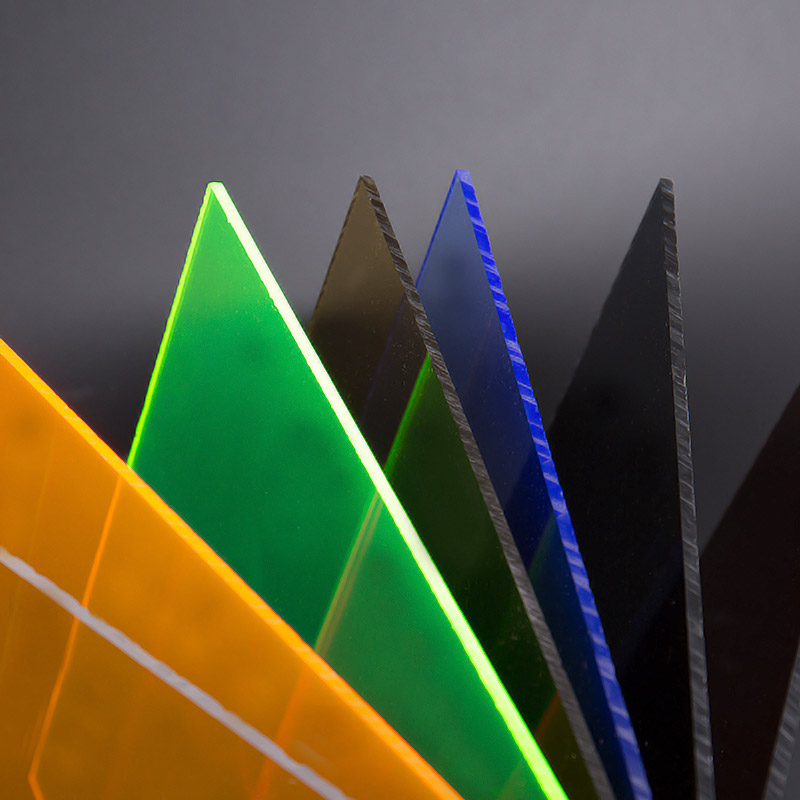 Color Acrylic Sheet SupplierAs a high-performance decorative material, Color Acrylic Sheet is widely used in many fields such as architecture, advertising and home decoration with its rich colors...View Product →
Clear sheets remain the highest-volume ODM item, used in glazing, retail display and signage where light transmission above 92 percent matters more than color. High-strength clear grades extend that into barriers and machine guards, where impact resistance replaces glass.
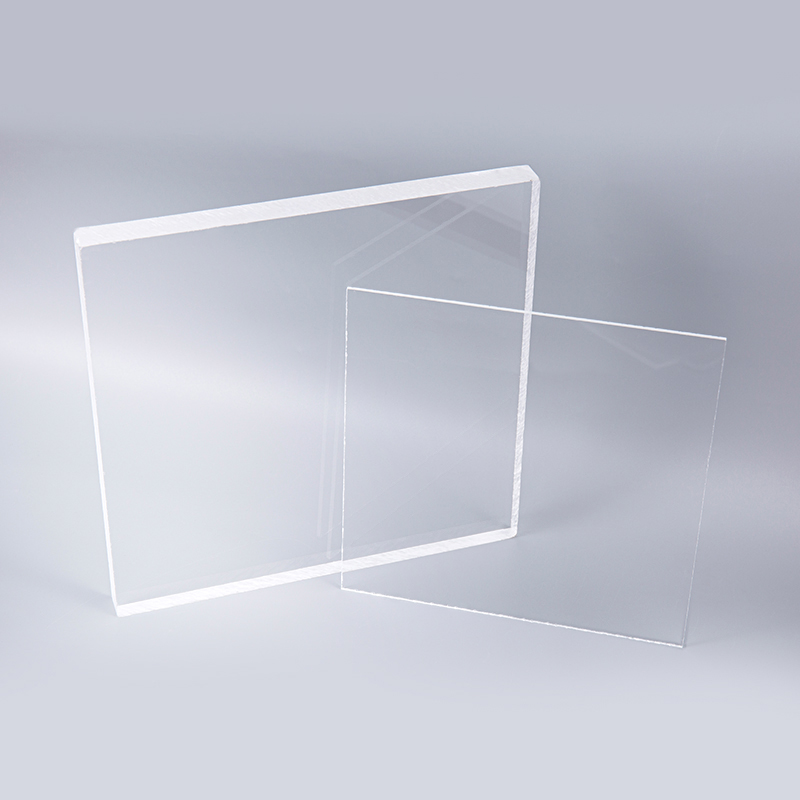 Clear Acrylic Sheet Supplier100 percent Virgin Mitsubishi MaterialsView Product →
Frosted grades carry the opposite job. Single-sided frosted sheet spreads light evenly behind a fixture, while double-sided frosted sheet blocks sightlines in office partitions. Both are common ODM requests because the finish is already standardised.
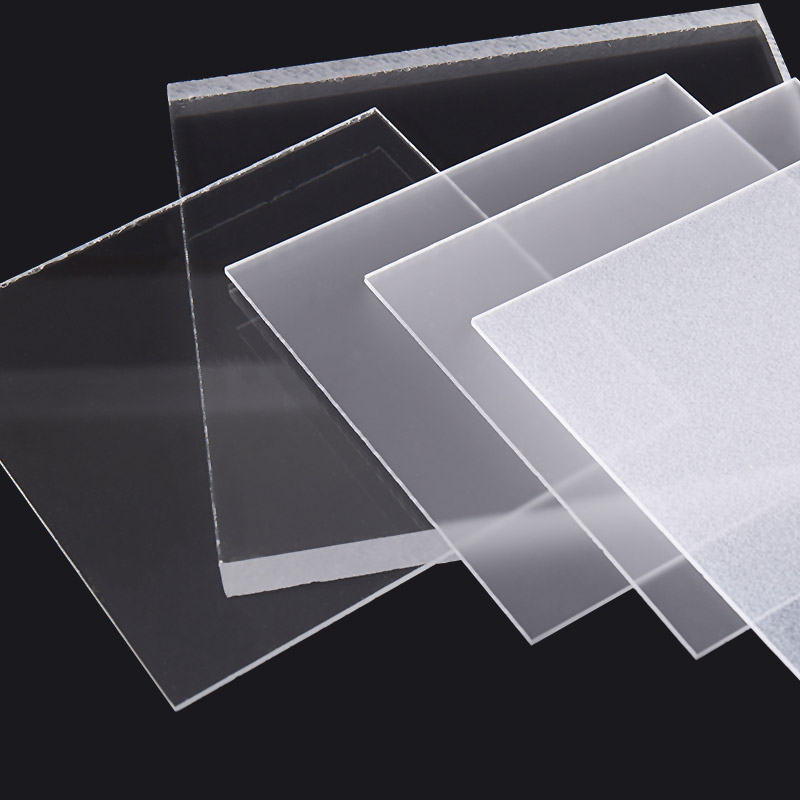 Frosted Clear Acrylic Sheet SupplierFrosted Acrylic Sheet, with its unique texture and wide range of applications, has become the preferred choice of materials for modern decoration and functionality. We...View Product →
On the OEM side, the buyer defines thickness, light transmission, diffusion level, UV package and film artwork, and the supplier holds the formula and batch record for repeat runs. The Hubei expansion reported in the company's plant announcement is the clearest signal of where that custom volume is expected to come from.
OEM adds two to four weeks and roughly 500 to 3,000 USD of front-end cost, then saves 5 to 12 percent per sheet at volume. ODM removes that front-end risk and prices the development work into every sheet you buy.
Typical first-delivery lead time, cast acrylic sheet
The break-even is easy to calculate and rarely calculated. At a 0.35 USD per-sheet gap and a 600 USD sampling and plate fee, OEM pays back at approximately 1,700 sheets. Below that line you are buying control you will not use; above it, ODM quietly costs more every month.
Most OEM and ODM disputes trace back to five clauses that were never written down before the first production run.
A written tolerance clause protects more margin than a five percent discount ever will.
No. OEM carries a higher front-end cost, usually 500 to 3,000 USD for sampling, color matching and film plates, but the unit price at volume typically runs 5 to 12 percent lower because development cost is not amortised into every sheet. At a 0.35 USD per-sheet gap and a 600 USD tooling fee, OEM breaks even at roughly 1,700 sheets and wins from there.
Yes. Private-label ODM is standard practice in the cast acrylic trade. The supplier keeps the sheet specification and you supply artwork for the film print, which is a one-off plate cost. The sheet itself stays a catalog item, so lead times stay short and minimum quantities stay low.
The buyer owns it only if the contract says so. A workable OEM agreement names the formula, sets a color matching tolerance such as Delta E 1.0 or tighter, states the allowed thickness range, and confirms whether the supplier may reuse the blend for other customers. Without those four points, you have paid for tooling and received nothing exclusive.
Six to nine weeks in most cases: one to two weeks for sampling and color matching, up to one week for written approval, then three to four weeks for casting, annealing, cutting and packing. ODM orders shipped from existing stock typically clear in two to four weeks. Add a week for third-party inspection or certification samples.
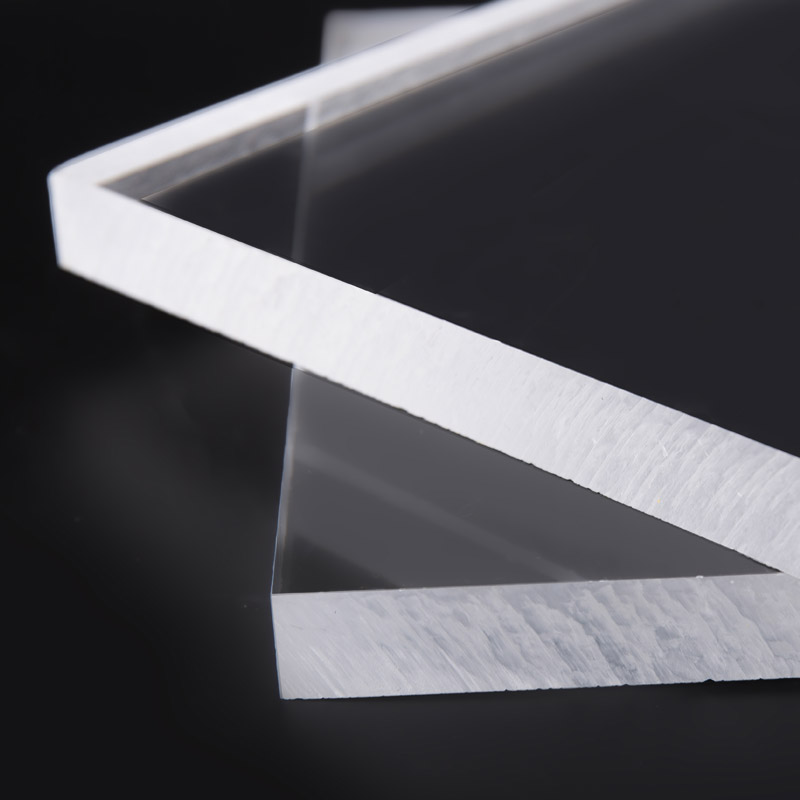
One of Oleg's popular products is the clear acrylic sheet, and our strong production capacity ensure...
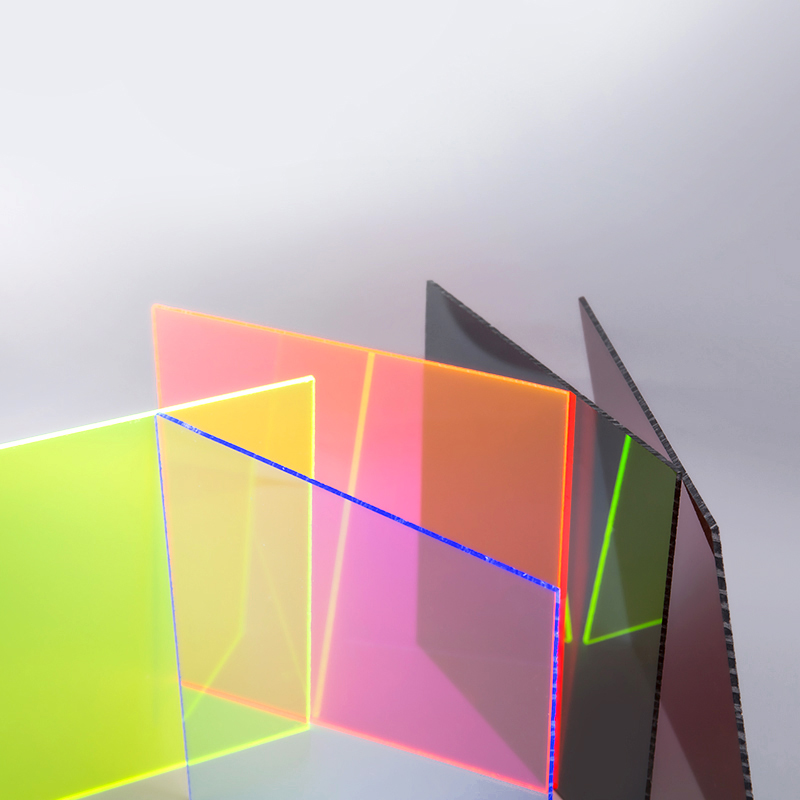
Oleg's products, whose raw material is virgin from Mitsubishi. OLEG is one of the TOP 5 cast acrylic...
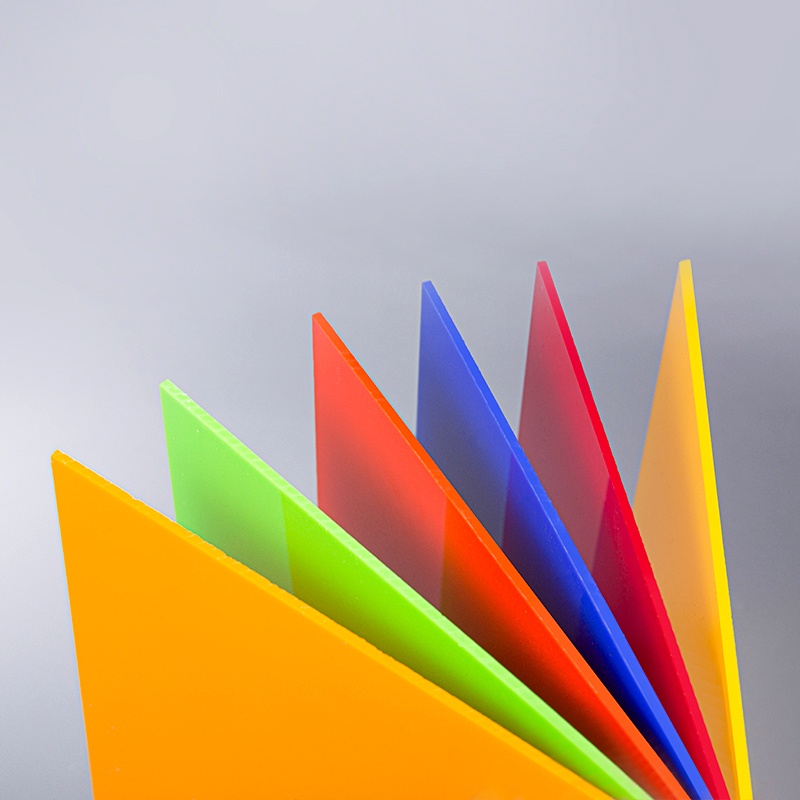
OLEG’s product, whose raw material is virgin from Mitsubishi. The color is highly uniform, pure and...

Golden acrylic sheet has tiny gold glitters in the material, which cause a luxurious effect. • Relia...
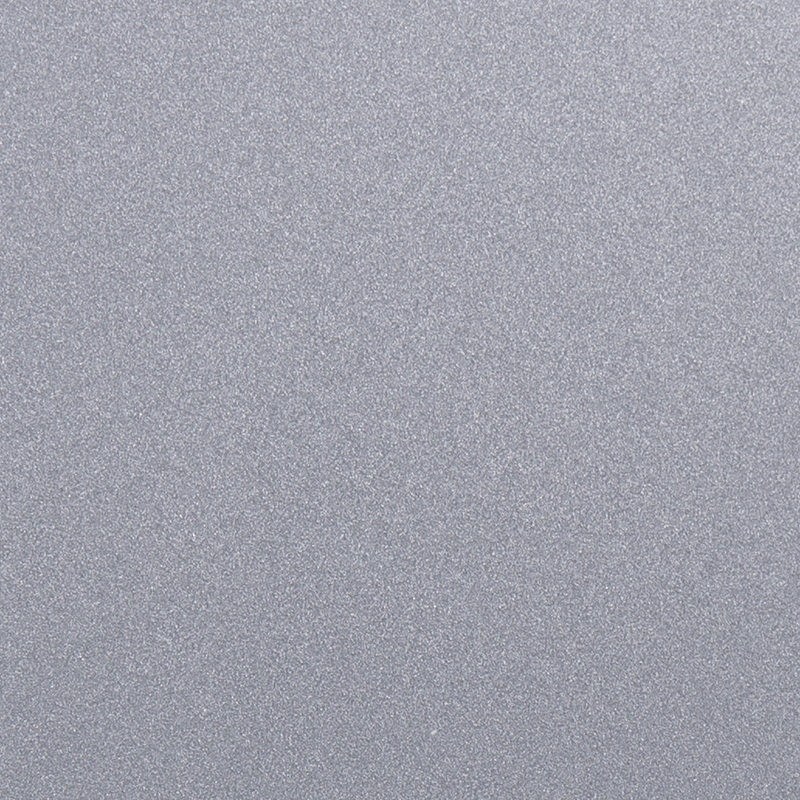
Silver acrylic sheet has tiny silver glitters in the material, which creating an elegant effect. • A...
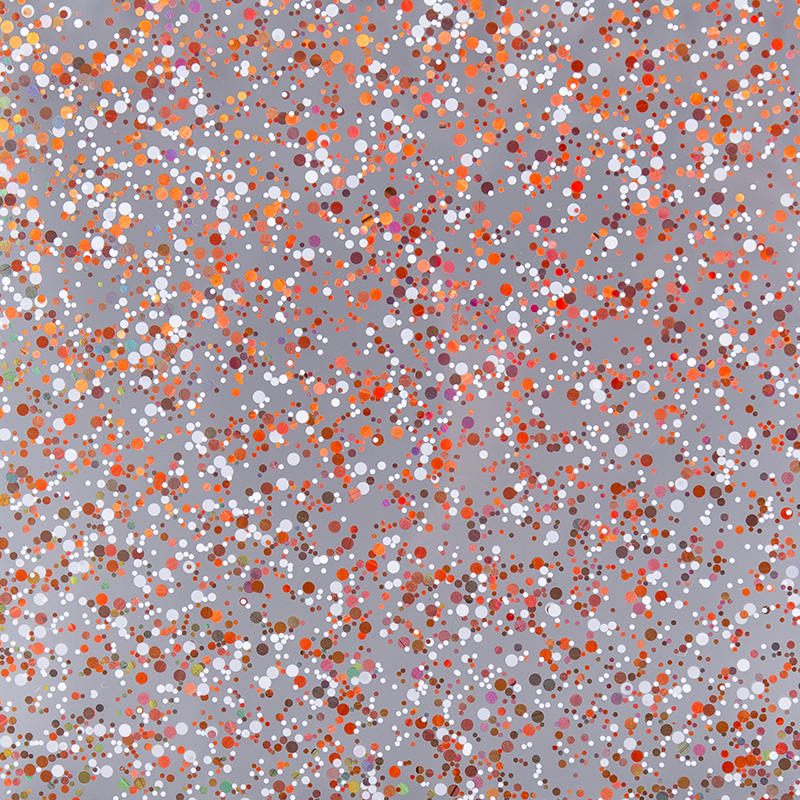
Tiny colored glitters are added to the transparent material to create a colorful and joyful visual e...
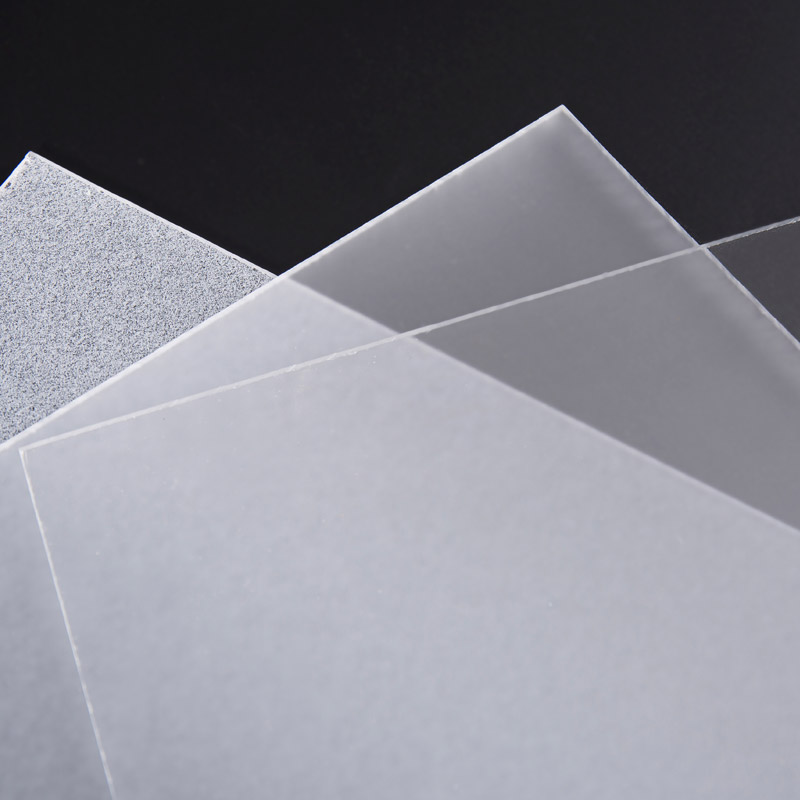
OLEG is a professional manufacturer of cast acrylic sheet, offering high quality products, attractiv...
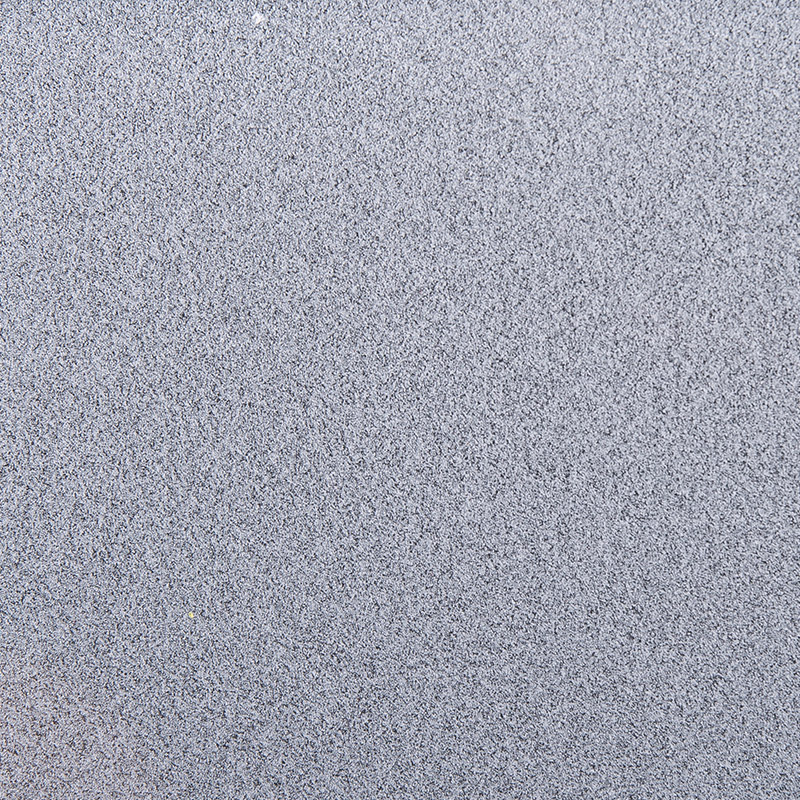
OLEG double side frosted acrylic sheet features a matte finish on both sides. Its modern appearance ...
• UV Resistance: Resistant to degradation from UV light, maintains its original color and clarity ov...

