

 English
 عربى
عربى Español
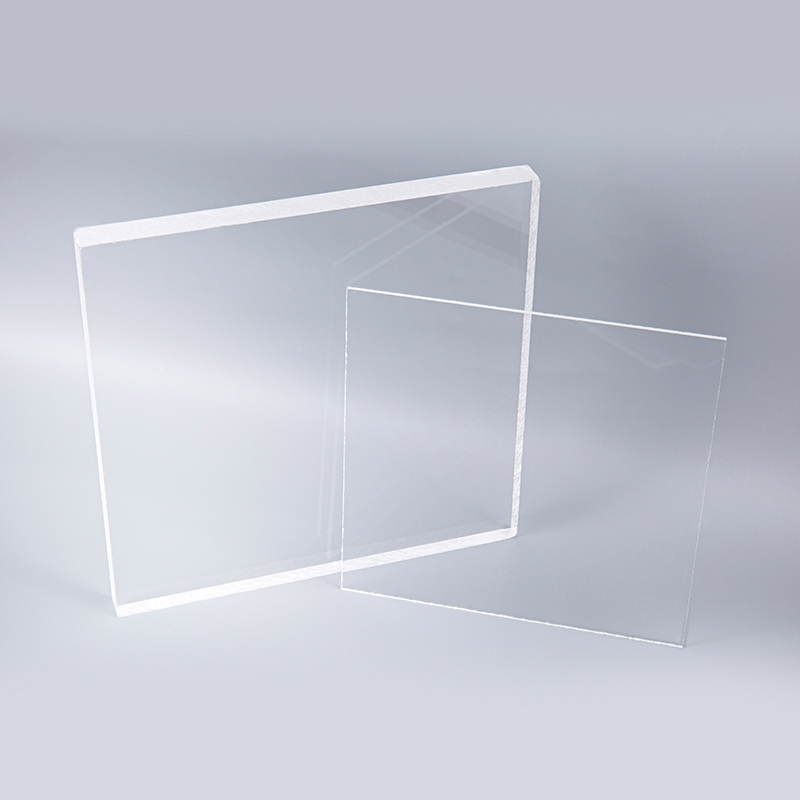
High-Strength Clear Acrylic Sheet
One of Oleg's popular products is the clear acrylic sheet, and our strong production capacity ensure...



Content
1. The spectral transmittance curve of clear colored acrylic sheets is the fundamental blueprint for determining which specific nanometer bands are attenuated or allowed to pass through the polymer matrix.
2. When evaluating how colorants affect acrylic spectral properties, engineers utilize spectrophotometers to map the light intensity across the 380nm to 780nm visible range and into the near-infrared (NIR) spectrum.
3. For a precision clear colored acrylic sheets application, understanding the "cutoff" wavelength is critical for optical filtering, where the material must block harmful UV or laser radiation while maintaining high visual clarity.
4. The impact of dye concentration on acrylic light transmission is non-linear; increasing the pigment load shifts the absorption peak, which can be quantified using the L*a*b* color space model to ensure batch-to-batch consistency with a Delta E of less than 1.0.
1. Why clear colored acrylic is used for laser shielding involves its ability to absorb specific coherent light wavelengths, such as 532nm (green) or 1064nm (ND:YAG), effectively acting as a protective barrier for industrial laser cabins.
2. Investigating how heat bending affects clear colored acrylic color consistency is vital during secondary processing; excessive temperatures can cause localized pigment thinning, leading to "light leaks" that compromise the safety of a laser shield.
3. In a clear colored acrylic sheets protective assembly, the material must maintain a high tensile strength—typically 70 to 80 MPa—to withstand potential mechanical impacts without fracturing, according to ISO 7823-1 standards.
4. Achieving a consistent Ra surface finish through diamond polishing ensures that incident laser beams do not scatter uncontrollably at the interface of the clear colored acrylic sheets, preserving the integrity of the optical path.
1. Testing the UV resistance of clear colored acrylic sheets is mandatory for outdoor architectural applications, as photochemical reactions can trigger the breaking of polymer chains, resulting in a measurable increase in the yellowness index and a shift in the transmittance curve.
2. The benefits of cast vs extruded colored acrylic for optics are significant; cell-cast sheets offer superior molecular weight distribution, which prevents "metamerism"—where colors appear different under TL84 versus D65 light sources—more effectively than extruded variants.
3. Optimizing the color retention of tinted PMMA sheets requires the integration of hindered amine light stabilizers (HALS) that neutralize free radicals generated during prolonged Xenon arc weathering tests.
4. Comparative Optical Performance Matrix:
| Optical Property | Standard Tinted Acrylic | Optical-Grade clear colored acrylic sheets |
| Transmittance Tolerance | +/- 5 percent | +/- 1 percent |
| Haze (ASTM D1003) | < 2.0 percent | < 1.0 percent |
| Surface Roughness (Ra) | 0.1 micrometers | 0.03 micrometers |
| tensile strength | ~65 MPa | >75 MPa |
1. Analyzing the impact of pigment type on acrylic tensile strength confirms that high-purity organic dyes do not act as stress concentrators, allowing the sheet to maintain its structural flexural modulus even under thermal load.
2. The clear colored acrylic sheets must exhibit a high heat deflection temperature (HDT) of approximately 95 to 105 degrees Celsius to ensure that the spectral filter does not warp in high-intensity lighting environments.
3. Does recycled MMA monomer affect colored acrylic clarity? Data indicates that using rMMA (recycled methyl methacrylate) can introduce microscopic impurities that scatter light, making virgin MMA the only suitable choice for high-precision optical filtering and laser shielding.
1. Can clear colored acrylic sheets block 100 percent of UV radiation?
Most optical-grade clear colored acrylic sheets are formulated to block over 99 percent of UV light below 400nm. For specific laser shielding, the spectral curve must be customized to provide an Optical Density (OD) rating suitable for the specific laser class.
2. How does thermoforming affect the filtering properties?
If the material is stretched during vacuum forming, the pigment density per square millimeter decreases. This "thinning" effect can shift the spectral transmittance curve and must be compensated for during the initial sheet extrusion or casting phase.
3. Why is Delta E important for brand-sensitive applications?
In architectural and retail design, a Delta E greater than 1.0 is often visible to the human eye. Engineering clear colored acrylic sheets with precise spectrophotometric control ensures that panels installed side-by-side appear identical.
4. What is the maximum operating temperature for these optical sheets?
The continuous service temperature is typically 80 degrees Celsius. Above this point, the physical properties begin to degrade, and the spectral curve may shift due to polymer expansion and pigment agitation.
5. Is there a difference in clarity between dyed and pigmented sheets?
Yes. Dyes are molecularly dissolved, providing the highest clarity for clear colored acrylic sheets. Pigments are suspended particles and, if not finely dispersed, can increase the haze value (ASTM D1003).
1. ISO 7823-1: Plastics — Poly(methyl methacrylate) sheets — Types, dimensions and characteristics.
2. ASTM D1003: Standard Test Method for Haze and Luminous Transmittance of Transparent Plastics.
3. CIE 15: Colorimetry — Technical report on color measurement and L*a*b* standards.
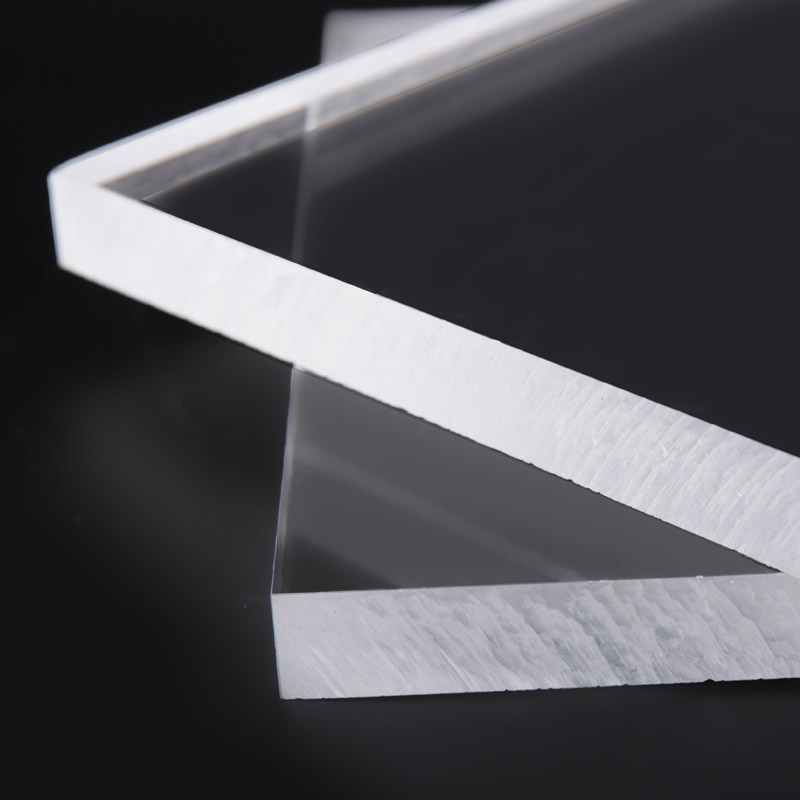
One of Oleg's popular products is the clear acrylic sheet, and our strong production capacity ensure...
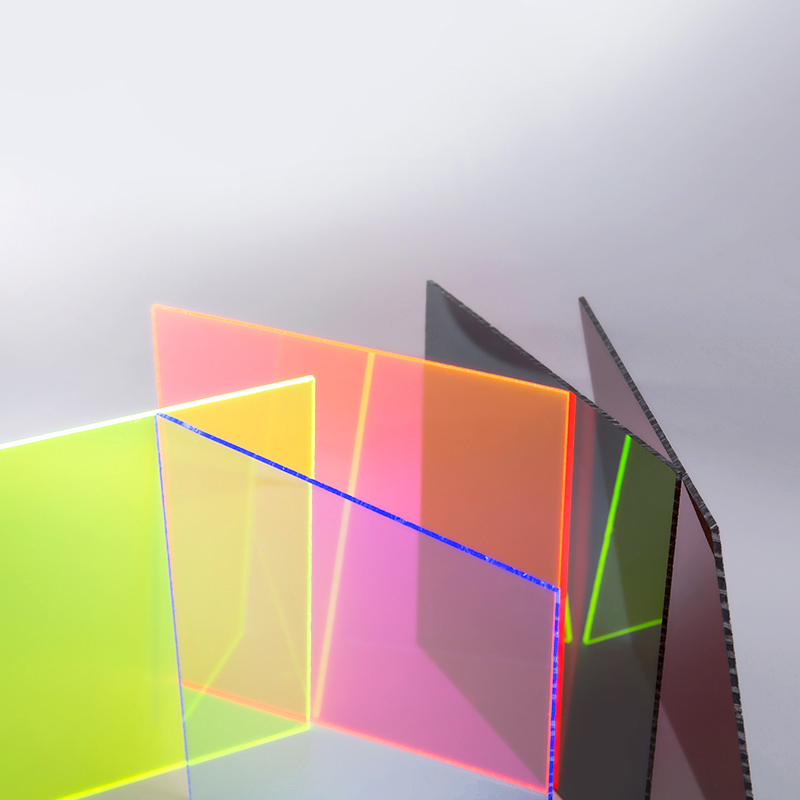
Oleg's products, whose raw material is virgin from Mitsubishi. OLEG is one of the TOP 5 cast acrylic...
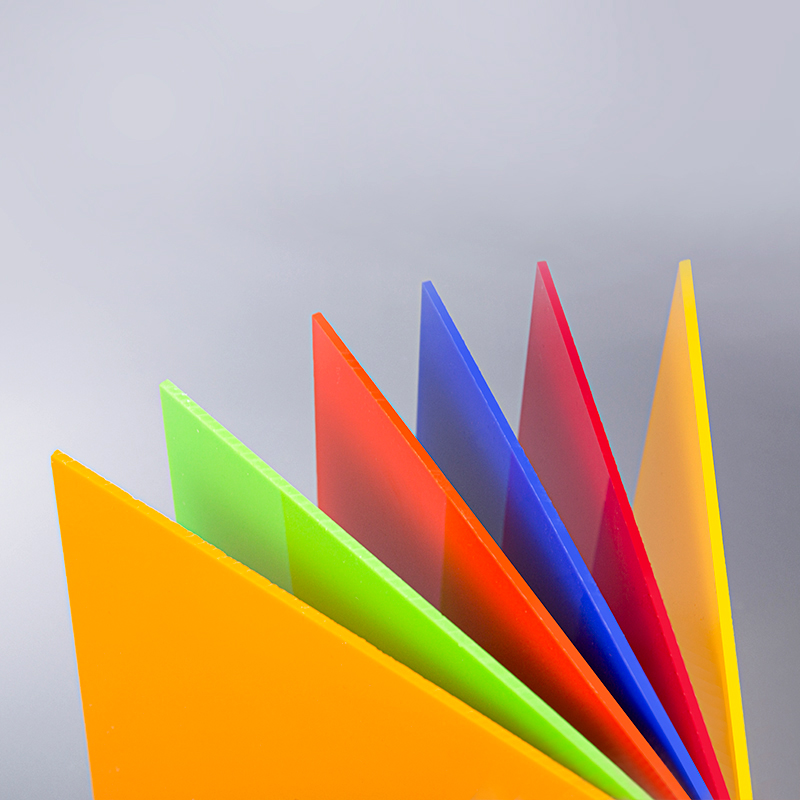
OLEG’s product, whose raw material is virgin from Mitsubishi. The color is highly uniform, pure and...
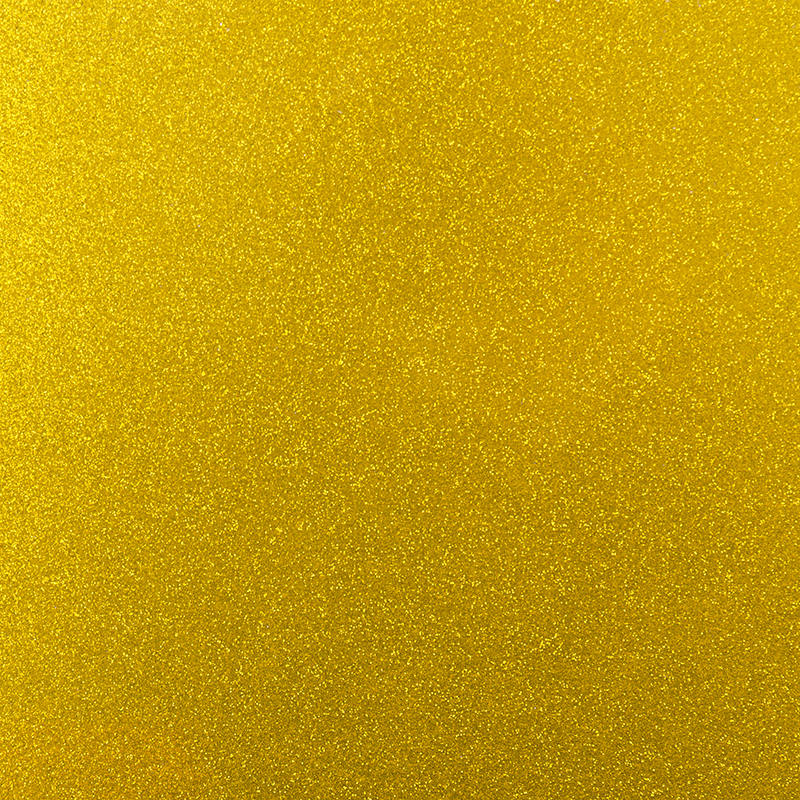
Golden acrylic sheet has tiny gold glitters in the material, which cause a luxurious effect. • Relia...
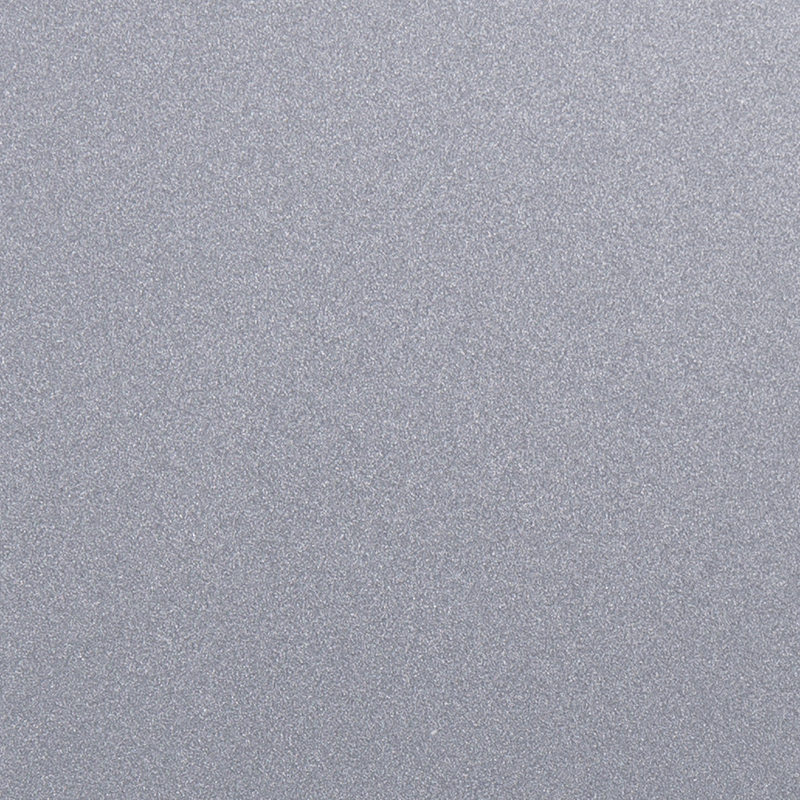
Silver acrylic sheet has tiny silver glitters in the material, which creating an elegant effect. • A...
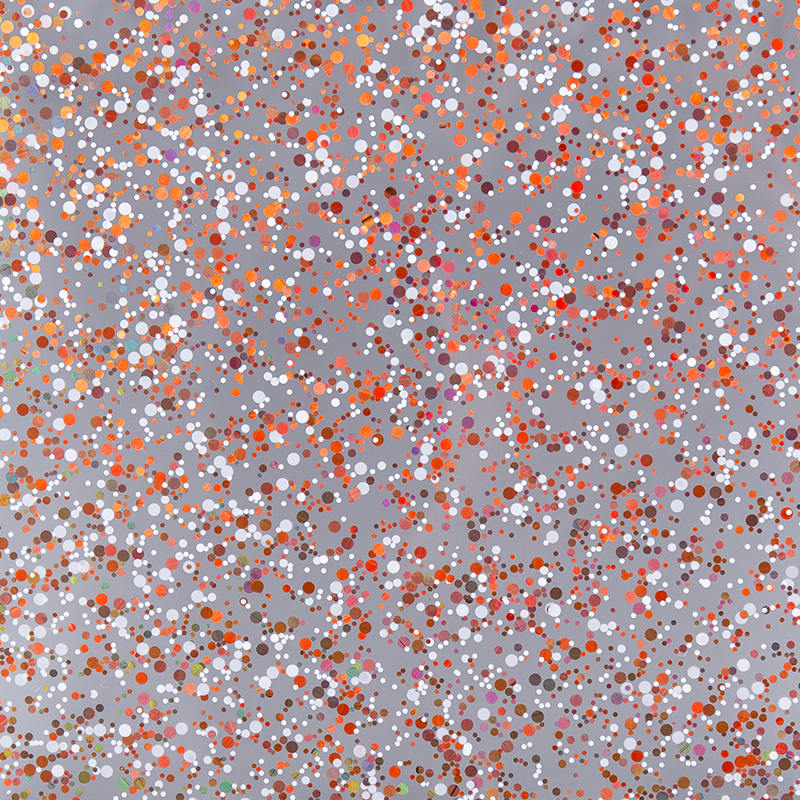
Tiny colored glitters are added to the transparent material to create a colorful and joyful visual e...
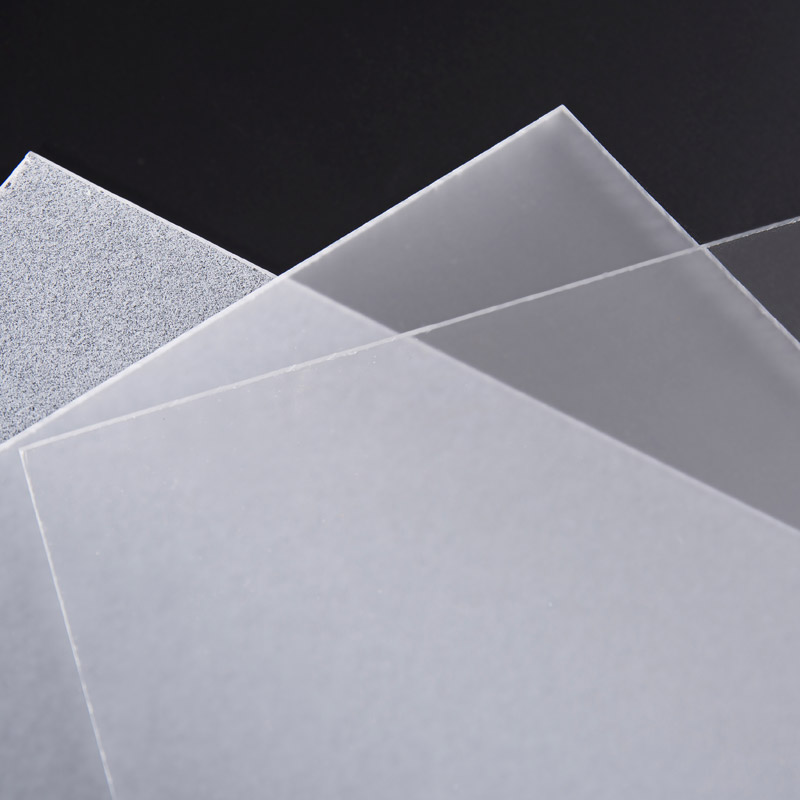
OLEG is a professional manufacturer of cast acrylic sheet, offering high quality products, attractiv...
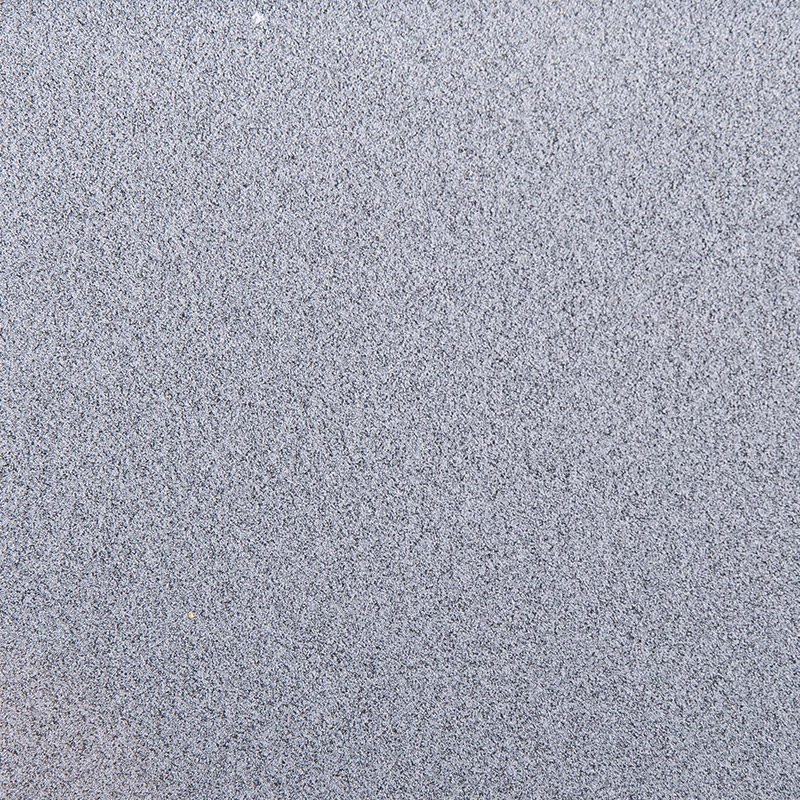
OLEG double side frosted acrylic sheet features a matte finish on both sides. Its modern appearance ...
• UV Resistance: Resistant to degradation from UV light, maintains its original color and clarity ov...

