

 English
 عربى
عربى Español
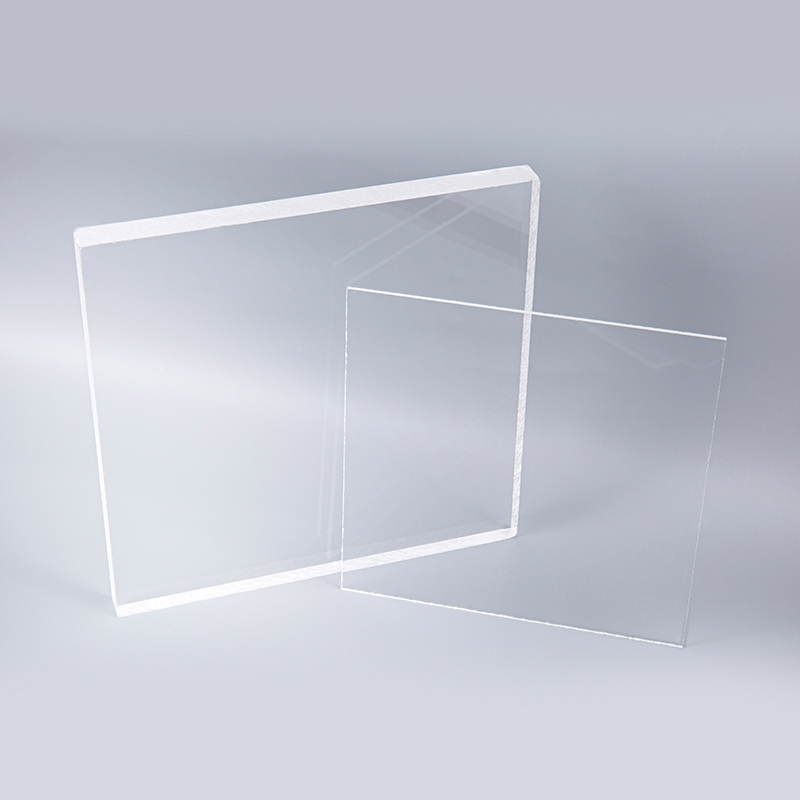
High-Strength Clear Acrylic Sheet
One of Oleg's popular products is the clear acrylic sheet, and our strong production capacity ensure...



Content
1. In the engineering of high-precision optical housings, the thickness tolerance of custom clear acrylic sheets is a primary variable that dictates the optical path length and localized light absorption.
2. When evaluating how thickness variations affect light transmittance, engineers must account for the Beer-Lambert law, where even a 0.1 mm deviation in thickness can shift the total internal reflection (TIR) angles within a protective lens assembly.
3. For custom clear acrylic sheets, maintaining a tight tolerance according to ISO 7823-1 standards ensures that the refractive index remains consistent across the entire aperture of the optical housing.
4. Analyzing the refractive index consistency of clear acrylic at different thicknesses reveals that Polymethyl Methacrylate (PMMA) maintains a stable index of approximately 1.49, provided the manufacturing process minimizes internal density fluctuations.
1. Investigating why laser edge annealing is essential for custom clear acrylic highlights the need to eliminate residual thermal stresses that can lead to birefringence—a phenomenon that polarizes and distorts transmitted light in precision sensors.
2. The impact of Ra surface finish on clear acrylic optical clarity is significant; a surface roughness of less than 0.05 micrometers is required to minimize diffuse reflection and maximize the signal-to-noise ratio in LiDAR or infrared housings.
3. In a custom clear acrylic sheets application, utilizing cell-cast manufacturing rather than extrusion provides a higher molecular weight, resulting in a superior tensile strength of approximately 70-80 MPa and better chemical resistance.
4. Comparing cast vs extruded acrylic for high-precision optics shows that cast sheets offer lower optical distortion and better tensile strength, making them the standard for structural components that must also function as high-clarity windows.
1. Measuring the yellowness index of clear acrylic after UV exposure is a critical metric for outdoor optical housings; UV-stabilized monomers are required to prevent the degradation of light transmittance over a 10-year operational cycle.
2. The chemical resistance of custom clear acrylic sheets to Isopropyl Alcohol (IPA) is a vital consideration during industrial cleaning protocols, as improper solvent exposure can induce stress crazing, permanently clouding the optical path.
3. Optimizing the light transmittance of clear PMMA sheets involves selecting high-purity resins that allow for over 92 percent of visible light to pass through a 3 mm thick substrate, surpassing the performance of standard soda-lime glass.
4. Material Performance Specification Matrix:
| Physical/Optical Property | Standard Extruded Acrylic | custom clear acrylic sheets (Cell-Cast) |
| Light Transmittance (Visible Spectrum) | ~89-90 percent | >92 percent |
| Thickness Tolerance (Standard 3mm) | +/- 0.2 mm | +/- 0.1 mm (Precision Grade) |
| Flexural Modulus | ~3000 MPa | ~3200 MPa |
| Yellowness Index (Initial) | < 1.5 | < 1.0 |
1. Calculating the flexural modulus of custom acrylic under heavy load ensures that the optical window does not deflect under pressure, which would alter the focal point of the internal sensor array.
2. The influence of laser cutting speed on acrylic edge fusion is a key factor in secondary processing; optimized feed rates prevent micro-cracks at the mounting points of the custom clear acrylic sheets.
3. Achieving sub-millimeter tolerances in CNC-machined acrylic requires high-speed spindles and specialized cooling to prevent the material from reaching its glass transition temperature (Tg) of 105°C during the shaping of complex housings.
1. How does a +/- 10% thickness tolerance affect a 92% transmittance rating?
The transmittance is based on the path length. In custom clear acrylic sheets, a thicker section increases the probability of photon absorption. In high-precision housings, this can cause "ghosting" or uneven brightness if the tolerance is not strictly controlled.
2. Why is cell-cast acrylic preferred for CNC-machined optical parts?
Cell-cast material has a higher molecular weight, which prevents it from melting and gumming up the cutting tools. This allows for a much better Ra surface finish directly from the machine, reducing the need for extensive polishing.
3. What is the impact of UV exposure on the refractive index of PMMA?
While the refractive index remains relatively stable, UV-induced degradation increases the "haze" percentage. Using custom clear acrylic sheets with integrated UV absorbers keeps the yellowness index low.
4. Can clear acrylic be used for infrared (IR) applications?
Standard PMMA is transparent to visible light but begins to filter certain IR wavelengths. For specific sensor housings, custom formulations may be required to shift the transmission window.
5. Does annealing really prevent cracking around bolt holes?
Yes. Machining introduces internal stress. Annealing at approximately 80°C for several hours allows the polymer chains to relax, preventing the stress-induced crazing that often occurs when custom clear acrylic sheets are fastened to metal frames.
1. ISO 7823-1: Plastics - Poly(methyl methacrylate) sheets - Types, dimensions and characteristics.
2. ASTM D1003: Standard Test Method for Haze and Luminous Transmittance of Transparent Plastics.
3. ASTM D543: Standard Practices for Evaluating the Resistance of Plastics to Chemical Reagents.
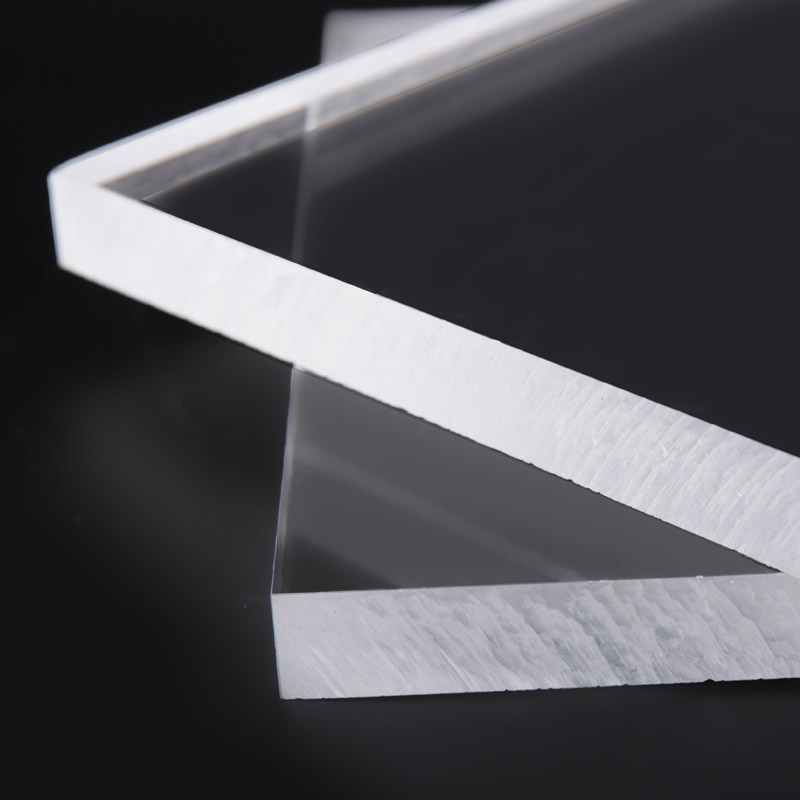
One of Oleg's popular products is the clear acrylic sheet, and our strong production capacity ensure...
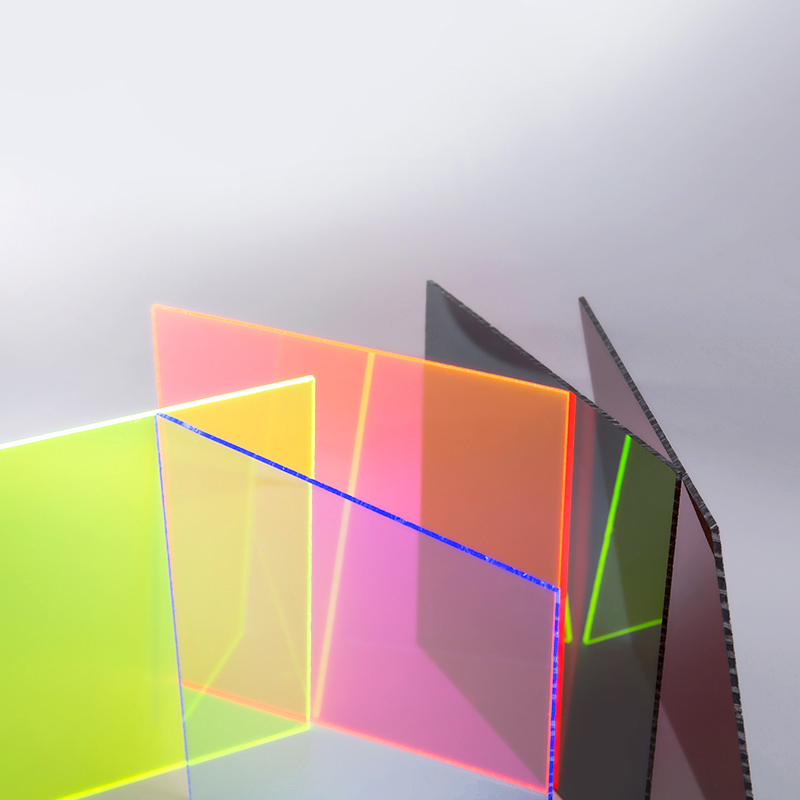
Oleg's products, whose raw material is virgin from Mitsubishi. OLEG is one of the TOP 5 cast acrylic...
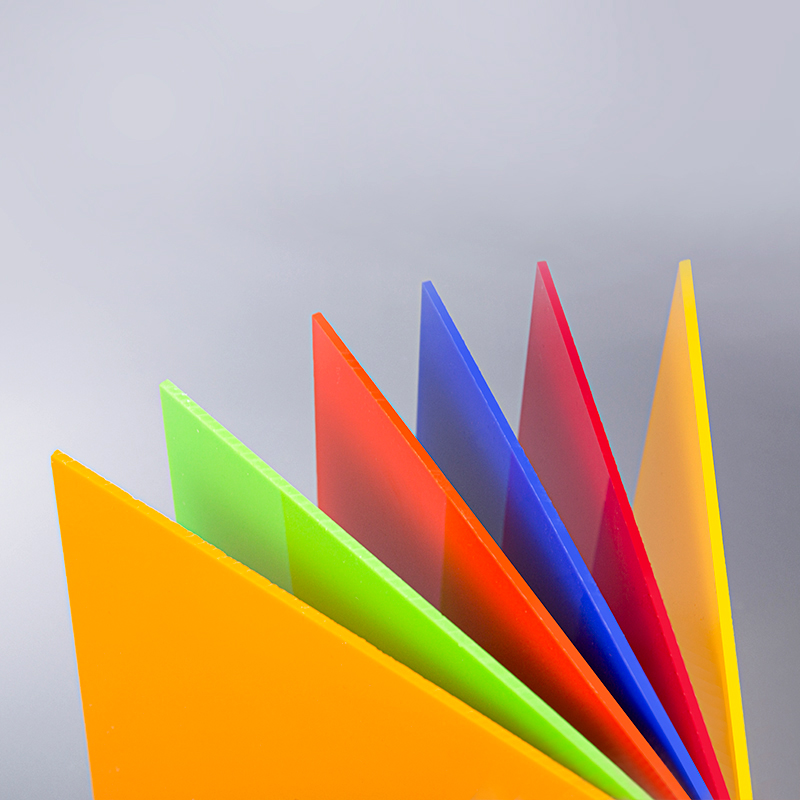
OLEG’s product, whose raw material is virgin from Mitsubishi. The color is highly uniform, pure and...
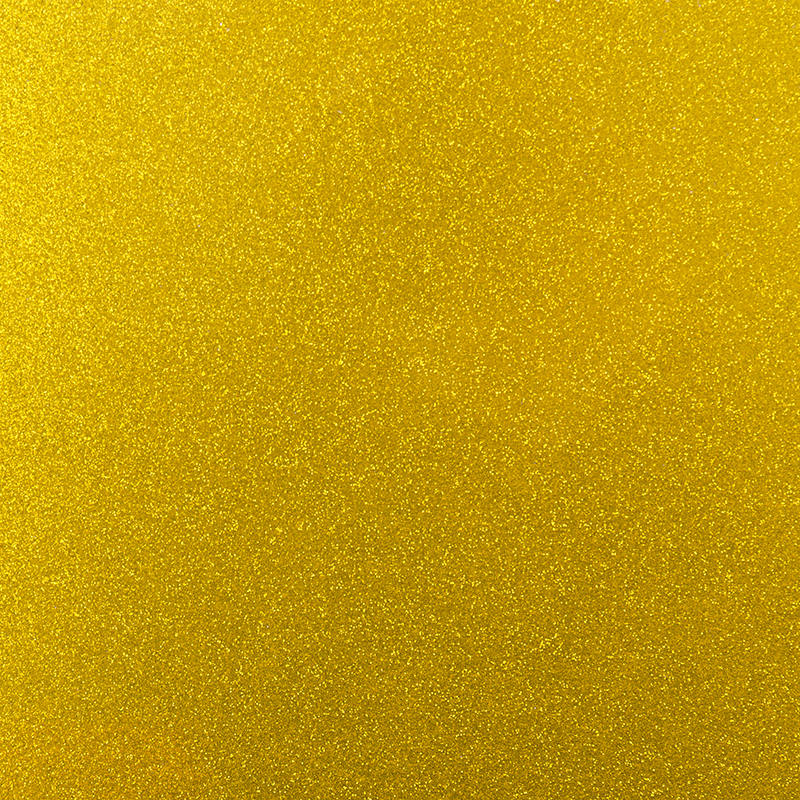
Golden acrylic sheet has tiny gold glitters in the material, which cause a luxurious effect. • Relia...
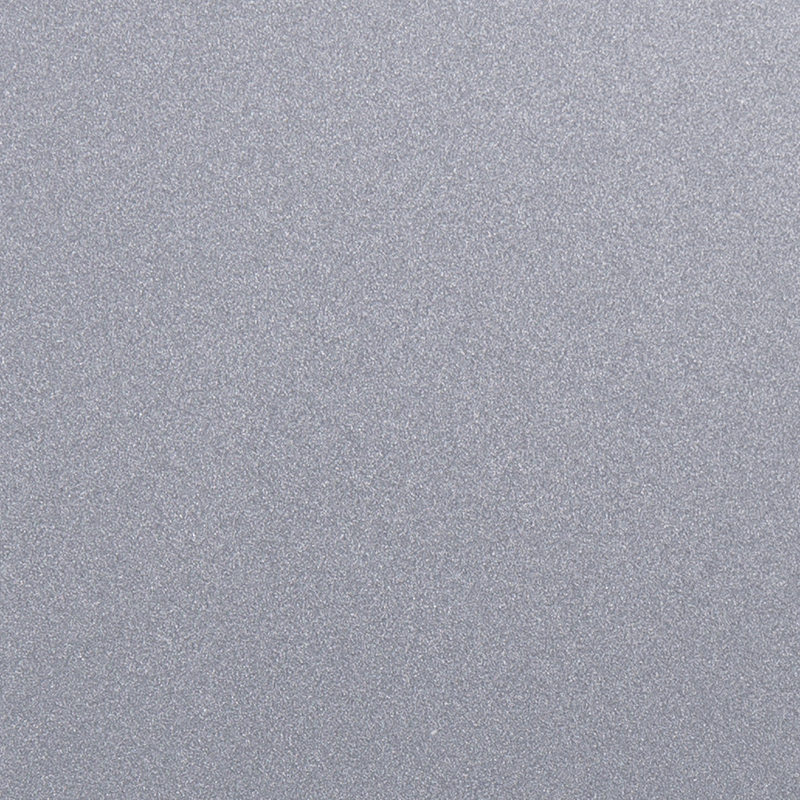
Silver acrylic sheet has tiny silver glitters in the material, which creating an elegant effect. • A...
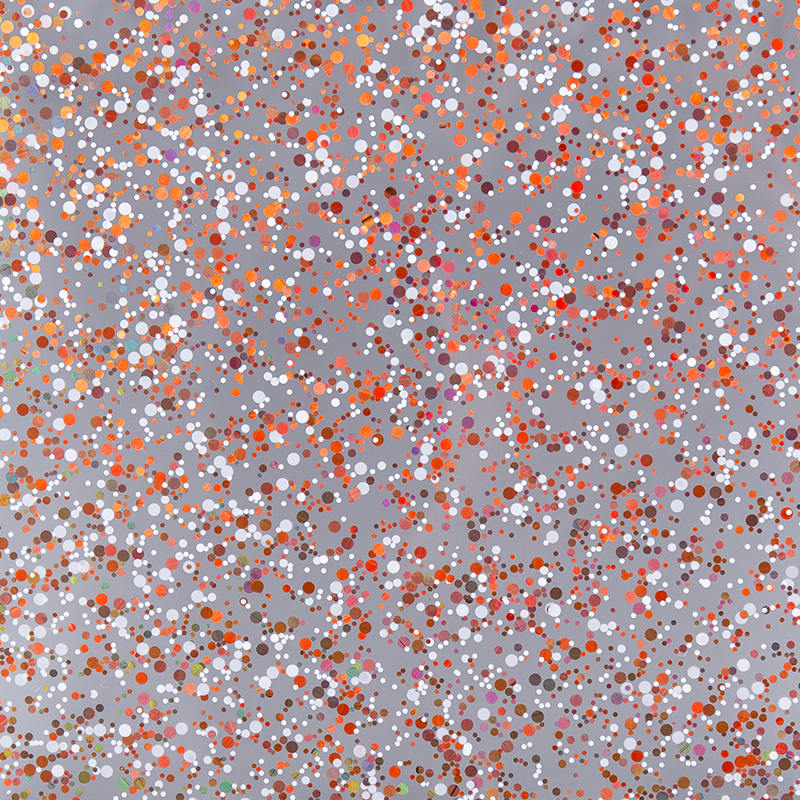
Tiny colored glitters are added to the transparent material to create a colorful and joyful visual e...
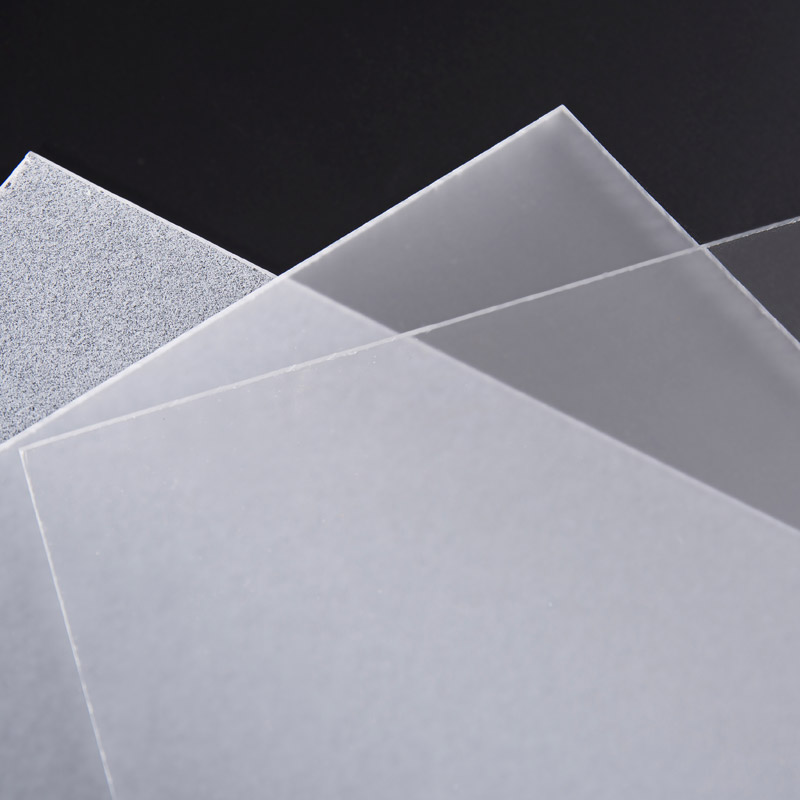
OLEG is a professional manufacturer of cast acrylic sheet, offering high quality products, attractiv...
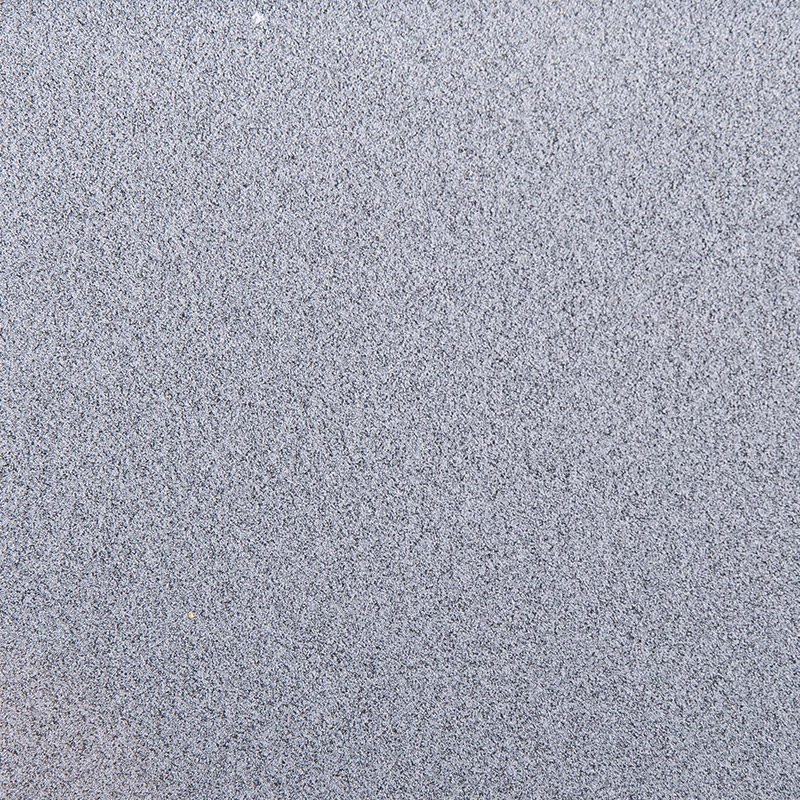
OLEG double side frosted acrylic sheet features a matte finish on both sides. Its modern appearance ...
• UV Resistance: Resistant to degradation from UV light, maintains its original color and clarity ov...

