

 English
 عربى
عربى Español
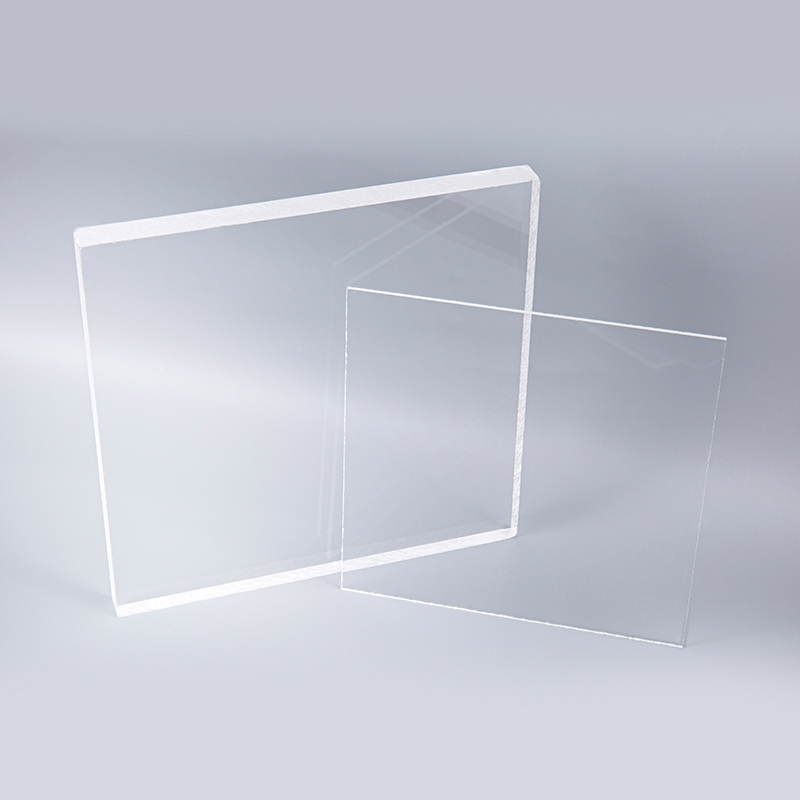
High-Strength Clear Acrylic Sheet
One of Oleg's popular products is the clear acrylic sheet, and our strong production capacity ensure...



Content
The limitations of glass have long been understood. It is heavy, brittle, and dangerous when broken. For decades, engineers and designers have sought transparent materials that combine the clarity of glass with the strength of engineering plastics. Polycarbonate emerged as one solution, offering exceptional impact resistance but with lower optical clarity and greater susceptibility to scratching and UV degradation. Standard acrylic offered better clarity but only moderate strength.
High-strength clear acrylic sheet represents a significant advancement in transparent material technology. Rather than compromising on clarity for strength, advanced manufacturing processes and premium raw material formulations have produced acrylic sheet with substantially enhanced mechanical properties while maintaining the 94 percent light transmittance that makes acrylic the clearest transparent plastic available.
This article provides a comprehensive technical comparison of high-strength clear acrylic sheet versus standard acrylic and glass. We will examine tensile strength, impact resistance, weathering performance, thickness selection criteria, and application suitability. For procurement professionals, architects, and industrial buyers, this guide serves as a reference for selecting the appropriate acrylic grade for safety glazing, protective barriers, architectural applications, and other demanding uses.
High-strength clear acrylic sheet is a premium grade of cast acrylic manufactured with enhanced mechanical properties. While standard acrylic sheet offers good strength, high-strength variants are engineered through optimized polymerization processes and higher quality raw materials to achieve superior tensile strength, impact resistance, and long term durability.
The key differentiator of high-strength clear acrylic is its tensile strength. Standard cast acrylic typically achieves tensile strength of 65 to 75 megapascals. High-strength clear acrylic sheet, manufactured with 100 percent virgin Mitsubishi MMA PMMA raw material, achieves tensile strength of 81.5 megapascals or 815 kilograms per square centimeter. This represents a 10 to 25 percent improvement over standard grades.
This increased tensile strength translates directly to real world performance. A panel of high-strength acrylic can withstand greater loads without flexing or breaking. It can be used in larger spans without additional support. It resists cracking when subjected to impact or stress. The higher strength also allows the use of thinner sheets for some applications, reducing weight and material cost.
The manufacturing process for high-strength clear acrylic sheet uses precision cell cast technology with carefully controlled polymerization parameters. The raw material is 100 percent virgin monomer, free from impurities and recycled content that could create weak points in the sheet. The resulting molecular structure is more uniform and more highly entangled, creating a material with greater internal cohesion.
High-strength clear acrylic sheet retains all the desirable properties of standard acrylic. It has 94 percent light transmittance, higher than glass. It weighs half as much as glass. It resists UV yellowing for outdoor use exceeding 10 years. It can be laser cut, routed, drilled, thermoformed, and solvent bonded using standard fabrication techniques.
When you select a High-Strength Clear Acrylic Sheet, you are choosing a material that combines the optical excellence of acrylic with significantly enhanced mechanical performance for demanding applications.
The difference between high-strength and standard acrylic lies in the mechanical properties. Both materials offer excellent optical clarity, UV resistance, and fabrication versatility. But for load bearing and impact resistant applications, high-strength acrylic provides a significant safety margin.
Standard cast acrylic sheet is suitable for many applications, including signage, display cases, picture framing, and light duty glazing. It performs well under normal conditions and offers good durability. However, when subjected to heavy loads, high impact, or prolonged stress, standard acrylic may flex, crack, or fail.
High-strength cast acrylic is engineered for demanding applications. The higher tensile strength of 81.5 megapascals allows the material to withstand greater forces before deforming. The improved impact resistance means the sheet can absorb more energy without shattering. For safety glazing, protective barriers, and architectural applications where human impact is a concern, high-strength acrylic provides superior protection.
The table below compares high-strength clear acrylic and standard clear acrylic across key parameters.
| Parameter | High-Strength Clear Acrylic | Standard Clear Acrylic |
|---|---|---|
| Tensile Strength | 81.5 MPa (815 kg/cm²) | 65 to 75 MPa |
| Impact Resistance | 17 times stronger than glass | 10 to 12 times stronger than glass |
| Light Transmittance | 94 percent | 92 to 94 percent |
| Raw Material | 100 percent virgin Mitsubishi MMA | Virgin or recycled blends |
| Thickness Range | 1.8 mm to 40 mm standard | 0.8 mm to 100 mm |
| UV Resistance | 10+ years outdoor | 5 to 10 years outdoor |
| Rockwell Hardness | M-108 | M-95 to M-105 |
| Vicat Softening Point | 113 degrees Celsius | 105 to 110 degrees Celsius |
| Density | 1.2 g/cm³ | 1.19 g/cm³ |
| Price | Higher | Lower |
| Best Application | Safety glazing, barriers, heavy loads | Signage, displays, light glazing |
For applications where safety, durability, and load bearing are critical, high-strength clear acrylic sheet justifies its higher cost. For decorative or light duty applications, standard acrylic may be sufficient.
Tensile strength measures the maximum stress a material can withstand while being stretched or pulled before breaking. For acrylic sheet used in structural applications, tensile strength is a critical specification.
Standard cast acrylic has tensile strength of 65 to 75 megapascals. This is already higher than many other transparent plastics. High-strength clear acrylic sheet achieves 81.5 megapascals, a significant improvement of 10 to 25 percent.
What does this mean in practical terms? A panel of high-strength acrylic can be subjected to greater wind loads, snow loads, or point loads without failure. For architectural glazing, this allows larger panel sizes or the use of thinner panels for the same load requirement. For a given panel size and thickness, high-strength acrylic provides a higher safety factor.
The tensile strength of high-strength clear acrylic is approximately 30 percent higher than polycarbonate, which typically achieves 60 to 70 megapascals. This makes high-strength acrylic a better choice for applications where stiffness and resistance to stretching are required, such as in structural glazing or machine guards.
For load bearing applications such as shelving, display stands, or structural components, the higher tensile strength of high-strength acrylic provides a greater safety margin. The material will support more weight before sagging or breaking.
Safety is the primary reason for selecting high-strength clear acrylic sheet over standard acrylic or glass. The ability to absorb impact without shattering into dangerous shards makes acrylic the material of choice for safety glazing.
Standard glass, when broken, forms sharp, jagged shards that can cause severe lacerations. Tempered glass shatters into small, relatively harmless pellets but still creates many fragments. Acrylic, when cracked, typically develops a single crack or star pattern while remaining largely intact.
High-strength clear acrylic sheet offers the highest impact resistance available in acrylic. The material is rated as 17 times stronger than glass in terms of impact resistance. This means a 3 millimeter thick high-strength acrylic sheet can withstand the same impact force as a 50 millimeter thick glass sheet.
For comparison, a 3 millimeter thick sheet of glass has impact resistance of approximately 1 to 2 foot pounds. A 3 millimeter sheet of standard acrylic has impact resistance of 12 to 15 foot pounds. A 3 millimeter sheet of high-strength acrylic can achieve 17 to 20 foot pounds.
This superior impact resistance makes high-strength clear acrylic suitable for applications where glass would be unacceptable. These include machine guards, safety shields, storm windows, balcony glazing, public space barriers, and police shields.
For ballistic resistance, specialized high-strength acrylic formulations are available. Some high-strength acrylic can pass bulletproof testing standards and is used for military vehicle windows, security booths, and high risk facility glazing.
Acrylic sheet is inherently more UV resistant than many other plastics. However, the level of weather resistance depends on the formulation and manufacturing quality.
Standard acrylic offers good outdoor durability, with published service life of 5 to 10 years depending on climate. The material resists yellowing, chalking, and loss of mechanical properties. However, for long term outdoor applications, UV stabilized acrylic is recommended.
High-strength clear acrylic sheet is manufactured with UV stabilizers integrated into the material. These additives absorb harmful ultraviolet radiation before it can degrade the polymer chains. Premium high-strength clear acrylic with UV stabilization is rated for outdoor use exceeding 10 years, even in harsh environments with intense sun exposure.
The raw material quality directly affects UV resistance. High-strength clear acrylic uses 100 percent virgin Mitsubishi MMA monomer. This high purity material has fewer impurities that could act as sites for UV induced degradation. The consistent, uniform polymer structure resists UV damage better than materials containing recycled content or lower grade monomer.
For outdoor applications such as building skylights, bus shelter glazing, outdoor signage, and architectural panels, specify high-strength clear acrylic with UV stabilization. The material will maintain its clarity and strength for a decade or more, reducing replacement costs and maintaining safety.
Temperature adaptability is another aspect of weather resistance. High-strength clear acrylic remains stable and does not deform or crack in environments ranging from minus 40 degrees Celsius to 80 degrees Celsius. This wide temperature tolerance makes it suitable for use in diverse climates around the world.
Selecting the correct thickness for high-strength clear acrylic sheet is essential for achieving the required strength and safety performance. Thicker sheets provide greater load capacity and impact resistance but cost more and weigh more.
For advertising light boxes, display racks, and home decoration, thicknesses of 2 to 5 millimeters are sufficient. These applications involve light loads and minimal impact risk. Standard acrylic is often acceptable, though high-strength acrylic provides a greater safety margin.
For building curtain walls, sound barriers, and protective covers, thicknesses of 6 to 10 millimeters are appropriate. These applications face moderate loads from wind, weather, and occasional impacts. High-strength acrylic is recommended for safety glazing and public space applications.
For heavy protection, aquariums, and explosion proof glass replacement, thicknesses of 12 millimeters and above are required. These applications involve significant loads and must withstand substantial impacts. High-strength acrylic is essential.
The table below provides thickness recommendations for common applications.
| Application | Recommended Thickness | Acrylic Grade | Key Requirements |
|---|---|---|---|
| Picture framing, small displays | 1.8 to 3 mm | Standard or high-strength | Optical clarity, light weight |
| Advertising light boxes, POP displays | 3 to 5 mm | Standard or high-strength | Light transmittance, fabrication ease |
| Machine guards, protective shields | 5 to 6 mm | High-strength | Impact resistance, safety |
| Building curtain walls, windows | 6 to 8 mm | High-strength | Weather resistance, load bearing |
| Sound barriers, bus shelters | 8 to 10 mm | High-strength | Outdoor durability, impact resistance |
| Balcony glazing, safety barriers | 10 to 12 mm | High-strength | Structural strength, safety |
| Aquariums, heavy protection | 15 to 40 mm | High-strength | Very high load capacity, safety |
For any application where human impact is possible, such as glazing in public spaces or protective barriers, select high-strength acrylic at the appropriate thickness for the expected impact force.
One of the advantages of high-strength clear acrylic sheet is that it can be fabricated using the same techniques as standard acrylic. No special equipment or processes are required, which is a significant benefit for fabricators.
Laser cutting produces clean, smooth edges on high-strength acrylic. The material cuts well with CO2 lasers, producing a flame polished edge that requires no additional finishing. The high molecular weight and low internal stress of cast construction prevent cracking during laser cutting, even on intricate designs.
CNC routing and engraving are also effective. High-strength acrylic machines cleanly with sharp, defined edges. The chips are uniform and do not melt back onto the workpiece. Use sharp cutters and appropriate feed rates to avoid overheating. The higher strength of the material does not make it more difficult to machine.
Drilling requires sharp drill bits designed for acrylic. Standard twist drills can be used with modification to reduce the rake angle. Backing the sheet with a wooden block prevents breakout on the exit side. The high-strength material does not have increased tendency to crack during drilling.
Solvent bonding works well for joining high-strength acrylic components. Use a solvent such as methylene chloride applied to the joint surfaces. The solvent softens the acrylic, and when it evaporates, the surfaces fuse together. The bond is strong and clear. The high molecular weight and low internal stress promote excellent bonding without crazing.
Thermoforming high-strength acrylic requires temperatures of 150 to 180 degrees Celsius. The material becomes pliable and can be formed over molds. Cast acrylic maintains thickness well during forming, even in deep draws. The high-strength material behaves similarly to standard cast acrylic during thermoforming.
Quality certifications provide assurance that the high-strength clear acrylic sheet meets established standards for performance and safety. When sourcing for export, these certifications are essential.
ISO 9001 certification indicates that the manufacturer has a quality management system in place. This ensures consistent production processes and product quality. Look for manufacturers with ISO 9001 certification as a baseline requirement.
REACH compliance confirms that the product meets European Union regulations on chemical substances. The material does not contain restricted substances above allowable limits. This is important for export to the EU market.
RoHS compliance ensures that the product does not contain hazardous substances such as lead, mercury, or cadmium. This is particularly important for electronic applications and for markets with strict environmental regulations.
CNAS certification indicates that the manufacturer testing laboratory meets international standards for competence. Test results from CNAS accredited labs can be relied upon for product specification and quality verification.
Food grade certification confirms that the acrylic sheet is safe for contact with food. This is important for applications such as food display cases, kitchen equipment, and restaurant fixtures.
GB/T 7134-2008 is the Chinese national standard for cast acrylic sheets. Premium grade certification indicates that the product meets or exceeds the highest quality requirements for thickness tolerance, optical clarity, and mechanical properties. High-strength clear acrylic from reputable manufacturers typically exceeds this standard.
When sourcing high-strength clear acrylic sheet, request documentation of all relevant certifications. This provides confidence in the product quality and facilitates export to regulated markets.
High-strength clear acrylic sheet serves demanding applications across multiple industries, each with specific requirements.
In architectural glazing, high-strength acrylic is used for skylights, curtain walls, and balcony railings. The high light transmittance of 94 percent provides natural illumination. The impact resistance meets safety standards for overhead glazing where falling broken glass would be dangerous. The UV resistance maintains clarity for years of outdoor exposure.
In transportation, high-strength acrylic is used for bus shelters, train windows, and airport glazing. The material must withstand impacts from thrown objects, weather exposure, and temperature extremes. High-strength acrylic provides the required durability while weighing less than glass, reducing structural requirements.
In safety and security, high-strength acrylic is used for machine guards, protective shields, and riot shields. The high impact resistance protects workers and the public from flying debris, tool impacts, and thrown objects. The material can be laser cut to fit specific equipment and is much lighter than glass or metal alternatives.
In aquariums and marine exhibits, thick high-strength acrylic panels up to 40 millimeters or more are used for large viewing windows. The material is stronger than glass for the same weight and does not shatter dangerously. The optical clarity provides distortion free viewing of marine life.
In retail displays and museum cases, high-strength acrylic provides security for valuable items while allowing clear viewing. The impact resistance protects against accidental knocks. The material can be fabricated into cases, covers, and shelving with excellent clarity.
Environmental responsibility is increasingly important for buyers and end users. High-strength clear acrylic sheet can be part of a sustainable material strategy.
The manufacturing process for high-strength acrylic uses 100 percent virgin Mitsubishi MMA monomer. Virgin material ensures consistent, predictable performance, which is critical for safety applications. However, the production of virgin monomer has environmental impacts.
Some manufacturers offer recycled acrylic sheet made from reclaimed PMMA. Recycled acrylic can achieve good properties but typically does not match the tensile strength and clarity of virgin material. For high-strength applications where performance is critical, virgin material is necessary.
The durability of high-strength acrylic contributes to sustainability. A product that lasts longer requires replacement less frequently, reducing material consumption over time. A high-strength acrylic panel that remains in service for 10 to 20 years has a lower annual environmental impact than a lower quality panel that needs replacement every 5 years.
When sourcing high-strength clear acrylic sheet, ask the manufacturer about their environmental practices. Look for facilities with efficient energy use, water recycling, and waste reduction programs. Some manufacturers are transitioning to renewable energy sources for their production lines.
The selection of high-strength clear acrylic sheet over standard acrylic or glass should be based on the mechanical demands and safety requirements of the application.
For safety glazing in public spaces, schools, and transportation, select high-strength clear acrylic sheet. The 17 times greater impact resistance compared to glass provides protection against accidental breakage. The material does not shatter into dangerous shards. The high tensile strength supports the panel under wind and snow loads.
For load bearing applications such as shelving, structural glazing, and protective barriers, select high-strength acrylic. The tensile strength of 81.5 megapascals supports greater loads with less deflection. The material resists sagging and creep over time.
For outdoor applications exposed to sunlight, select UV stabilized high-strength acrylic. The material will maintain its clarity and strength for more than 10 years without yellowing or embrittlement. Standard acrylic may degrade more quickly in intense sun exposure.
For heavy protection, ballistic resistance, or extreme loads, select the thickest high-strength acrylic that fits the design. Thicknesses from 12 to 40 millimeters provide substantial strength for demanding applications such as aquariums, security barriers, and industrial machine guards.
For decorative, light duty, or indoor applications where strength is not critical, standard acrylic may be sufficient and more economical. Evaluate the risk of impact, the required load capacity, and the consequences of material failure.
By understanding the technical differences and performance characteristics presented in this article, procurement professionals and industrial buyers can confidently select the right high-strength clear acrylic sheet for each application, ensuring safety, durability, and long term performance.
Q1: How much stronger is high-strength clear acrylic sheet compared to standard acrylic?
A: High-strength clear acrylic sheet achieves tensile strength of 81.5 megapascals, compared to 65 to 75 megapascals for standard cast acrylic. This represents a 10 to 25 percent improvement. Impact resistance is similarly enhanced, with high-strength acrylic rated at 17 times stronger than glass, compared to 10 to 12 times stronger for standard acrylic. The higher strength is achieved through the use of 100 percent virgin Mitsubishi MMA raw material and optimized cell casting processes.
Q2: What thickness of high-strength acrylic sheet do I need for a protective barrier?
A: For protective barriers such as machine guards or safety shields, 5 to 6 millimeter thickness is typically sufficient for moderate impacts. For public space barriers such as balcony glazing or bus shelter windows, 8 to 10 millimeter thickness is recommended. For high security applications such as ballistic protection or aquariums, thicknesses of 15 millimeters and above are required. The appropriate thickness depends on the expected impact force, the panel size, and the mounting method.
Q3: Will high-strength clear acrylic sheet yellow or become brittle outdoors?
A: High-strength clear acrylic sheet with UV stabilization is rated for outdoor use exceeding 10 years. The UV stabilizers absorb harmful ultraviolet radiation before it can degrade the polymer chains. The material will maintain its clarity and mechanical properties without yellowing or embrittlement when properly formulated and manufactured. Standard non stabilized acrylic may yellow and become brittle within 1 to 2 years of outdoor exposure. Always specify UV stabilized acrylic for outdoor applications.
Q4: Can high-strength clear acrylic sheet be used as a replacement for glass in windows?
A: Yes, high-strength clear acrylic sheet is an excellent replacement for glass in windows, particularly in applications where safety, weight, or impact resistance is a concern. Acrylic weighs half as much as glass, reducing structural loads. It is 17 times more impact resistant, providing protection against accidental breakage. It does not shatter into sharp shards. However, acrylic is more prone to scratching than glass, and may require hard coating for applications with frequent cleaning.
Q5: What is the difference between high-strength clear acrylic and polycarbonate?
A: High-strength clear acrylic offers superior optical clarity with 94 percent light transmittance, higher than polycarbonate at 88 to 90 percent. Acrylic has better UV resistance and does not require a UV protective coating for outdoor use. Acrylic is harder and more scratch resistant than polycarbonate. Polycarbonate has higher impact resistance and greater flexibility. For applications where optical clarity and scratch resistance are priorities, choose high-strength acrylic. For applications requiring the absolute highest impact resistance, polycarbonate may be preferred.
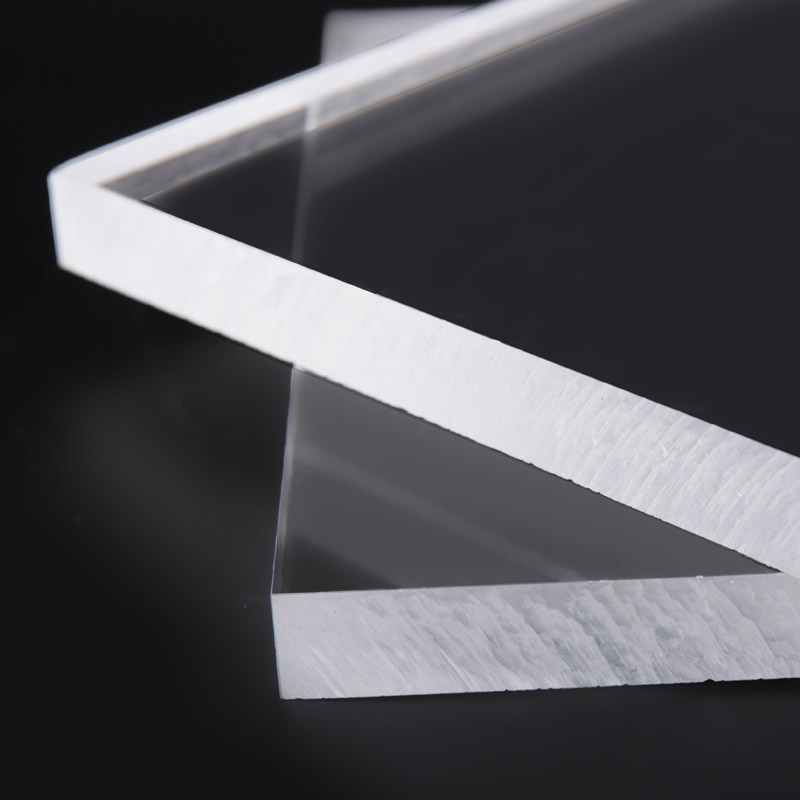
One of Oleg's popular products is the clear acrylic sheet, and our strong production capacity ensure...
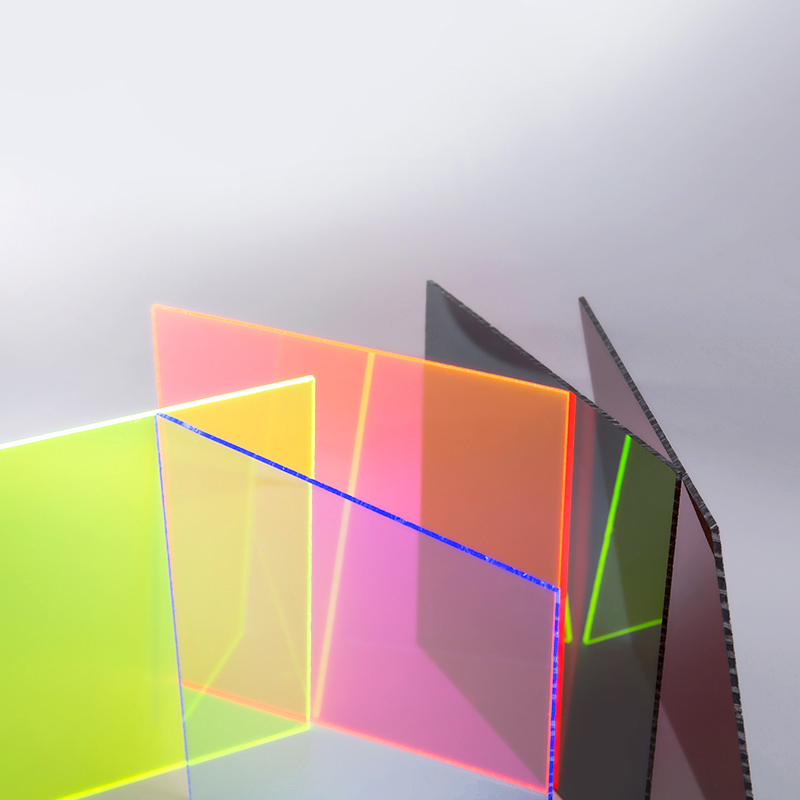
Oleg's products, whose raw material is virgin from Mitsubishi. OLEG is one of the TOP 5 cast acrylic...
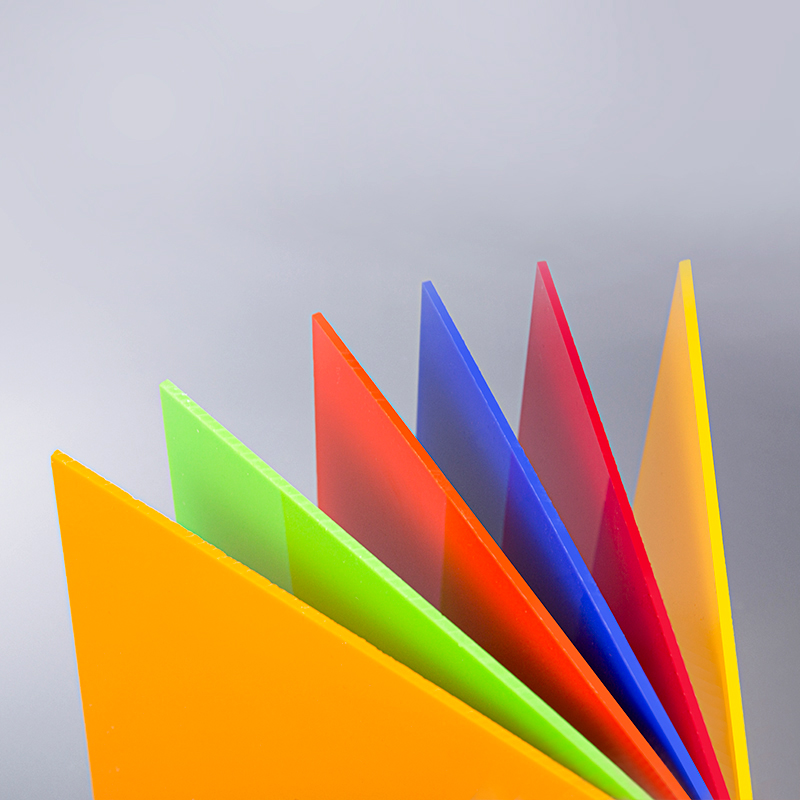
OLEG’s product, whose raw material is virgin from Mitsubishi. The color is highly uniform, pure and...
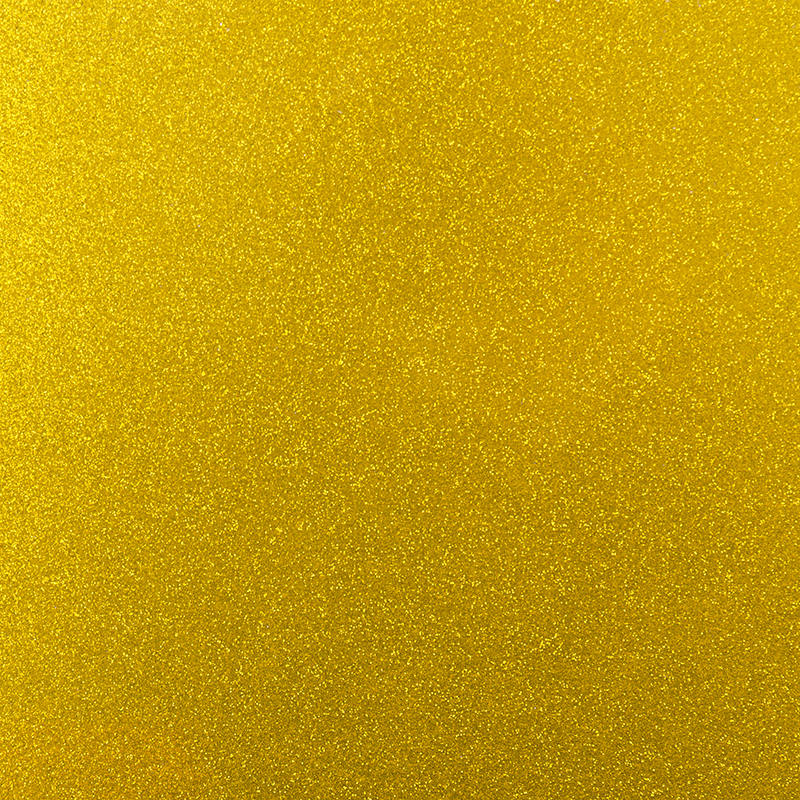
Golden acrylic sheet has tiny gold glitters in the material, which cause a luxurious effect. • Relia...
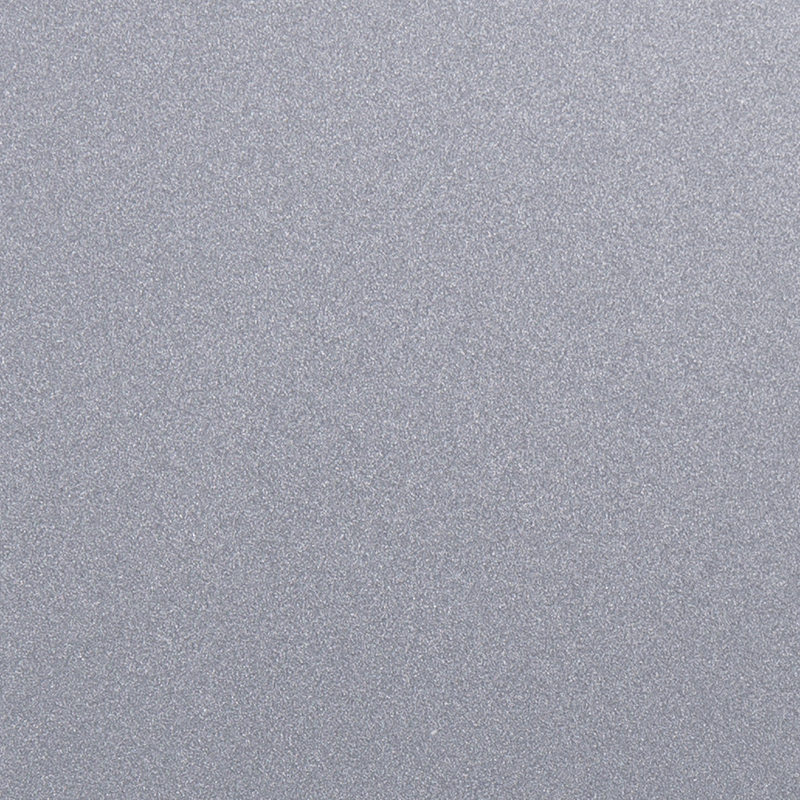
Silver acrylic sheet has tiny silver glitters in the material, which creating an elegant effect. • A...
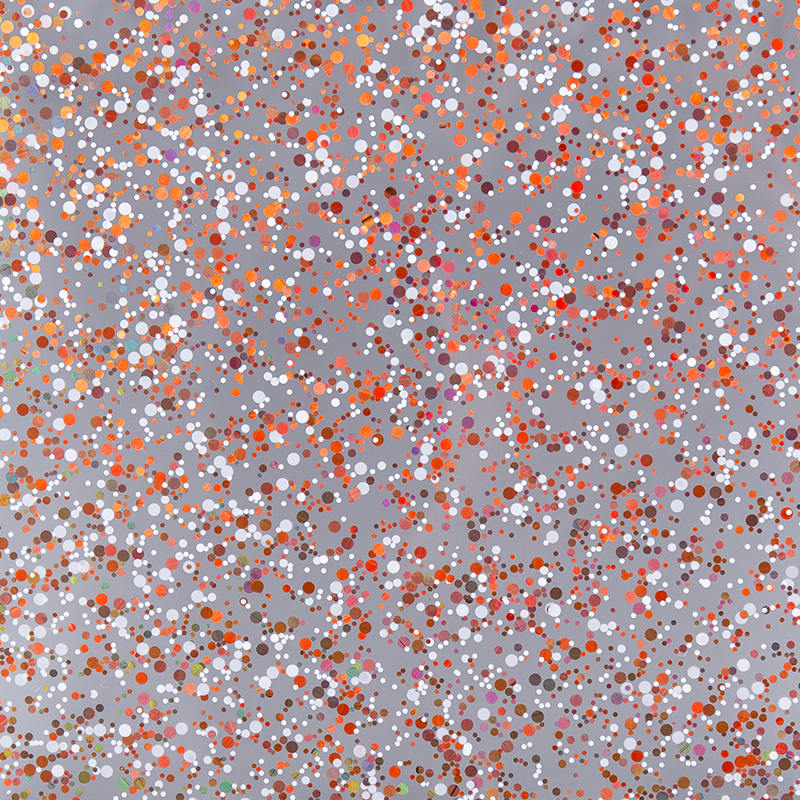
Tiny colored glitters are added to the transparent material to create a colorful and joyful visual e...
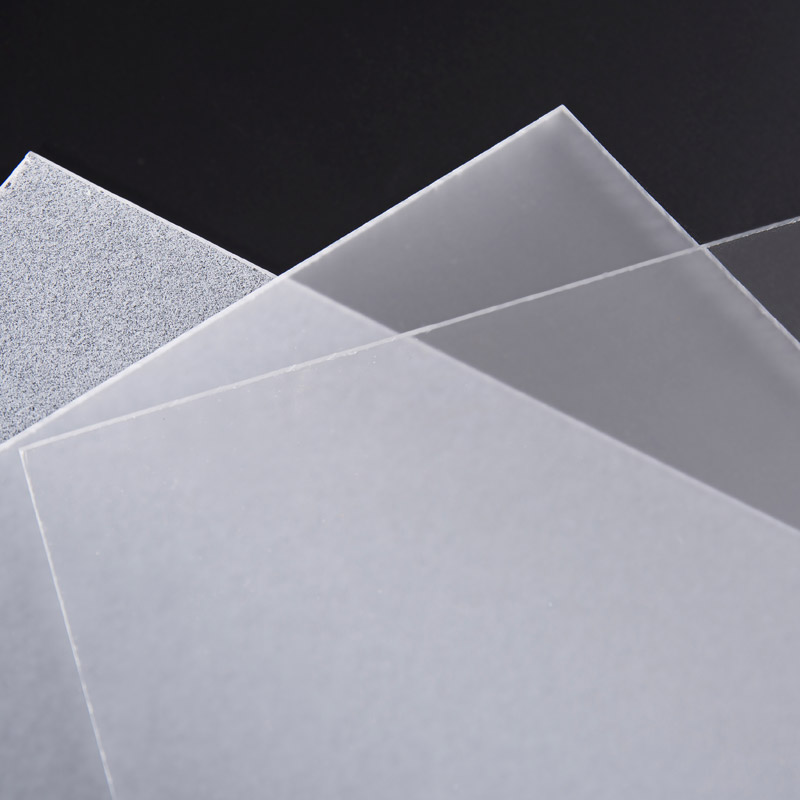
OLEG is a professional manufacturer of cast acrylic sheet, offering high quality products, attractiv...
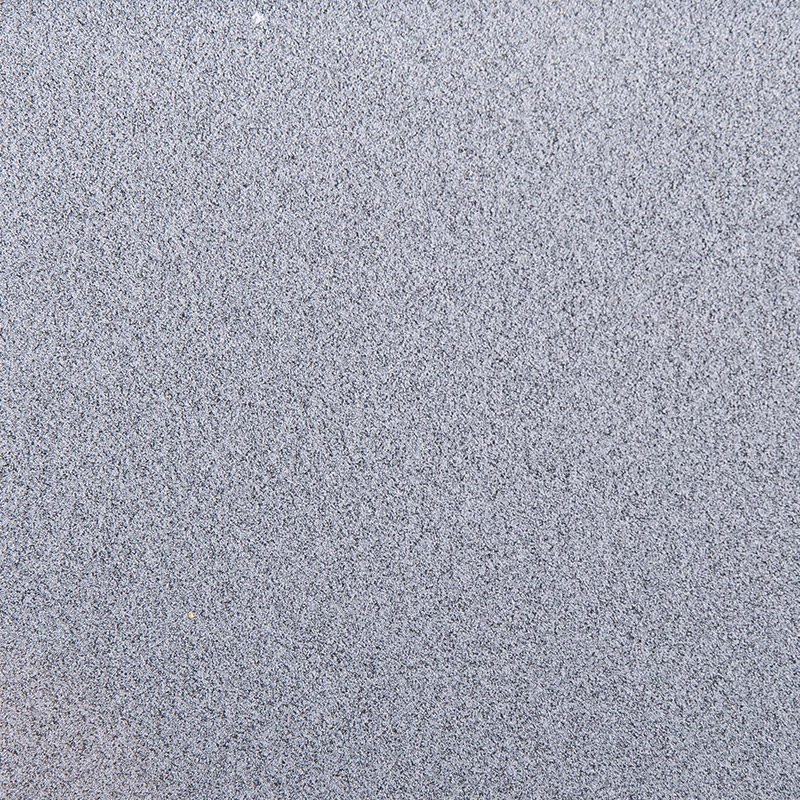
OLEG double side frosted acrylic sheet features a matte finish on both sides. Its modern appearance ...
• UV Resistance: Resistant to degradation from UV light, maintains its original color and clarity ov...

