

 English
 عربى
عربى Español
High-Strength Clear Acrylic Sheet
One of Oleg's popular products is the clear acrylic sheet, and our strong production capacity ensure...



Content
In the world of high-performance polymers, UV resistant acrylic stands out as a critical material for applications demanding longevity and color stability under sunlight. Unlike standard acrylics that may yellow and become brittle, UV-resistant variants are engineered to withstand the degrading effects of ultraviolet radiation. This guide delves into the science, benefits, and key considerations for selecting and using this durable material, with insights from industry-leading manufacturing expertise.
UV resistant acrylic, typically made from polymethyl methacrylate (PMMA), is formulated with additives that act as ultraviolet light stabilizers. These components absorb or screen out harmful UV rays before they can break down the polymer chains of the acrylic sheet.
This synergistic protection is integral to the manufacturing process at facilities like those operated by OLEG, where precision-controlled systems ensure these stabilizers are evenly distributed throughout the cast acrylic sheet, guaranteeing consistent performance.
Choosing UV-stabilized acrylic offers tangible advantages over standard grades, particularly for outdoor or brightly lit indoor environments.
Understanding how UV-resistant acrylic compares to alternatives is crucial for material selection. The following sentences outline key comparisons, with the details expanded in the table below.
Compared to standard acrylic, UV-resistant acrylic offers vastly superior weatherability. When contrasted with polycarbonate, UV-resistant acrylic provides better inherent clarity and resistance to yellowing, though polycarbonate has higher impact strength. Against glass, it is significantly lighter and safer while offering comparable optical properties when stabilized. For outdoor applications, it generally outperforms most standard plastics in terms of longevity and appearance retention [1].
| Material | Key Advantage | UV Resistance (Without Treatment) | Typical Outdoor Lifespan Estimate |
|---|---|---|---|
| UV Resistant Acrylic (Cast PMMA) | Excellent optical clarity, good weatherability | Excellent (Built-in) | 10-30+ years |
| Standard Acrylic | Cost-effective, good clarity | Poor | 3-7 years (may yellow) |
| Polycarbonate | Very high impact strength | Poor (requires coating) | 5-15 years (coating dependent) |
| Tempered Glass | Extreme hardness, scratch resistance | Excellent | Indefinite |
The durability of this material opens doors to numerous demanding applications. Here are five key areas where it excels.
Selecting the correct thickness is pivotal for both performance and cost-efficiency. Thinner sheets may not provide the necessary structural support, while excessively thick sheets are unnecessarily expensive and heavy.
| Application | Recommended Minimum Thickness | Key Rationale |
|---|---|---|
| Interior Signage / Picture Frames | 2mm - 3mm | Adequate rigidity for small, protected formats. |
| Standard Outdoor Signage | 3mm - 5mm | Resists wind load and minor impacts. |
| Greenhouse Glazing / Small Skylights | 4mm - 6mm | Withstands weather, hail, and structural stress. |
| Architectural Canopies / Large Glazing | 6mm - 12mm+ | Engineered for significant structural loads and spans. |
| Aquariums / Protective Barriers | 8mm - 25mm+ | Must withstand constant hydraulic pressure and potential impact. |
Consulting with a professional supplier like OLEG, which offers custom PMMA acrylic sheets, is advised for project-specific engineering calculations.
Not all UV-resistant acrylic is created equal. The manufacturing process and quality controls are decisive.
The continuous cast manufacturing process, employed by leading producers, allows for a more homogeneous distribution of UV stabilizers throughout the entire sheet thickness compared to some extrusion methods. This results in consistent protection that lasts the lifetime of the sheet.
High-quality production adheres to stringent standards. For instance, sheets produced by OLEG not only meet but often exceed the Chinese national GB/T 7134-2008 premium product standard, a benchmark that specifies requirements for light transmittance, weathering resistance, and yellowing index. This certification is a reliable indicator of long-term performance for outdoor UV resistant acrylic applications.
Proper handling ensures the material performs as intended for decades.
High-quality cast UV resistant acrylic sheets, like those manufactured to premium standards, can last anywhere from 10 to 30 years or more outdoors without significant yellowing or loss of mechanical properties. The exact lifespan depends on local climate conditions (e.g., UV index, temperature extremes) and installation specifics.
Yes, in many applications it is an excellent alternative. It offers similar clarity, is up to 50% lighter, and is much more impact-resistant (less likely to shatter). It also provides better thermal insulation. However, it is more susceptible to scratching than glass, so care in cleaning is essential.
Initially, there is typically no visible difference; both are optically clear. The distinction becomes apparent over time with UV exposure. Regular acrylic will yellow and may become hazy, while UV-resistant acrylic will retain its original clarity and color for a much longer period.
Request the manufacturer's technical data sheet (TDS). Look for specific weatherability test data, such as results from QUV or Xenon Arc testing, showing minimal change in yellowness index and light transmittance after thousands of hours of exposure. Reliable suppliers will provide this certification.
In properly formulated cast acrylic, the UV stabilizers are integrated into the polymer matrix. They are not a surface coating that can wear or wash off. The protection is designed to be consumed slowly over the product's life as it performs its function, providing protection throughout the entire bulk of the material.
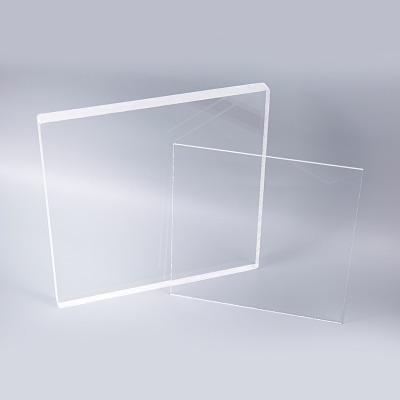
UV resistant acrylic is an indispensable engineering material where longevity, aesthetics, and structural performance under sunlight are non-negotiable. From outdoor signage and displays to critical architectural glazing and skylights, its benefits are clear. Success hinges on understanding key aspects like how to clean UV resistant acrylic sheets, choosing the right UV resistant acrylic thickness, and following best practices for cutting and drilling UV acrylic. For projects requiring the highest assurance of quality, partnering with an experienced manufacturer like OLEG, with its commitment to exceeding premium standards like GB/T 7134-2008 and its massive production capacity across two advanced facilities, ensures a reliable supply of material that will stand the test of time and the elements.
[1] Rabek, J. F. (1995). *Polymer Photodegradation: Mechanisms and Experimental Methods*. Springer Science & Business Media. (This source provides foundational knowledge on the mechanisms of photo-oxidation and polymer degradation used to explain UV damage processes).
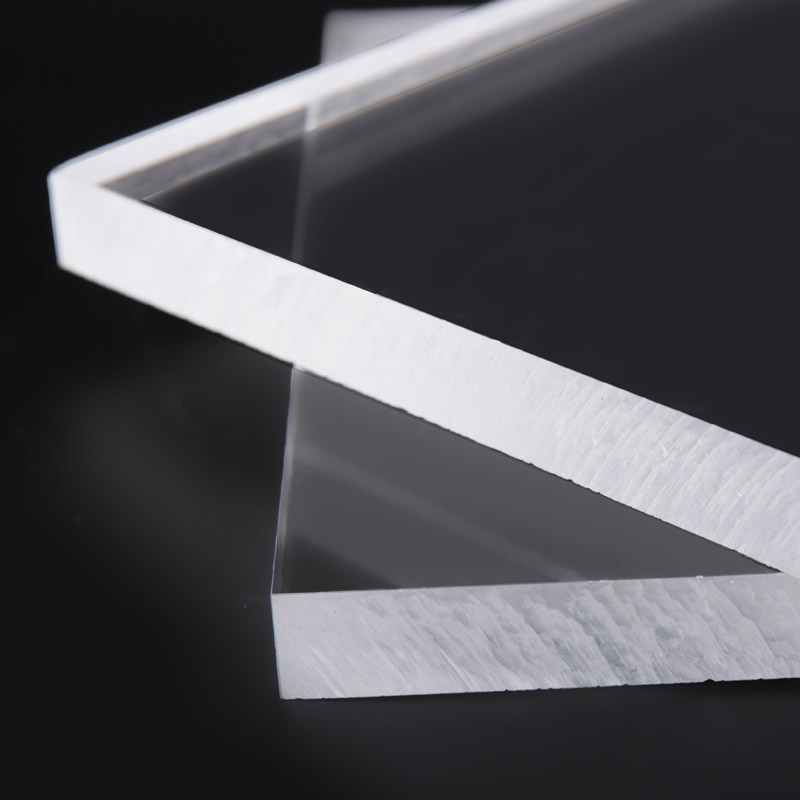
One of Oleg's popular products is the clear acrylic sheet, and our strong production capacity ensure...
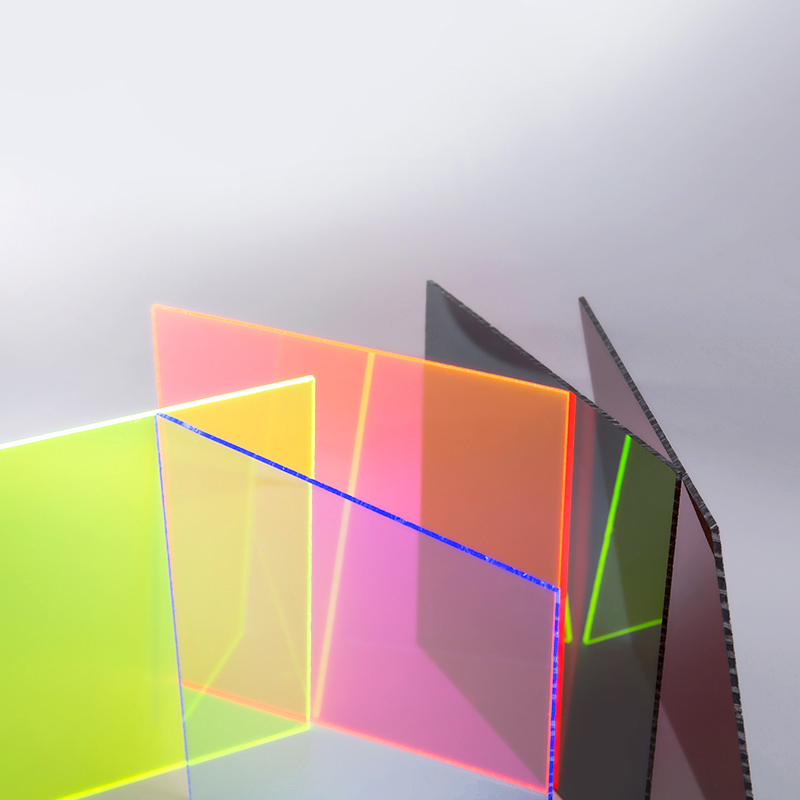
Oleg's products, whose raw material is virgin from Mitsubishi. OLEG is one of the TOP 5 cast acrylic...
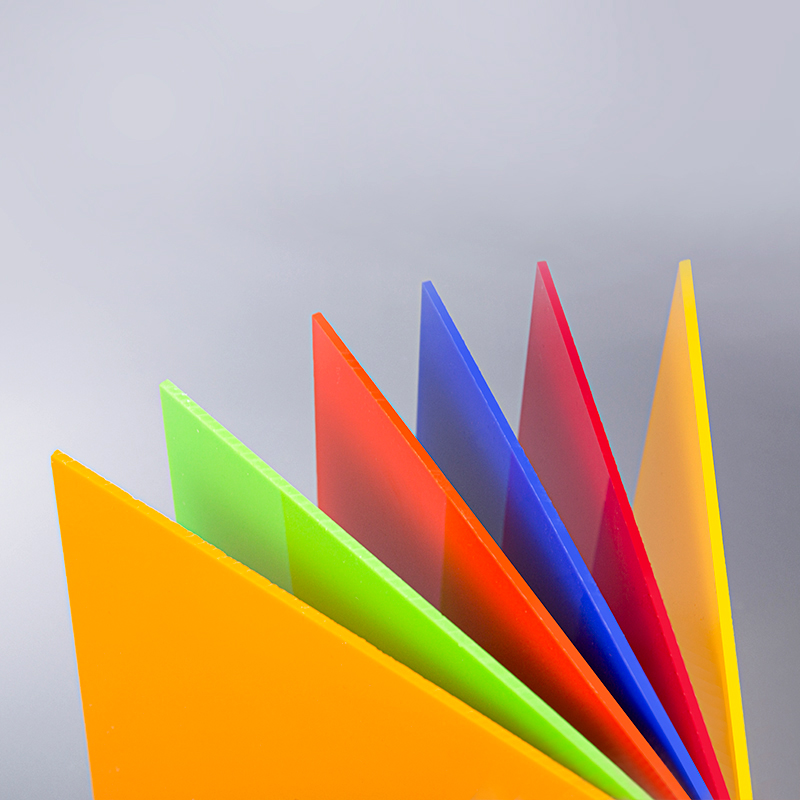
OLEG’s product, whose raw material is virgin from Mitsubishi. The color is highly uniform, pure and...
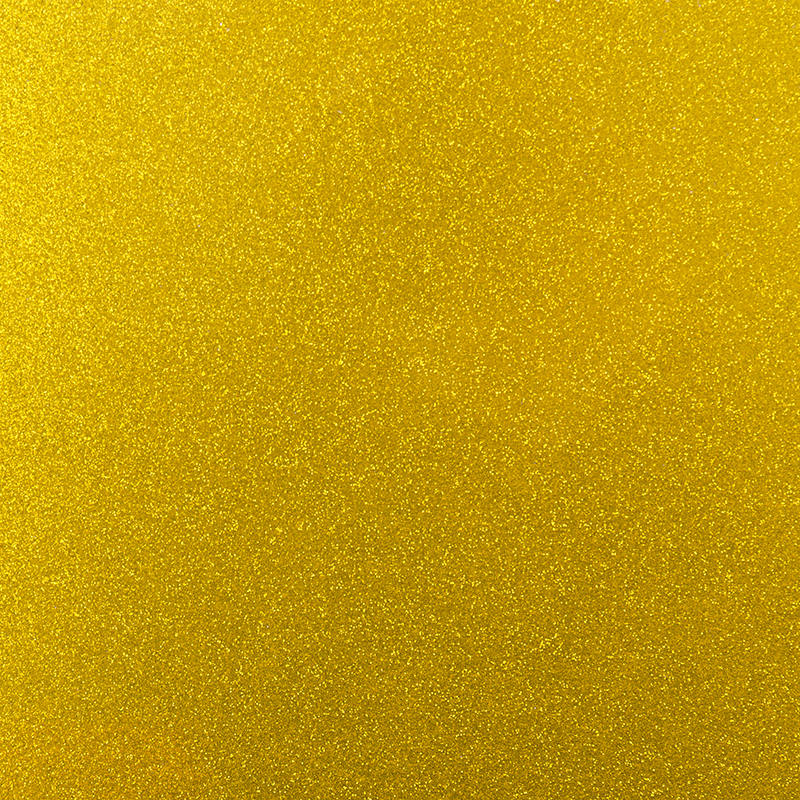
Golden acrylic sheet has tiny gold glitters in the material, which cause a luxurious effect. • Relia...
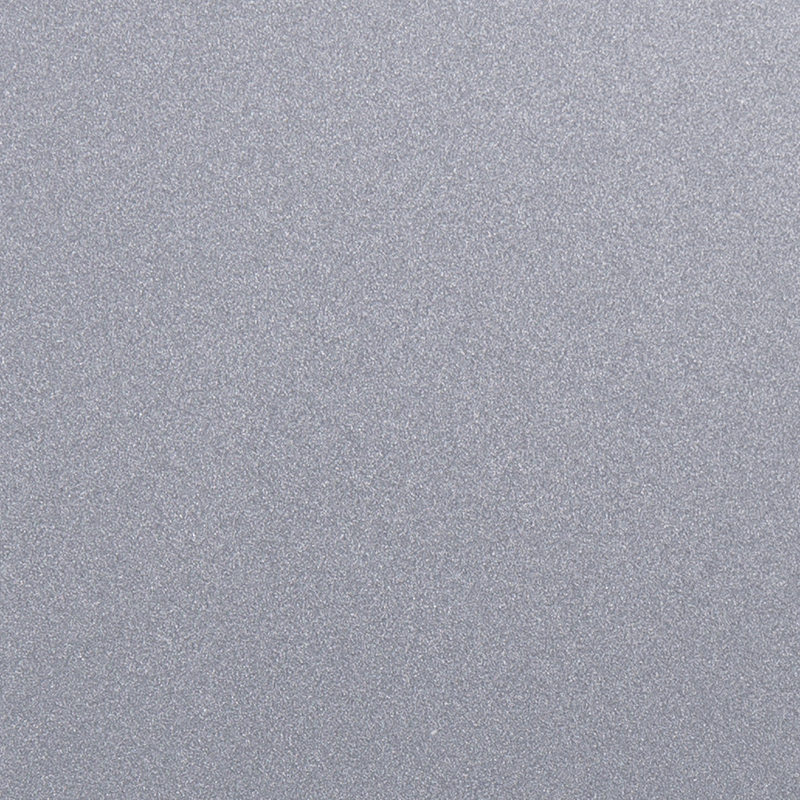
Silver acrylic sheet has tiny silver glitters in the material, which creating an elegant effect. • A...
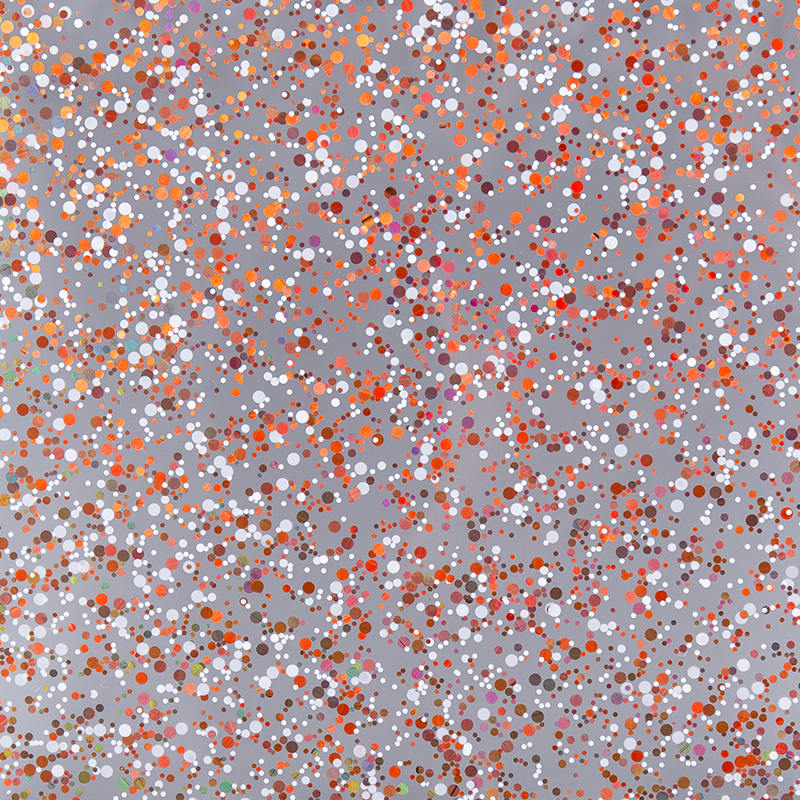
Tiny colored glitters are added to the transparent material to create a colorful and joyful visual e...
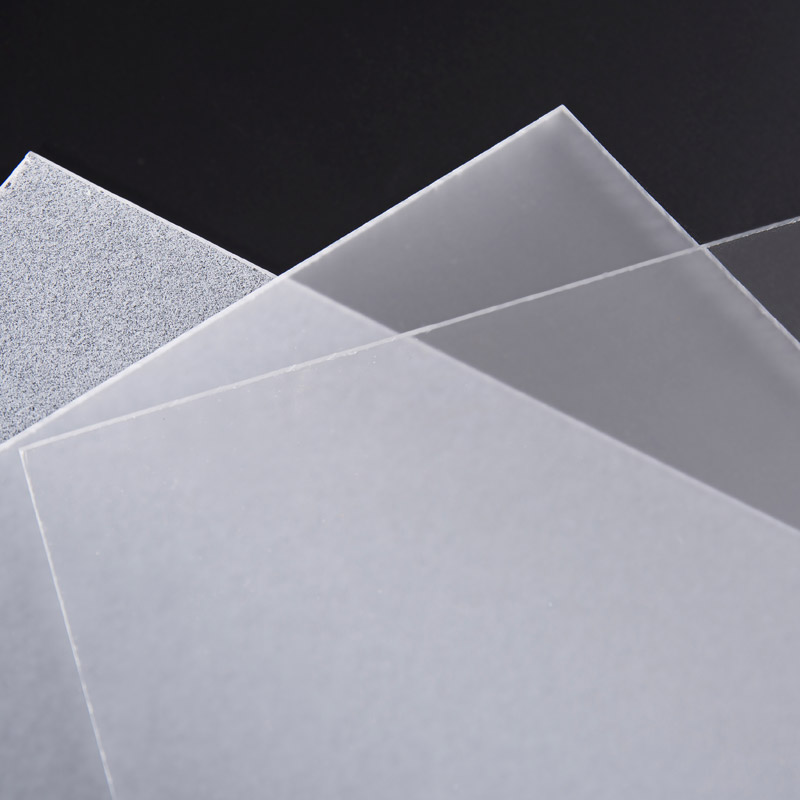
OLEG is a professional manufacturer of cast acrylic sheet, offering high quality products, attractiv...
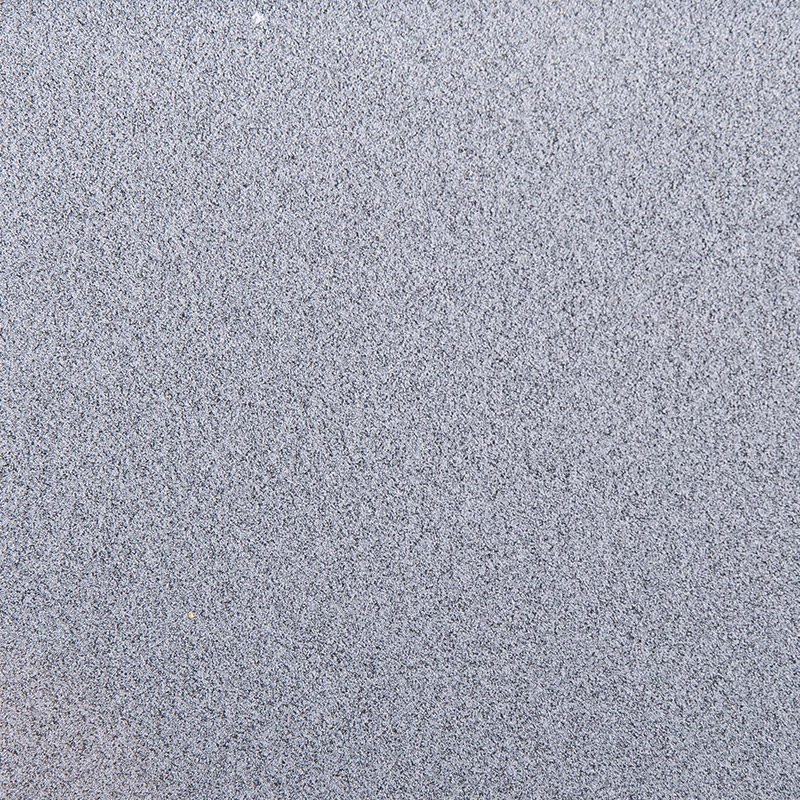
OLEG double side frosted acrylic sheet features a matte finish on both sides. Its modern appearance ...
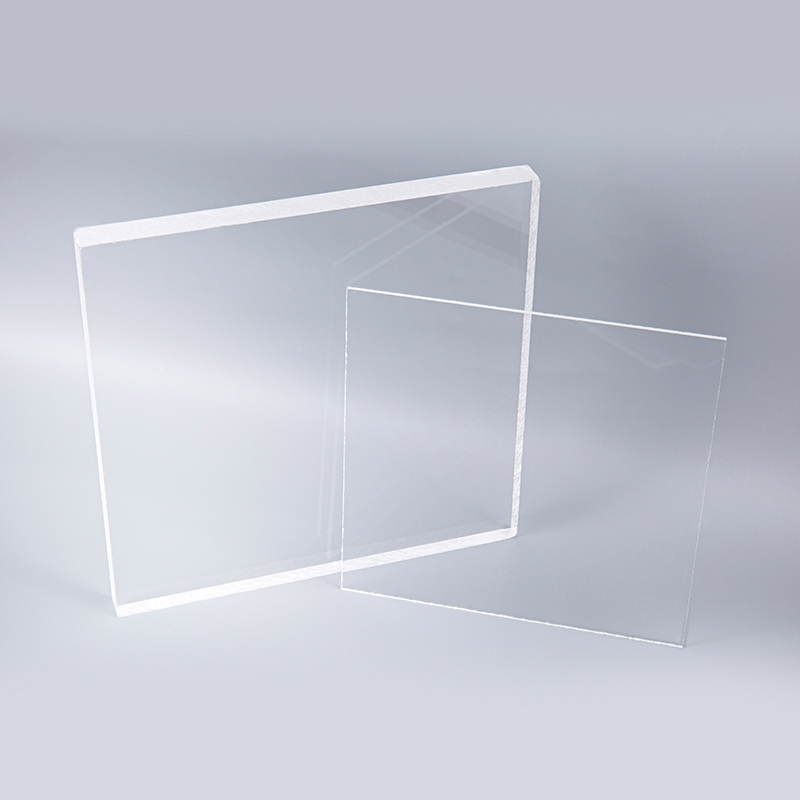
• UV Resistance: Resistant to degradation from UV light, maintains its original color and clarity ov...

