

 English
 عربى
عربى Español
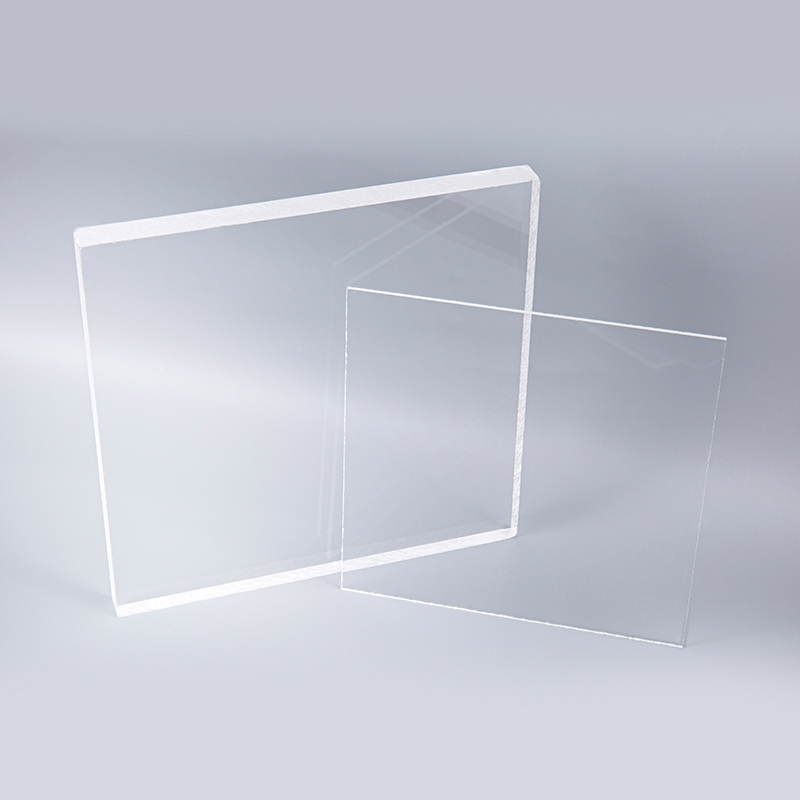
High-Strength Clear Acrylic Sheet
One of Oleg's popular products is the clear acrylic sheet, and our strong production capacity ensure...



Content
The selection of the appropriate thickness for PMMA sheets is a foundational decision that influences the success, durability, and functionality of a project. Poly(methyl methacrylate), commonly known as acrylic or PMMA, is a versatile thermoplastic prized for its exceptional clarity, weather resistance, and ease of fabrication. However, its performance is intrinsically linked to its thickness. Choosing incorrectly can lead to structural failure, visual imperfections, increased costs, or safety hazards. This guide delves into the critical factors beyond mere intuition, helping you make an informed decision based on concrete parameters such as application load, spanning distance, environmental exposure, and desired optical quality. A common starting point for many is researching PMMA sheet thickness for outdoor signs, as this application perfectly illustrates the interplay between durability, weight, and visibility. Whether you are working on a delicate display case or a large-scale architectural canopy, understanding the "why" behind thickness recommendations is paramount. This section will explore the core properties of PMMA that make thickness a key variable, setting the stage for the detailed, application-specific analysis to follow in subsequent sections. The material's inherent characteristics, including its modulus of elasticity, coefficient of thermal expansion, and surface hardness, all interact with thickness to determine final performance. For instance, while PMMA is inherently stiff, a thin sheet will flex easily, whereas the same material in a greater thickness can exhibit remarkable rigidity. This fundamental relationship underscores why a one-size-fits-all approach is ineffective and potentially risky. Professionals across industries, from fabrication shops to architectural firms, develop thickness selection guidelines based on empirical data and field experience, which we will synthesize here to provide a comprehensive resource. The goal is to empower you with the knowledge to communicate effectively with suppliers and fabricators, ensuring your project specifications are both safe and economical.
Selecting the right thickness is not a guessing game; it is a calculated decision based on a series of project-specific requirements. These factors often interact with one another, meaning a compromise might be necessary. A thickness ideal for structural strength might be overkill and costly for a simple interior decorative panel. Therefore, a holistic evaluation of all these elements is crucial before finalizing your material specifications. The following breakdown outlines the primary considerations that should guide your selection process, ensuring the chosen PMMA sheet performs optimally throughout its intended lifespan. From the forces it must withstand to the environment it will live in, each factor plays a pivotal role. It is also vital to consider the project's lifecycle and maintenance expectations. A thicker, more robust sheet might have a higher upfront cost but lower lifetime cost due to reduced replacement needs. Conversely, a temporary installation or prototype might logically use a thinner, less expensive grade. The interplay of these five factors forms a decision matrix that, when carefully navigated, leads to the optimal material choice. We will now examine each factor in detail, providing practical insights and comparative data to clarify their influence on the final thickness decision.
This is perhaps the most critical engineering consideration. The thickness of a PMMA sheet directly correlates with its ability to bear weight (load) and bridge gaps without support (span). A sheet that is too thin will deflect, sag, or even crack under pressure. Deflection, the bending or displacement of the sheet under load, is often the limiting factor rather than outright breakage. Excessive deflection can cause seals to fail, create visual distortion, or lead to pooling of water on horizontal surfaces. The relationship between thickness, span, and load is not linear but follows principles of beam theory. Essentially, the stiffness of a flat sheet increases with the cube of its thickness. This means that doubling the thickness results in a sheet that is eight times stiffer, dramatically reducing deflection under the same load and span. Therefore, even a small increase in thickness can resolve a deflection problem. It is crucial to distinguish between short-term loads (like a person leaning on a barrier) and long-term loads (like constant wind pressure or the weight of other components), as PMMA can experience creep under sustained stress. For any application where safety or precise alignment is critical, formal engineering calculations or consultation with a structural engineer who understands thermoplastic behavior is strongly advised. The following list and table provide generalized guidance for common scenarios.
| Application Example | Typical Span | Recommended Minimum Thickness | Primary Load Type | Notes on Performance |
|---|---|---|---|---|
| Small Interior Display Box | < 0.5m | 3mm | Distributed (self-weight) | Very low deflection, purely aesthetic structure. |
| Shelving (Light Duty) | 0.5m - 1m | 8mm - 12mm | Distributed (items on shelf) | Thickness prevents visible sag under books or decorative items. |
| Protective Barrier (Crowd Control) | N/A (Height critical) | 10mm - 15mm+ | Point Load (impact) | Thickness provides mass and rigidity to resist pushing and impact forces. |
| Architectural Canopy Panel | 1m - 2m | 12mm - 25mm+ | Distributed (Wind, Snow) | Thickness is key to resisting wind uplift and downward pressure without flexing. |
| Machine Guard Window | 0.3m - 0.6m | 6mm - 10mm | Potential impact | Must contain fragments; thickness adds to containment energy. |
The operating environment dictates not just the type of PMMA (e.g., UV-stabilized) but also its required thickness. Thicker sheets generally offer better resistance to various environmental stressors. Impact resistance is a key concern here, and it is a property where thickness plays a dominant role. While PMMA is inherently more impact-resistant than glass, its performance scales with thickness. A thin sheet might withstand a small stone chip, while a thick sheet can resist a more significant blow. This is particularly important for applications in public spaces, transportation, or areas prone to severe weather. Furthermore, environmental exposure includes constant thermal cycling. Thicker sheets have more mass and thus experience slower temperature changes, reducing the rate and magnitude of expansion and contraction. This can minimize stress on fixing points and reduce the risk of crack initiation over time. For outdoor applications, weathering affects the surface. A thicker sheet has more material to lose to very slow surface degradation (micrometers per year) before its structural integrity is compromised. When evaluating impact resistance of 3mm vs 5mm PMMA, one must consider both the energy required to initiate a crack and the energy required to propagate it through the entire sheet. The 5mm sheet excels in both aspects, making it a markedly safer and more durable choice for any application where impact is a foreseeable risk, such as in skate park barriers, bus shelter walls, or lower-level building glazing.
PMMA is chosen for its glass-like clarity (up to 92% light transmission). However, thickness can influence optical performance, especially in precision applications. The primary optical consideration related to thickness is the potential for internal imperfections or stress to become visible. As thickness increases, any internal stresses from the manufacturing process (more common in cast sheets than extruded) or tiny inclusions become more pronounced when viewed through the edge. For viewing through the face, a perfectly manufactured sheet will have similar clarity regardless of thickness. However, in real-world conditions, thicker sheets are more prone to showing slight color tints (a yellowish or bluish hue) if the raw polymer batch has minor variations. For applications like museum display cases where color neutrality is critical, this must be checked with samples. Furthermore, when light passes through PMMA at an angle (not perpendicular), thicker sheets can cause a greater lateral shift of the light beam, which might be relevant in precise optical assemblies. The question of the best PMMA thickness for LED light panels is fundamentally an optical design problem. The thickness determines the distance light from edge-mounted LEDs travels within the sheet before being scattered out by dots or a diffuser coating. Too thin, and the light will not spread evenly, creating bright spots near the edges. Too thick, and too much light is absorbed within the sheet, reducing overall efficiency and brightness. An optimal thickness (often 3-8mm) ensures uniform luminance across the entire panel face.
How you plan to cut, shape, and finish the PMMA influences the minimum and sometimes maximum thickness you can effectively use. This is where practical workshop considerations come into play. The available tools often dictate the feasible thickness range. A hobbyist with a scoring knife and a straight edge is effectively limited to sheets under 3mm. A well-equipped shop with a CNC router and a polishing station can handle thicknesses up to 50mm or more. Thermoforming, the process of heating PMMA until pliable and forming it over a mold, has a strong thickness dependency. Thin sheets heat quickly and evenly, allowing for sharp bends and complex shapes. Thick sheets require longer heating times, risking surface degradation (bubbling or orange-peel texture) if not done carefully, and they are harder to form into tight radii. This is a central challenge in projects like PMMA thickness for shower enclosures, which often feature curved corners or sweeping panels. A designer may desire the solid feel of an 8mm sheet, but forming it into a 90-degree bend with a 50mm radius may require specialized ovens and molds, making a 5mm or 6mm sheet a more practical and cost-effective choice for most fabricators, while still providing excellent structural integrity and a premium feel.
Material cost and physical weight are practical constraints that cannot be ignored. PMMA is typically sold by weight or area, but thicker sheets have a higher cost per square meter. The relationship is direct: if the price per kilogram is constant, the price per square meter is proportional to the thickness. However, manufacturing costs can also rise for very thick cast sheets due to longer curing cycles, sometimes making the cost increase slightly more than linear. Beyond pure material cost, the total installed cost must be considered. This includes fabrication time (thicker material often takes longer to cut and finish), hardware (stronger fixings may be needed), and the support structure. A pivotal trade-off analysis involves the support framework. For example, in a greenhouse or façade system, using a thicker, more rigid panel like a PMMA acrylic sheet for greenhouse panels at 6mm thickness might allow the aluminum support frames to be spaced at 1.2 meters instead of 0.8 meters for a 4mm sheet. The savings in aluminum extrusions, brackets, and installation labor can partially or completely offset the higher material cost of the thicker panels, while also improving light transmission by reducing shadowing from the framework.
| Thickness | Approx. Weight per Square Meter | Comparative Note | Typical Handling Requirement |
|---|---|---|---|
| 2mm | 2.4 kg | Very lightweight, easy for one person to handle large sheets. | One-person for sheets up to 2m x 1m. |
| 5mm | 6.0 kg | Moderate weight. Large sheets may require two-person handling. | Two-person for sheets above 1.2m x 0.8m. |
| 10mm | 12.0 kg | Heavy. Installation often requires mechanical assistance or multiple people. | Team lift or vacuum lift for sizes above 1m x 0.5m. |
| 20mm | 24.0 kg | Very heavy. Significant planning needed for transport and installation. | Mechanical handling (crane, vacuum lift) almost always required. |
Now that we understand the governing factors, we can translate that knowledge into practical recommendations for common applications. These are general guidelines; always consult with a fabricator or engineer for project-specific calculations, especially for load-bearing or safety-critical installations. The recommendations below synthesize industry standards, common practices, and the factor analysis from the previous section. They serve as a robust starting point for specification and discussion. It is important to note that local building codes, specific manufacturer data, and unique project details can override these general suggestions. Furthermore, the intended lifespan of the project should be considered; a permanent architectural installation warrants a more conservative (thicker) specification than a temporary trade show display.
This category ranges from small indoor signs to large outdoor billboards. The primary drivers are visibility, durability against the elements, and resistance to impact or vandalism. For outdoor signs, UV stability is a given, and the choice between extruded and cast PMMA might come down to required thickness and forming needs. Cast sheets are typically available in a wider range of thicknesses and are preferred for machining detailed shapes, while extruded sheets are excellent for flat signs and thermoforming. The ubiquitous search for PMMA sheet thickness for outdoor signs reflects the need for a balance between cost, weatherability, and resistance to wind load. A sign in a sheltered courtyard might use a thinner sheet than one on a windy highway gantry, even if they are the same size.
Here, PMMA is used as a glazing material for windows, skylights, canopies, and noise barriers. Structural integrity, safety, and long-term weatherability are paramount. Building codes often govern these applications, particularly for overhead glazing, where the consequences of failure are severe. Laminated PMMA, which bonds two or more sheets with a interlayer, is frequently specified for safety glazing as it holds fragments if broken. The thickness of each ply and the interlayer contribute to the overall structural performance. Thermal insulation and condensation control may also influence the specification, sometimes leading to the use of multi-wall PMMA sheets or insulated glazing units with PMMA faces.
PMMA is a premier material for lenses, light guides, diffusers, and covers due to its excellent light transmission. Thickness is often an optical design parameter. In these applications, the optical properties of the specific PMMA grade (including its refractive index and scattering characteristics) are as important as its thickness. For lighting, the goal is to control and shape light, and thickness is a key variable in that equation. The surface finish (textured, frosted, prismatic) is often applied to achieve the desired light distribution, and the effectiveness of that finish can depend on the substrate thickness.
For home workshops, ease of fabrication is usually the top priority alongside cost. The available tools are typically less powerful than professional equipment, so choosing a thickness that is manageable is key. Safety is also a major concern; cutting thick sheets with inadequate tools can be dangerous. Therefore, these recommendations err on the side of practicality and safety for the average DIY enthusiast. Online communities and project plans often specify these thickness ranges for good reason, based on collective experience of what works well with common hand tools and basic power tools like jigsaws or circular saws with fine-tooth blades.
Before placing your order, run through this final checklist to ensure no critical factor has been overlooked. This systematic approach consolidates all the discussed elements into an actionable plan. Treat this checklist as a mandatory review gate prior to specification finalization. It can also serve as a communication tool with your fabrication partner, ensuring you both have aligned on all project parameters. Skipping any of these steps can lead to costly mistakes, delays, or performance issues. The goal is to build confidence that your chosen thickness is not just a number, but a well-justified specification that balances all project demands.
By methodically working through these factors and recommendations, you can move beyond guesswork and select the PMMA sheet thickness that delivers optimal performance, aesthetics, and value for your unique project. Remember, the most economical choice is the one that meets all your technical requirements without unnecessary over-engineering, ensuring a successful and long-lasting result. The process may seem detailed, but this upfront investment in specification will prevent far greater costs and headaches downstream. Armed with this knowledge, you are now equipped to make confident, informed decisions and to collaborate effectively with professionals in the field, turning your project vision into a durable and functional reality.
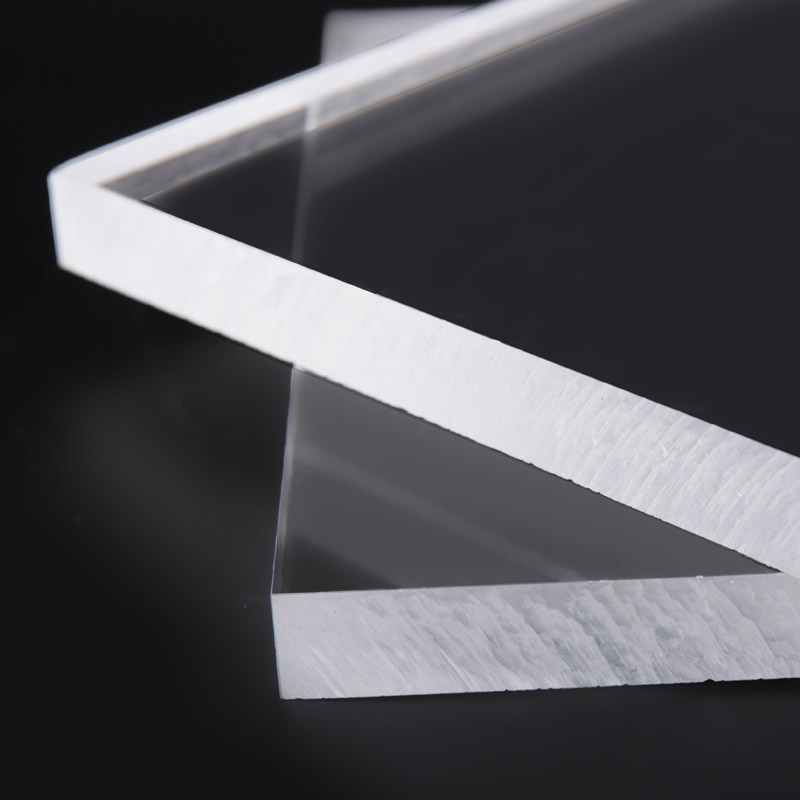
One of Oleg's popular products is the clear acrylic sheet, and our strong production capacity ensure...
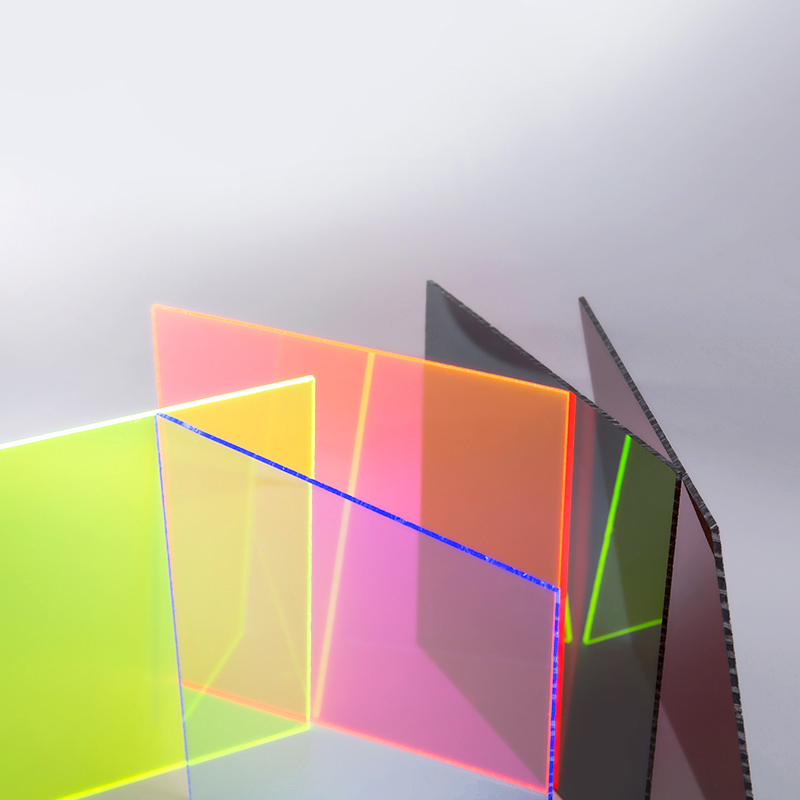
Oleg's products, whose raw material is virgin from Mitsubishi. OLEG is one of the TOP 5 cast acrylic...
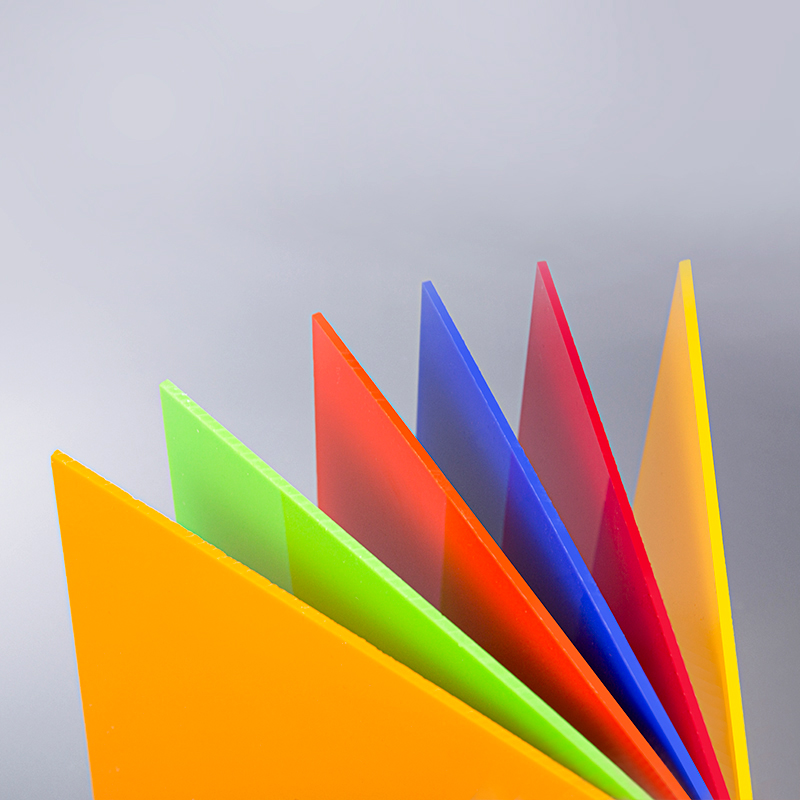
OLEG’s product, whose raw material is virgin from Mitsubishi. The color is highly uniform, pure and...

Golden acrylic sheet has tiny gold glitters in the material, which cause a luxurious effect. • Relia...
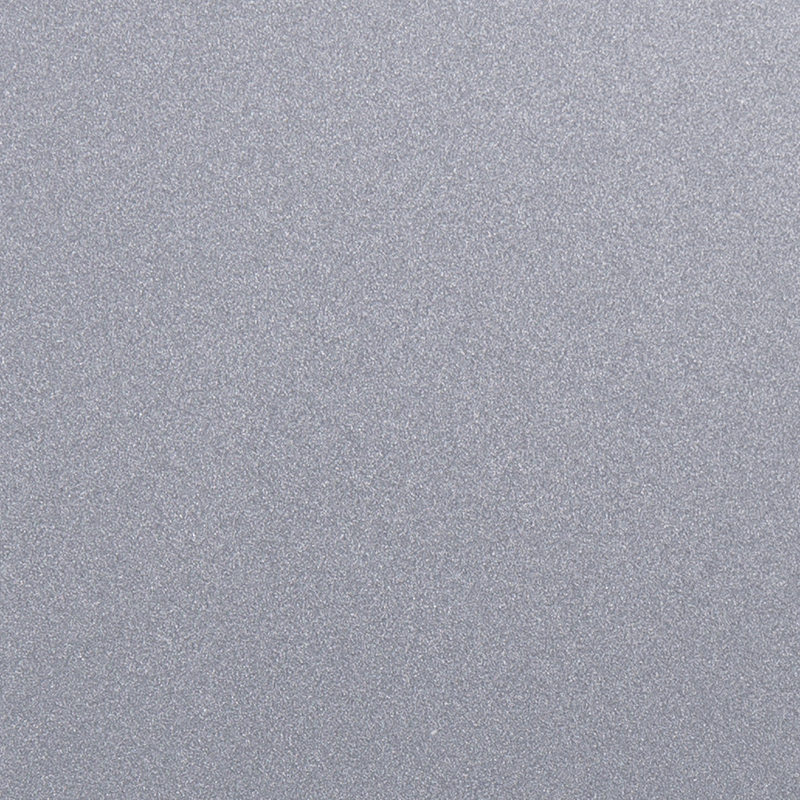
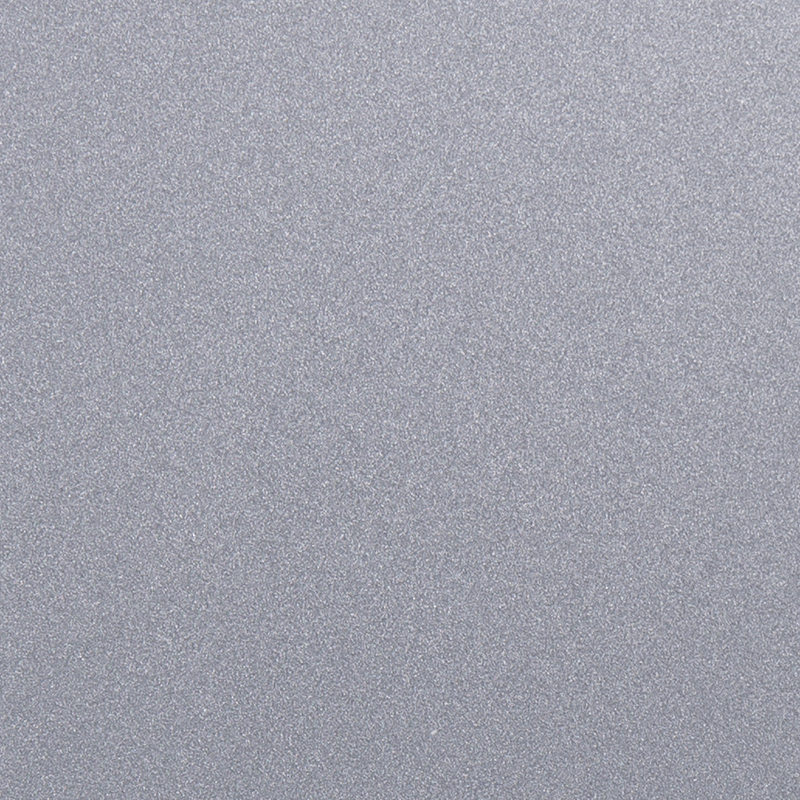
Silver acrylic sheet has tiny silver glitters in the material, which creating an elegant effect. • A...
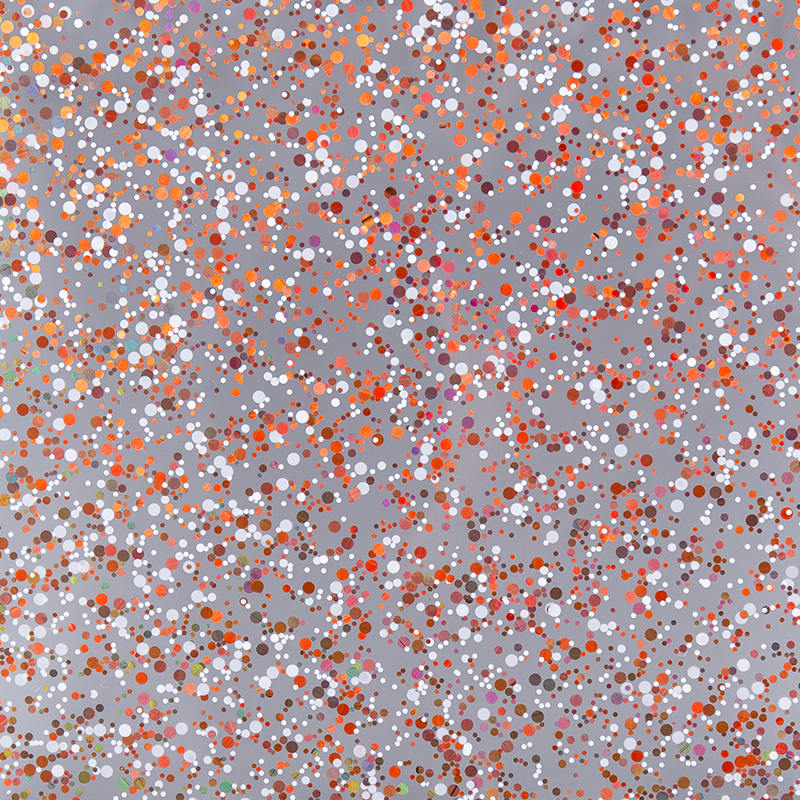
Tiny colored glitters are added to the transparent material to create a colorful and joyful visual e...
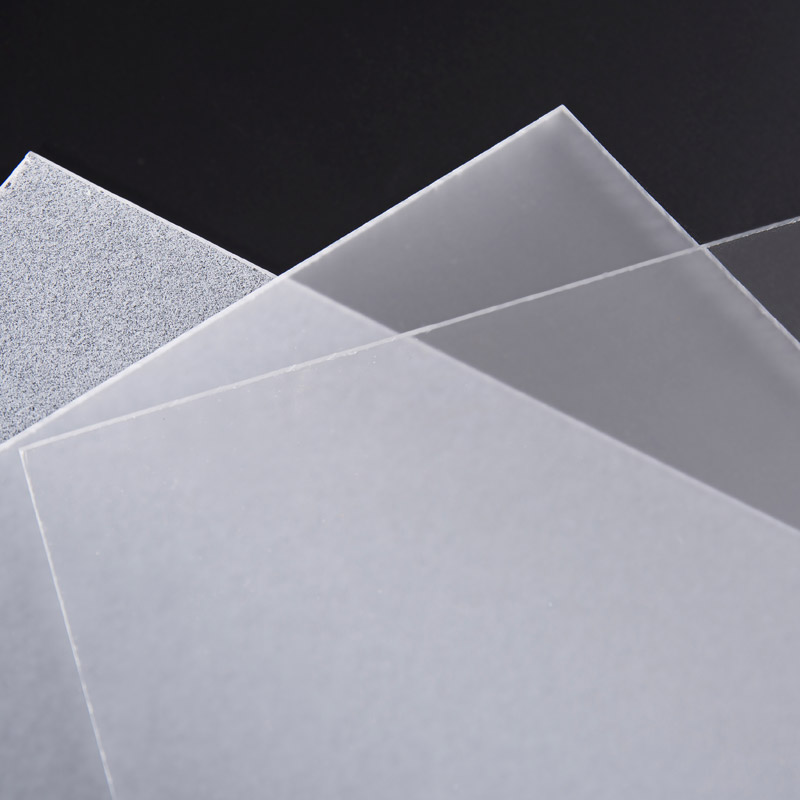
OLEG is a professional manufacturer of cast acrylic sheet, offering high quality products, attractiv...
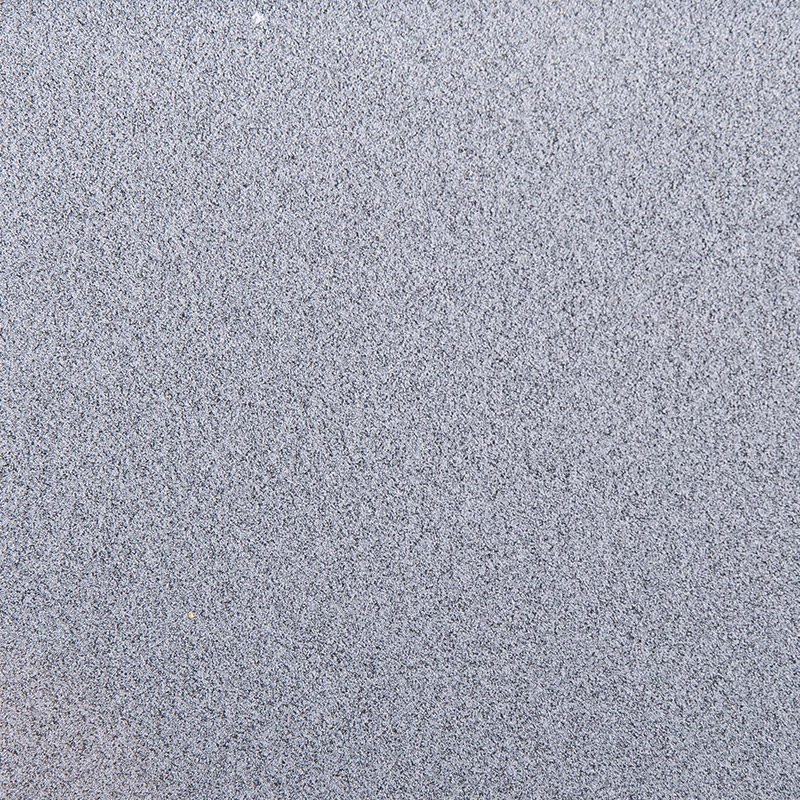
OLEG double side frosted acrylic sheet features a matte finish on both sides. Its modern appearance ...
• UV Resistance: Resistant to degradation from UV light, maintains its original color and clarity ov...

