

 English
 عربى
 Español

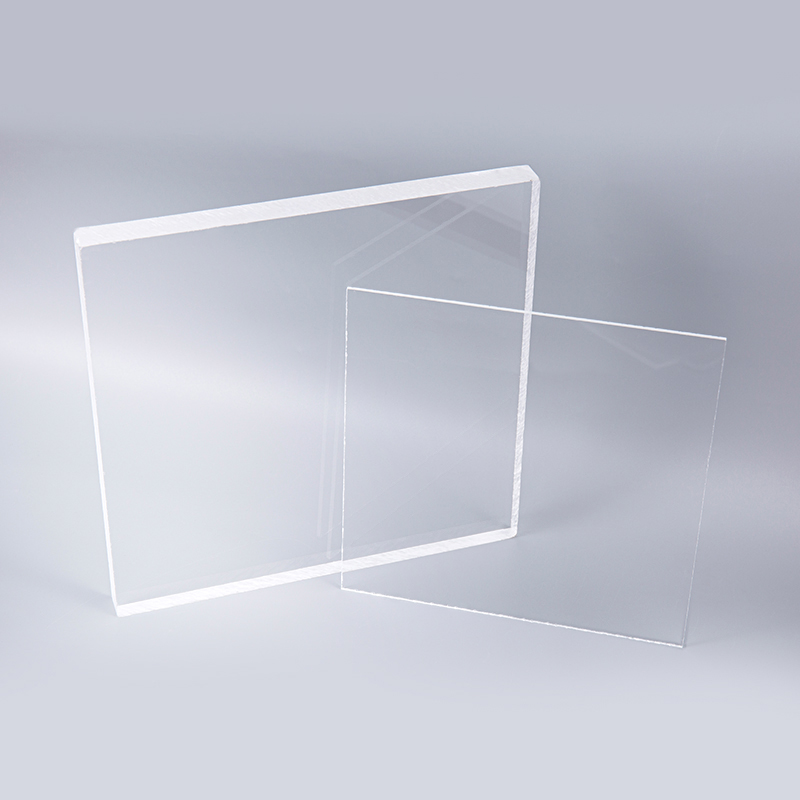
High-Strength Clear Acrylic Sheet
One of Oleg's popular products is the clear acrylic sheet, and our strong production capacity ensure...



Content
Two specifiers, one machine guard, two different answers. One reaches for cast acrylic sheet because it is optically clearer and roughly half the price; the other reaches for polycarbonate because the panel will still be intact after a dropped wrench. Neither is wrong, because acrylic vs polycarbonate is a load-matching decision rather than a quality contest. The two plastics sit within 1 percent of each other in density, yet polycarbonate absorbs more than thirty times the notched impact energy of cast acrylic.
Choose cast acrylic sheet for clarity, scratch resistance, inherent UV stability and cost; choose polycarbonate sheet for impact absorption, continuous service temperatures above 90 C and cold-weather toughness. That single sentence settles roughly 80 percent of real specifications.
Six measurable properties explain almost every acrylic versus polycarbonate disagreement that reaches a specification sheet. Print the numbers, match them to the load case, and the argument usually ends in one pass.
| Property | Cast acrylic (PMMA) | Polycarbonate (PC) | Practical effect |
| Light transmission, 3 mm | 92% | 88 to 90% | Acrylic reads cleaner in backlit signage |
| Notched Izod impact | 15 to 25 J/m | 600 to 900 J/m | PC absorbs energy, acrylic cracks at the stress point |
| Scratch resistance, Mohs | Approximately 3 | Approximately 2 | PC hazes faster under repeated wiping |
| Continuous service temperature | 80 C | 115 C | PC for housings near lamps and drivers |
| Bare-sheet UV stability | Inherent, no cap layer | Requires coextruded UV cap | PC yellows once the cap is abraded away |
| Typical price index | 1.0 | 1.6 to 2.2 | Acrylic wins on large surface area |
Read the table in one direction only: start with the property your application cannot compromise, then accept the consequences on every other row. Mixing the logic, for example demanding polycarbonate impact at acrylic pricing, is where projects stall.
Polycarbonate is the correct answer whenever a panel must absorb energy rather than simply pass light, and the margin is not close.
A 6 mm polycarbonate sheet shrugs off repeated one-kilogram drops from one meter. A 6 mm cast acrylic sheet at the same energy typically cracks on the first or second hit. Polycarbonate also keeps most of its impact strength down to minus 40 C, while cast acrylic turns noticeably brittle below minus 20 C, which is why cold-climate bus shelters, ice rink dashes and refrigeration door windows are polycarbonate jobs.
Acrylic is not fragile in absolute terms. It remains 10 to 15 times more impact resistant than annealed glass of the same thickness, which keeps it the default for storefront display and interior partitions. If your project involves deliberate abuse, review the technical notes on why cast acrylic outperforms glass in impact and long-term use before switching materials outright.
Cast acrylic holds its clarity outdoors for a decade or more without a protective layer; polycarbonate will not, unless its UV cap stays intact for the whole service life.
Cast acrylic sheet is a homogeneous material: the UV absorber is dispersed through the entire thickness, so sanding, cutting or polishing a panel does not create a weak point. Polycarbonate relies on a coextruded cap roughly 30 to 50 microns thick, and that cap is the only thing standing between the core and yellowing.
In practice, that difference decides long-life signage, architectural glazing inserts and outdoor light covers. A polycarbonate panel that is cleaned with an abrasive pad, sanded during fabrication or exposed to ammonia-based cleaners can lose its cap in a few seasons, after which yellowing accelerates and impact strength falls.
Cast acrylic also resists scratching at roughly Mohs 3 against Mohs 2 for polycarbonate, so the same panel looks newer after five years of routine cleaning. For applications where the priority shifts from visibility to diffusion or privacy, a double-sided frosted acrylic sheet delivers consistent light scatter without the yellowing risk.
Acrylic is the easier material to finish; polycarbonate is the easier material to bend. Fabrication method often decides the material before the engineering does.
Rule of thumb for fabricators: if the part needs a seamless bonded joint or a polished edge, budget for acrylic. If the part needs to survive a dropped tool, budget for polycarbonate and accept mechanical fastening.
At equal thickness and sheet size, cast acrylic typically costs 35 to 55 percent less than polycarbonate, and the gap widens on large-area orders.
Color availability reinforces the split. Cast acrylic is produced across an extensive palette, from translucent tints to metallic and glitter effects, which is why designers treat it as a finish rather than a commodity. Polycarbonate is usually stocked in clear, bronze, gray and opal, with far fewer decorative options. Buyers comparing finishes can review the acrylic color and finish catalog to confirm availability before locking a specification.
On the supply side, ask for a declared standard, a thickness tolerance and batch consistency data. Hangzhou Oleg International Trade Co., Ltd. (OLEG), a cast acrylic sheet manufacturer operating casting lines in Huzhou, Zhejiang and Jingmen, Hubei, produces against China's GB/T 7134-2008 first-grade standard, which is a reasonable baseline to request from any cast acrylic supplier. Thickness tolerance of plus or minus 0.2 mm on a 6 mm sheet is a normal target for controlled cast production.
Cost comparison is only valid at equal thickness and equal edge quality. A cheaper sheet that requires extra machining, polishing or replacement inside three years is not cheaper.
Run these five checks in order and the material usually selects itself before you reach the quotation stage.
For impact, yes, by a factor of roughly thirty. For scratch resistance, stiffness under load and optical clarity, cast acrylic is the better performer. Polycarbonate loses impact strength over years of UV exposure once its protective cap degrades, while acrylic holds its properties far longer outdoors.
Yes, but separate them with a gasket or a mechanical fixing, because the two materials expand at different rates and should never be solvent bonded to each other. Acrylic moves about 0.07 mm per meter per degree Celsius, and polycarbonate slightly less.
Cast acrylic is the standard choice for illuminated and non-illuminated outdoor signage because of its clarity, color stability and resistance to yellowing. Polycarbonate is used only where vandalism or wind-borne debris is a documented risk.
No. Once the coextruded UV cap is worn through and the core discolors, the change is permanent. Replacement or a protective film applied from day one are the only realistic options, which is why bare acrylic is often the lower lifetime cost.
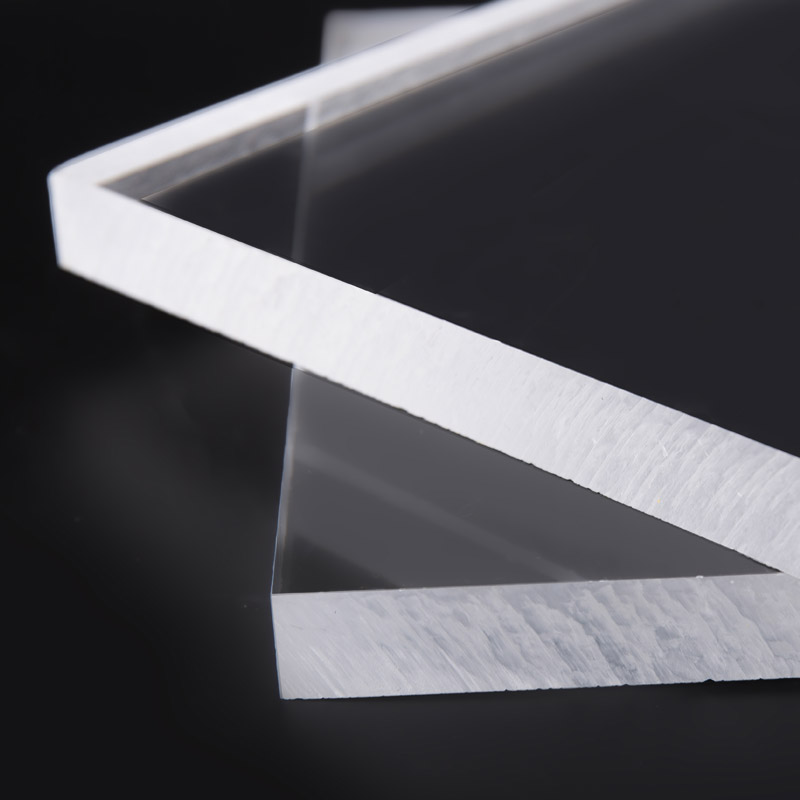
One of Oleg's popular products is the clear acrylic sheet, and our strong production capacity ensure...
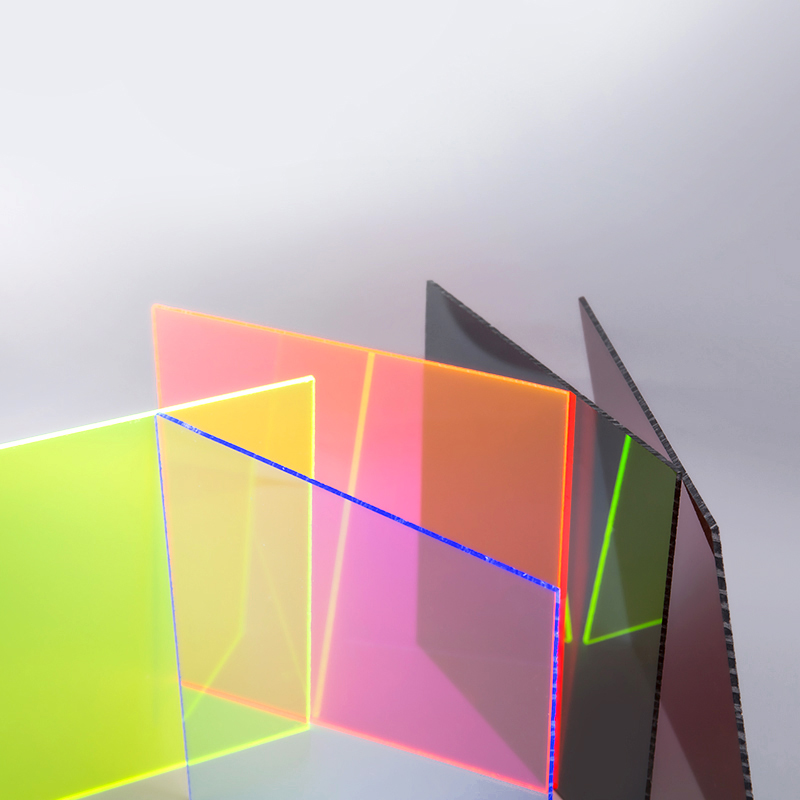
Oleg's products, whose raw material is virgin from Mitsubishi. OLEG is one of the TOP 5 cast acrylic...
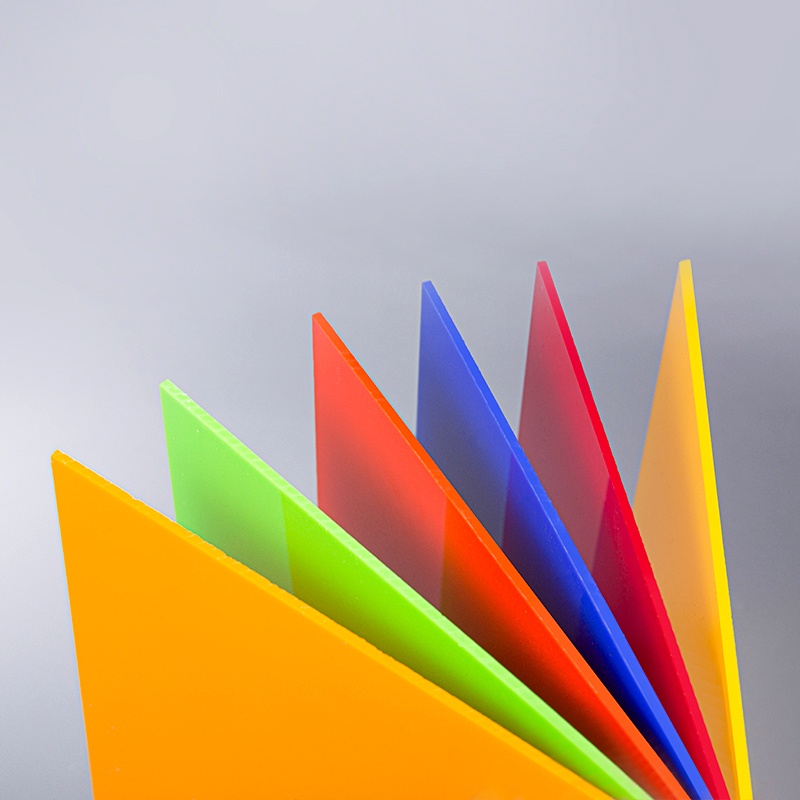
OLEG’s product, whose raw material is virgin from Mitsubishi. The color is highly uniform, pure and...
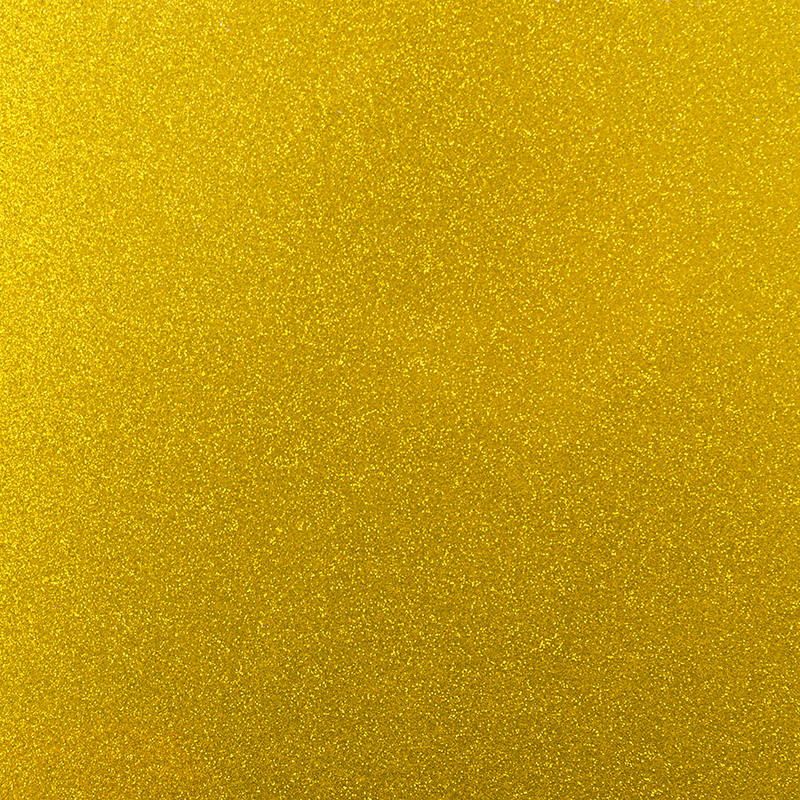
Golden acrylic sheet has tiny gold glitters in the material, which cause a luxurious effect. • Relia...
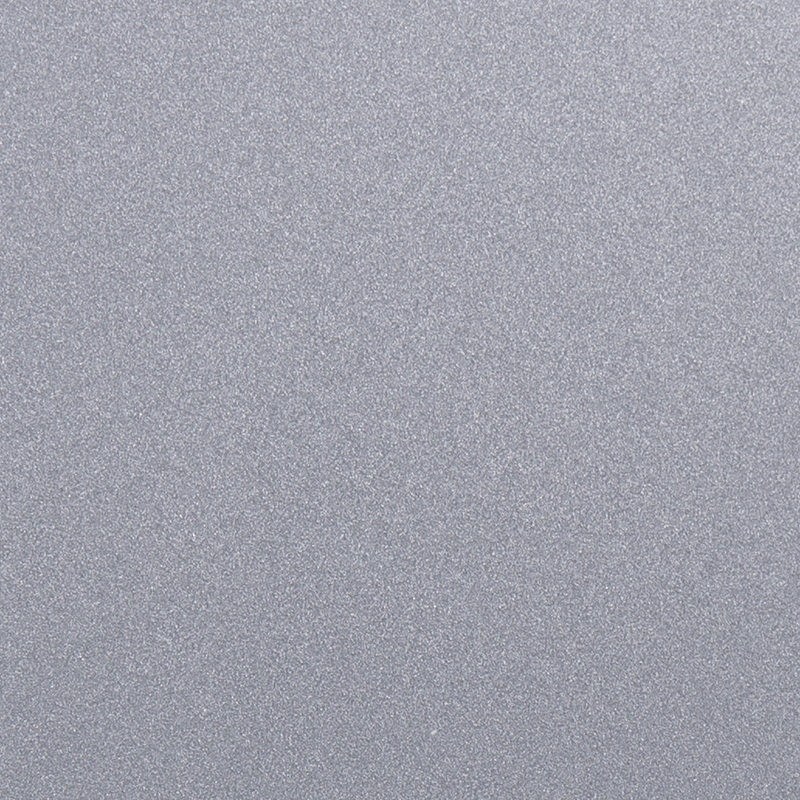
Silver acrylic sheet has tiny silver glitters in the material, which creating an elegant effect. • A...
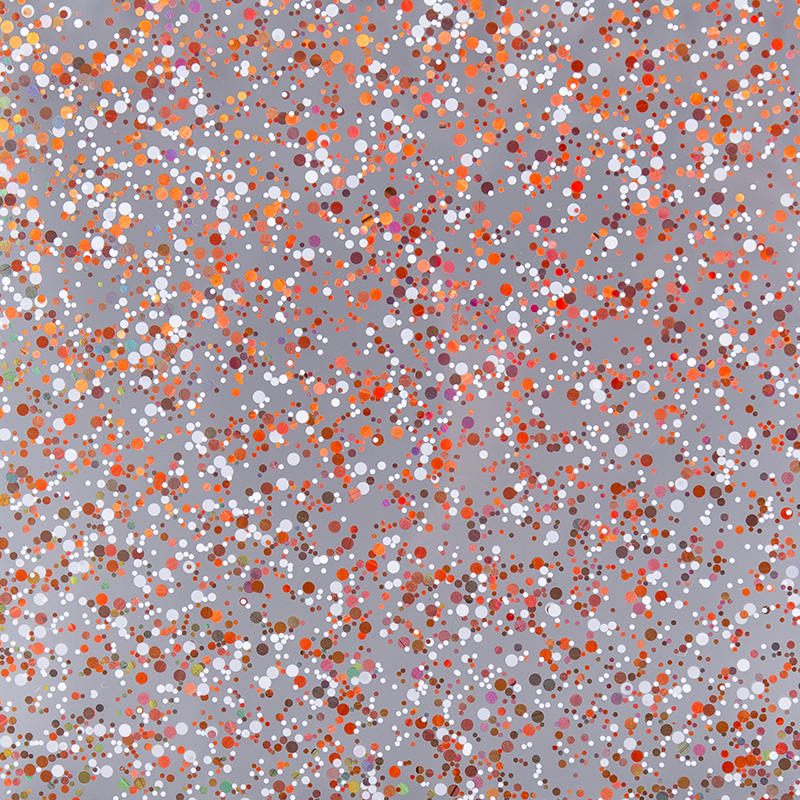
Tiny colored glitters are added to the transparent material to create a colorful and joyful visual e...
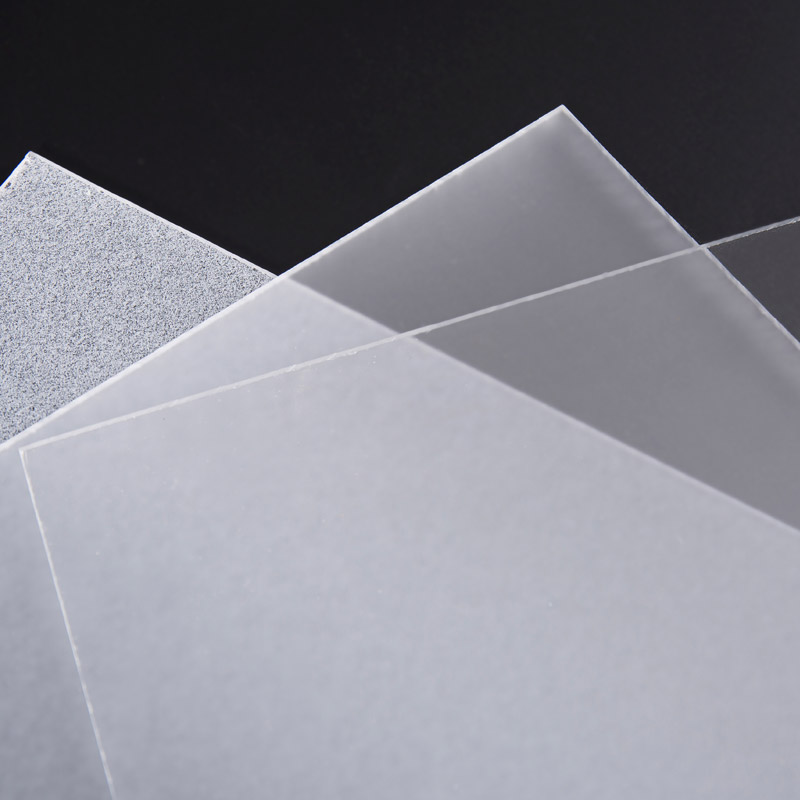
OLEG is a professional manufacturer of cast acrylic sheet, offering high quality products, attractiv...
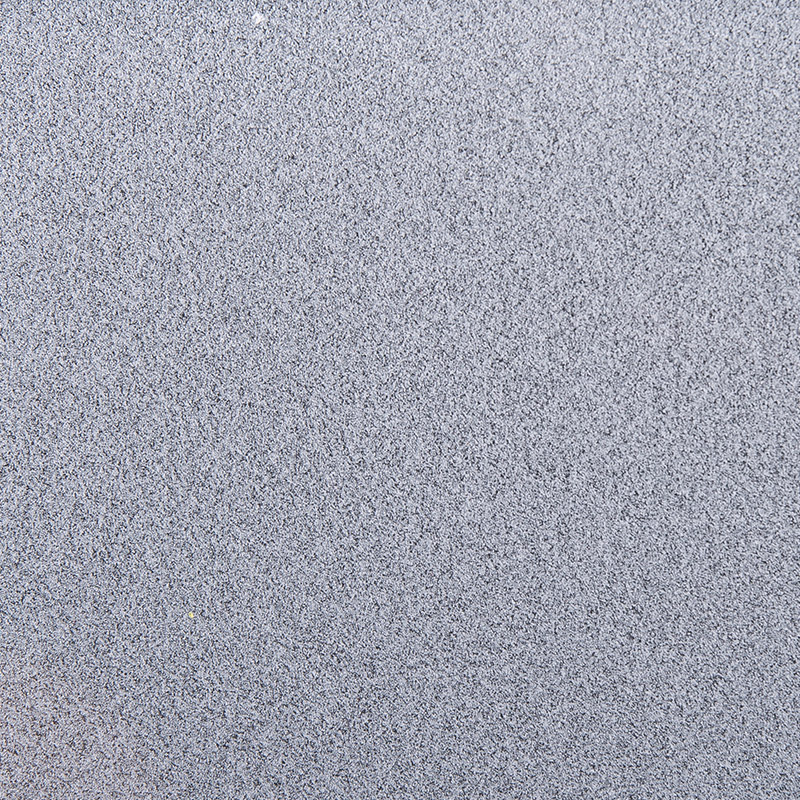
OLEG double side frosted acrylic sheet features a matte finish on both sides. Its modern appearance ...
• UV Resistance: Resistant to degradation from UV light, maintains its original color and clarity ov...

