

 English
 عربى
عربى Español
High-Strength Clear Acrylic Sheet
One of Oleg's popular products is the clear acrylic sheet, and our strong production capacity ensure...



Content
In the realm of contemporary construction and interior design, material innovation plays a pivotal role in shaping aesthetics, functionality, and sustainability. Among the versatile options available, architectural acrylic panels have emerged as a frontrunner, offering a unique blend of performance and visual appeal. These durable, transparent, or translucent sheets are increasingly specified by architects and designers for a wide array of applications, from dynamic facades and skylights to intricate interior partitions and signage. Their popularity stems from a compelling set of advantages that address modern design challenges—such as the demand for natural light, material efficiency, and bold aesthetic statements. This article delves deep into the core benefits of integrating acrylic panels into building projects, exploring their technical merits, design flexibility, and practical considerations that make them a superior choice for forward-thinking design solutions.
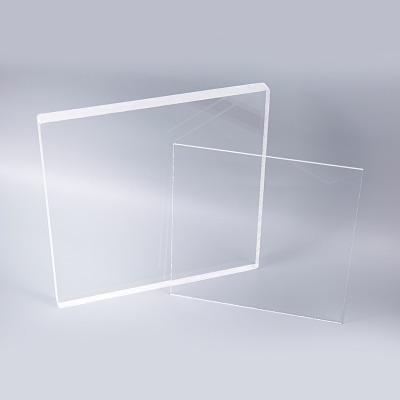
The primary allure of architectural acrylic panels lies in their extraordinary design versatility. Unlike traditional glass or polycarbonate, acrylic can be manufactured in a vast spectrum of colors, transparencies, and finishes—from crystal-clear clarity to vibrant opaque hues, and from glossy to matte textures. This allows designers to manipulate light and color in innovative ways, creating environments that are both functional and emotionally resonant. For instance, translucent panels can softly diffuse sunlight, reducing glare while maintaining a bright, airy atmosphere, a concept central to many modern building designs. Furthermore, acrylic’s excellent thermoforming capability means it can be heated and molded into complex curves, radii, and three-dimensional shapes that would be prohibitively expensive or impossible with glass. This enables the creation of flowing, organic architectural forms, seamless rounded corners, and bespoke sculptural elements. The material’s inherent ability to be laser-cut and engraved with precision also opens doors for customized patterns, corporate logos, or decorative motifs integrated directly into walls, balustrades, or ceiling features. This fusion of aesthetics and adaptability makes acrylic an indispensable tool for realizing unique architectural visions.
When selecting materials for design-centric applications, understanding the comparative properties is key. The following table contrasts architectural acrylic panels with two other common transparent/translucent materials across several aesthetic and functional dimensions relevant to modern design.
| Property | Architectural Acrylic Panels | Tempered Glass | Polycarbonate Sheets |
| Optical Clarity | Excellent (up to 92% light transmission) | Superior (up to 99%) | Good (can yellow over time) |
| Color & Finish Options | Extremely Wide Variety | Limited (mostly clear/tinted) | Moderate Variety |
| Formability (Thermoforming) | Excellent | Very Poor | Good |
| Impact Resistance | High (17x stronger than glass) | Low (shatters) | Very High (250x stronger than glass) |
| Surface Hardness | Good (scratch-resistant coatings available) | Excellent | Poor (prone to scratching) |
Beyond aesthetics, the long-term performance and resilience of building materials are paramount. Acrylic panels for exterior walls and interior high-traffic areas are chosen for their exceptional durability. Acrylic is a robust polymer that boasts impact resistance up to 17 times greater than standard glass of the same thickness. This makes it a much safer option for applications like school partitions, sports facility enclosures, balcony infill panels, or areas prone to vandalism, as it is highly shatter-resistant. Even upon extreme impact, it tends to crack rather than shatter into dangerous shards. Furthermore, high-quality architectural-grade acrylic is formulated with UV stabilizers that protect the material from the degrading effects of sunlight, preventing yellowing, brittleness, and loss of optical clarity over decades. This UV resistance is crucial for maintaining the intended appearance and structural integrity of facades, canopies, and skylights. When considering acrylic vs polycarbonate for outdoor use, acrylic often holds an advantage in long-term weatherability and clarity retention, while polycarbonate may excel in pure impact strength. The combination of strength, weatherability, and maintained appearance ensures that structures not only look impressive on day one but continue to perform reliably for years with minimal maintenance.
The practical advantages of architectural acrylic panels extend significantly into the construction phase. Weighing approximately half as much as glass of equivalent thickness, acrylic panels dramatically reduce the structural load on building frames, support systems, and foundations. This lightweight characteristic translates into several tangible benefits. It simplifies handling and logistics on-site, potentially reducing labor costs and installation time. For retrofit projects or installations on existing structures, using acrylic can be a game-changer, as it places less demand on the building’s load-bearing capacity compared to heavier glazing alternatives. The installation process itself is often more straightforward; panels can be cut and drilled on-site with standard woodworking tools (using proper techniques to prevent cracking), allowing for last-minute adjustments. This ease of fabrication is a key reason they are popular for custom decorative acrylic wall panels, where precise fits and unique shapes are required. Whether used in a complex acrylic panel facade design or as a simple interior divider, the weight savings and workability contribute to a more efficient, cost-effective, and flexible construction process from start to finish.
In an era focused on green building and energy conservation, architectural acrylic panels offer meaningful contributions. Their excellent thermal insulation properties, while not as high as specialized insulated glass units, are superior to single-pane glass. When used in double-glazed or insulated configurations, acrylic panels can significantly improve a building’s thermal envelope, helping to regulate interior temperatures and reduce heating and cooling loads. More notably, their superb light transmission qualities maximize daylight harvesting—a core principle of sustainable design. By allowing abundant natural light to penetrate deep into building interiors, they reduce reliance on artificial lighting during daytime hours, leading to direct energy savings. This makes them an excellent choice for acrylic panel skylight installation in commercial atriums, warehouses, or residential spaces. From a lifecycle perspective, acrylic is a recyclable thermoplastic. At the end of its long service life, the material can be ground and reprocessed into new acrylic products. Furthermore, the durability and longevity of architectural-grade acrylic mean less frequent replacement, conserving resources over the building’s lifespan. These attributes align with major green building certification criteria, such as LEED and BREEAM, supporting projects aiming for higher sustainability ratings.
While the initial material cost of architectural-grade acrylic can be higher than some alternatives, a holistic view of its total lifecycle cost reveals significant value. The true economic advantage becomes clear when considering installed cost and long-term ownership expenses. As discussed, the lightweight nature leads to savings in structural support and installation labor. Its durability minimizes costs associated with breakage, repairs, and replacements—a critical factor in public or high-traffic environments. The exceptional weatherability ensures the material maintains its appearance without the need for costly refinishing or early replacement, which is a common concern with materials that degrade under UV exposure. When evaluating options for a modern building design feature, the ability of acrylic to combine multiple functions (e.g., glazing, decoration, safety barrier) into a single, durable element can also streamline specifications and reduce the number of different materials required. Over a typical 20-30 year service life, the combined savings on maintenance, energy (via daylighting), and potential insurance (due to safety) often position acrylic as a financially prudent choice, offering an outstanding balance of upfront performance and long-term economic benefits.
The lifespan of architectural acrylic panels outdoors is highly dependent on the quality of the material and its UV stabilization. Standard, non-UV-stabilized acrylic can degrade, yellow, and become brittle within a few years. However, properly manufactured architectural-grade acrylic for exterior use contains advanced UV inhibitors and is designed to withstand prolonged sun exposure. These high-performance panels typically come with 10 to 30-year warranties against yellowing and loss of light transmission. With proper installation and maintenance, they can retain their structural integrity and optical clarity for 20 years or more, making them a durable choice for acrylic panels for exterior walls, facades, and canopies.
While single-pane architectural acrylic panels have a slightly better insulation value (R-value) than single-pane glass, the primary advantage lies in their application versatility for improved thermal performance. Acrylic’s lightweight and formability allow it to be easily used in double- or triple-wall insulated configurations, similar to insulated glass units (IGUs). These multi-wall acrylic sheets create air pockets that provide significantly enhanced thermal insulation. For a modern building design focused on energy efficiency, acrylic panels can be specified in these insulated forms to improve the building envelope’s overall R-value. Additionally, their excellent light transmission supports passive solar heating strategies when oriented correctly, further contributing to a building's thermal management.
Standard acrylic panels are combustible and do not meet building code requirements for fire-rated assemblies on their own. However, specific fire-retardant (FR) or fire-rated grades of acrylic are available. These specially formulated panels are designed to resist ignition, have a slower burn rate, and may achieve certain flame spread and smoke development ratings (like Class A or B per ASTM E84). For applications such as interior partitions in corridors, atrium separations, or other areas where fire resistance is mandated by code, it is crucial to specify these certified fire-rated acrylic products and ensure the entire assembly (including framing and seals) is tested and approved for the required fire rating period (e.g., 45-minute, 1-hour). Always consult local building codes and a fire protection engineer.
Proper maintenance is key to preserving the clarity and appearance of architectural acrylic panels. Use a soft, lint-free cloth or sponge with a mild soap solution (like dish soap diluted in lukewarm water). Gently wipe the surface and rinse thoroughly with clean water to avoid soap residue. Always dry with a soft cloth to prevent water spots. Crucially, avoid abrasive cleaners, scrubbers, or cloths, as acrylic is softer than glass and can be scratched. Also, avoid solvents like acetone, window cleaners containing ammonia, or strong alcohols, as they can cause cracking or hazing. For acrylic panels for exterior walls, regular rinsing with water to remove dirt and pollutants is often sufficient for routine care.
An acrylic panel facade design often presents a cost-effective alternative to a full glass curtain wall, particularly for projects with complex geometries or budget constraints. While high-end, structurally glazed curtain walls are typically more expensive, acrylic systems offer savings through several channels: lower material weight reduces structural steel requirements, panels are generally less expensive per square foot than tempered or laminated glass, and installation can be simpler and faster. Furthermore, for applications where maximum transparency isn't critical, such as using translucent or colored panels for aesthetic effect, acrylic provides dramatic visual impact at a fraction of the cost of specialty glass. A detailed value engineering analysis usually shows that for many mid-range and design-focused applications, acrylic provides a superior balance of cost, design freedom, and performance.
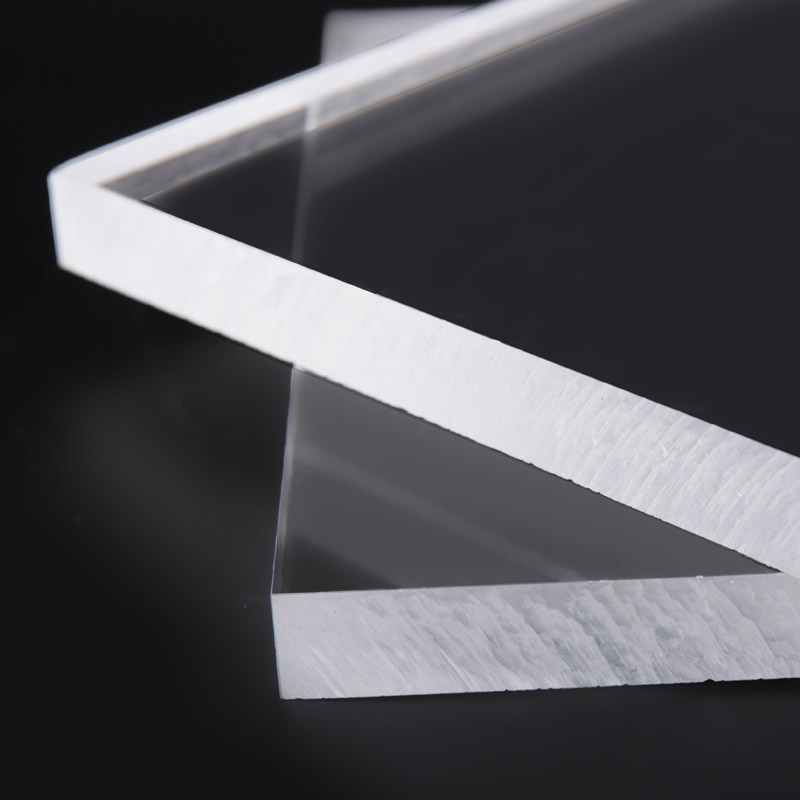
One of Oleg's popular products is the clear acrylic sheet, and our strong production capacity ensure...
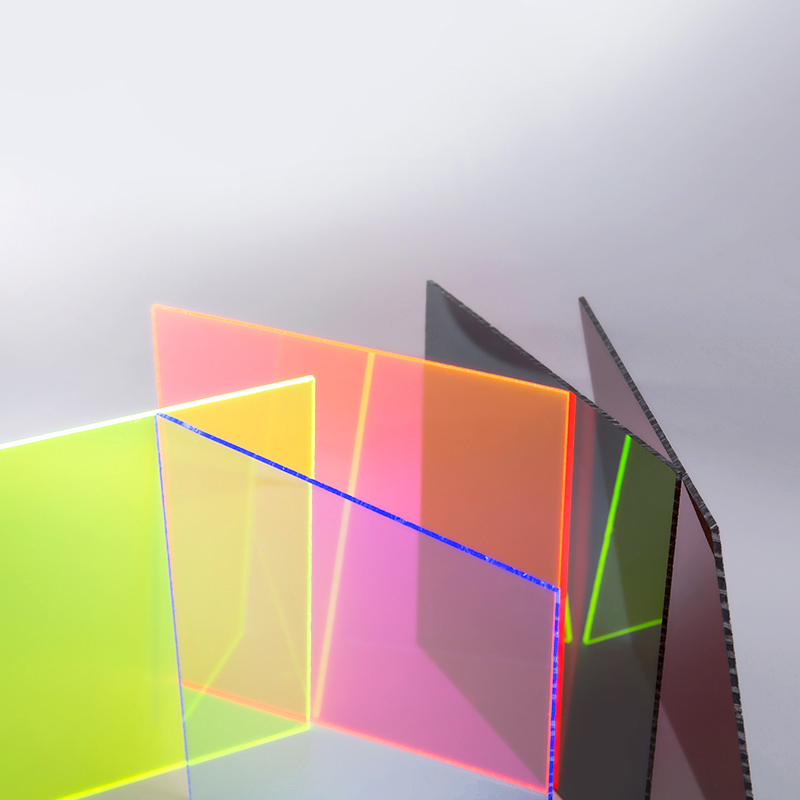
Oleg's products, whose raw material is virgin from Mitsubishi. OLEG is one of the TOP 5 cast acrylic...
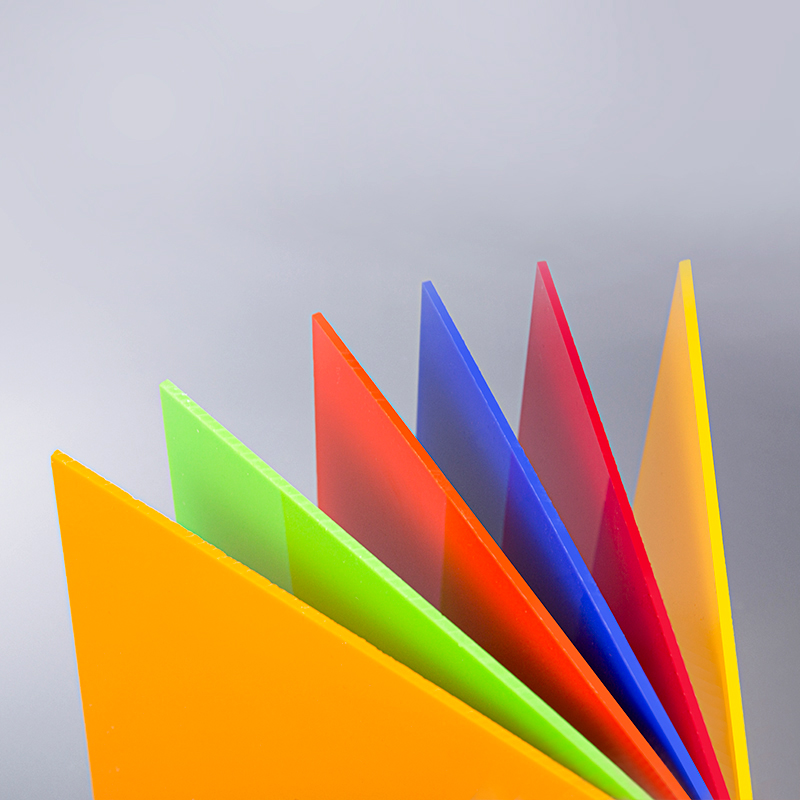
OLEG’s product, whose raw material is virgin from Mitsubishi. The color is highly uniform, pure and...

Golden acrylic sheet has tiny gold glitters in the material, which cause a luxurious effect. • Relia...

Silver acrylic sheet has tiny silver glitters in the material, which creating an elegant effect. • A...
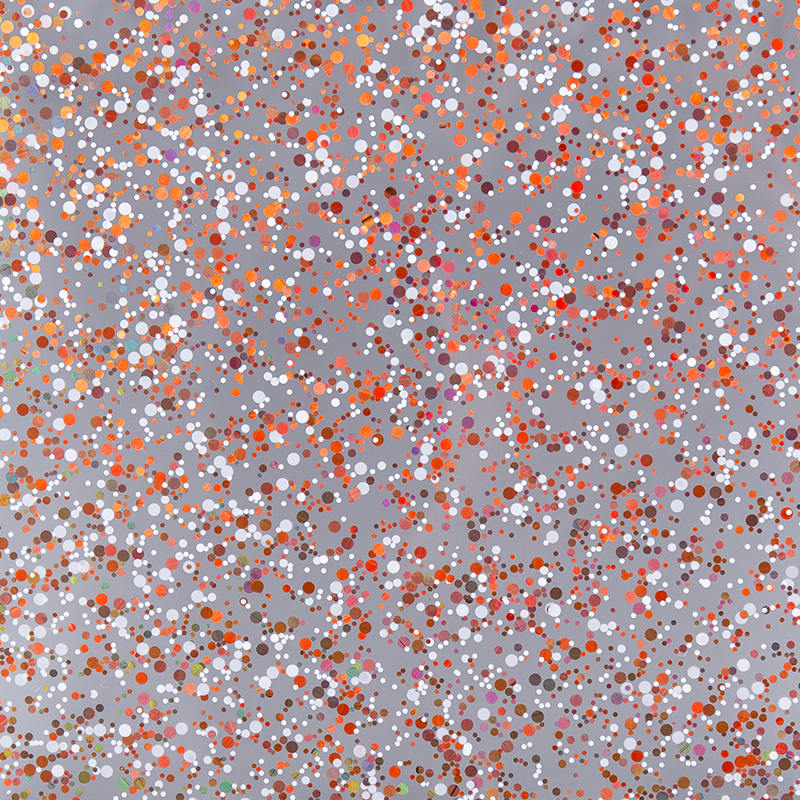
Tiny colored glitters are added to the transparent material to create a colorful and joyful visual e...
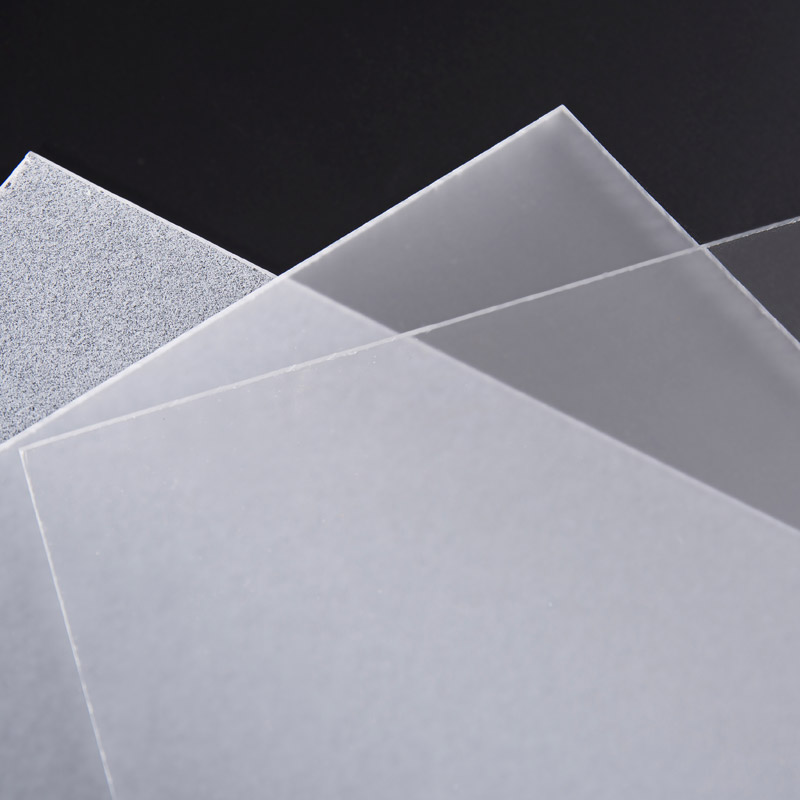
OLEG is a professional manufacturer of cast acrylic sheet, offering high quality products, attractiv...
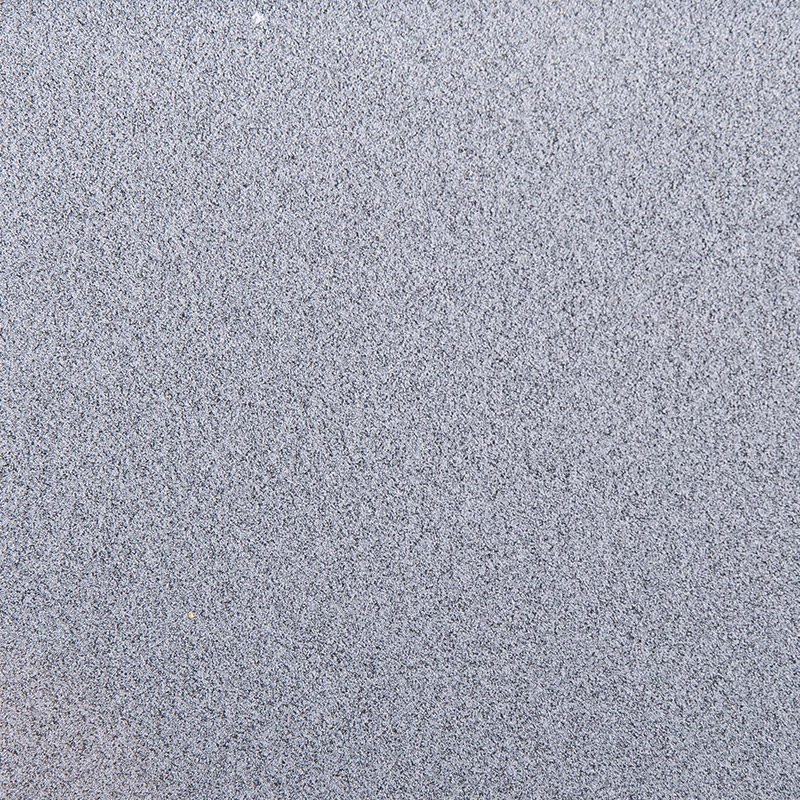
OLEG double side frosted acrylic sheet features a matte finish on both sides. Its modern appearance ...
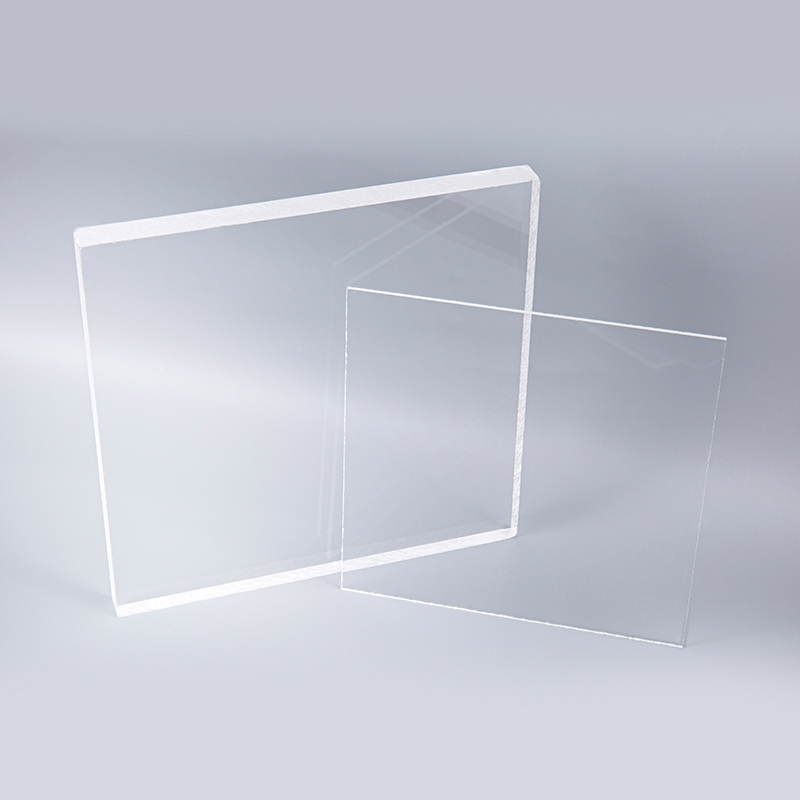
• UV Resistance: Resistant to degradation from UV light, maintains its original color and clarity ov...

