

 English
 عربى
عربى Español
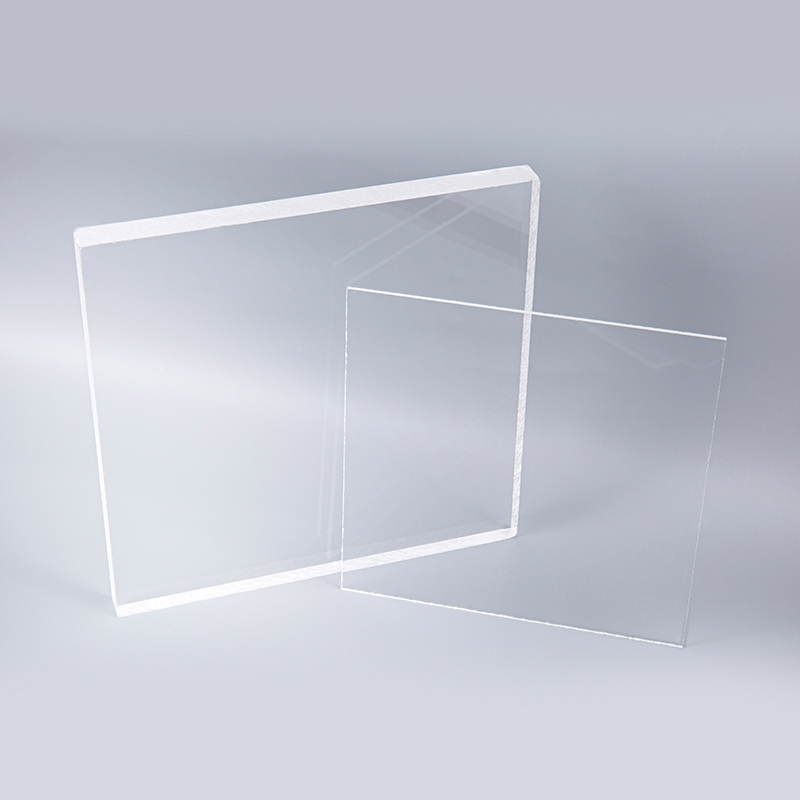
High-Strength Clear Acrylic Sheet
One of Oleg's popular products is the clear acrylic sheet, and our strong production capacity ensure...



Yellowing is one of the most common quality concerns associated with acrylic sheets, particularly in applications where optical clarity, aesthetic appeal, and long-term appearance are paramount. While cast acrylic is generally more resistant to yellowing than extruded acrylic due to its higher molecular weight and lower residual stress, it is not immune to this phenomenon under certain conditions. Understanding the root causes of yellowing and implementing preventive measures during manufacturing, processing, and end-use is essential for maintaining product quality, extending service life, and ensuring customer satisfaction. This article explores the mechanisms behind acrylic yellowing and provides practical guidance for prevention across the entire product lifecycle.
The primary cause of yellowing in cast acrylic is ultraviolet radiation exposure. Over time, UV light breaks down the polymer chains in acrylic through a process known as photodegradation. This degradation leads to the formation of chromophores—molecular structures that absorb light in the blue-violet spectrum—resulting in a yellow or amber appearance. The process is accelerated by heat, moisture, and the presence of certain additives or impurities. While cast acrylic inherently contains higher molecular weight polymers that are more resistant to UV degradation due to their longer, more entangled chains, extended outdoor exposure will eventually cause some degree of yellowing regardless of the manufacturing method. The rate of yellowing depends on factors such as UV intensity, exposure duration, temperature, and the presence of protective additives.
Another significant cause of yellowing is thermal degradation during processing. When cast acrylic is subjected to excessive heat during manufacturing, machining, thermoforming, or other processing operations, the polymer chains can depolymerize—breaking down into shorter chains and volatile byproducts. These degradation products often have chromophoric structures that contribute to yellowing. This is particularly problematic during extrusion, injection molding, and thermoforming operations where temperatures exceed recommended processing ranges. Cast acrylic, with its higher molecular weight and greater thermal stability, is actually more resistant to thermal degradation than extruded acrylic, but it still requires careful temperature control during all processing stages. Processing temperatures should generally be maintained below 85°C to minimize the risk of thermal yellowing.
The presence of impurities or contaminants during the polymerization process can also contribute significantly to yellowing. Residual catalyst, unreacted monomer, trace metals, or other contaminants can all act as catalysts for degradation reactions that produce yellow byproducts. During the cell-casting process, strict quality control measures are essential to minimize these contaminants. This includes careful purification of the monomer, precise control of catalyst levels, and thorough cleaning of the glass plates and other equipment used in the casting process. Even small amounts of impurities can have a significant impact on the optical properties of the final sheet, particularly in applications where high clarity is required.
Chemical exposure can also cause yellowing or surface clouding that may be mistaken for yellowing. Certain cleaning solvents containing ammonia, alcohol, or aromatic hydrocarbons can attack the surface of acrylic, causing micro-cracking, etching, or chemical degradation that results in a cloudy or yellowed appearance. Similarly, exposure to certain chemicals in the environment—such as industrial emissions, cleaning agents, or even common household products—can react with the acrylic surface and cause discoloration. To prevent this type of yellowing, it is essential to use compatible cleaning agents and to protect acrylic surfaces from chemical exposure during both processing and end-use applications. Manufacturers should provide clear guidelines on proper cleaning and maintenance procedures to end-users.
Prevention of yellowing begins during the manufacturing process. For cast acrylic, the most effective preventive measures include the use of high-purity monomer, precise temperature control during polymerization, and the addition of UV absorbers and antioxidants. UV absorbers such as benzophenone or benzotriazole compounds are typically added at levels of 0.5 to 2 percent to provide long-term outdoor protection. These compounds absorb UV radiation and convert it to harmless thermal energy, preventing the photodegradation of the polymer chains. Antioxidants help prevent thermal degradation during processing by scavenging free radicals that would otherwise initiate chain scission and yellowing. Optical brighteners can also be added to help compensate for any residual yellowness by absorbing UV light and re-emitting it as visible blue light, creating the appearance of enhanced whiteness.
| Yellowing Factor | Mechanism of Action | Prevention Method | Effectiveness |
|---|---|---|---|
| UV Radiation | Photodegradation of polymer chains | Add UV absorbers (0.5-2%) | High |
| Thermal Degradation | Depolymerization during processing | Control processing temperatures below 85°C | High |
| Chemical Exposure | Surface etching and degradation | Use compatible cleaning agents | Medium |
| Impurities/Contaminants | Catalytic degradation reactions | Strict monomer purification and quality control | High |
| Heat + Moisture | Hydrolysis and oxidative degradation | Control environmental conditions | Medium |
| Inadequate Stabilization | Insufficient antioxidant or UV protection | Formulate with adequate stabilizer levels | High |
During processing and fabrication, maintaining proper temperature control is critical for preventing thermal yellowing. Cast acrylic should be processed at temperatures below 85°C, with careful monitoring of processing conditions to avoid overheating. Thermoforming, in particular, requires careful temperature control to achieve the desired shape without causing thermal degradation. The use of circulating air ovens with precise temperature control is recommended over infrared or direct-contact heating methods that can create hot spots. Cooling should be gradual and controlled to prevent the development of internal stresses that could lead to premature yellowing. For CNC machining and routing, using sharp tools with proper feed rates minimizes heat generation at the cutting interface, reducing the risk of localized thermal degradation.
For applications requiring outdoor exposure, selecting UV-stabilized cast acrylic is essential. Manufacturers offer various grades of cast acrylic with different levels of UV protection. Standard grades may begin to yellow within 3 to 5 years of outdoor exposure, while UV-stabilized grades can maintain their clarity for 10 years or more. When specifying cast acrylic for outdoor applications, it is important to consider the expected service life and the desired appearance retention over that period. For applications where long-term clarity is critical, such as architectural glazing or outdoor signage, the additional cost of UV-stabilized material is justified by the extended service life and reduced maintenance requirements. The performance consistency of UV-stabilized cast acrylic is similar to how fashion polyester spandex letter jacquard rib clothing fabric delivers reliable quality in textile applications.
In end-use applications, proper maintenance and care can significantly extend the service life of cast acrylic and prevent yellowing. Regular cleaning with appropriate, non-abrasive cleaning agents removes contaminants that could promote degradation. Avoiding prolonged exposure to direct sunlight through the use of shading or UV-blocking films can also help extend the life of acrylic products. For critical applications, periodic inspection and early detection of yellowing can allow for corrective action before the problem becomes severe. In some cases, superficial yellowing can be reduced through polishing or the application of protective coatings, though these methods are generally less effective than proper initial formulation and processing.
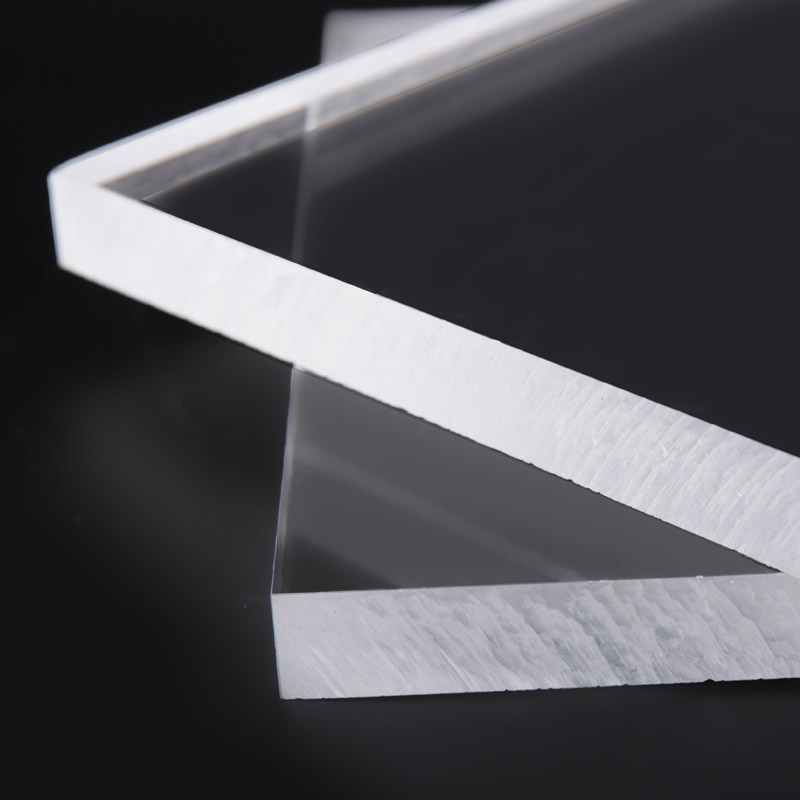
One of Oleg's popular products is the clear acrylic sheet, and our strong production capacity ensure...
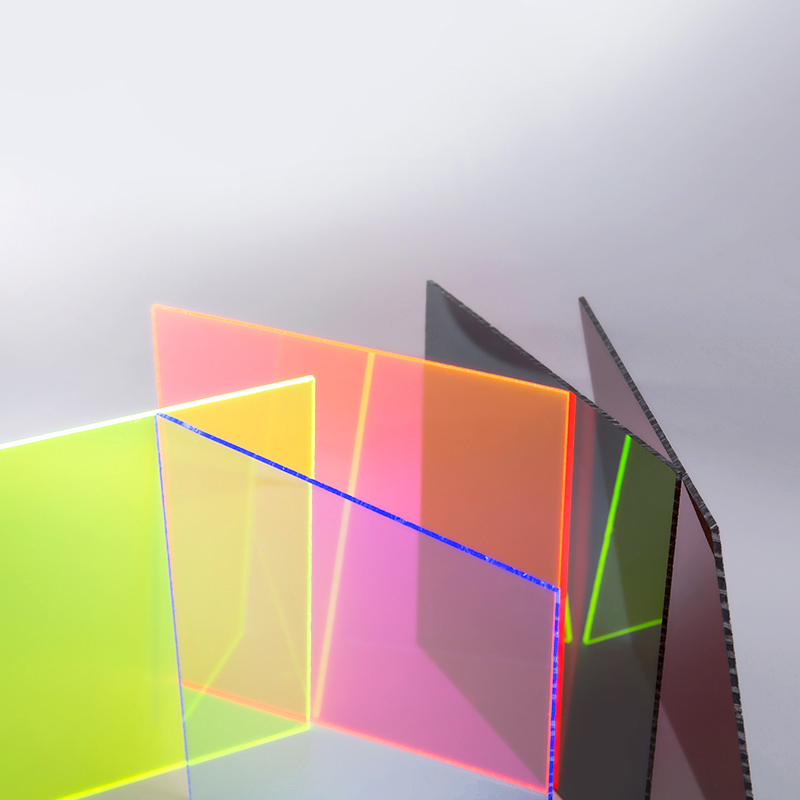
Oleg's products, whose raw material is virgin from Mitsubishi. OLEG is one of the TOP 5 cast acrylic...
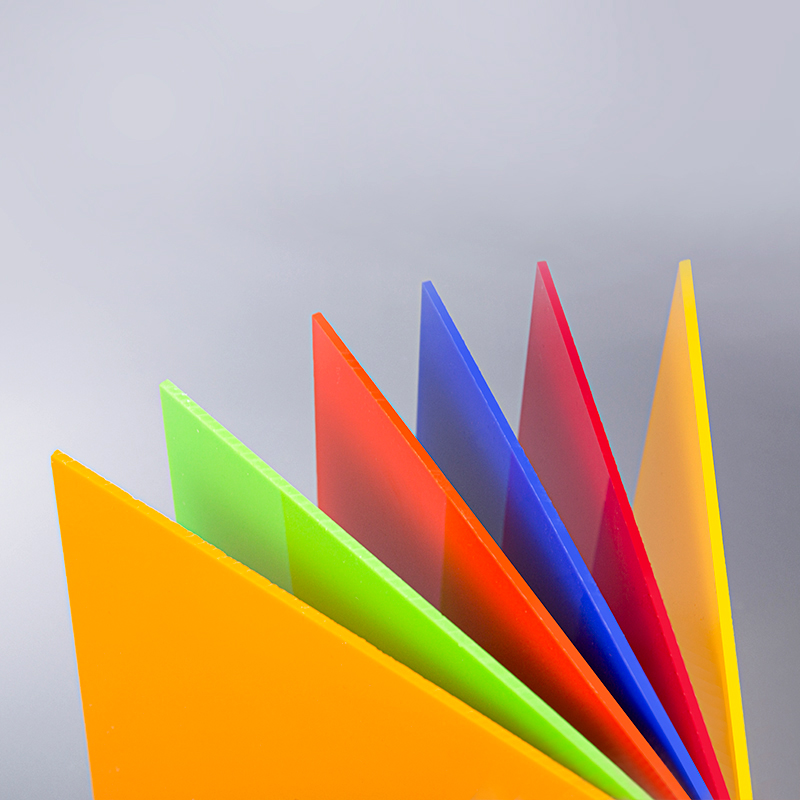
OLEG’s product, whose raw material is virgin from Mitsubishi. The color is highly uniform, pure and...
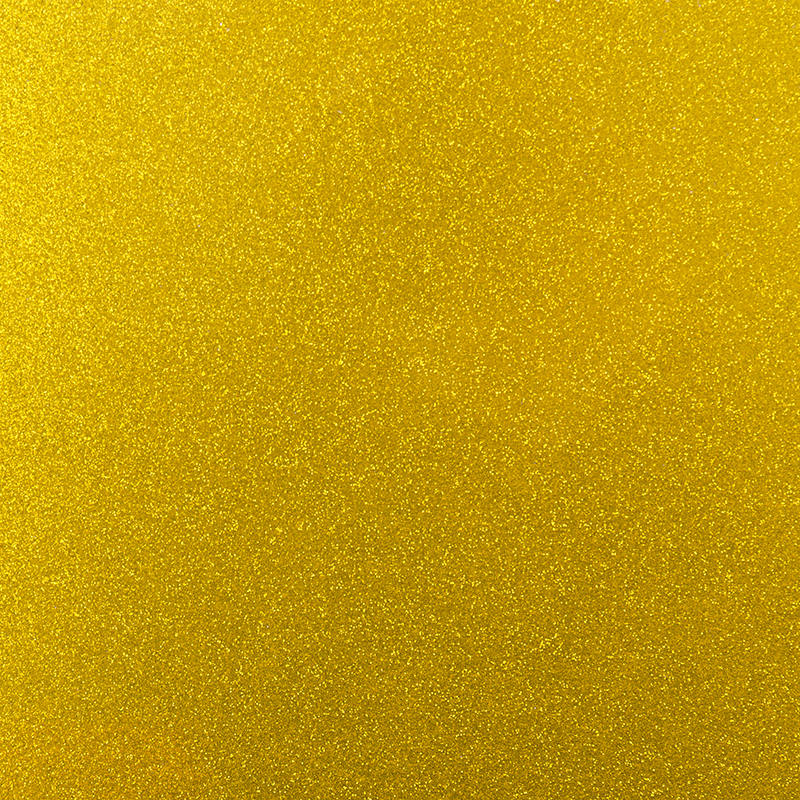
Golden acrylic sheet has tiny gold glitters in the material, which cause a luxurious effect. • Relia...
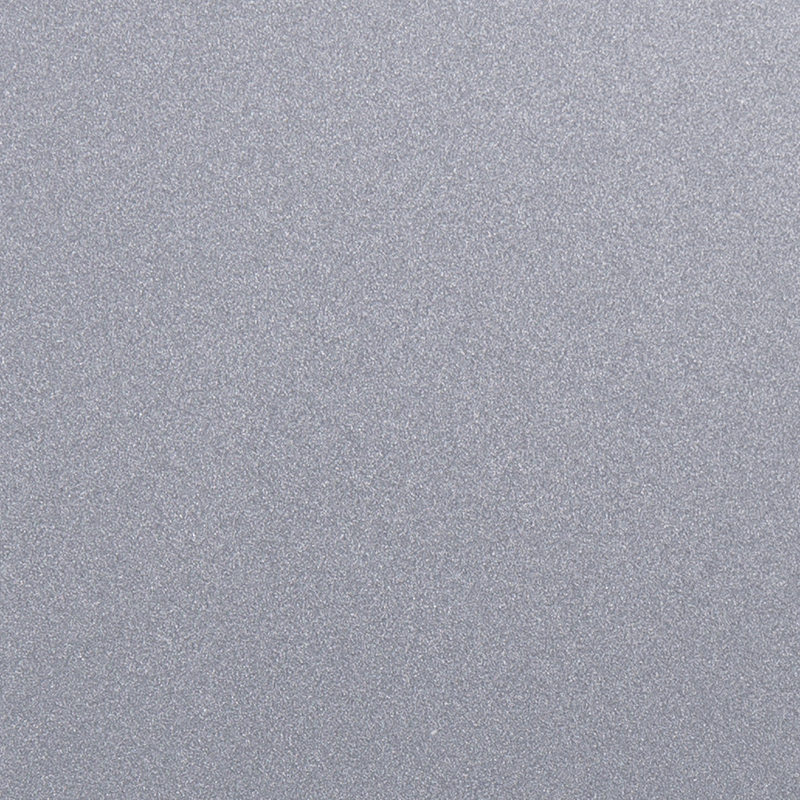
Silver acrylic sheet has tiny silver glitters in the material, which creating an elegant effect. • A...
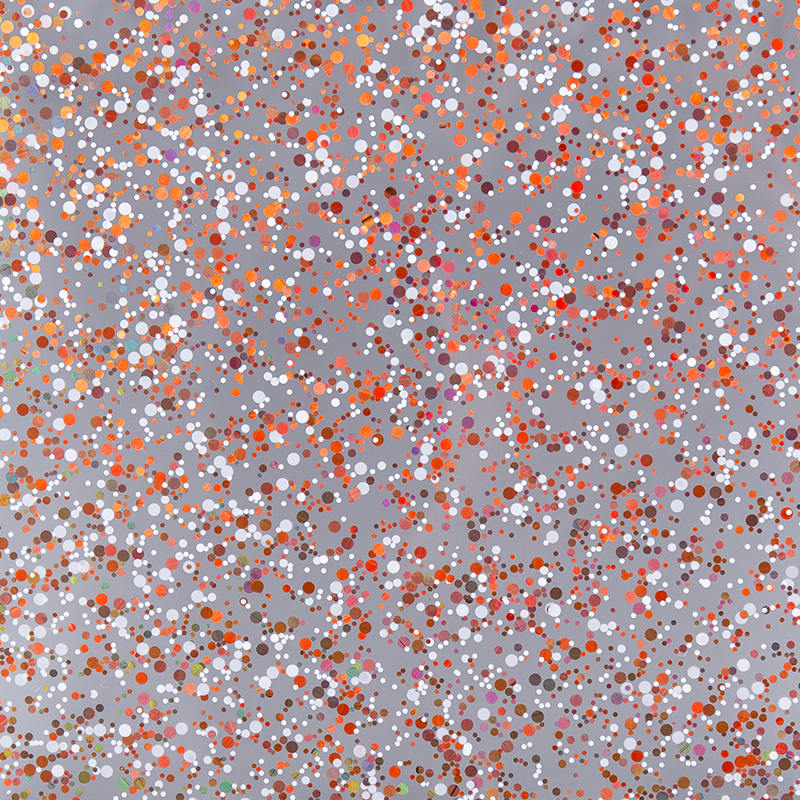
Tiny colored glitters are added to the transparent material to create a colorful and joyful visual e...
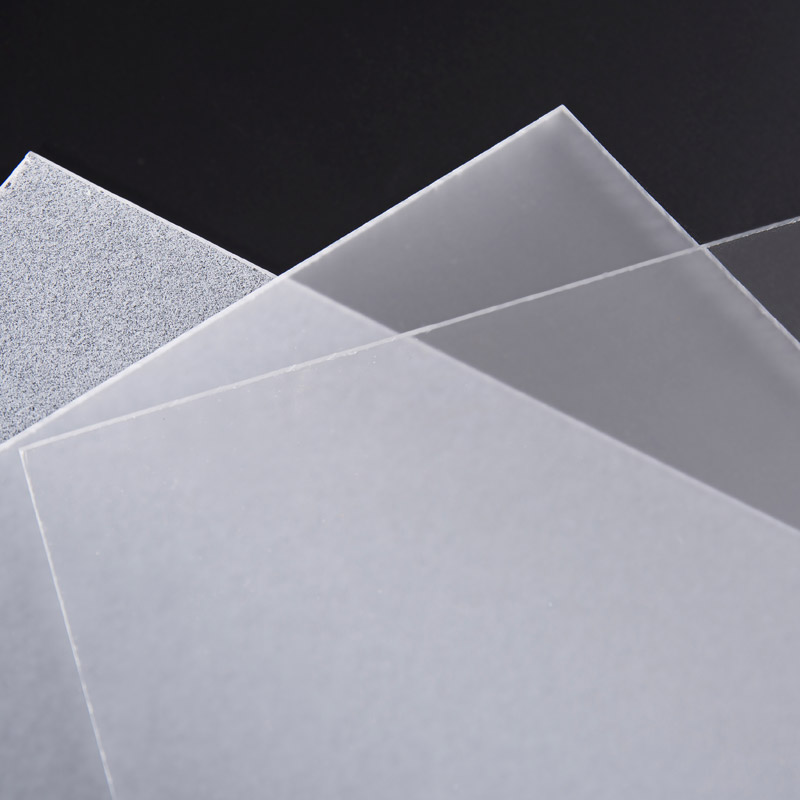
OLEG is a professional manufacturer of cast acrylic sheet, offering high quality products, attractiv...
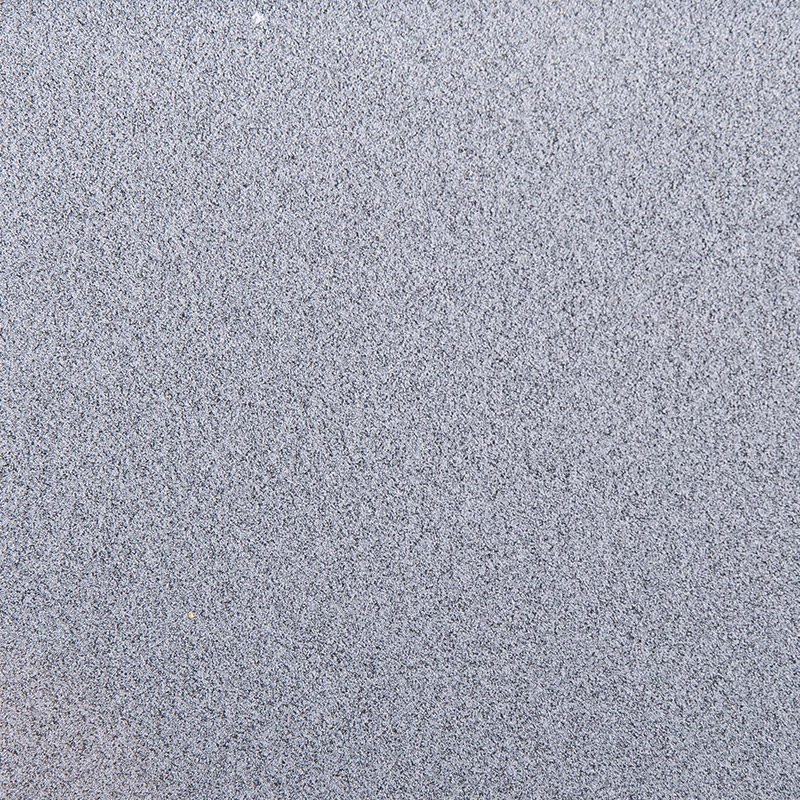
OLEG double side frosted acrylic sheet features a matte finish on both sides. Its modern appearance ...
• UV Resistance: Resistant to degradation from UV light, maintains its original color and clarity ov...

