

 English
 عربى
عربى Español
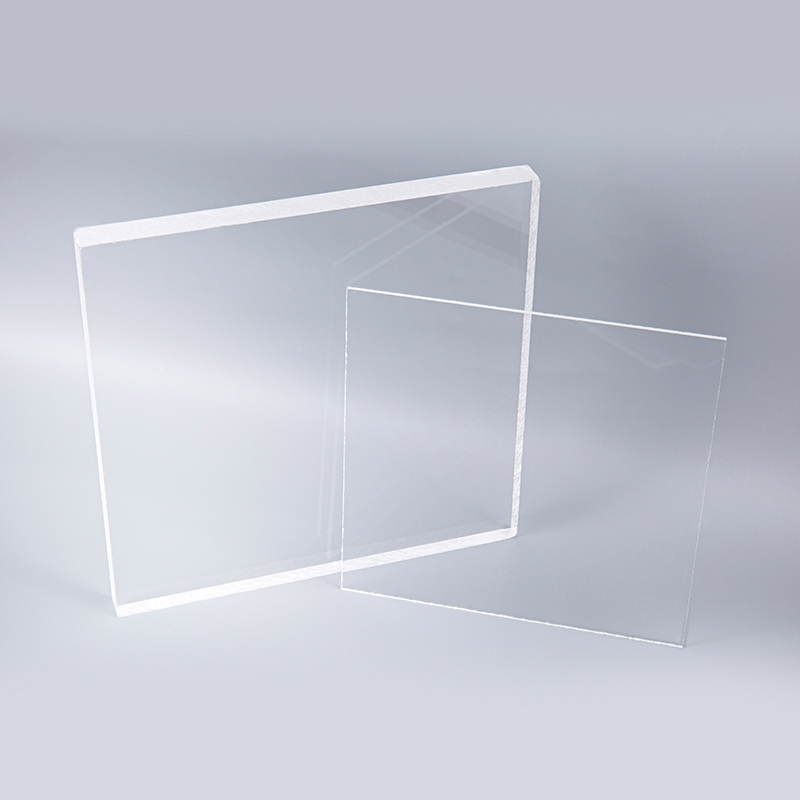
High-Strength Clear Acrylic Sheet
One of Oleg's popular products is the clear acrylic sheet, and our strong production capacity ensure...



When engineers, product designers, and procurement professionals evaluate transparent thermoplastics for demanding applications, two materials consistently emerge as leading candidates: cast acrylic sheet and polycarbonate. Both offer exceptional optical clarity, durability, and versatility, yet their performance profiles differ significantly across key attributes including impact resistance, scratch resistance, chemical resistance, UV stability, and cost. Making the right selection requires a thorough understanding of these differences and how they align with specific application requirements. This comprehensive comparison examines the technical distinctions between cast acrylic and polycarbonate, providing the information needed to make an informed material selection that balances performance, durability, and cost-effectiveness.
The fundamental difference between cast acrylic and polycarbonate lies in their chemical structure and the resulting physical properties. Cast acrylic, or polymethyl methacrylate (PMMA), is an amorphous thermoplastic with a linear molecular structure that provides exceptional optical clarity and surface hardness. The material is produced through the cell-casting process, which yields high molecular weight and low internal stress. Polycarbonate is also an amorphous thermoplastic but contains bisphenol-A (BPA) groups in its molecular backbone that provide extraordinary toughness and impact resistance. This structural difference makes polycarbonate one of the toughest transparent plastics available, with impact resistance approximately 250 times that of glass. However, this toughness comes with trade-offs in surface hardness, chemical resistance, and optical quality that must be carefully considered for each application.
Optical clarity is one area where cast acrylic clearly excels. With light transmission rates reaching 92 percent and minimal haze, cast acrylic offers transparency comparable to optical glass. The material maintains excellent color stability and does not yellow over time, even with prolonged exposure to ultraviolet light. This makes cast acrylic the preferred choice for applications where visual quality is paramount, such as museum display cases, precision optics, architectural glazing, and high-end signage. Polycarbonate, while also transparent, typically offers light transmission of approximately 88 to 90 percent with slightly higher haze levels. Additionally, polycarbonate is more susceptible to yellowing with long-term UV exposure unless specially formulated with UV stabilizers. For applications requiring the highest possible optical quality and long-term clarity retention, cast acrylic is the superior choice.
Surface hardness and scratch resistance represent another critical differentiator between these materials. Cast acrylic has a surface hardness of approximately Rockwell M-95, making it highly resistant to scratching, abrasion, and surface marring. This property is essential for applications where the material will be regularly cleaned, handled, or subjected to contact with other objects. The hard surface also resists chemical attack and maintains its optical clarity over extended periods. Polycarbonate, with a surface hardness of roughly Rockwell M-70, is significantly softer and more prone to scratching and surface damage. While polycarbonate can be coated with hard coatings to improve scratch resistance, these coatings add cost, can degrade over time, and may not provide the same level of protection as the inherent hardness of cast acrylic. For applications where surface quality and clarity are important, cast acrylic offers a clear advantage.
Chemical resistance is an area where cast acrylic demonstrates clear superiority. Cast acrylic resists most common solvents and chemicals, including aliphatic hydrocarbons, alcohols, dilute acids and bases, and many cleaning agents. This chemical resistance makes cast acrylic suitable for applications in laboratories, medical facilities, food processing environments, and industrial settings where chemical exposure is a concern. Polycarbonate, in contrast, is susceptible to attack by many solvents and chemicals, including aromatic hydrocarbons, chlorinated solvents, ketones, and alkaline solutions. This sensitivity can lead to stress cracking, clouding, and surface degradation, which limits the applications where polycarbonate can be used effectively. When chemical exposure is a significant factor in the application, cast acrylic provides greater reliability and longevity.
UV stability and weather resistance are important considerations for outdoor and long-term applications. Cast acrylic offers excellent UV stability without the need for additives, maintaining its optical clarity and mechanical properties even after extended outdoor exposure. The material does not yellow or degrade significantly over time, making it ideal for architectural glazing, outdoor signage, and other exterior applications. Polycarbonate is inherently susceptible to UV degradation and yellowing, requiring the addition of UV stabilizers to achieve acceptable outdoor performance. Even with stabilizers, polycarbonate may yellow and lose impact resistance over time when exposed to intense sunlight. For applications where long-term outdoor stability is required, cast acrylic offers superior performance without the need for special formulations or coatings.
| Property | Cast Acrylic | Polycarbonate | Application Impact |
|---|---|---|---|
| Light Transmission | 92% | 88-90% | Acrylic superior for optical clarity |
| Impact Resistance | Good | Exceptional | Polycarbonate for high-impact applications |
| Scratch Resistance | Excellent | Poor | Acrylic preferred for high-touch surfaces |
| Chemical Resistance | Excellent | Poor | Acrylic for chemical-exposed environments |
| UV Stability | Excellent (no additives) | Requires UV stabilizers | Acrylic superior for outdoor use |
| Cost (per kg) | $2.50 – $3.50 | $4.00 – $5.50 | Acrylic more cost-effective |
| Machining Quality | Excellent | Good | Acrylic preferred for precision fabrication |
Temperature resistance and thermal performance represent another important consideration. Cast acrylic has a heat deflection temperature of approximately 95°C and can be used continuously at temperatures up to 80°C without significant dimensional change or degradation. The material maintains its structural integrity and optical properties across a wide temperature range. Polycarbonate offers a higher heat deflection temperature of approximately 140°C, making it suitable for applications involving higher temperatures, such as electronic enclosures, automotive components, and applications near heat sources. However, the higher temperature capability of polycarbonate must be weighed against its other limitations, including lower chemical resistance and UV stability. For most applications with moderate temperature requirements, cast acrylic provides adequate thermal performance at a lower cost.
The ease of fabrication and machining is another factor that often influences material selection. Cast acrylic is widely recognized for its excellent machining characteristics, producing clean, polished edges with minimal stress-related cracking. The material can be easily cut, routed, drilled, and polished using standard tools and techniques. Its lower internal stress means that machined parts maintain their dimensional accuracy without warping or distortion. Polycarbonate, while also machinable, tends to produce more stress cracking and requires more careful tool selection and feed rate control. The machining of polycarbonate also generates more heat, which can cause melting and gumming if not properly managed. For applications requiring complex fabrication or precision machining, cast acrylic offers clear advantages in processing ease and final part quality. This fabrication quality is similar to how fashion polyester spandex letter jacquard rib clothing fabric delivers consistent results in textile manufacturing.
The cost difference between cast acrylic and polycarbonate is substantial and often drives material selection decisions. Cast acrylic typically costs 30 to 40 percent less than polycarbonate on a per-kilogram basis, making it significantly more cost-effective for applications where its performance properties are sufficient. For large-scale projects or high-volume production, these cost savings can be substantial. However, the appropriate material selection should not be based solely on initial cost. The total cost of ownership must be considered, including factors such as durability, maintenance requirements, longevity, and replacement frequency. In many cases, the higher initial cost of polycarbonate may be justified by its exceptional impact resistance, while in other cases, cast acrylic's lower cost and superior optical properties make it the more economical choice over the product lifecycle.
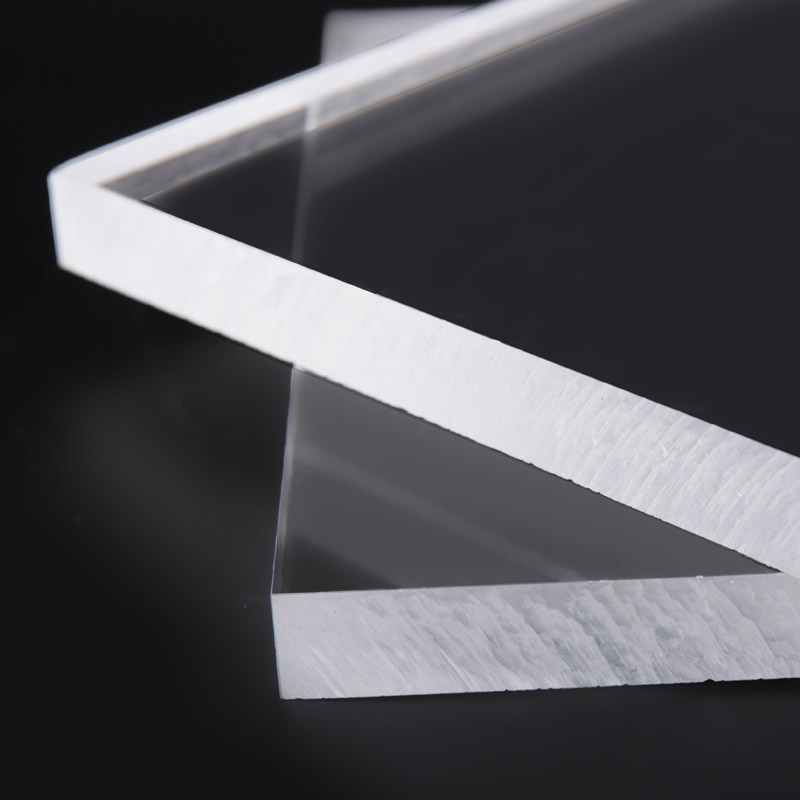
One of Oleg's popular products is the clear acrylic sheet, and our strong production capacity ensure...
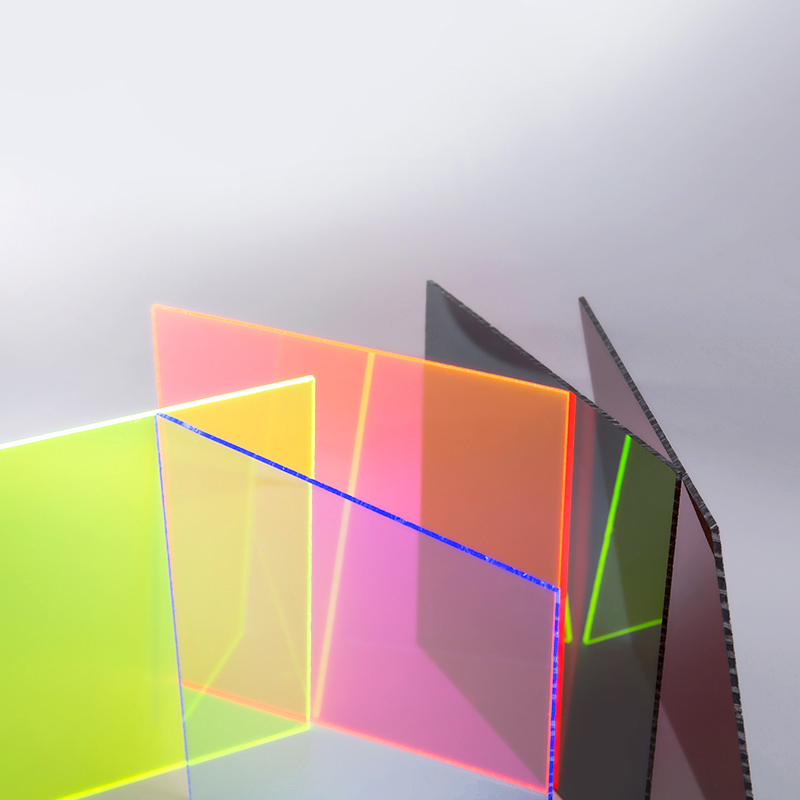
Oleg's products, whose raw material is virgin from Mitsubishi. OLEG is one of the TOP 5 cast acrylic...
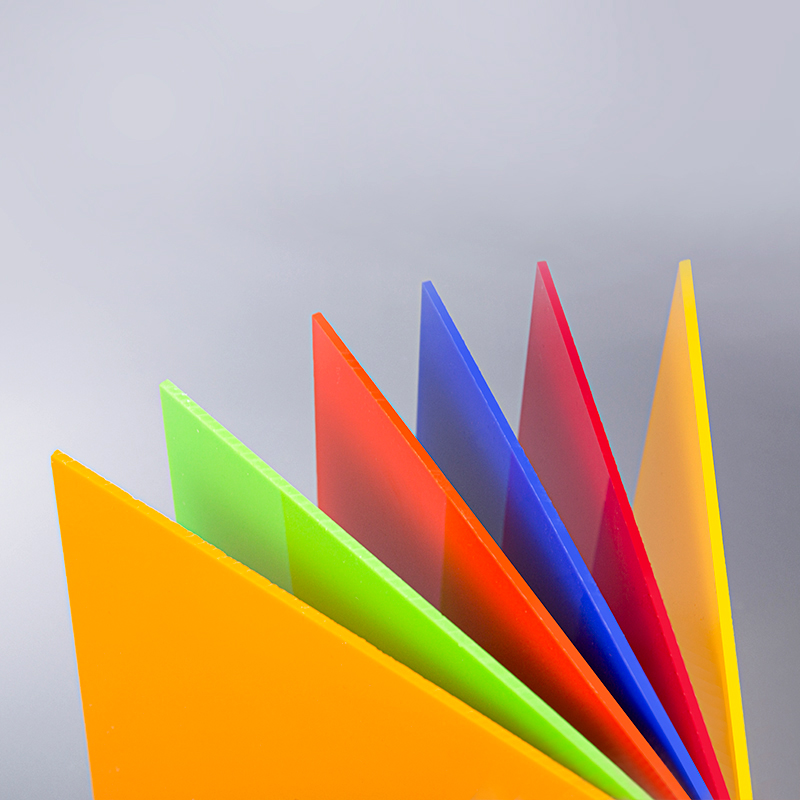
OLEG’s product, whose raw material is virgin from Mitsubishi. The color is highly uniform, pure and...
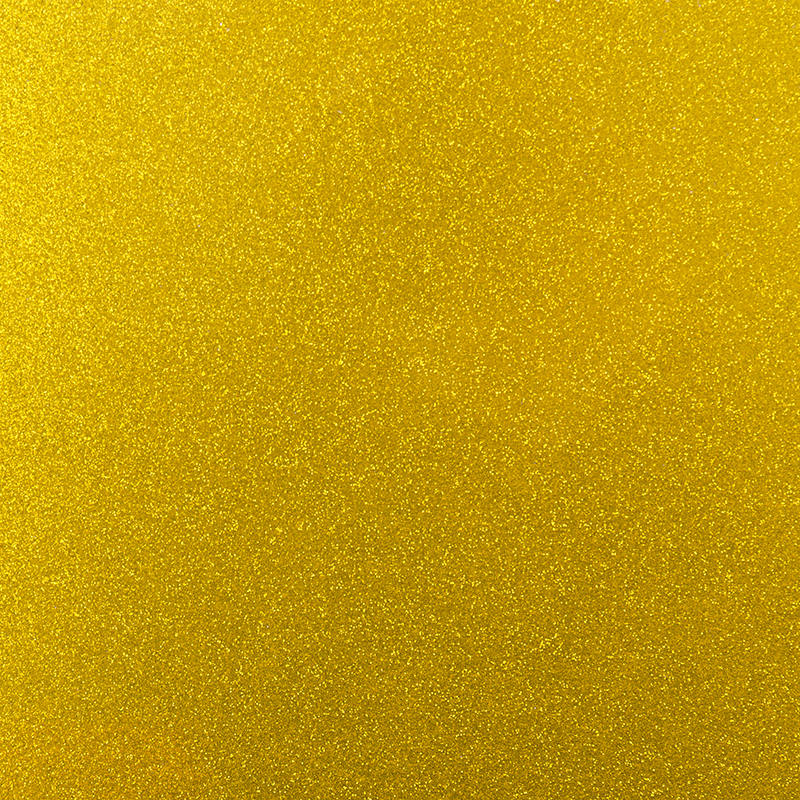
Golden acrylic sheet has tiny gold glitters in the material, which cause a luxurious effect. • Relia...
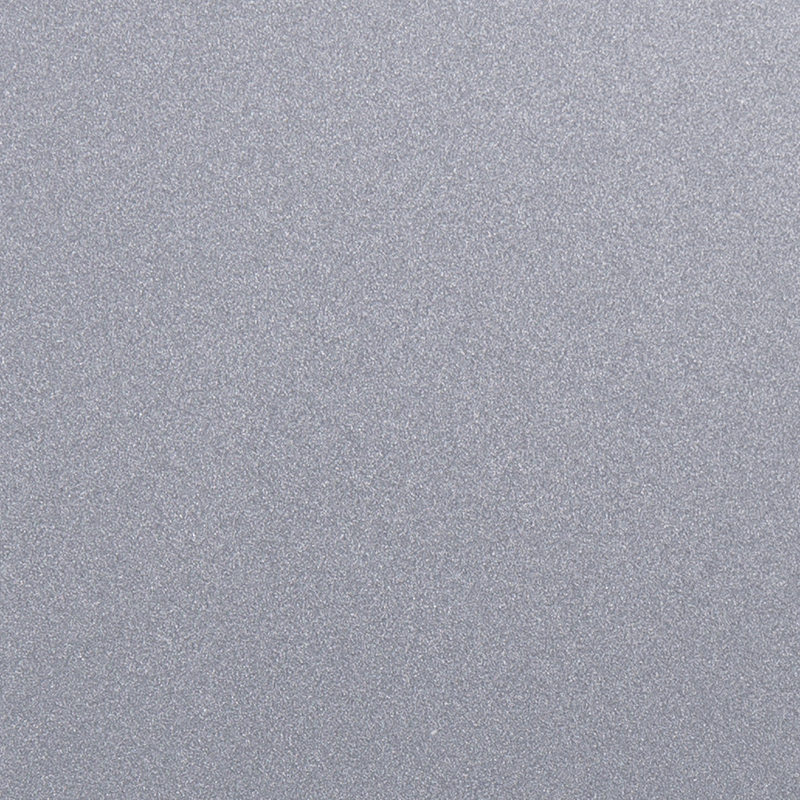
Silver acrylic sheet has tiny silver glitters in the material, which creating an elegant effect. • A...
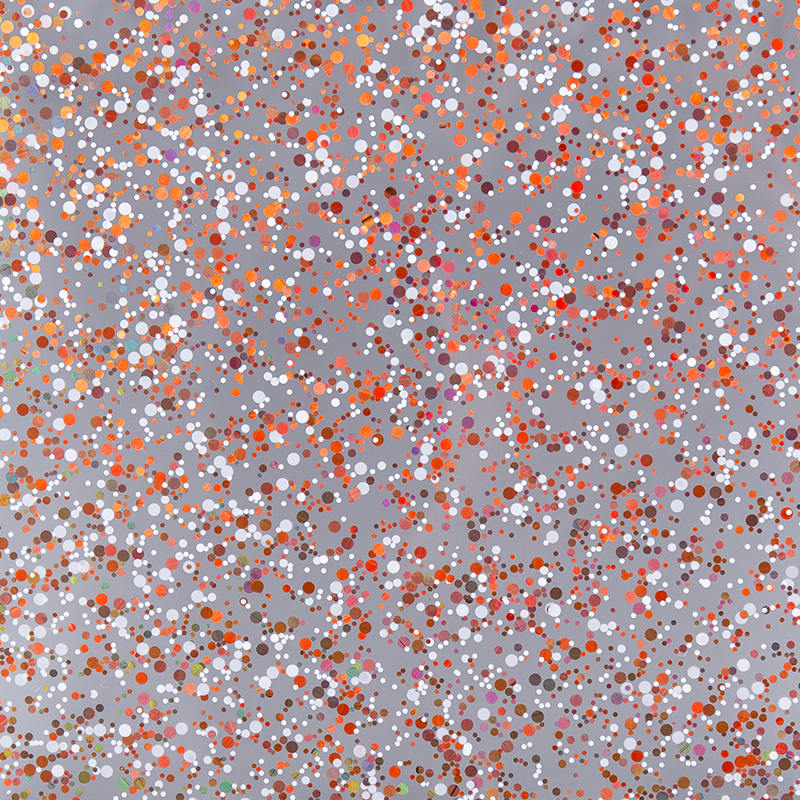
Tiny colored glitters are added to the transparent material to create a colorful and joyful visual e...
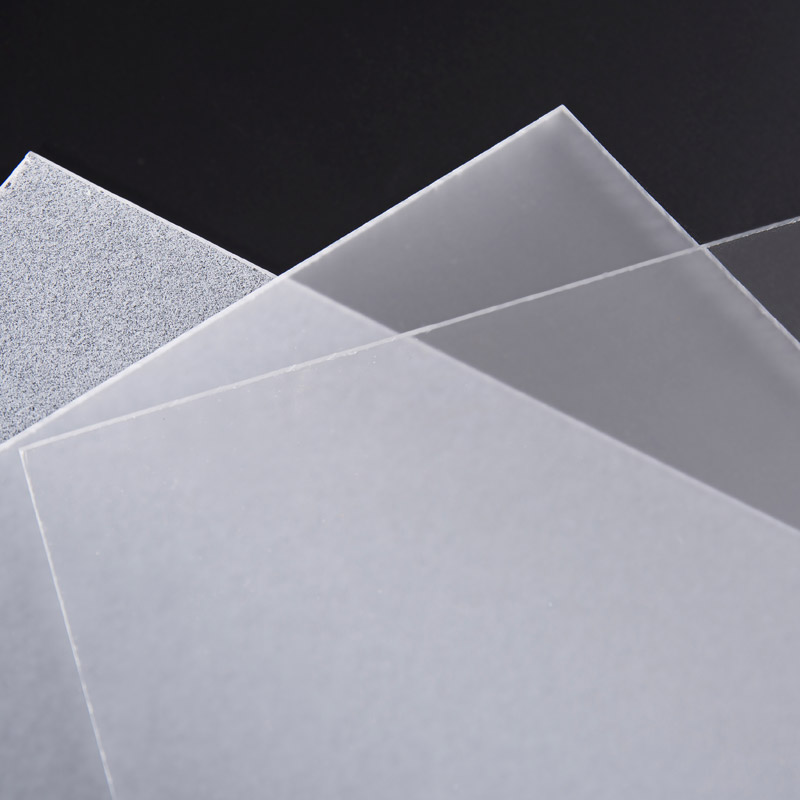
OLEG is a professional manufacturer of cast acrylic sheet, offering high quality products, attractiv...
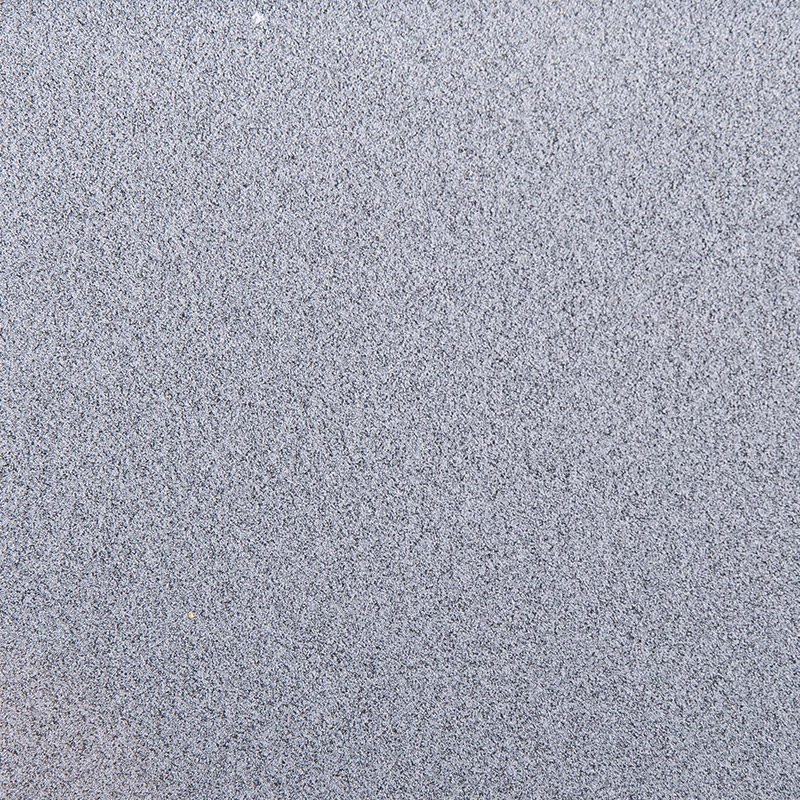
OLEG double side frosted acrylic sheet features a matte finish on both sides. Its modern appearance ...
• UV Resistance: Resistant to degradation from UV light, maintains its original color and clarity ov...

