

 English
 عربى
عربى Español
High-Strength Clear Acrylic Sheet
One of Oleg's popular products is the clear acrylic sheet, and our strong production capacity ensure...



Content
Engineers and procurement professionals often select a clear acrylic sheet when they need optical clarity combined with impact resistance. This material, also known as polymethyl methacrylate (PMMA), offers predictable mechanical properties and consistent light transmission. Unlike standard glass, a clear acrylic sheet does not shatter easily and weighs approximately half as much for the same thickness. These characteristics make it a preferred choice in industrial environments where safety and precision are required.
A high-quality clear acrylic sheet transmits up to 92% of visible light. This level exceeds that of standard glass, which typically transmits around 80–85%. The material does not yellow under normal indoor conditions, and advanced grades maintain this clarity over extended periods. For applications requiring optical precision, such as protective covers for automated inspection systems, consistent light transmission is a critical parameter.
Impact resistance is a defining feature. A clear acrylic sheet with a thickness of 3 mm can resist impact forces up to ten times greater than glass of the same thickness. This property is measured using standard tests such as the Izod impact test or falling dart impact test. In industrial settings where machinery or personnel require barriers, this toughness reduces the risk of fragmentation and injury.
For outdoor applications, a clear acrylic sheet UV resistant grade is necessary. Standard acrylic begins to degrade after prolonged ultraviolet exposure, but UV-stabilized versions retain mechanical strength and clarity for years. Manufacturers incorporate UV absorbers during polymerization to prevent surface degradation. This makes the material suitable for outdoor glazing, signage, and machine enclosures exposed to direct sunlight.
Thickness directly affects mechanical strength, weight, and fabrication method. For laser cutting, thicknesses below 6 mm are common, while structural applications such as machine guards often require 8 mm to 12 mm. Below is a comparison of typical thickness ranges and their industrial applications.
| Thickness | Typical Application | Fabrication Method |
|---|---|---|
| 1 mm – 3 mm | Protective screens, light diffusers | Laser cutting, die cutting |
| 4 mm – 6 mm | Machine guards, display cases | CNC routing, laser cutting |
| 8 mm – 12 mm | Structural glazing, safety barriers | CNC routing, mechanical fastening |
| 15 mm and above | Load-bearing panels, aquarium walls | CNC routing, polishing edges |
When selecting a thick clear acrylic sheet 1/2 inch (approximately 12.7 mm), engineers consider the load-bearing requirements and edge finishing methods. Thicker sheets require slower cutting speeds and proper annealing to prevent internal stress.
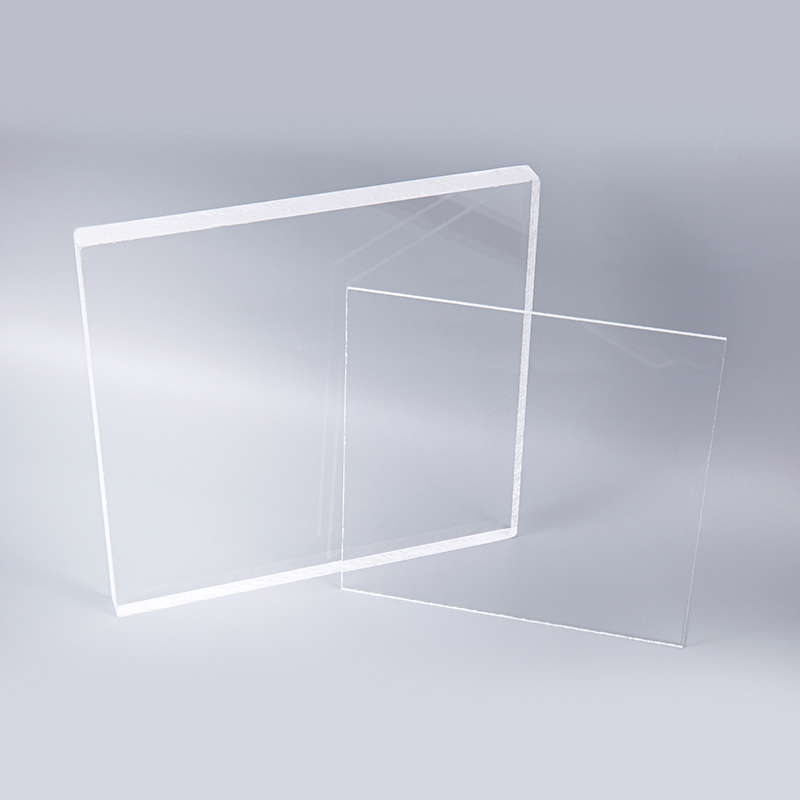
Suppliers commonly offer standard dimensions such as 1220 mm × 2440 mm or 1000 mm × 2000 mm. However, many industrial projects demand custom clear acrylic sheet sizes to reduce waste and installation time. Custom sizes can be achieved through precision cutting methods, including laser and waterjet, which maintain edge quality. Ordering custom sizes also allows manufacturers to match exact equipment dimensions without on-site modification.
Laser cutting is a common fabrication method for acrylic sheets. A clear acrylic sheet for laser cutting should have consistent material density and low internal stress to achieve smooth edges. CO₂ lasers operating at 10.6 µm wavelength produce polished edges when parameters are correctly set. For thicker sheets, CNC routing with carbide tooling is often more efficient. Engineers must consider kerf width, heat-affected zones, and post-processing requirements such as flame polishing or edge painting.
In manufacturing facilities, clear acrylic sheet for industrial glazing replaces glass in machine enclosures and guard panels. The material meets safety standards such as ANSI Z87.1 for impact resistance when used in protective barriers. Its light weight reduces structural load on existing frames, and its ability to be drilled and fastened simplifies installation.
Acrylic sheets are used to fabricate covers, guides, and inspection windows in automated equipment. For these applications, dimensional stability is essential. A clear acrylic sheet with low moisture absorption (typically below 0.3% over 24 hours) ensures that parts maintain tolerance in varying humidity conditions.
For point-of-purchase displays and retail shelving, optical clarity and edge appearance are primary concerns. Fabricators often select custom clear acrylic sheet sizes to create seamless display units. Laser-cut edges can be left clear or flame-polished to achieve a glass-like finish.
Industrial buyers should verify that materials meet relevant standards. ASTM D4802 is the standard specification for acrylic sheet. It covers requirements for thickness tolerance, light transmission, and haze. For UV resistance, ASTM G154 provides a protocol for accelerated weathering testing. Sheets that pass 1,000 hours of exposure with less than a 5% reduction in impact strength are considered suitable for outdoor use. Suppliers who can provide test reports for each batch offer greater traceability.
Standard acrylic will degrade under long-term UV exposure. A clear acrylic sheet UV resistant grade is recommended for any outdoor application. These sheets contain UV inhibitors that prevent yellowing and surface cracking.
For machine guards, a thick clear acrylic sheet 1/2 inch (12.7 mm) is commonly specified to meet impact resistance requirements. Thinner sheets may be acceptable for non-impact applications.
Laser cutting works well for thicknesses up to 6 mm. For thicker sheets, especially a thick clear acrylic sheet 1/2 inch, CNC routing produces more consistent edges without burn marks. Laser cutting of thick acrylic may require multiple passes and result in edge discoloration.
Lead times vary by quantity and cutting method. For custom clear acrylic sheet sizes ordered in bulk, manufacturers typically require 7 to 14 business days for fabrication and packaging.
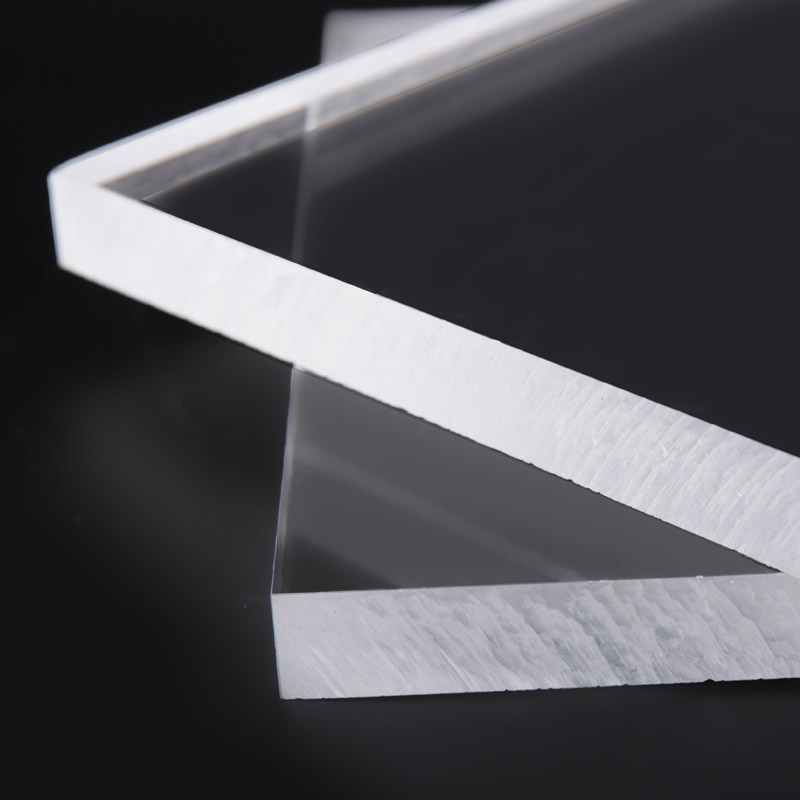
One of Oleg's popular products is the clear acrylic sheet, and our strong production capacity ensure...
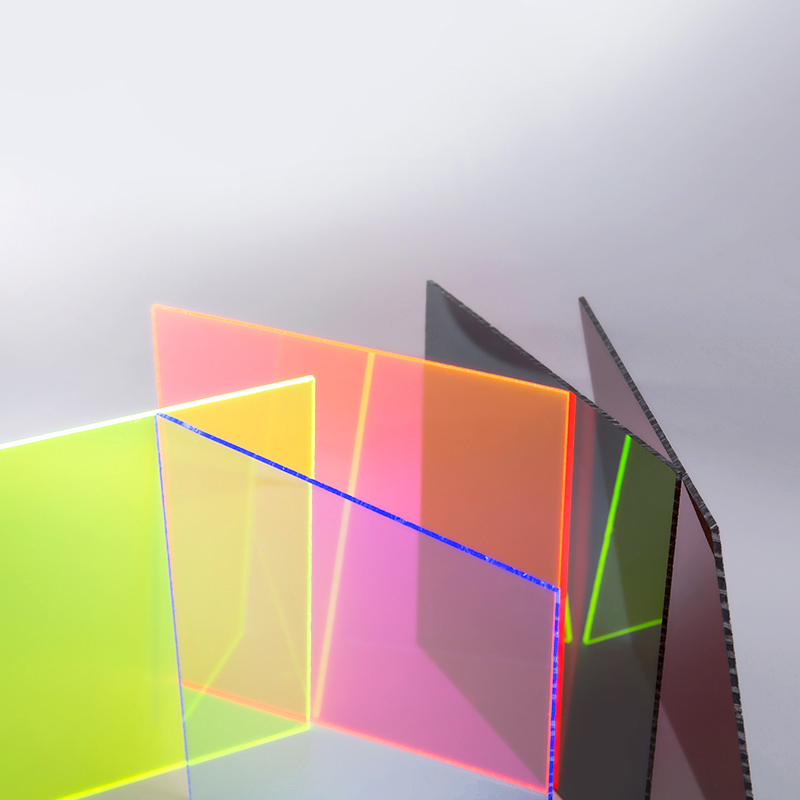
Oleg's products, whose raw material is virgin from Mitsubishi. OLEG is one of the TOP 5 cast acrylic...
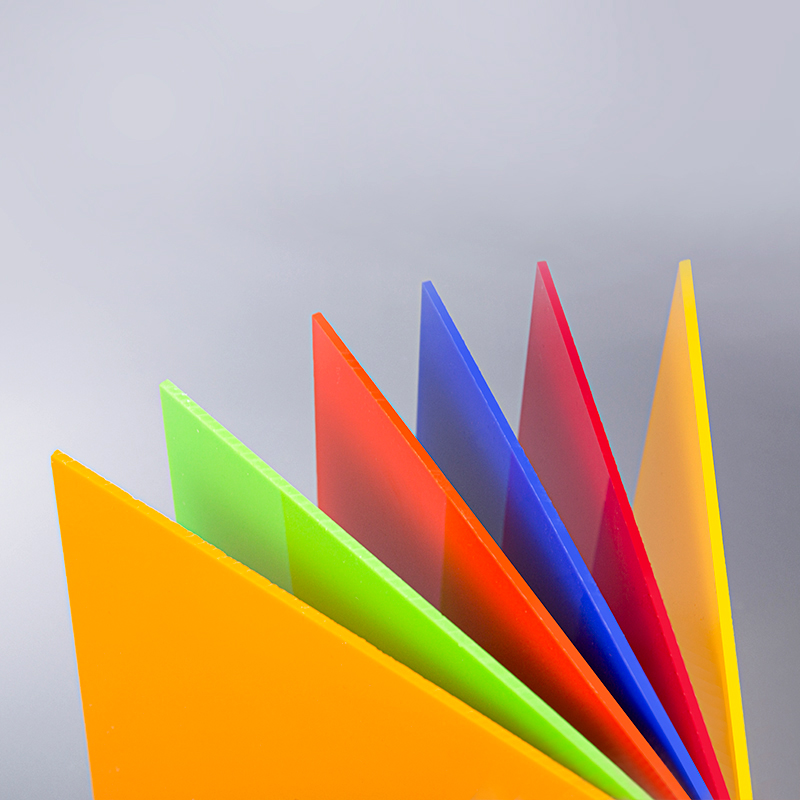
OLEG’s product, whose raw material is virgin from Mitsubishi. The color is highly uniform, pure and...
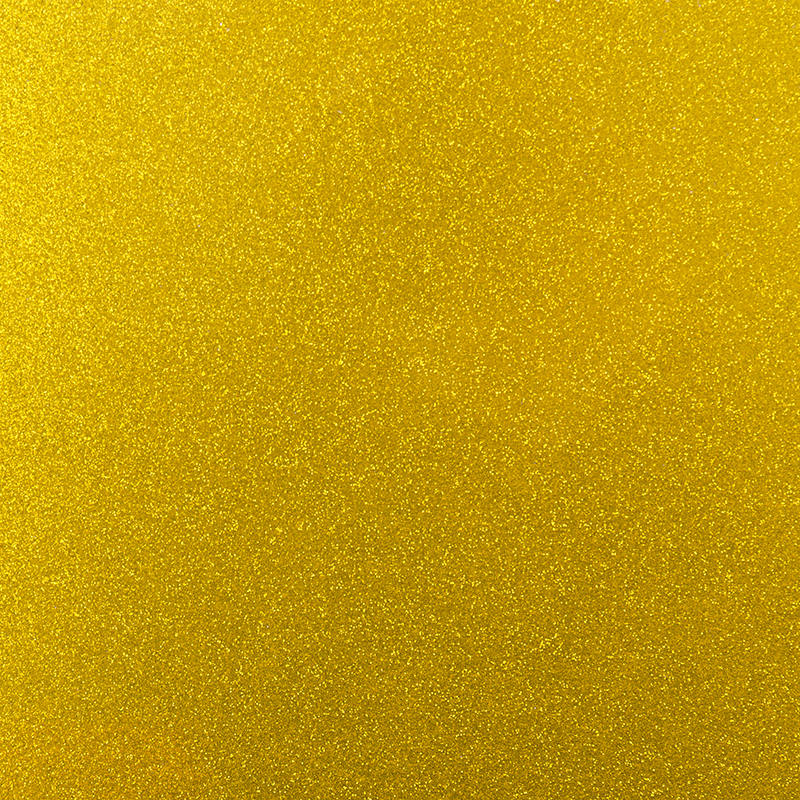
Golden acrylic sheet has tiny gold glitters in the material, which cause a luxurious effect. • Relia...
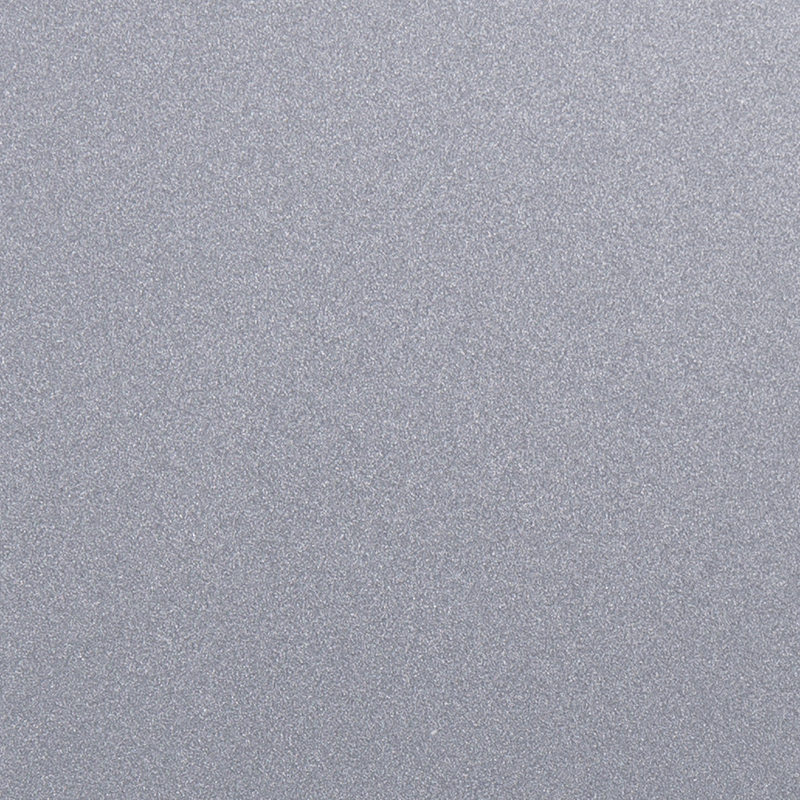
Silver acrylic sheet has tiny silver glitters in the material, which creating an elegant effect. • A...
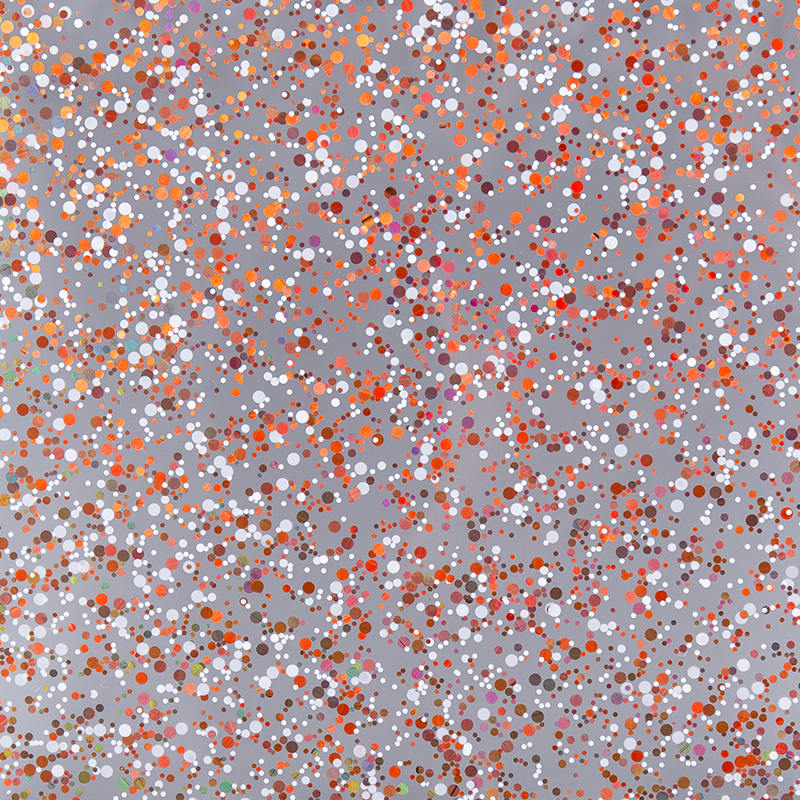
Tiny colored glitters are added to the transparent material to create a colorful and joyful visual e...
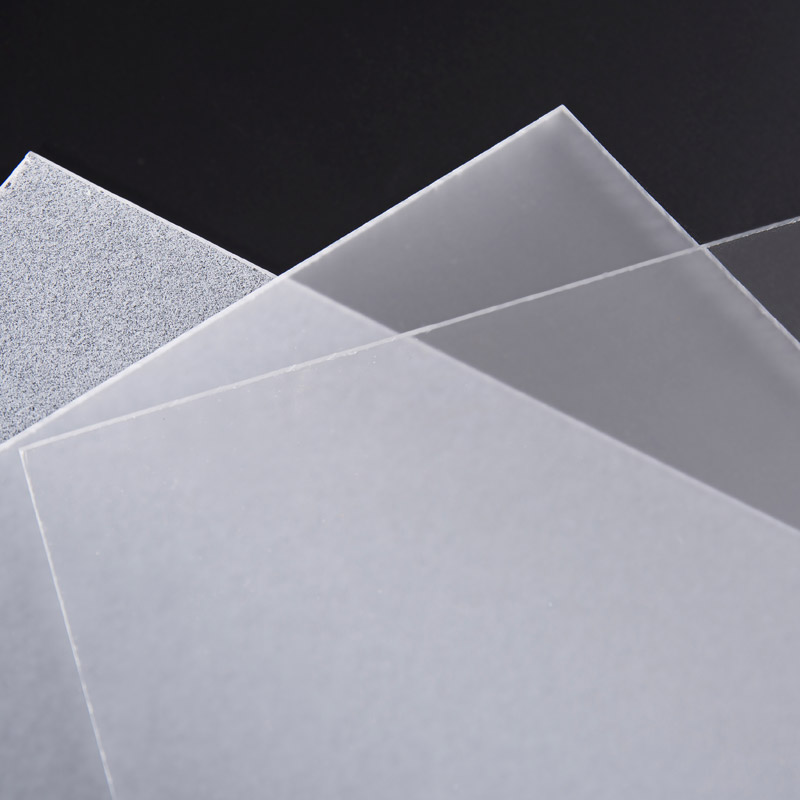
OLEG is a professional manufacturer of cast acrylic sheet, offering high quality products, attractiv...
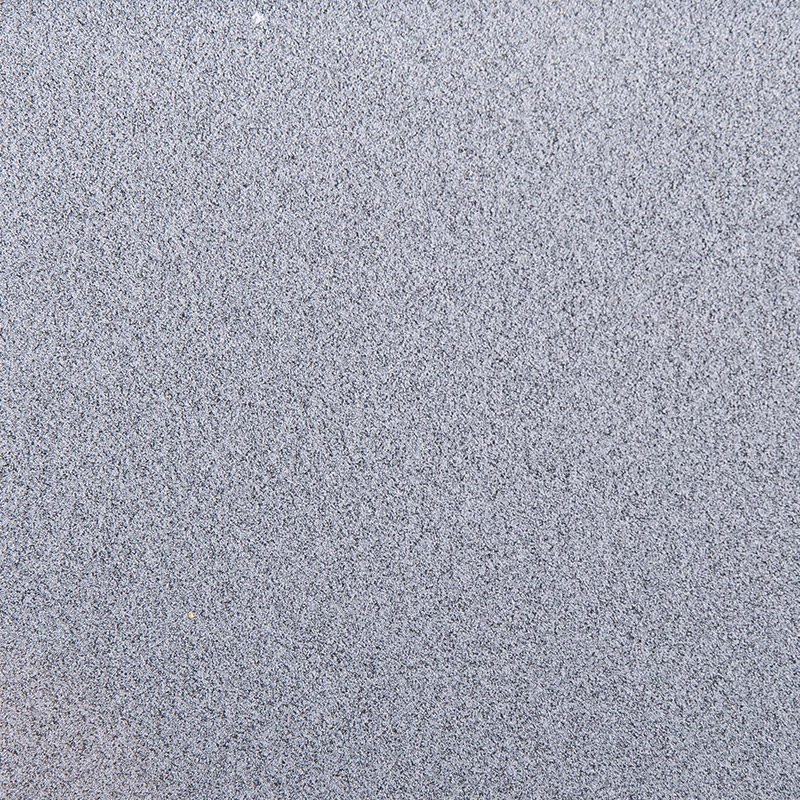
OLEG double side frosted acrylic sheet features a matte finish on both sides. Its modern appearance ...
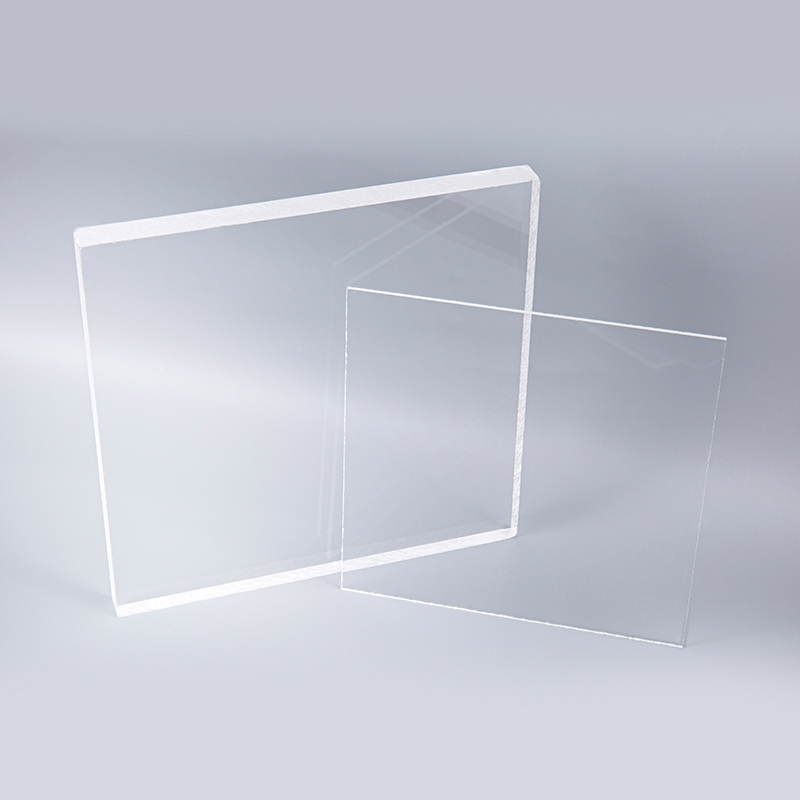
• UV Resistance: Resistant to degradation from UV light, maintains its original color and clarity ov...

