

 English
 عربى
عربى Español
High-Strength Clear Acrylic Sheet
One of Oleg's popular products is the clear acrylic sheet, and our strong production capacity ensure...



Content
Silver acrylic sheet combines the aesthetic appeal of metallic surfaces with the lightweight, shatter-resistant properties of cast polymethyl methacrylate (PMMA). This guide examines technical specifications, processing methods, and procurement considerations for architectural, commercial, and industrial applications.
Silver acrylic sheet incorporates metallic pigments or surface treatments to achieve reflective, brushed, or mirror-like appearances. The material offers significant advantages over aluminum or steel in weight-critical and safety-sensitive installations.
Key performance characteristics include:
OLEG operates as a leading manufacturer of cast acrylic sheets for over a decade. The primary manufacturing site, Zhejiang Oulaige Decoration Material Technology Co., Ltd., located in Huzhou, Zhejiang, operates 6 advanced casting lines with an annual output of 35,000 tons. In 2025, OLEG commissioned its second manufacturing site in Jingmen, Hubei, equipped with 8 production lines and a designed annual capacity of 45,000 tons, establishing the largest cast acrylic sheet manufacturing capacity in East China. The company functions as a wholesale patterned glitter acrylic sheet supplier and patterned glitter acrylic sheet company, providing custom PMMA acrylic sheets and OEM architectural acrylic panels manufacturing with precision-controlled production systems ensuring high-volume capacity and consistent quality.
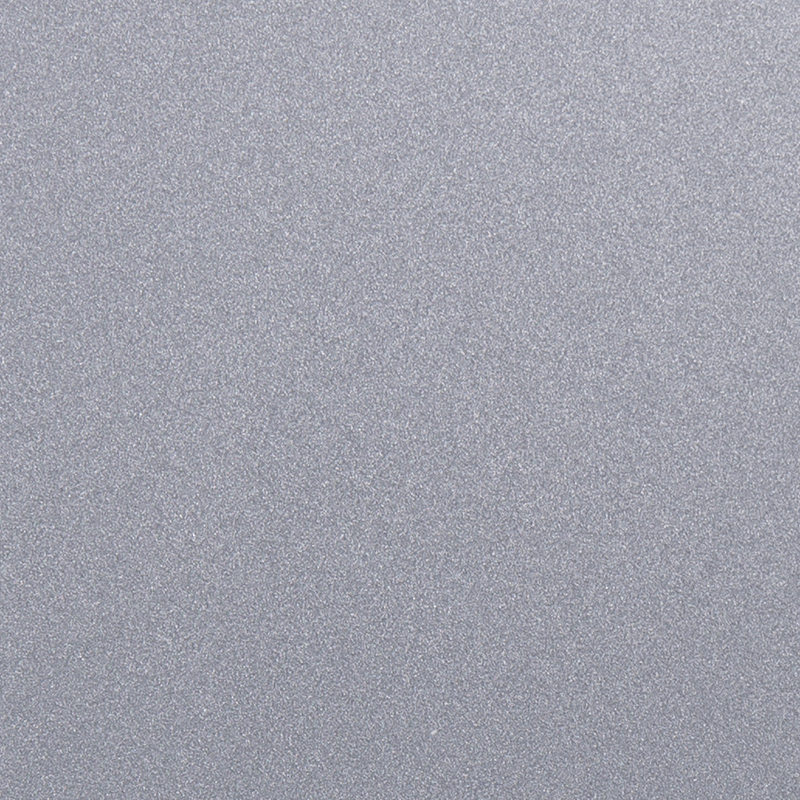
Three-millimeter thickness represents the minimum specification for flat mirror applications, balancing optical quality with material economy. Mirror finishes achieve 90-94% reflectivity through vacuum deposition or chemical silvering processes.
Surface treatment comparison:
| Process | Vacuum Aluminum Deposition | Chemical Silvering |
| Reflectivity | 90-92% | 94-96% |
| Corrosion Resistance | Excellent (oxide layer) | Requires protective coating |
| Production Cost | Moderate | Higher (chemical handling) |
| Color Temperature | Cool white | Warm white |
| Environmental Impact | Lower (physical process) | Higher (chemical waste) |
The mirror silver acrylic sheet 3mm specification suits interior signage, decorative wall panels, and retail display fixtures where weight reduction and impact safety outweigh the absolute reflectivity of glass mirrors.
Laser cutting enables intricate geometries without mechanical tooling, but PMMA thermal properties require parameter optimization to prevent edge degradation.
Process characteristics include:
Cutting technology comparison:
| Parameter | Mechanical Routing | CO2 Laser Cutting |
| Minimum Feature Size | 3-5mm (tool diameter limited) | 0.1-0.3mm (beam focused) |
| Edge Quality | Mechanical polish required | Fire-polished (smooth) |
| Heat Affected Zone | None (cold process) | 0.1-0.5mm (stress relief needed) |
| Setup Time | Tool changing, fixturing | Program upload only |
| Material Waste | Kerf width 3-6mm | Kerf width 0.2-0.5mm |
Silver acrylic sheet laser cutting requires special attention to the metallic surface layer. The laser beam interacts differently with pigmented surfaces versus clear substrates, necessitating power reduction of 10-15% to prevent surface burning while maintaining cut-through reliability.
The 4×8 foot dimension (1220×2440 mm) represents the global standard for sheet goods, optimizing container loading and warehouse racking systems. Brushed finishes simulate the directional texture of mechanically abraded metal.
Texture generation methods include:
Finish durability comparison:
| Characteristic | Cast-Embossed Texture | Post-Cast Mechanical Brush |
| Pattern Consistency | High (mold-controlled) | Variable (operator-dependent) |
| Depth Uniformity | ±5% across sheet | ±15% across sheet |
| Surface Hardness | Unchanged from base | Reduced (material removal) |
| Cost Efficiency | Lower (integrated process) | Higher (secondary operation) |
| Batch-to-Batch Match | Excellent | Moderate |
Brushed silver acrylic sheet 4x8 serves architectural cladding, elevator interiors, and furniture applications where the warm metallic appearance of brushed aluminum must be replicated without conductive properties or cold feel.
UV-curable inkjet printing enables photographic imagery and graphic overlays on metallic substrates, combining the visual depth of silver with full-color information content.
Adhesion science involves surface energy modification:
Printing performance comparison:
| Factor | Untreated Silver Surface | Corona-Treated Surface |
| Ink Adhesion (Cross-Hatch Test) | 0-1B rating (poor) | 4-5B rating (excellent) |
| Color Saturation | Muted (ink beading) | Vibrant (uniform spread) |
| Scratch Resistance | Low (ink flakes) | High (mechanical bond) |
| Outdoor Durability | 6-12 months | 24-36 months with overlaminate |
| Production Yield | 60-75% | 95-98% |
Silver acrylic sheet uv printing exploits the metallic base as a design element rather than covering it completely. Partial-bleed graphics allow the silver to function as highlights and reflective accents, achieving effects impossible on white or clear substrates.
Standard PMMA surfaces exhibit pencil hardness of 2H-3H, vulnerable to marring in high-traffic environments. Anti-scratch formulations incorporate surface coatings or modified polymer matrices.
Protection technology comparison:
| Technology | Silicone Hardcoat | Silica Nanoparticle Composite | Cross-Linked Acrylic |
| Pencil Hardness | 4H-6H | 6H-8H | 3H-4H |
| Application Method | Dip or flow coating | In-mold or casting integration | UV curing |
| Thickness Addition | 2-5 microns | Distributed throughout | 5-10 microns |
| Optical Clarity Impact | Minimal | Slight haze possible | Minimal |
| Abrasion Test (CS-10 Wheel, 1000g) | 500 cycles | 2000+ cycles | 300 cycles |
Anti scratch silver acrylic sheet specifications address point-of-sale displays, hospitality furniture, and transportation interiors where daily cleaning and contact would degrade standard surfaces. The hardcoat technology extends service life 3-5 times versus unprotected material.
Chinese national standards establish minimum acceptable properties for cast acrylic sheets. Premium-grade classification requires:
OLEG manufacturing systems maintain process capability indices (Cpk) above 1.33 for critical dimensions, ensuring batch consistency exceeding standard requirements.
The dual-site manufacturing structure supports diverse customization requirements:
Service commitments include attentive customer service, excellent product quality, and fast timely delivery supported by 80,000 tons combined annual capacity.
Silver acrylic sheet costs 30-50% less than anodized aluminum on a per-square-meter basis at equivalent thickness. Installation labor reduces 40-60% due to lightweight handling and adhesive mounting versus mechanical fastening. However, acrylic requires replacement every 10-15 years outdoors versus 20-25 years for aluminum, affecting lifecycle cost calculations.
Thickness does not directly affect surface reflectivity, which depends on the metallized layer quality. However, 5mm mirror silver acrylic sheet 3mm alternatives provide improved flatness stability, reducing optical distortion in large panels. Thicker substrates also tolerate more aggressive cleaning without flexural stress.
Standard CO2 laser systems cut acrylic up to 25mm with quality edges. Beyond this thickness, thermal conduction creates tapered cuts and increased kerf width. Silver-metallized surfaces present additional constraints: the reflective layer requires 20% power reduction to prevent surface damage, effectively limiting clean-cutting capacity to 20mm for silver acrylic sheet laser cutting applications.
UV-printed graphics on silver acrylic achieve 24-36 months outdoor service life in temperate climates with overlaminate protection. Without overlaminate, silver substrates reflect UV radiation that degrades ink binders, reducing durability to 12-18 months. Arid, high-UV environments (Arizona, Middle East) reduce these figures by 30-40%.
Standard silver acrylic sheet configurations support orders from single sheets for project sampling. Custom colors, patterns, or thicknesses require 500-1000 kg minimums depending on width and formulation complexity. OLEG provides A4-size samples with nominal freight charges, and full-size sample sheets (1220×2440mm) for qualified architectural specifications.
Selecting appropriate silver acrylic sheet specifications requires analysis of optical requirements, processing methods, and environmental exposure. Whether specifying mirror silver acrylic sheet 3mm for reflective applications, silver acrylic sheet laser cutting for precision fabrication, brushed silver acrylic sheet 4x8 for architectural standardization, silver acrylic sheet uv printing for decorative graphics, or anti scratch silver acrylic sheet for durability-critical installations, technical specifications determine project success.
OLEG manufacturing capabilities across Huzhou and Jingmen sites provide 80,000 tons annual capacity with GB/T 7134-2008 premium quality compliance, supporting global distribution of custom PMMA solutions.
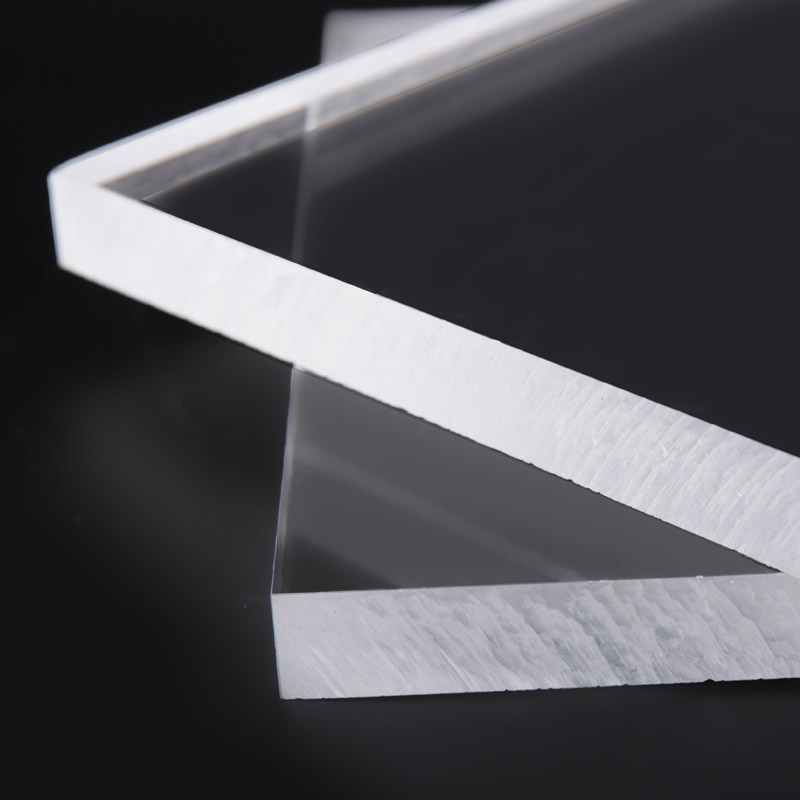
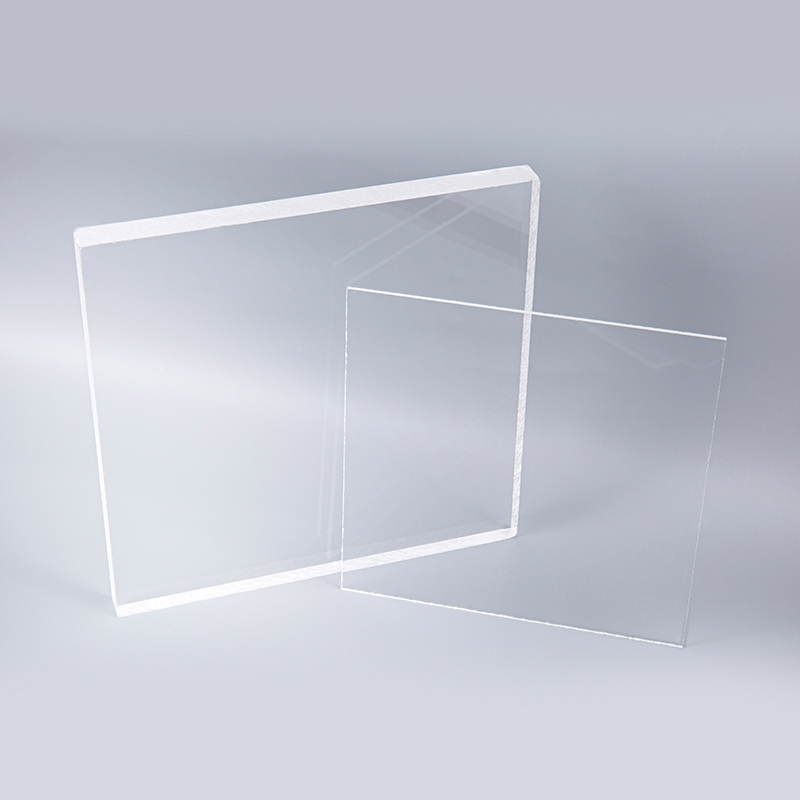
One of Oleg's popular products is the clear acrylic sheet, and our strong production capacity ensure...
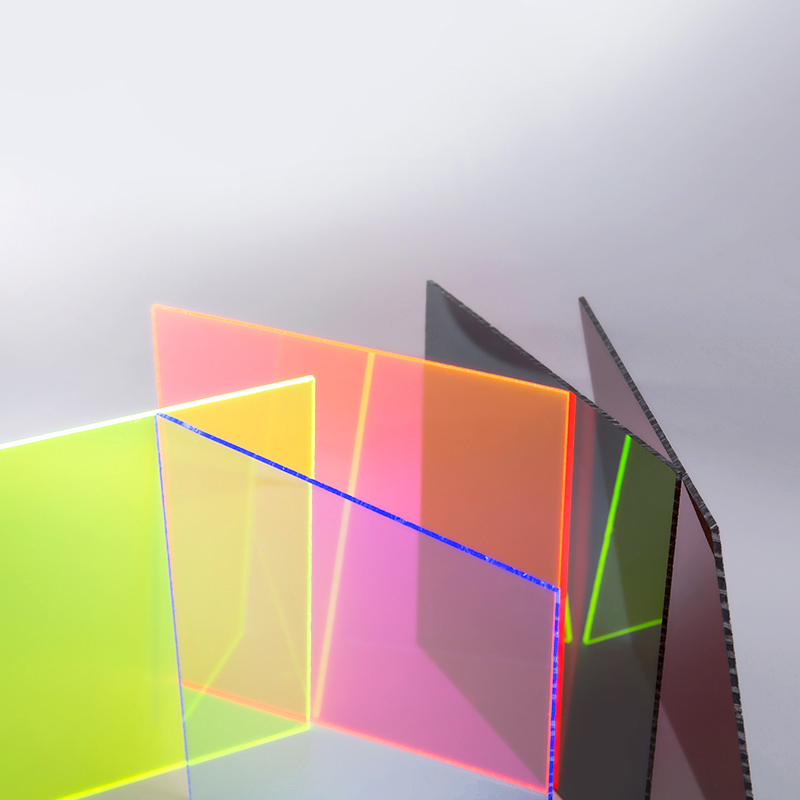
Oleg's products, whose raw material is virgin from Mitsubishi. OLEG is one of the TOP 5 cast acrylic...
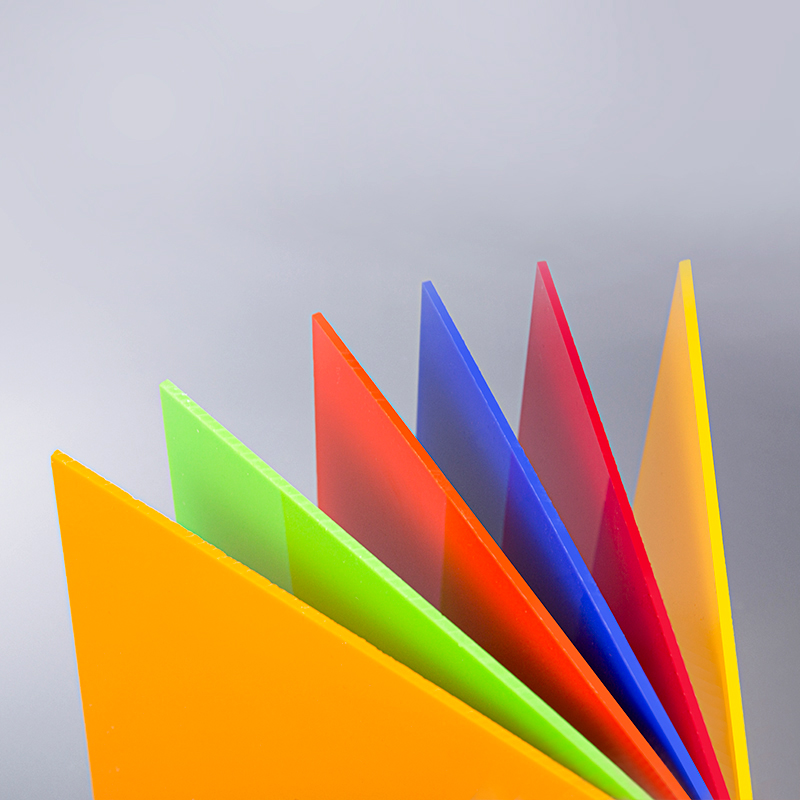
OLEG’s product, whose raw material is virgin from Mitsubishi. The color is highly uniform, pure and...
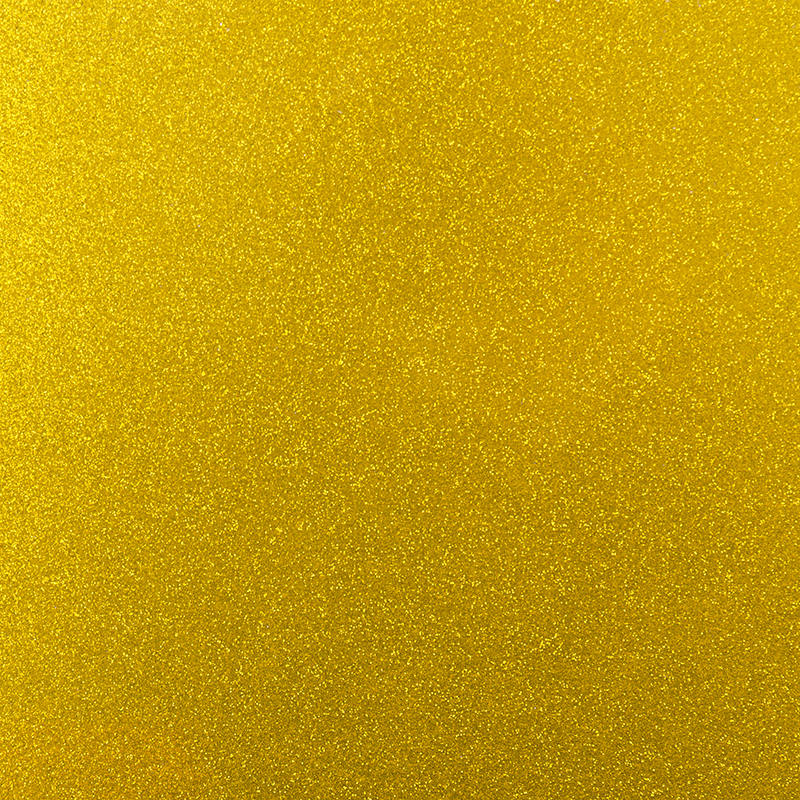
Golden acrylic sheet has tiny gold glitters in the material, which cause a luxurious effect. • Relia...
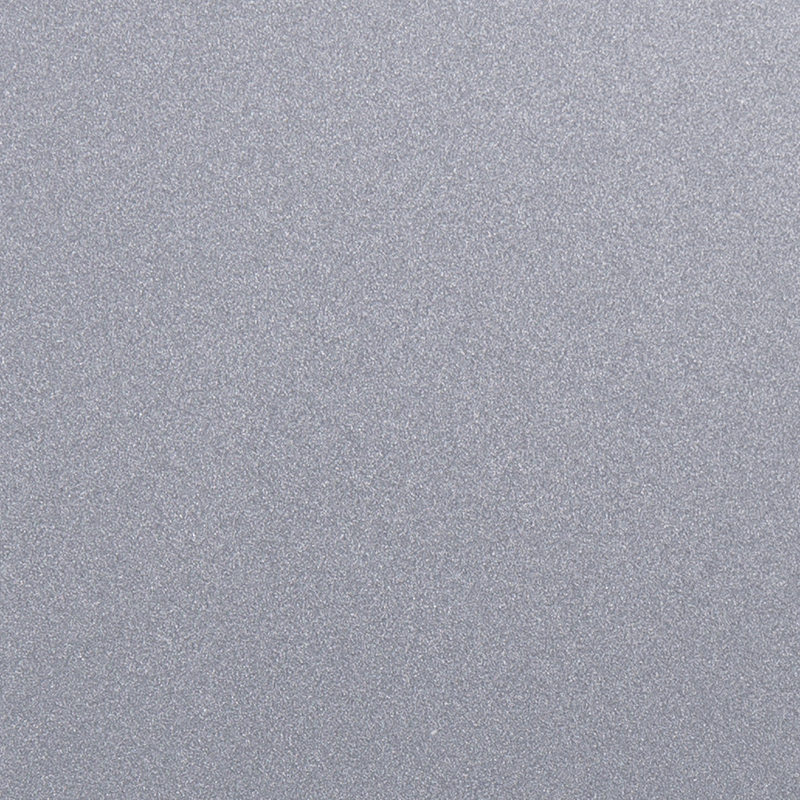
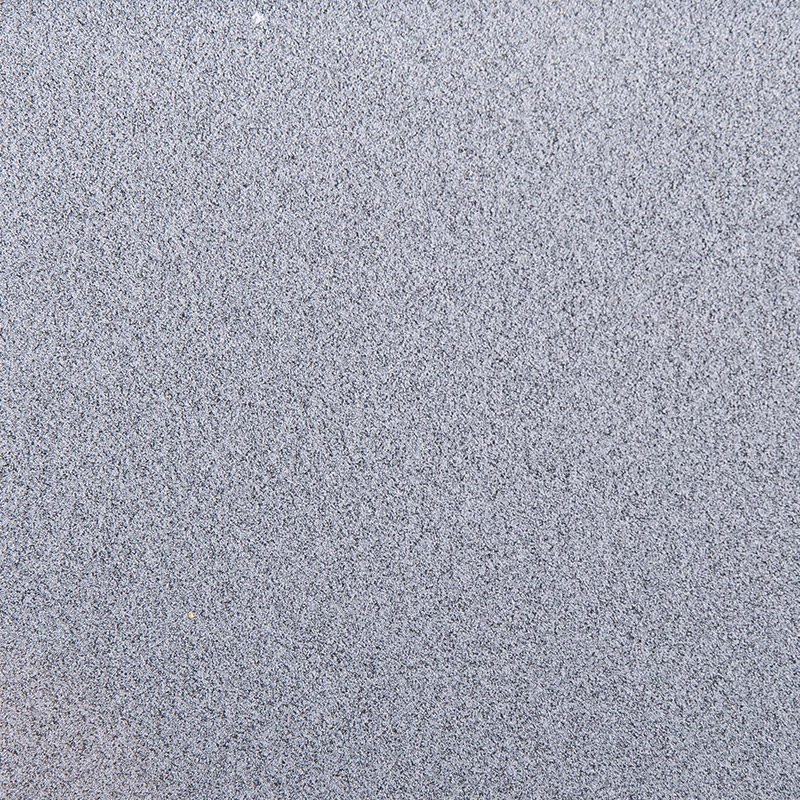
Silver acrylic sheet has tiny silver glitters in the material, which creating an elegant effect. • A...
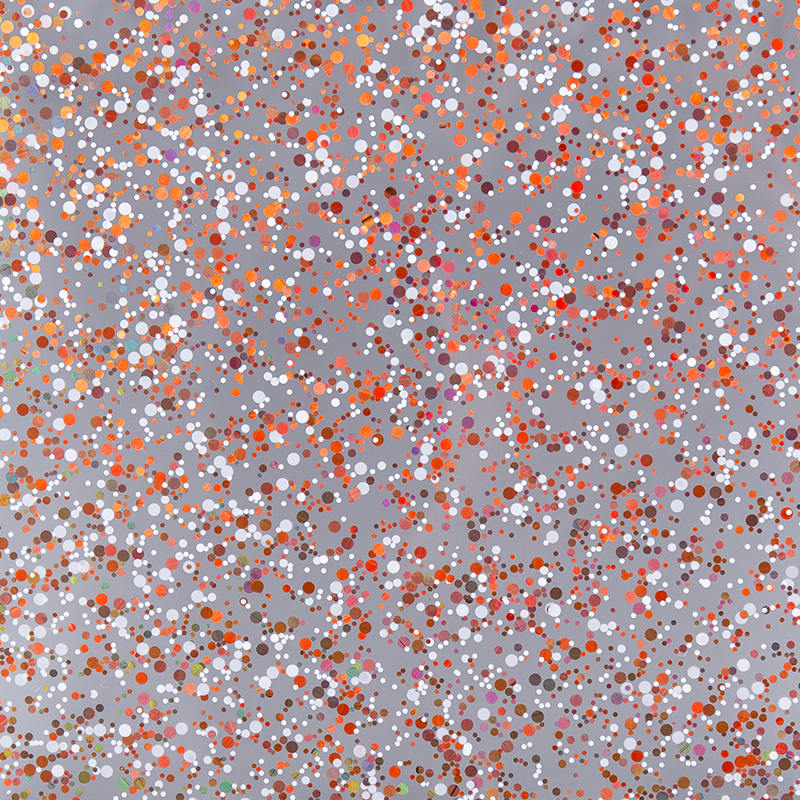
Tiny colored glitters are added to the transparent material to create a colorful and joyful visual e...
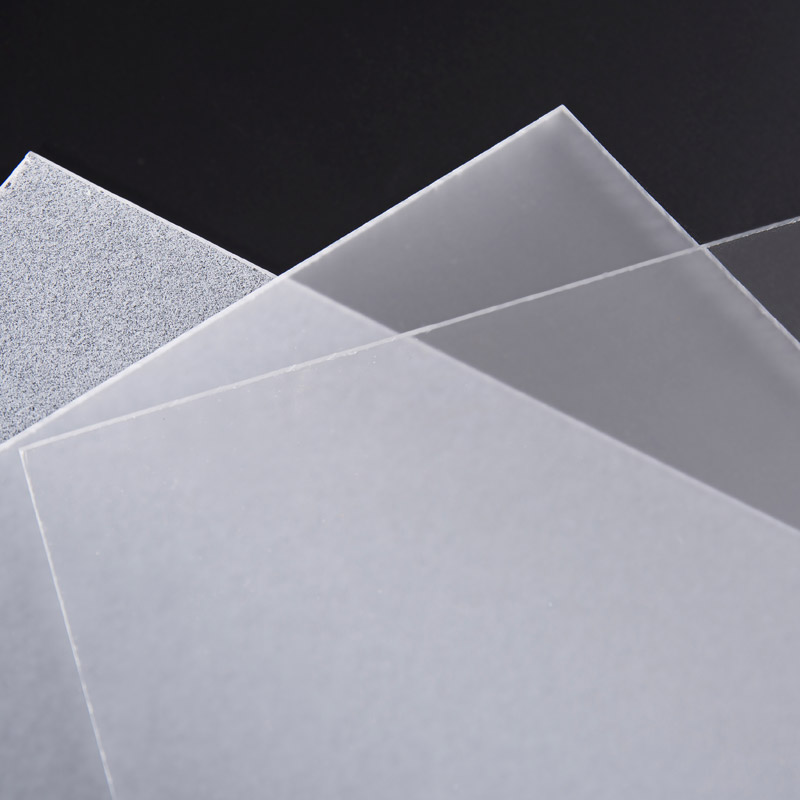
OLEG is a professional manufacturer of cast acrylic sheet, offering high quality products, attractiv...
OLEG double side frosted acrylic sheet features a matte finish on both sides. Its modern appearance ...
• UV Resistance: Resistant to degradation from UV light, maintains its original color and clarity ov...

