

 English
 عربى
عربى Español
High-Strength Clear Acrylic Sheet
One of Oleg's popular products is the clear acrylic sheet, and our strong production capacity ensure...



Content
Acrylic sheet in metallic gold finishes has become one of the most commercially active specialty variants in the PMMA (polymethyl methacrylate) sheet market. A golden acrylic sheet combines the well-established mechanical and optical properties of standard acrylic with a distinctive gold-tone aesthetic that serves high-value signage, retail display, architectural interior, and decorative fabrication markets. For wholesale buyers, distributors, and fabrication engineers, understanding the material science, production method differences, fabrication requirements, and sourcing criteria is essential before placing a volume order. This article covers each of these dimensions at a technical level.
A golden acrylic sheet is a PMMA sheet in which gold coloration is achieved through one of three production techniques: mass pigmentation (colorant dispersed throughout the polymer matrix during polymerization), surface coating (a metallic or vacuum-deposited gold-tone layer applied to a clear or tinted base sheet), or two-component co-extrusion (a thin metallic-appearance cap layer bonded to a structural PMMA substrate during extrusion). Each technique produces a different combination of optical depth, color consistency, durability, and fabrication behavior.
The optical character of a golden acrylic sheet varies significantly depending on whether the finish is transparent gold, translucent gold, or opaque metallic gold. These three categories serve different lighting and display functions:
Light transmission values are measured per ASTM D1003 (Haze and Luminous Transmittance of Transparent Plastics). Buyers specifying sheets for backlit applications should request the spectral transmission curve, not just a single transmittance percentage, to confirm that the gold tint produces the intended warm-tone color rendering under the LED or fluorescent backlight source in use.

Production method is the most fundamental specification decision for acrylic sheet procurement. Cast and extruded PMMA sheets differ in molecular weight, thickness tolerance, surface quality, solvent bonding behavior, and thermoforming characteristics. These differences are amplified in specialty color variants, including gold finishes, because colorant dispersion uniformity and surface optical quality depend on the production process. The table below provides a direct comparison across the parameters most relevant to fabrication and procurement decisions.
| Parameter | Cast Golden Acrylic Sheet | Extruded Golden Acrylic Sheet |
|---|---|---|
| Production method | Polymerized between glass molds (cell cast or continuous cast) | Melt-extruded through a flat die and polished rolls |
| Molecular weight | High (1,000,000–2,000,000 g/mol) | Lower (500,000–800,000 g/mol) |
| Thickness tolerance | +/- 10–15% (wider tolerance) | +/- 3–5% (tighter tolerance) |
| Surface optical quality | Excellent — glass-mold surface finish | Good — roll-polished surface |
| Solvent cementing behavior | Superior bond strength and clarity | Adequate, some internal stress risk |
| Thermoforming temperature range | 160–190 degrees Celsius | 140–170 degrees Celsius |
| Thermoforming behavior | Broader forming window, less orientation | Narrower window, orientation memory present |
| Color uniformity | Very high (batch polymerization control) | High (continuous process, good lot consistency) |
| Relative cost per m2 | Higher | Lower |
| Best-fit application | High-end display, laser engraving, thermoformed parts | Cut-to-size fabrication, high-volume signage |
Cast sheet is the preferred specification for laser engraving and cutting because its higher molecular weight produces cleaner engraved edges and a frosted engraving contrast that extruded sheet does not replicate. Extruded sheet is preferred for CNC routing and die-cutting operations in high-volume production environments where thickness consistency and lower unit cost outweigh the optical surface quality premium of cast product.
Standard golden acrylic sheet thickness and size specifications follow the same dimensional catalog as clear and standard-color acrylic sheets, with the addition of specialty thickness and format options for metallic and mirror variants. The table below summarizes the most commercially active thickness and sheet size combinations available in volume production, along with indicative sheet weight for logistics planning.
| Thickness (mm) | Standard Sheet Size (mm) | Sheet Weight (kg/m2) | Typical Application |
|---|---|---|---|
| 2 | 1220 x 2440 / 1250 x 2500 | 2.40 | Light signage, decorative inserts, gift fabrication |
| 3 | 1220 x 2440 / 1250 x 2500 | 3.60 | Retail display, letter-cutting, framing |
| 4 | 1220 x 2440 / 1250 x 2500 | 4.80 | Shop fixtures, illuminated panel facings |
| 5 | 1220 x 2440 / 2050 x 3050 | 6.00 | Architectural cladding panels, trophy bases |
| 6 | 1220 x 2440 / 2050 x 3050 | 7.20 | Structural decorative elements, countertop inserts |
| 8–10 | 2050 x 3050 (custom order) | 9.60–12.00 | Heavy decorative panels, furniture components |
PMMA density is 1.19 g/cm3 (per ISO 1183), and sheet weight per square meter can be calculated directly from this value multiplied by thickness in centimeters. Buyers planning import shipments should confirm gross weight per pallet, including interleaf material and packaging, as acrylic sheet pallets are dense and pallet weight frequently limits container loading below theoretical volumetric capacity.
A practical golden acrylic sheet cutting and machining guide must address the additional considerations introduced by metallic coatings and pigmented substrates relative to standard clear acrylic. The gold finish — whether achieved through mass pigmentation, vacuum metallization, or co-extrusion — can respond differently to heat and mechanical stress during fabrication if parameters are not correctly controlled.
Recommended fabrication parameters and considerations for each primary process include:
The golden acrylic sheet for signage and display fabrication market spans three distinct product segments with different technical requirements. Channel letter fabrication for illuminated exterior signage typically uses 3 mm extruded translucent gold sheet as the face material, backlit with white or warm-white LED strips to produce a gold illuminated effect visible under daylight conditions. The sheet's light transmission value must be low enough to mask the LED strip pattern at close viewing distances while transmitting sufficient lumens for daytime readability — typically 10–20% light transmission is the target range for this application.
Point-of-sale display and retail fixture fabrication uses opaque mirror-gold or brushed-gold acrylic as a premium alternative to painted MDF or anodized aluminum in shelf panel and display tray applications. The acrylic substrate offers lower weight, simpler fabrication (no painting required), and consistent color lot-to-lot compared to painted substrates.
Architectural interior applications, including wall cladding panels, partition inserts, ceiling tiles, and decorative column wraps, use 4–6 mm cast gold acrylic for its combination of visual depth, dimensional stability, and resistance to indoor UV exposure. PMMA has a UV resistance rating that allows stable color retention for 10 or more years in indoor environments when UV stabilizers are incorporated in the formulation.
For buyers evaluating golden acrylic sheet wholesale bulk pricing and MOQ, market pricing is segmented by production method (cast vs. extruded), finish type (transparent, translucent, opaque metallic, mirror), thickness, and sheet format. Extruded golden acrylic in standard 3 mm and 4 mm thickness represents the highest-volume commodity specification and carries the most competitive wholesale pricing. Cast sheet commands a premium of 30–60% over extruded equivalents at the same thickness, reflecting higher production cost and longer batch cycle times.
Wholesale procurement qualification for specialty acrylic sheet should include the following documentation and verification requirements:
Transparent gold acrylic sheet transmits light through the material, producing a warm amber-gold color in transmitted light. It is used for backlit signage, illuminated displays, and decorative partitions. Mirror gold acrylic sheet has a vacuum-metallized or PVD-coated surface that reflects light with a high-reflectance gold metallic appearance and transmits virtually no light. It is used for decorative cladding, letter fabrication, and retail display applications where the gold surface appearance — not light transmission — is the design objective. A golden acrylic sheet supplier should clearly distinguish between these two categories in their product catalog, as they are not interchangeable in application.
For exterior signage channel letter faces, a 3 mm extruded translucent golden acrylic sheet is the industry standard specification. This thickness provides sufficient rigidity for letter face panels up to approximately 300 mm in height without requiring internal support. For larger letter faces above 300 mm or for flat panel sign faces subject to wind load, a 4 mm or 5 mm sheet is specified. Outdoor applications require UV-stabilized sheet formulations — buyers should confirm that the sheet carries UV stabilizer content adequate for the expected service life and geographic UV index of the installation location.
Standard MOQs for golden acrylic sheet wholesale orders in extruded variants typically range from 10 to 30 full sheets per thickness and finish combination. Cast sheet MOQs are often higher — 20 to 50 sheets per specification — due to batch production constraints. Custom color matching or non-standard sheet sizes typically require MOQs of 50 to 100 sheets and lead times of 4 to 8 weeks from order confirmation. Buyers sourcing multiple thickness variants in the same gold finish should negotiate a combined MOQ across thicknesses to reduce per-SKU minimums while meeting the supplier's total volume threshold.
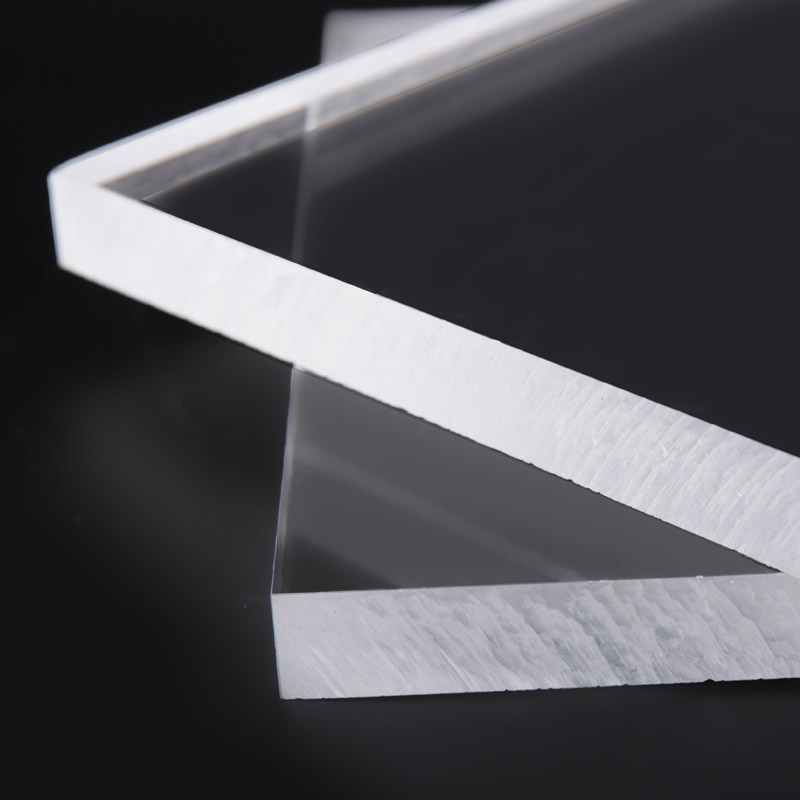
One of Oleg's popular products is the clear acrylic sheet, and our strong production capacity ensure...
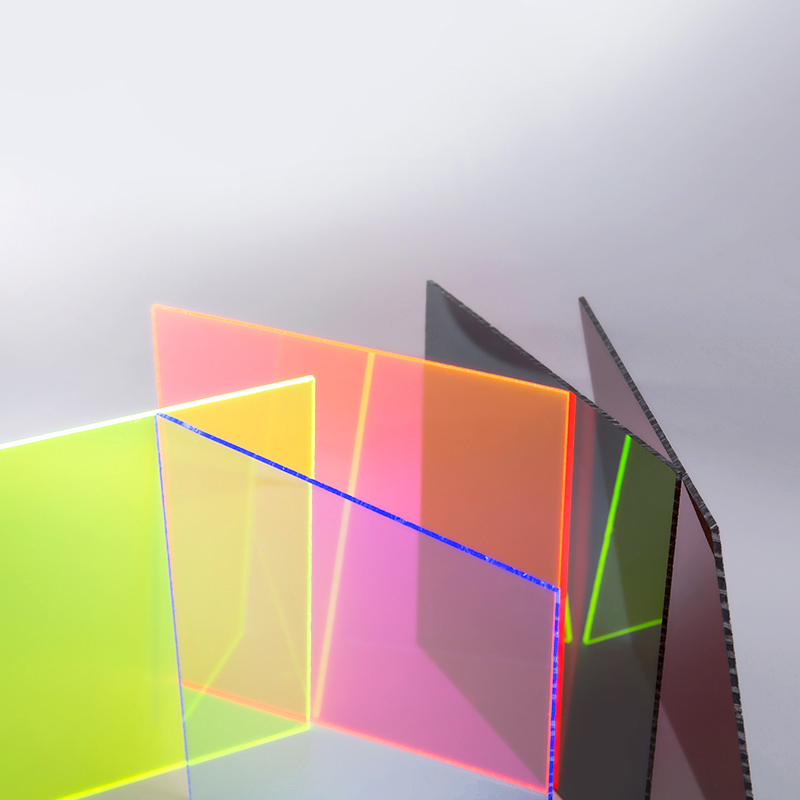
Oleg's products, whose raw material is virgin from Mitsubishi. OLEG is one of the TOP 5 cast acrylic...
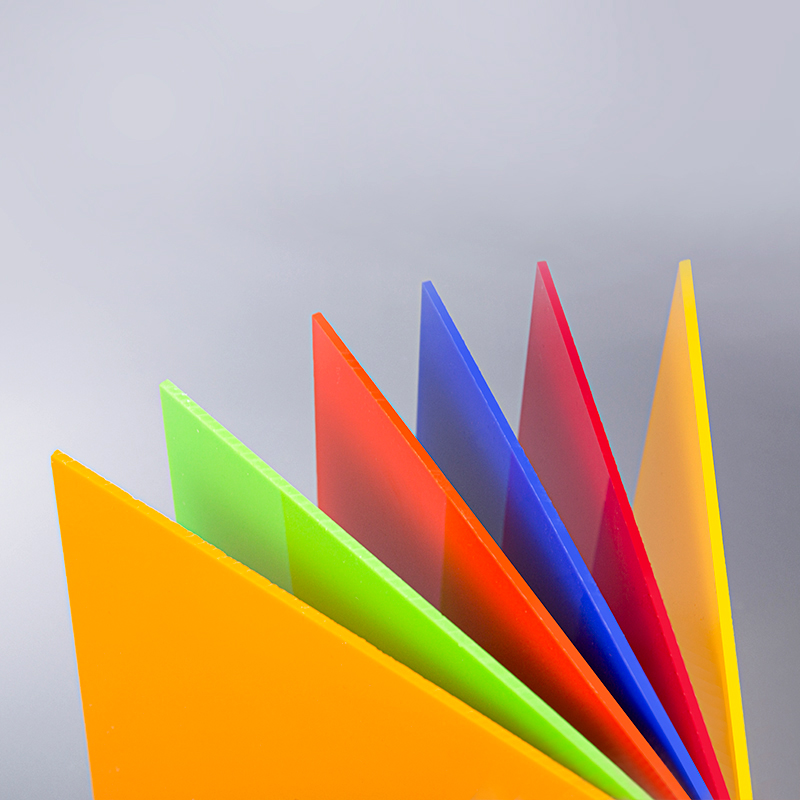
OLEG’s product, whose raw material is virgin from Mitsubishi. The color is highly uniform, pure and...
Golden acrylic sheet has tiny gold glitters in the material, which cause a luxurious effect. • Relia...
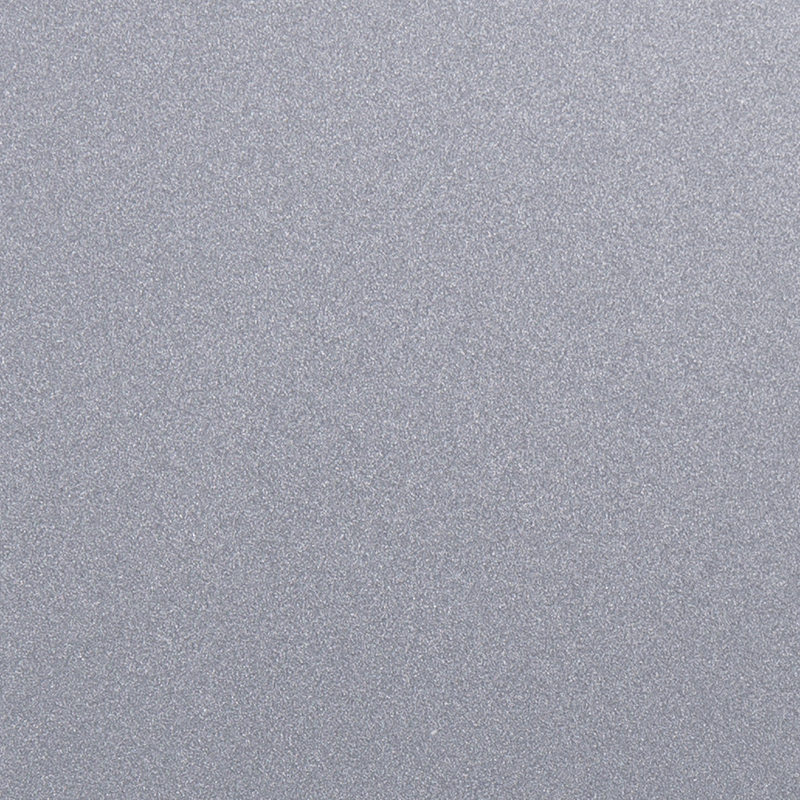
Silver acrylic sheet has tiny silver glitters in the material, which creating an elegant effect. • A...
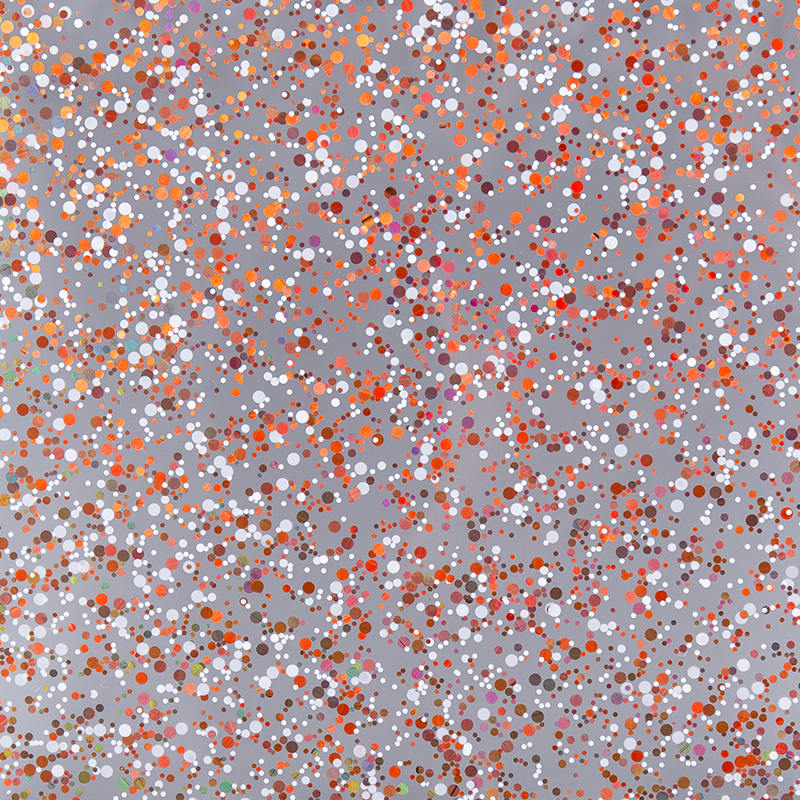
Tiny colored glitters are added to the transparent material to create a colorful and joyful visual e...
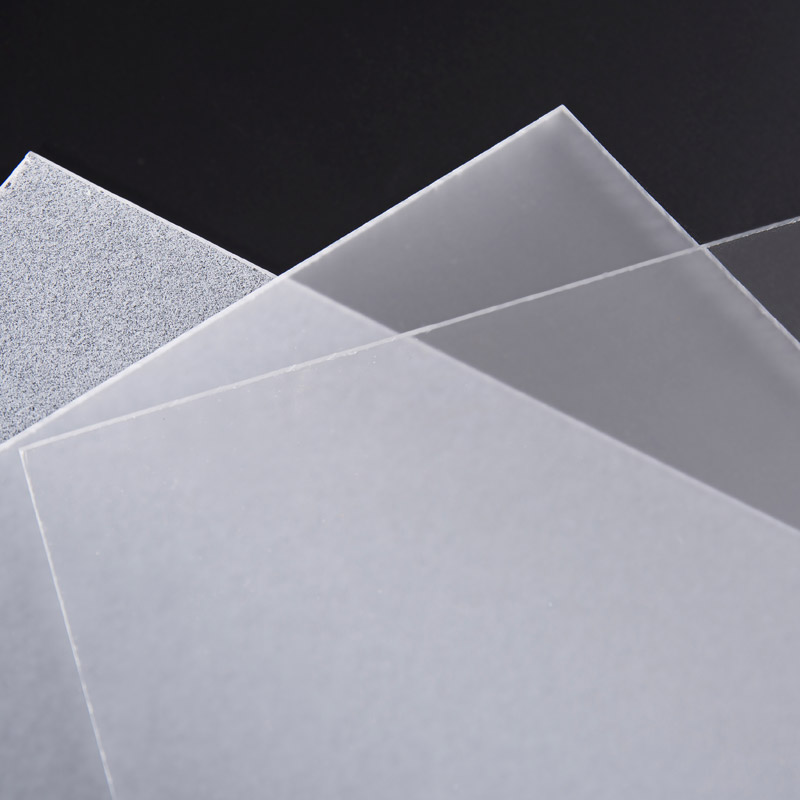
OLEG is a professional manufacturer of cast acrylic sheet, offering high quality products, attractiv...
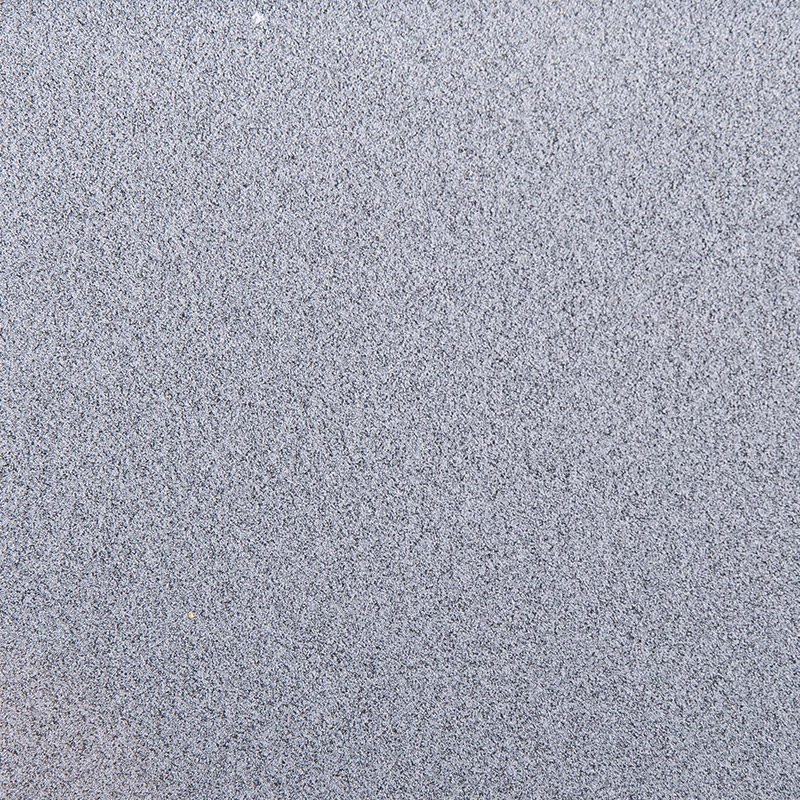
OLEG double side frosted acrylic sheet features a matte finish on both sides. Its modern appearance ...
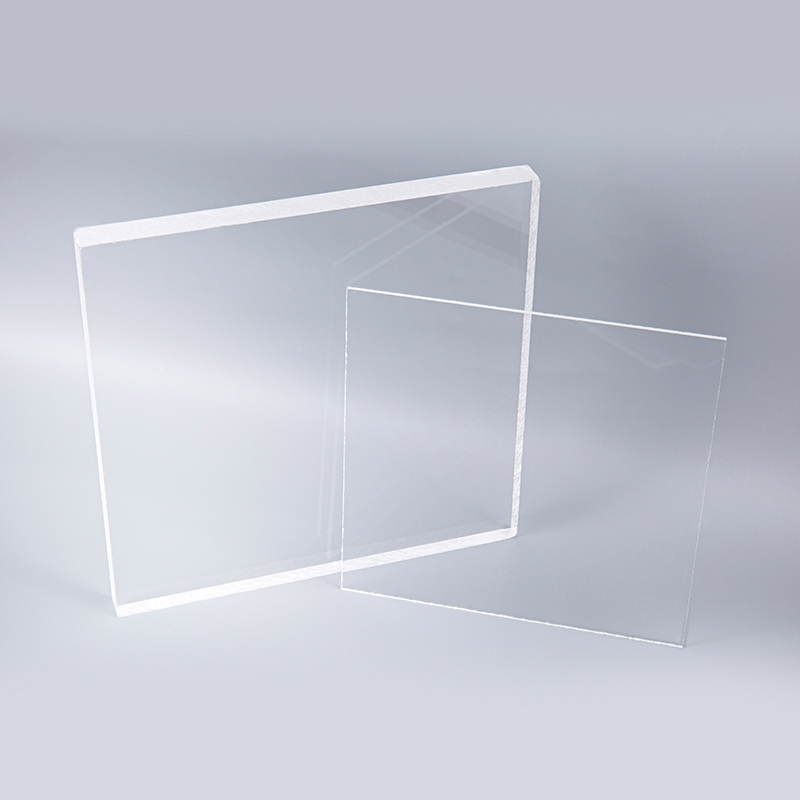
• UV Resistance: Resistant to degradation from UV light, maintains its original color and clarity ov...

