

 English
 عربى
عربى Español
High-Strength Clear Acrylic Sheet
One of Oleg's popular products is the clear acrylic sheet, and our strong production capacity ensure...



Content
Engineers and procurement managers frequently face critical decisions when selecting color acrylic sheet for industrial applications. This thermoplastic material, chemically known as polymethyl methacrylate (PMMA), offers unique combinations of optical clarity, weather resistance, and design flexibility that glass and other plastics cannot match. Understanding the technical distinctions between sheet types, manufacturing methods, and performance specifications ensures optimal material selection for your specific project requirements.
Color acrylic sheet consists of PMMA resin with integrated pigments that provide consistent coloration throughout the material thickness. Unlike surface-coated alternatives, the color permeates the entire sheet structure, ensuring durability and uniform appearance even after cutting or machining. The material exhibits a density of 1.17–1.20 g/cm³ and demonstrates tensile strength between 65–80 MPa, making it suitable for load-bearing applications where visual appeal matters .
Manufacturers produce these sheets through two primary methods: cell casting and continuous extrusion. Each process yields distinct molecular structures that directly impact optical quality, fabrication behavior, and long-term durability. The global acrylic market exceeded USD 6 billion in 2023, with casting processes dominating 75% of high-end application markets .
Opaque sheets block light transmission completely while delivering rich, consistent coloration. These sheets excel in applications requiring privacy, bold visual impact, or complete opacity. The uniform pigmentation throughout the material ensures edge color matches surface appearance after cutting. Common thicknesses range from 2mm to 12mm, with standard sheet dimensions including 1220×2440mm and 2050×3050mm configurations.
Translucent variants diffuse light evenly while maintaining color vibrancy, making them ideal for backlit signage, lightboxes, and ambient lighting installations. These sheets transmit diffused illumination without revealing internal light sources, creating professional-grade visual effects. Available colors include red, blue, green, amber, and white variants optimized for LED compatibility .
Transparent tinted sheets combine optical clarity with subtle coloration, achieving up to 92% light transmission rates while adding aesthetic enhancement. These sheets suit applications requiring visibility plus color coordination, such as display cases, architectural glazing, and protective barriers.
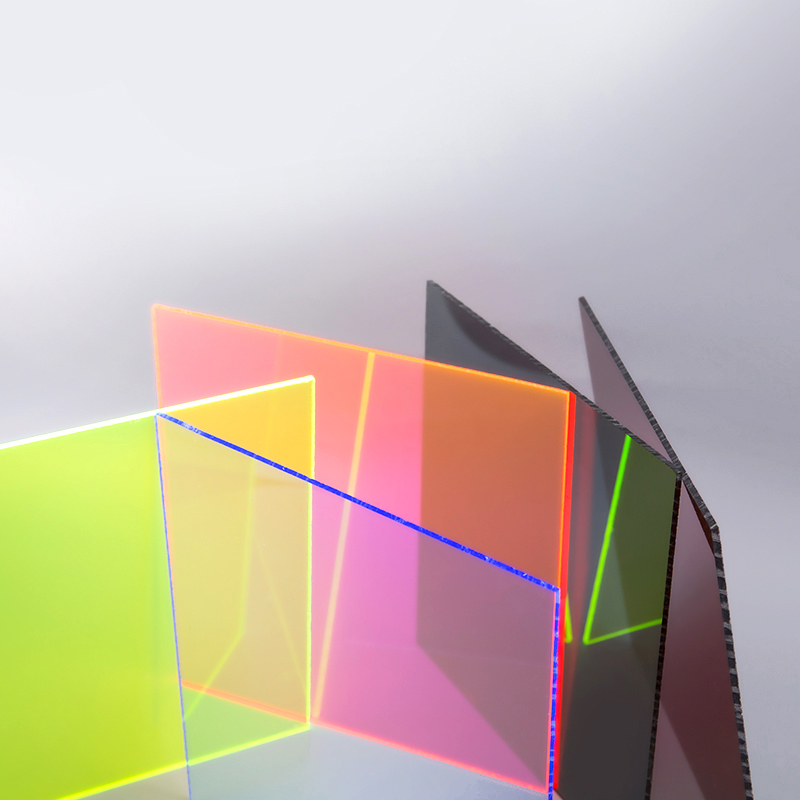
Manufacturers offer advanced color variants including:
The production method fundamentally determines color acrylic sheet performance characteristics. Understanding these differences enables informed procurement decisions aligned with application requirements.
Cast acrylic production involves pouring liquid MMA monomer between glass molds, then curing through controlled heating cycles. This slow polymerization creates longer molecular chains, resulting in higher molecular weight material with superior hardness and scratch resistance . Extruded acrylic manufacturing pushes heated PMMA pellets through precision dies, creating continuous sheets with shorter polymer chains and slightly different performance profiles.
The following comparison table outlines critical differences between these manufacturing methods:
| Property | Cast Acrylic | Extruded Acrylic |
| Manufacturing Process | Cell casting in glass molds | Continuous extrusion through dies |
| Light Transmission | Up to 92% | Approximately 89% |
| Thickness Tolerance | ±10-15% | ±5% or better |
| Maximum Thickness | Up to 100mm | Typically up to 20mm |
| Molecular Weight | Higher (longer chains) | Lower (shorter chains) |
| Scratch Resistance | Superior | Moderate |
| Laser Cutting Quality | Clean, polished edges | Prone to melting, rough edges |
| Chemical Resistance | Better solvent resistance | More prone to crazing |
| Color Options | Extensive range | Limited standard colors |
| Price Premium | Approximately 20% higher | More cost-effective |
Cell casting involves pouring liquid monomer between tempered glass sheets separated by flexible gaskets. The assembly undergoes polymerization in autoclaves or water baths over several hours. This method allows precise control over thickness, color formulation, and optical properties, making it preferred for high-precision applications .
Extrusion manufacturing feeds PMMA pellets into heated barrels, melting and forcing material through precision dies. Polished rollers set final thickness as the continuous sheet cools. This efficient process delivers consistent dimensional tolerances but limits color variety and maximum thickness capabilities .
Cast color acrylic sheet demonstrates approximately 40% greater resistance to stress cracking compared to extruded alternatives . The superior molecular structure also produces cleaner laser-cut edges with polished finishes, reducing post-processing requirements. For colored acrylic sheet for laser cutting applications, cast material significantly improves fabrication outcomes.
Engineering-grade color acrylic sheet exhibits well-documented physical properties essential for structural calculations and application design. The following data represents typical values for standard PMMA formulations :
| Property | Test Method/Unit | Typical Value |
| Density | g/cm³ | 1.19 |
| Tensile Strength | psi (MPa) | 10,000 (65-80) |
| Flexural Strength | psi (MPa) | 15,000 (90-115) |
| Elastic Modulus | GPa | 3.2 |
| Impact Strength (Izod) | ft-lbs/in (kJ/m²) | 0.4 (0.3-0.4) |
| Rockwell Hardness | M Scale | M95 |
| Coefficient of Thermal Expansion | in/in/°F × 10⁻⁵ | 4 |
| Vicat Softening Point | °F (°C) | 239 (115) |
| Forming Temperature Range | °F (°C) | 284-356 (140-180) |
| Self-Ignition Temperature | °F (°C) | 910 (488) |
| Water Absorption (24hr) | % | 0.2 |
| Dielectric Strength | V/mil | 430 |
| Light Transmission (Clear) | % | 92 |
Acrylic exhibits higher stiffness than many commodity plastics while maintaining moderate impact resistance superior to glass but inferior to polycarbonate. Surface hardness ratings of M95 on the Rockwell scale provide reasonable scratch resistance for display applications, though coatings can enhance durability in high-contact environments .
Clear acrylic achieves 92% light transmission, exceeding glass performance. Translucent colored acrylic sheet variants scatter light effectively for even illumination, while opaque colored acrylic sheet options block transmission entirely for privacy applications. UV-stabilized formulations maintain color integrity and optical clarity over extended outdoor exposure periods.
Acrylic softens gradually above its glass transition temperature of approximately 105°C, unlike crystalline plastics that exhibit distinct melting points. This characteristic enables thermoforming at 140–180°C but limits continuous service temperatures to 80–90°C. Thermal expansion coefficients require accommodation in mounting designs for large installations.
The signage sector represents a primary market for color acrylic sheet, utilizing both opaque and translucent variants for channel letters, illuminated boxes, and directional signage. Cast vs extruded color acrylic sheet selection depends on fabrication methods—cast material produces superior laser-cut edges for high-end signage, while extruded options serve cost-sensitive applications .
Architects specify colored acrylic for decorative panels, room dividers, and accent walls where weight reduction compared to glass provides structural advantages. UV-stabilized formulations resist yellowing and degradation in skylight applications, while marble-effect sheets offer luxury aesthetics without natural stone weight or maintenance requirements .
Retail environments leverage colored acrylic for product displays, fixture components, and branding elements. The material machines easily into complex shapes, accepts printed graphics, and maintains appearance under continuous handling. Fluorescent variants attract attention in high-traffic commercial spaces.
Industrial applications include machine guards, equipment enclosures, and protective barriers where impact resistance and visibility requirements converge. Chemical resistance properties suit laboratory environments, while electrical insulation characteristics (dielectric strength 430 V/mil) enable electrical applications.
Matching color acrylic sheet thickness options and types to specific applications ensures optimal performance and cost efficiency. The following selection matrix guides procurement decisions:
| Application Requirement | Recommended Type | Thickness Range | Manufacturing Method |
| High-end signage, laser cutting | Cast, any color | 3-6mm | Cast |
| Backlit displays, lightboxes | Translucent | 3-8mm | Cast preferred |
| Privacy panels, room dividers | Opaque or textured | 4-10mm | Either |
| Outdoor signage (long-term) | UV-stabilized opaque | 4-6mm | Cast |
| General indoor signage | Standard colors | 2-5mm | Extruded |
| Structural glazing, barriers | Clear or tinted | 8-20mm | Cast |
| Thermoformed components | Standard colors | 2-6mm | Extruded |
| Display cases, museums | Clear or anti-reflective | 5-12mm | Cast |
Consider optical requirements first—applications requiring light transmission demand translucent or transparent variants, while privacy needs suit opaque options. Environmental exposure determines UV stabilization requirements, with outdoor applications mandating stabilized formulations to prevent degradation.
Thickness directly impacts structural integrity and fabrication characteristics. Thinner sheets (1–3mm) suit lightweight signage and overlays but require support to prevent flexing. Medium thicknesses (4–6mm) balance rigidity with workability for general applications. Heavy-duty applications including protective barriers and structural elements require 8mm+ thicknesses, achievable primarily through casting processes .
Colored acrylic sheet for laser cutting requires careful material selection. Cast acrylic produces clean, flame-polished edges during laser cutting due to its molecular structure and higher melting point. Extruded acrylic tends to melt and produce rough edges, increasing post-processing requirements .
Recommended laser parameters include:
CNC routing and milling require sharp tools operating at appropriate speeds to prevent melting and chip welding. Cast acrylic machines more predictably than extruded, reducing scrap rates during complex fabrication. Coolant application improves surface finish and extends tool life.
Extruded color acrylic sheet thermoforms more readily than cast due to lower softening temperatures. Vacuum forming, pressure forming, and drape forming techniques all apply, with pre-drying recommended to prevent moisture-related defects. Forming temperatures range 140–180°C depending on sheet thickness and specific formulation.
Industry standards ensure consistent material performance across suppliers. Relevant specifications include:
UV stabilization represents a critical quality factor for outdoor applications. Premium sheets incorporate UV absorbers that limit degradation to approximately 3% over 10 years of outdoor exposure . Request material data sheets from suppliers to verify compliance with specific project requirements.
Cast acrylic offers superior optical clarity (92% vs 89% light transmission), better scratch resistance, and cleaner laser-cut edges due to its higher molecular weight structure. Extruded acrylic provides tighter thickness tolerances (±5% vs ±10-15%), lower cost (approximately 20% savings), and easier thermoforming. Cast suits high-end applications requiring precision, while extruded serves general-purpose needs cost-effectively .
Structural applications requiring load-bearing capacity or impact resistance demand thicker sheets. For protective barriers and safety glazing, specify 8–12mm cast acrylic. Display cases and retail fixtures typically use 5–8mm thicknesses. General signage works with 3–6mm sheets. Unsupported spans require thicker material or additional framing to prevent deflection. Always consult engineering guidelines for deflection limits based on specific loading conditions .
Yes, provided the material includes UV stabilization. UV-stabilized translucent sheets resist yellowing and maintain color integrity under prolonged sun exposure. Premium formulations limit degradation to approximately 3% over 10 years outdoors. For illuminated outdoor signage, specify UV-stabilized cast acrylic in 4–6mm thickness to balance light diffusion with durability. Dark colors absorb more heat and may require additional thermal expansion accommodation in mounting designs .
Opaque sheets accommodate most standard fabrication methods. Laser cutting produces clean edges on cast material, while CNC routing handles both cast and extruded types. Solvent cementing creates strong bonds for assembly—extruded acrylic bonds faster due to lower molecular weight, while cast requires longer setting times but achieves comparable strength. Thermoforming works best with extruded sheets due to lower softening temperatures. Drilling requires sharp bits and backing boards to prevent exit-side chipping .
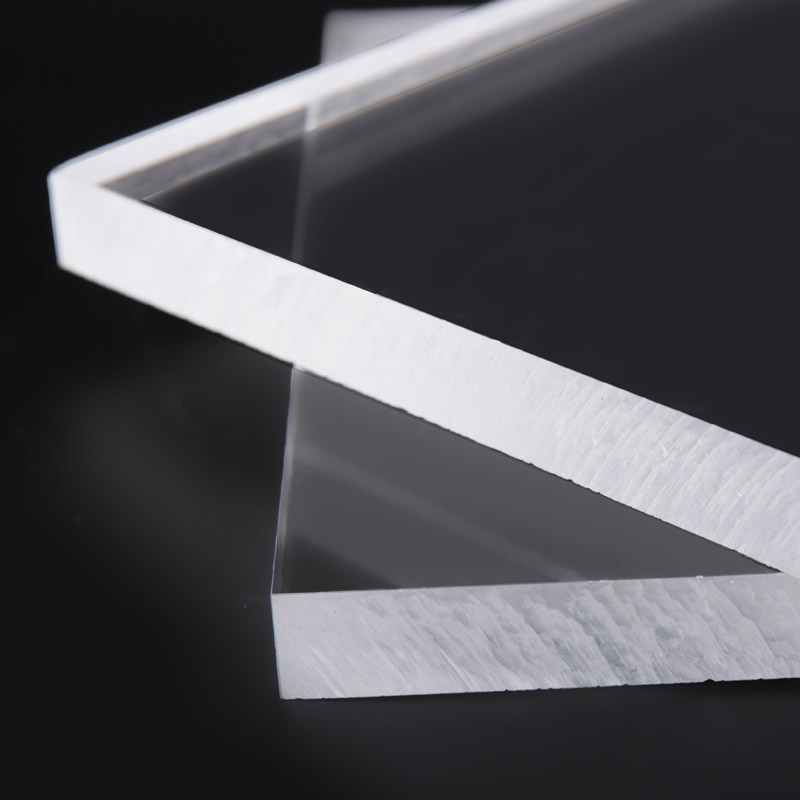
One of Oleg's popular products is the clear acrylic sheet, and our strong production capacity ensure...
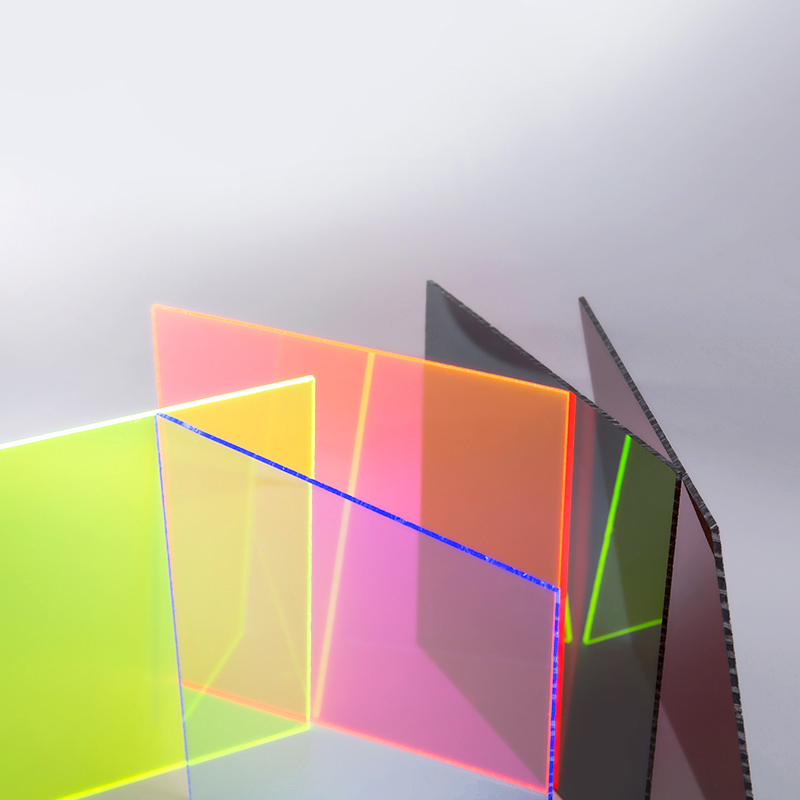
Oleg's products, whose raw material is virgin from Mitsubishi. OLEG is one of the TOP 5 cast acrylic...
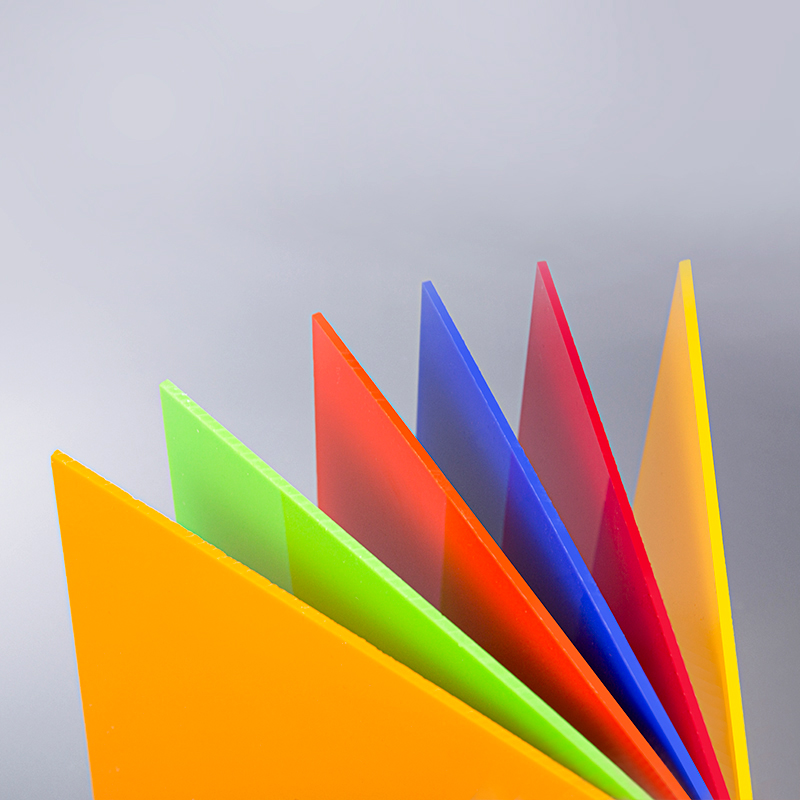
OLEG’s product, whose raw material is virgin from Mitsubishi. The color is highly uniform, pure and...
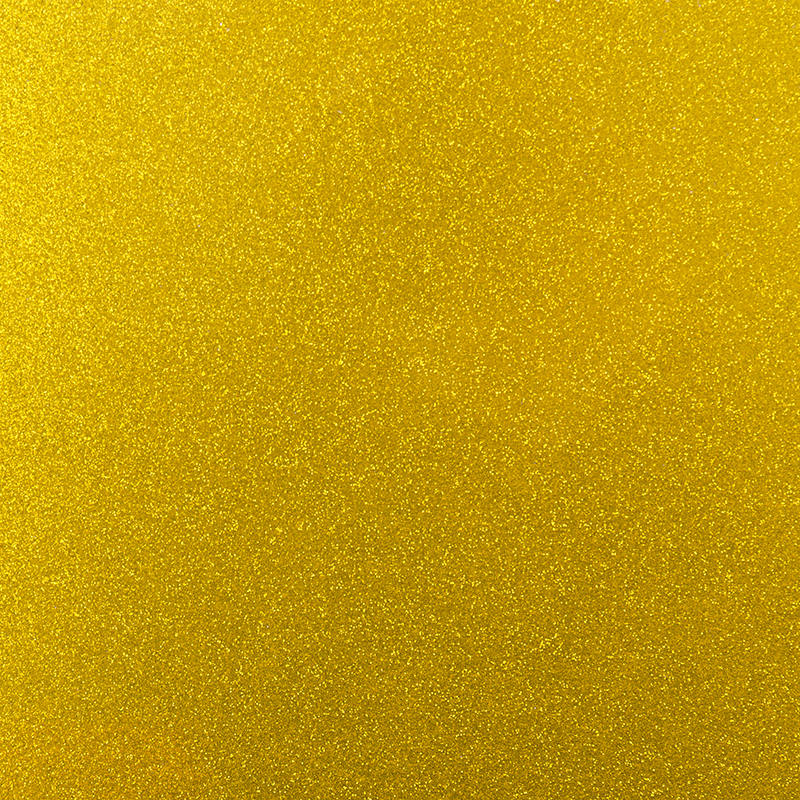
Golden acrylic sheet has tiny gold glitters in the material, which cause a luxurious effect. • Relia...
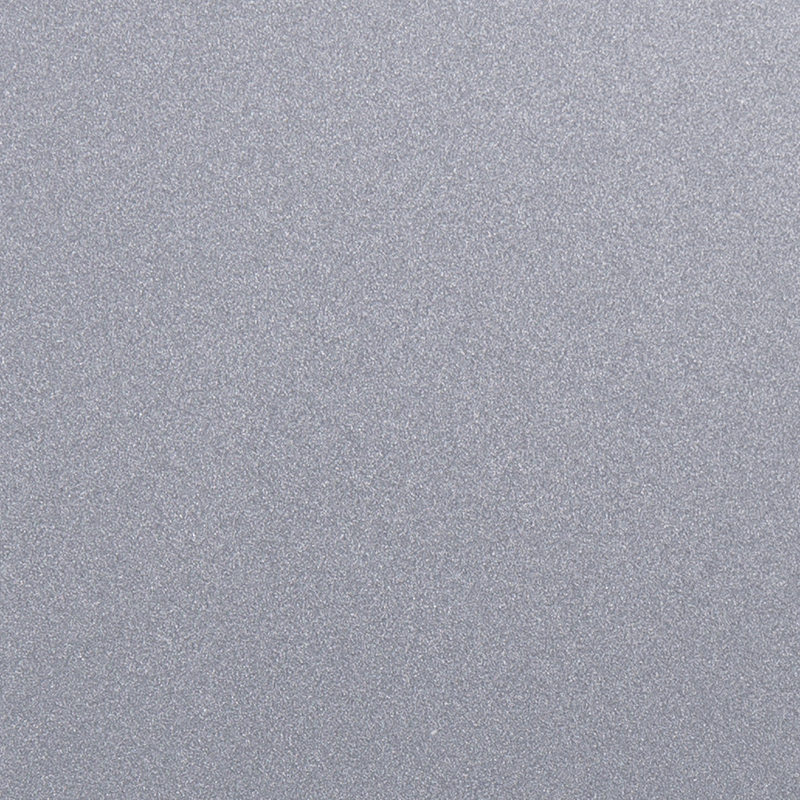
Silver acrylic sheet has tiny silver glitters in the material, which creating an elegant effect. • A...
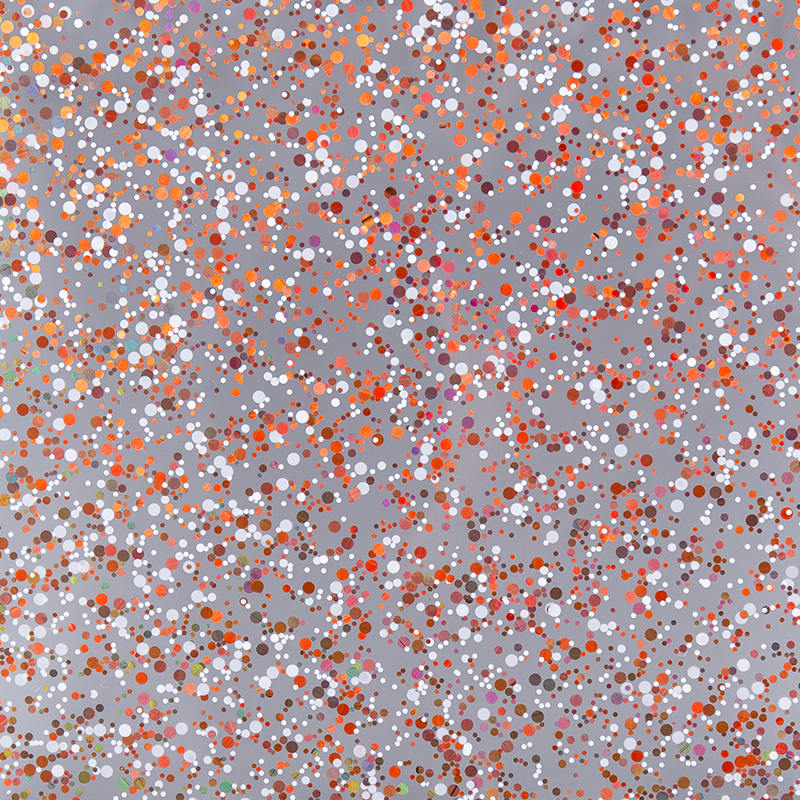
Tiny colored glitters are added to the transparent material to create a colorful and joyful visual e...
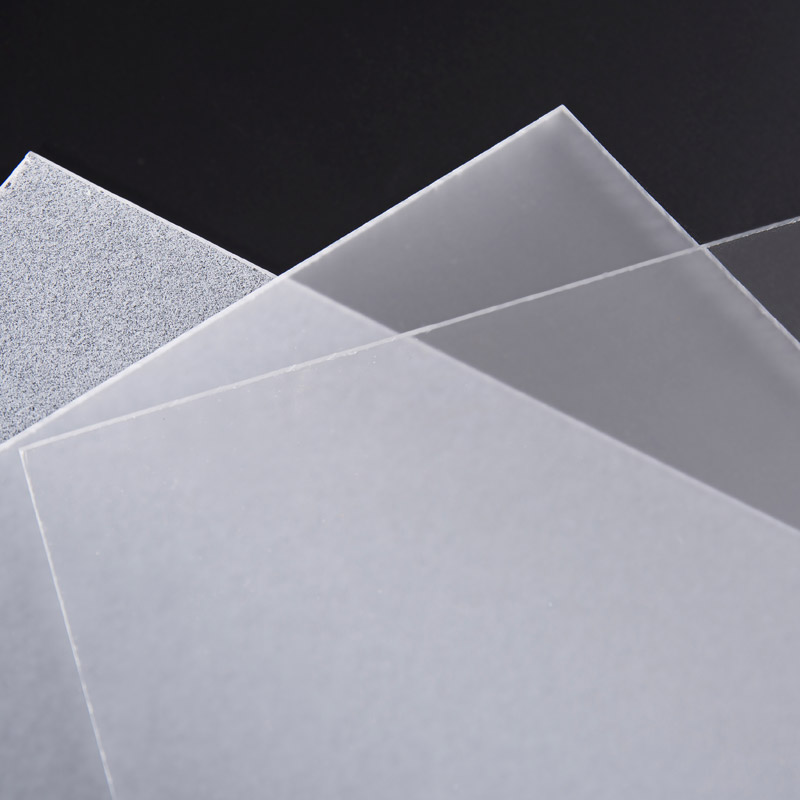
OLEG is a professional manufacturer of cast acrylic sheet, offering high quality products, attractiv...
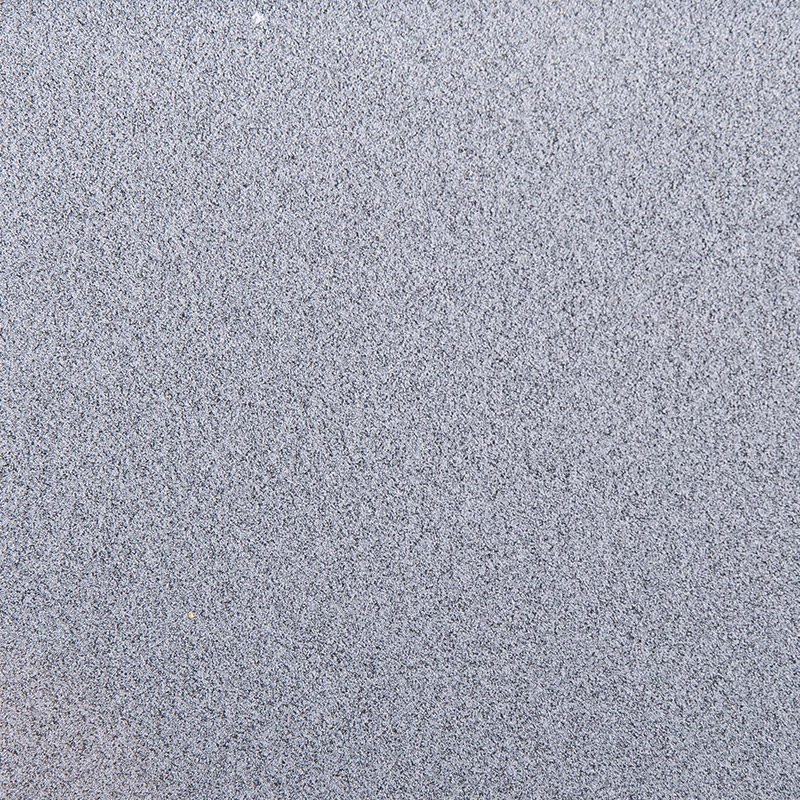
OLEG double side frosted acrylic sheet features a matte finish on both sides. Its modern appearance ...
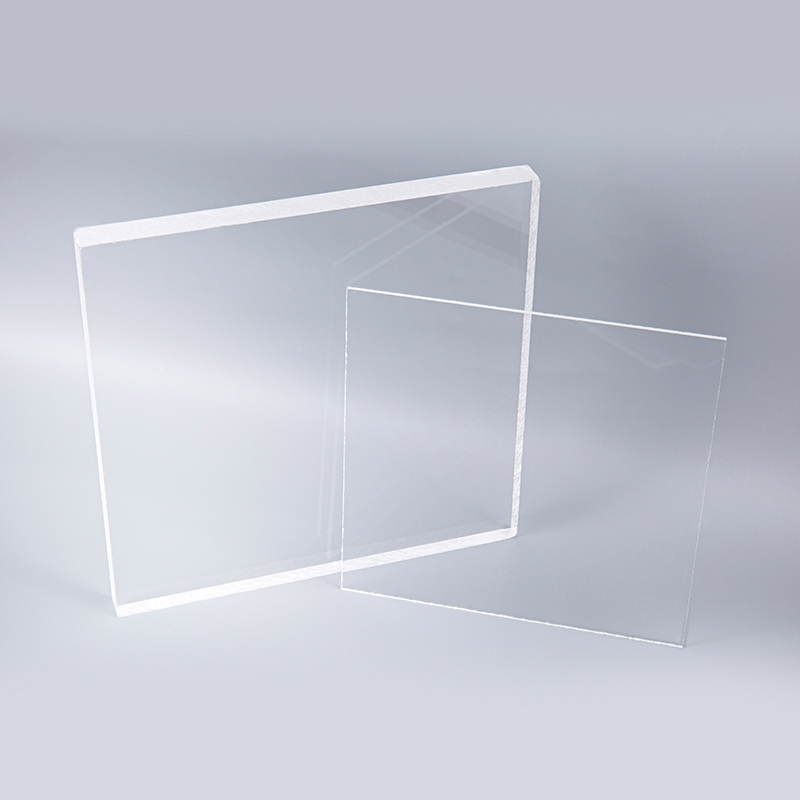
• UV Resistance: Resistant to degradation from UV light, maintains its original color and clarity ov...

