

 English
 عربى
عربى Español
High-Strength Clear Acrylic Sheet
One of Oleg's popular products is the clear acrylic sheet, and our strong production capacity ensure...



Impact resistance is a critical performance parameter for acrylic sheets used in applications ranging from protective barriers and safety glazing to automotive components and architectural installations. While both cast and extruded acrylic offer excellent transparency and weather resistance, the difference in their impact properties is substantial and directly traceable to their molecular architecture. Understanding these technical distinctions is essential for engineers, procurement professionals, and manufacturers who must select the right material for demanding applications where safety and durability are paramount. This article provides a comprehensive technical breakdown of why cast acrylic consistently outperforms extruded acrylic in impact testing, examining the molecular, structural, and processing factors that contribute to this performance advantage.
The fundamental reason for cast acrylic's superior impact resistance lies in its molecular weight and polymer chain structure. During the cell-casting process, liquid methyl methacrylate monomer undergoes slow, controlled polymerization over a period of 24 to 48 hours. This extended reaction time allows for the formation of exceptionally long polymer chains with molecular weights typically ranging from 50,000 to 100,000 g/mol. These extended molecular chains become highly entangled, creating a dense three-dimensional network that effectively absorbs and dissipates impact energy through chain slippage and deformation. Extruded acrylic, by contrast, is manufactured through a continuous process where acrylic pellets are melted and forced through a die at high temperatures. The rapid cooling and limited reaction time result in significantly shorter polymer chains with molecular weights typically ranging from 20,000 to 40,000 g/mol. These shorter chains have fewer entanglements and less capacity for energy absorption, making the material inherently more brittle and susceptible to fracture under sudden impact forces.
The relationship between molecular weight and impact resistance is well-established in polymer science. Higher molecular weight polymers exhibit increased chain entanglement density, which enhances the material's ability to absorb energy through viscoelastic deformation. When an impact force is applied, the entangled chains in cast acrylic can stretch and slide past each other, dissipating the energy over a larger volume of material. This energy dissipation mechanism prevents the formation and propagation of cracks. In extruded acrylic, the shorter chains lack this entanglement network, so impact energy tends to concentrate at localized points, initiating cracks that rapidly propagate through the material. This fundamental difference in molecular architecture explains why cast acrylic consistently achieves impact strengths 30 to 50 percent higher than extruded acrylic in standardized testing.
Internal stress distribution represents another critical factor that significantly influences impact resistance. Cast acrylic exhibits remarkably low internal stress because the polymerization process occurs slowly and uniformly without thermal gradients or mechanical deformation. The cell-casting method allows the material to polymerize in a stress-free environment, where temperature is carefully controlled and no external forces are applied. This results in a homogeneous molecular structure with minimal residual stress throughout the sheet thickness. When an impact occurs, the stress is distributed uniformly across the material volume, allowing the entire sheet to participate in energy absorption. There are no weak points or stress concentrations where cracks can easily initiate. This uniform stress distribution is a key reason why cast acrylic performs reliably in safety-critical applications.
Extruded acrylic, conversely, contains significant residual stresses that are frozen into the material during the extrusion and rapid cooling process. The extrusion process subjects the molten polymer to high shear forces as it passes through the die, creating molecular orientation and differential cooling rates. As the extruded sheet cools rapidly, these oriented molecules become locked in place, creating internal tensions and compressions within the material. When an impact occurs, these frozen-in stress concentrations act as initiation points for cracks. The impact energy is localized at these weak points, dramatically reducing the overall impact resistance of the material. In many cases, extruded acrylic may fail at impact energies well below what its chemical composition would otherwise suggest, simply because of these residual stress concentrations.
Standardized impact testing methods provide quantitative evidence of cast acrylic's superiority. The Izod impact test, which measures the energy required to fracture a notched specimen, consistently shows cast acrylic achieving values of 2.0 to 2.5 kJ/m² at 3mm thickness, while extruded acrylic typically ranges from 1.2 to 1.6 kJ/m². The falling dart impact test, which simulates real-world impact scenarios, reveals even more significant differences. Cast acrylic typically withstands impact energies of 15 to 20 Joules before failure, while extruded acrylic fails at 8 to 12 Joules. This performance gap widens considerably at lower temperatures, where extruded acrylic exhibits a sharp ductile-to-brittle transition below 0°C, while cast acrylic maintains good ductility down to -20°C. The fracture surface analysis provides additional insight into failure mechanisms. Cast acrylic fracture surfaces display a ductile, fibrous appearance with evidence of plastic deformation and chain pull-out, indicating significant energy absorption. Extruded acrylic fracture surfaces are smooth and glassy, characteristic of brittle failure with minimal energy absorption. This distinction is critical for applications where post-failure behavior matters, as cast acrylic tends to crack without producing dangerous fragments.
| Property | Cast Acrylic | Extruded Acrylic |
|---|---|---|
| Molecular Weight | 50,000 – 100,000 g/mol | 20,000 – 40,000 g/mol |
| Izod Impact Strength | 2.0 – 2.5 kJ/m² | 1.2 – 1.6 kJ/m² |
| Falling Dart Impact | 15 – 20 J | 8 – 12 J |
| Low-Temperature Performance | Good to -20°C | Poor below 0°C |
| Fracture Mode | Ductile, fibrous | Brittle, glassy |
| Internal Stress | Low | High |
| Impact Energy Absorption | Superior | Inferior |
The thickness scaling behavior of impact resistance further favors cast acrylic. As sheet thickness increases, the molecular weight advantage of cast material becomes more pronounced because the slower cooling rate inherent to the casting process allows for even more complete polymerization and higher molecular chain lengths throughout the entire sheet thickness. Thicker cast acrylic sheets benefit from extended polymerization times that allow the molecular weight to approach its theoretical maximum. Extruded sheets, limited by the rapid cooling inherent to the continuous extrusion process, cannot achieve the same molecular weight development at any thickness. The thermal history of the material during manufacturing thus creates a fundamental performance gap that widens with increasing sheet thickness. This thickness-dependent performance is particularly important for heavy-duty applications such as safety glazing, machine guards, and ballistic protection systems where thicker sheets are typically required.
For real-world applications where impact resistance matters, the choice between cast and extruded acrylic is clear. Safety glazing for schools, hospitals, and commercial buildings benefits from cast acrylic's superior ability to withstand sudden impacts without shattering. Machine guards and protective screens in industrial environments require the reliability that cast acrylic provides, particularly in high-traffic areas where accidental impacts are common. Riot shields and security barriers demand the impact resistance and safe failure mode that only cast acrylic can offer. In the event of failure, cast acrylic tends to crack without fragmenting, reducing the risk of injury from sharp projectiles. Extruded acrylic, when it fails, often produces sharp, jagged fragments that pose additional hazards. This safety consideration is particularly important in applications involving public safety or high-risk environments. The material's performance characteristics make cast acrylic the preferred choice for demanding applications, just as fashion polyester spandex letter jacquard rib clothing fabric delivers consistent quality and reliability in the textile industry.
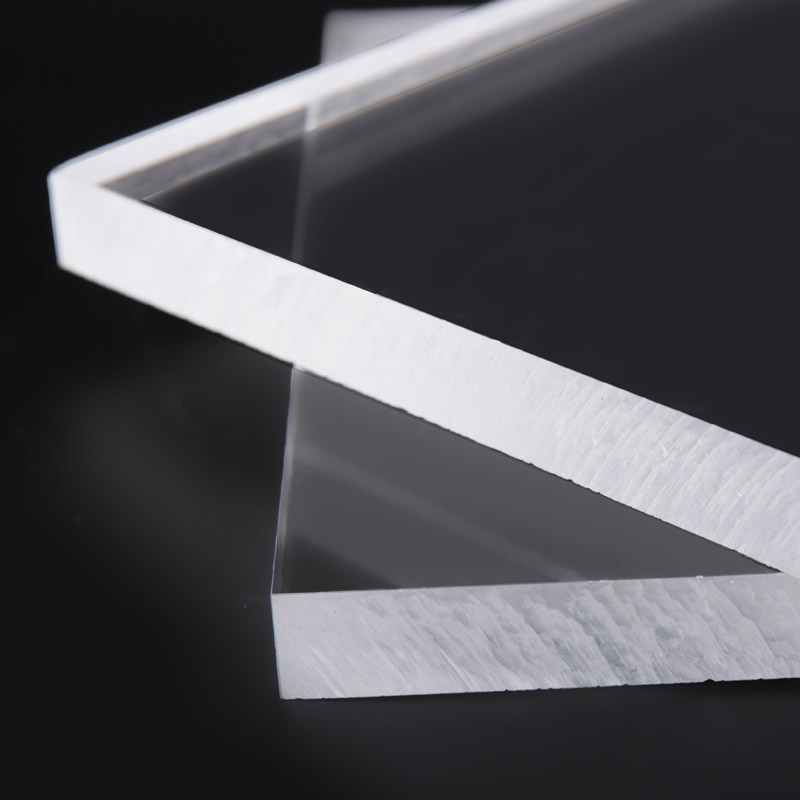
One of Oleg's popular products is the clear acrylic sheet, and our strong production capacity ensure...
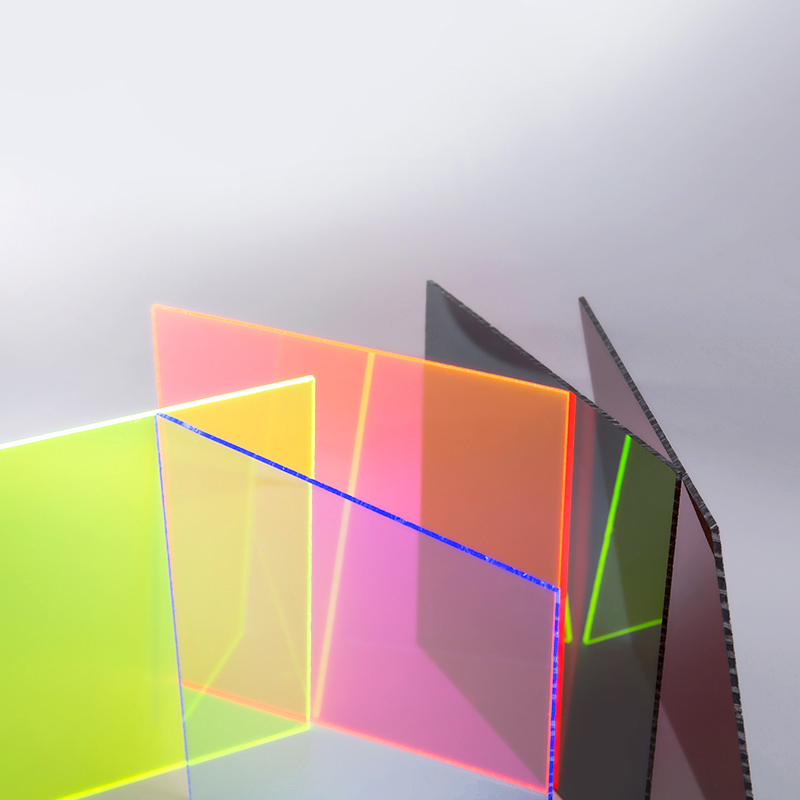
Oleg's products, whose raw material is virgin from Mitsubishi. OLEG is one of the TOP 5 cast acrylic...
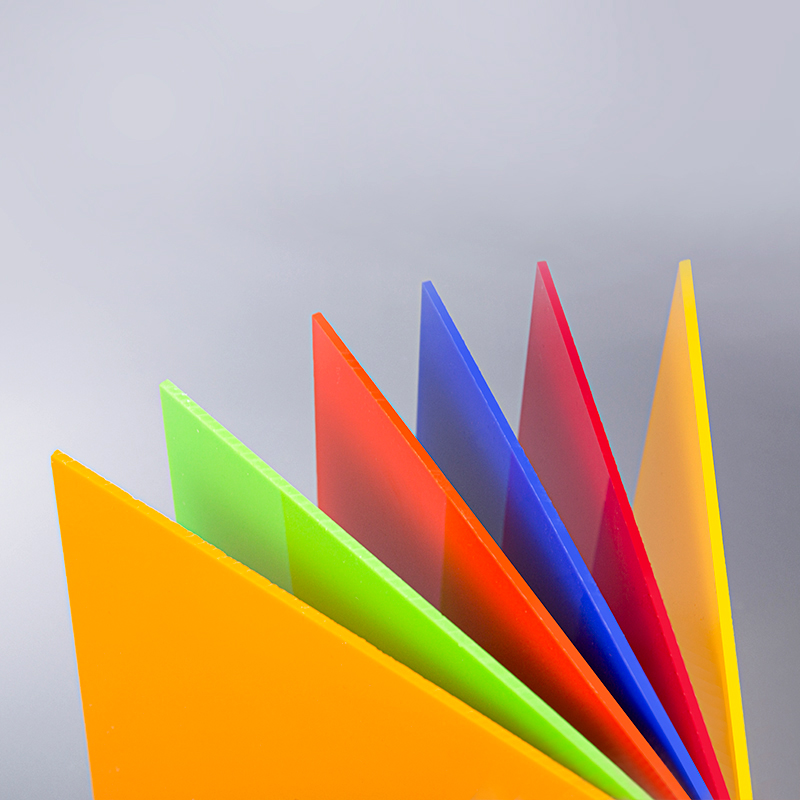
OLEG’s product, whose raw material is virgin from Mitsubishi. The color is highly uniform, pure and...

Golden acrylic sheet has tiny gold glitters in the material, which cause a luxurious effect. • Relia...
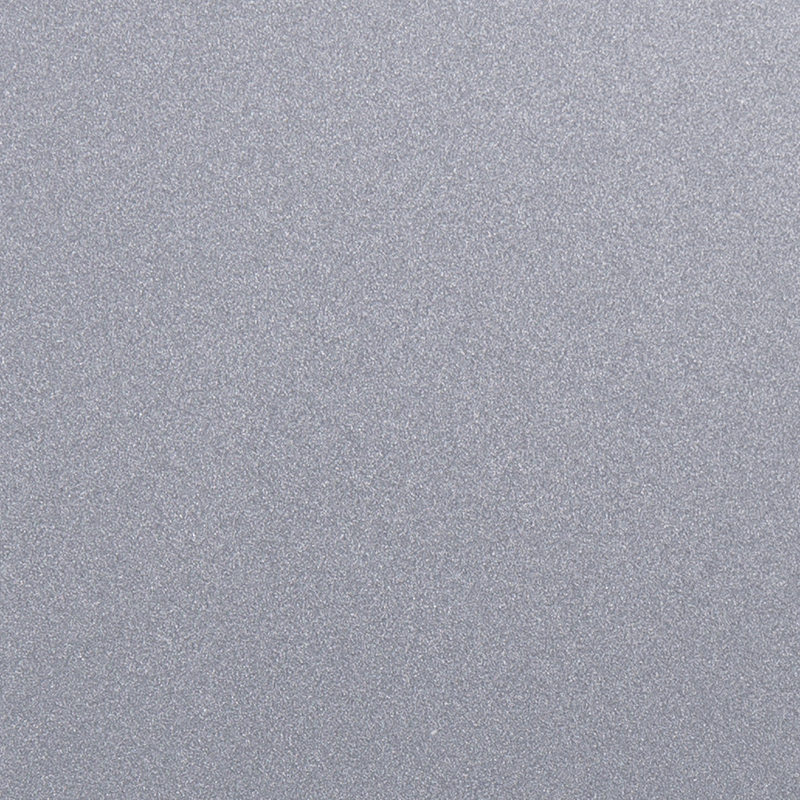
Silver acrylic sheet has tiny silver glitters in the material, which creating an elegant effect. • A...
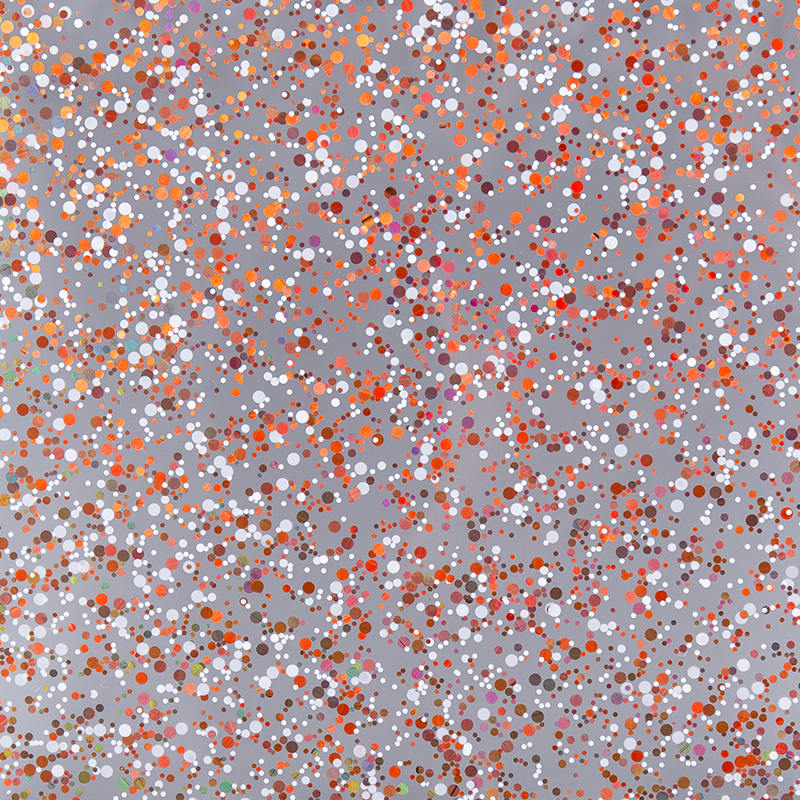
Tiny colored glitters are added to the transparent material to create a colorful and joyful visual e...
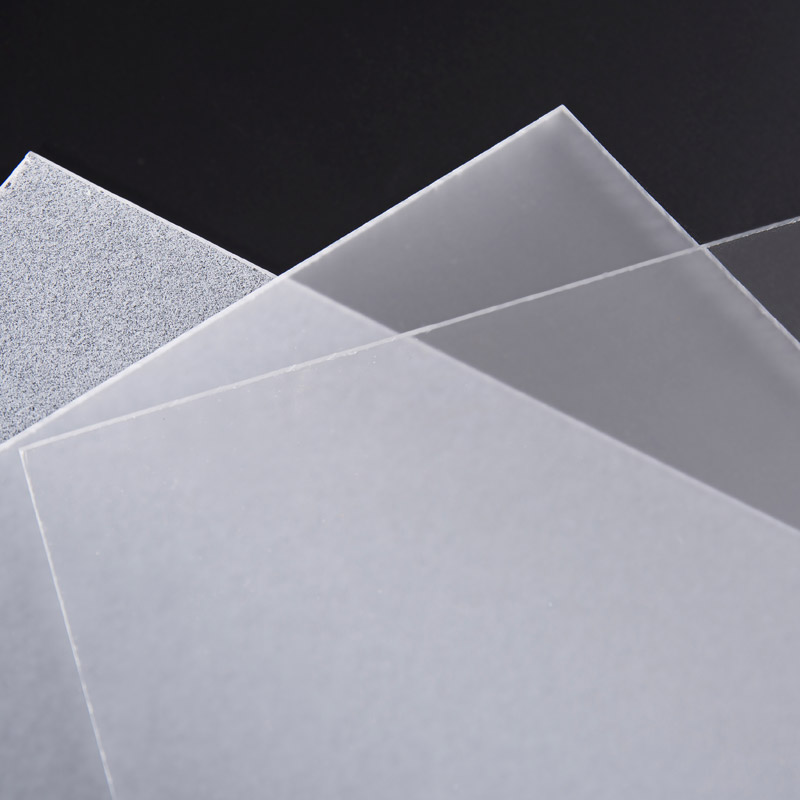
OLEG is a professional manufacturer of cast acrylic sheet, offering high quality products, attractiv...
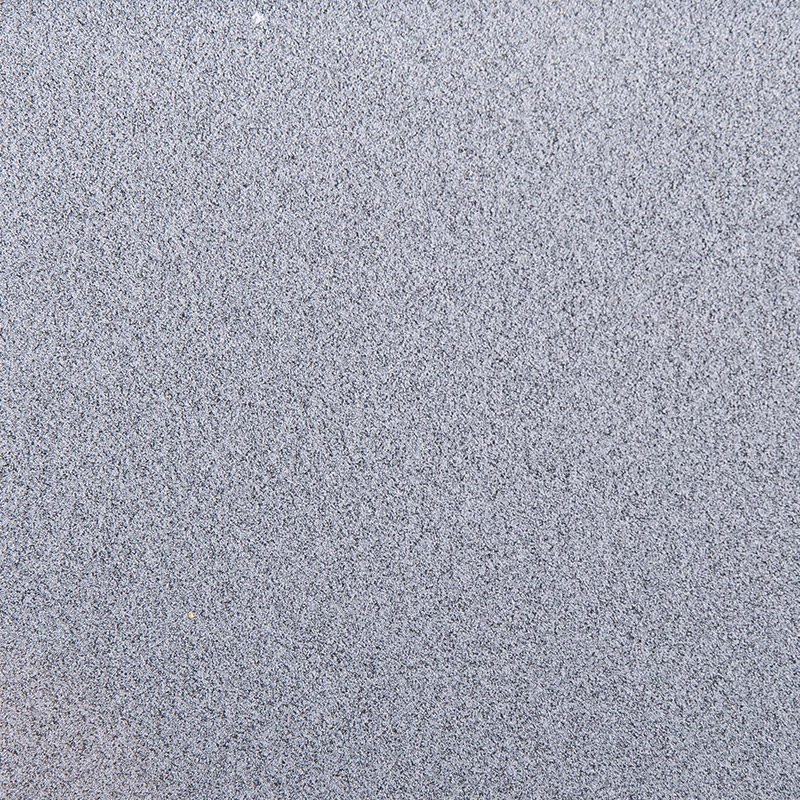
OLEG double side frosted acrylic sheet features a matte finish on both sides. Its modern appearance ...
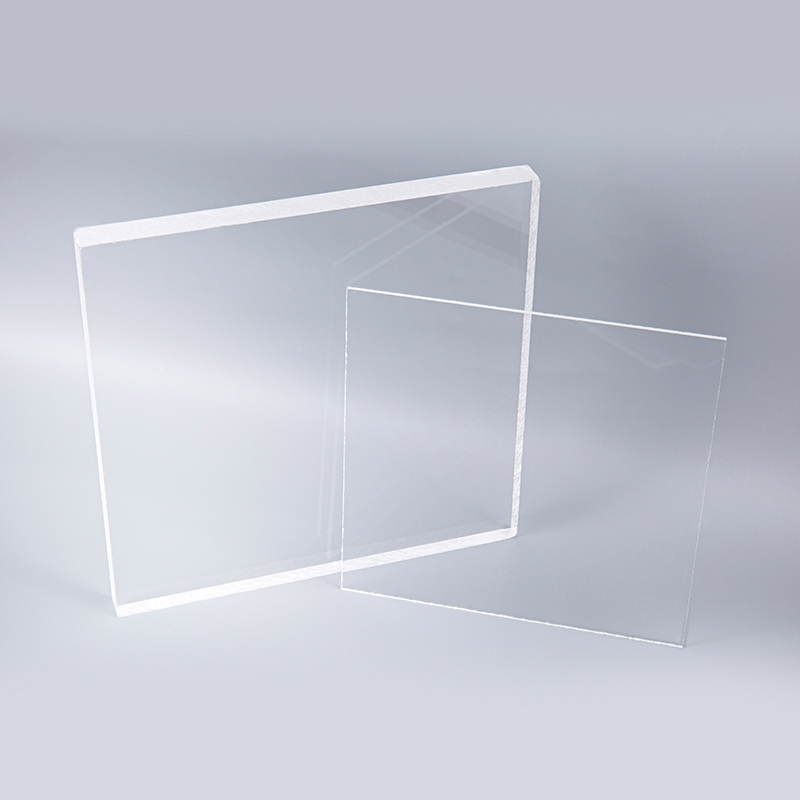
• UV Resistance: Resistant to degradation from UV light, maintains its original color and clarity ov...

