

 English
 عربى
عربى Español
High-Strength Clear Acrylic Sheet
One of Oleg's popular products is the clear acrylic sheet, and our strong production capacity ensure...



Content
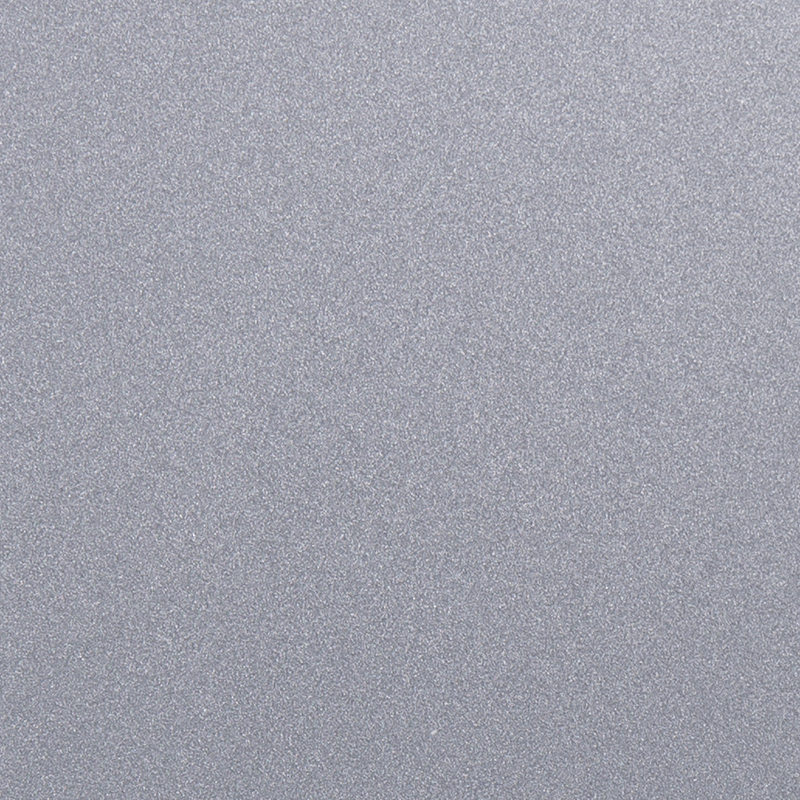
Architects and engineers constantly seek materials that combine structural reliability with aesthetic appeal. A Silver Acrylic Sheet provides an excellent balance of these properties. This material consists of a polymethyl methacrylate substrate combined with a metallic finish. The result is a lightweight panel that mimics the appearance of polished metal. Wholesale buyers prioritize this product for interior fit-outs, retail displays, and architectural partitions. The material offers significant weight savings compared to traditional sheet metal.
The production process dictates the final performance of the panel. Manufacturers typically apply the silver metallic coating to the back of a clear acrylic substrate. This specific placement protects the reflective layer from physical abrasion and chemical contact. The clear front surface retains the standard hardness of polymethyl methacrylate.
Thickness directly impacts the rigidity and impact resistance of the panel. Procurement specialists must match the thickness to the structural requirements of the application. Thinner panels flex easily and require continuous support. Thicker panels can span larger distances with minimal framing.
Unlike clear acrylic, these metallic panels block most visible light. The silver backing reflects ambient light effectively. Standard silver panels typically transmit less than five percent of visible light. This optical property makes them ideal for concealing wiring or unsightly wall structures behind a reflective facade. Engineers use this low transmission rate to create defined lighting zones in commercial spaces.
Commercial installations demand materials that withstand environmental stressors. The performance of the silver coating under various conditions dictates the lifespan of the installation.
Ultraviolet radiation degrades many polymers over time. Prolonged sun exposure causes standard plastics to yellow and become brittle. High-quality silver panels incorporate UV stabilizers into the substrate. These additives absorb harmful radiation before it breaks the polymer chains. Furthermore, the opaque silver coating blocks UV rays from penetrating the back surface. This dual protection mechanism significantly extends the service life of the panel in exterior facades or sunlit atriums.
The front surface of the sheet faces the highest risk of physical damage. Polymethyl methacrylate has a moderate inherent hardness. It resists scratches better than polycarbonate but softer than glass. Facility managers often apply a hard-coat treatment to the exposed surface. This secondary coating increases the surface hardness and prevents cleaning abrasions from dulling the reflective finish.
Designers often compare metallic acrylic to other reflective building materials. The most common comparison involves architectural glass and aluminum composite materials.
Both materials serve as lightweight reflective panels. However, their structural behaviors differ significantly. Acrylic is a homogeneous thermoplastic. Aluminum composite consists of two thin metal sheets bonded to a polyethylene core. The manufacturing processes and forming limitations dictate their respective use cases.
| Property | Silver Acrylic Sheet | Aluminum Composite |
| Density | Approx 1.2 g/cm3 | Approx 2.7 g/cm3 |
| Forming Method | Thermal bending | Cold bending or routing |
| Impact Behavior | Shatters on hard impact | Dents without shattering |
| Surface Repair | Polishing possible | Replacement required |
Fabricators must use specific techniques to process metallic acrylic without damaging the finish. Standard woodworking tools work well, but operators must adjust feed rates and cutting speeds.
Thermoplastic materials melt when cutting tools generate excessive friction. Fabricators should use carbide-tipped bits with a straight flute design. These bits expel chips efficiently and reduce heat buildup. Compressed air cooling prevents the silver backing from blistering near the cut edge. CNC routers provide the most precise results for complex geometries. Operators must always remove the protective masking film before routing to prevent the tool from catching the plastic film.
Thermal forming allows fabricators to create curved architectural elements. The process requires a strip heater to raise the temperature of the bend line. The target temperature usually ranges between 150 and 160 degrees Celsius. The material becomes pliable at this temperature. Operators must bend the sheet evenly to avoid optical distortion in the silver coating. Immediate clamping against a jig ensures the material retains the desired curvature upon cooling.
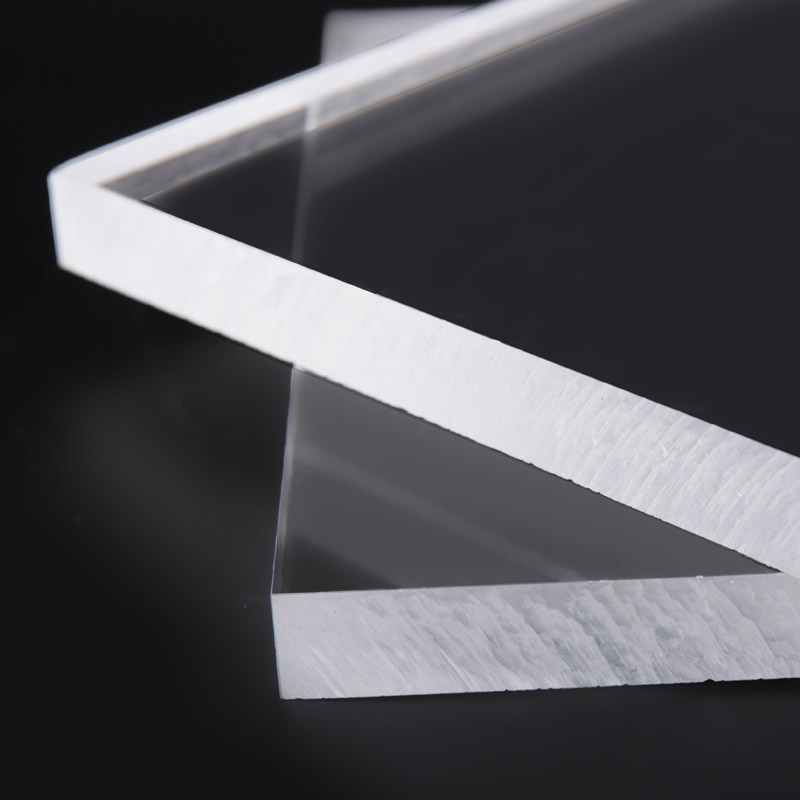
One of Oleg's popular products is the clear acrylic sheet, and our strong production capacity ensure...
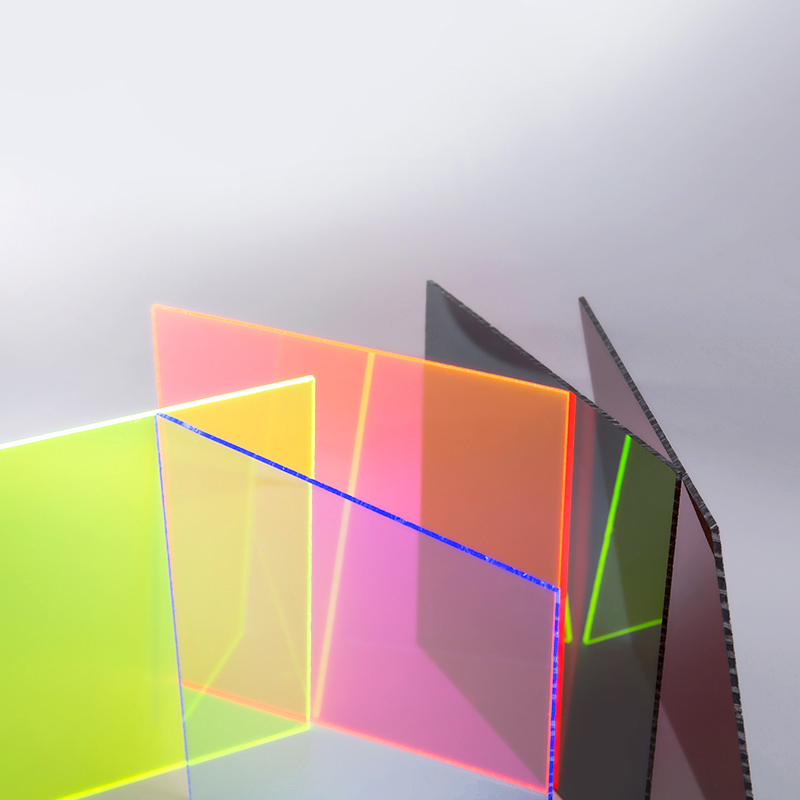
Oleg's products, whose raw material is virgin from Mitsubishi. OLEG is one of the TOP 5 cast acrylic...
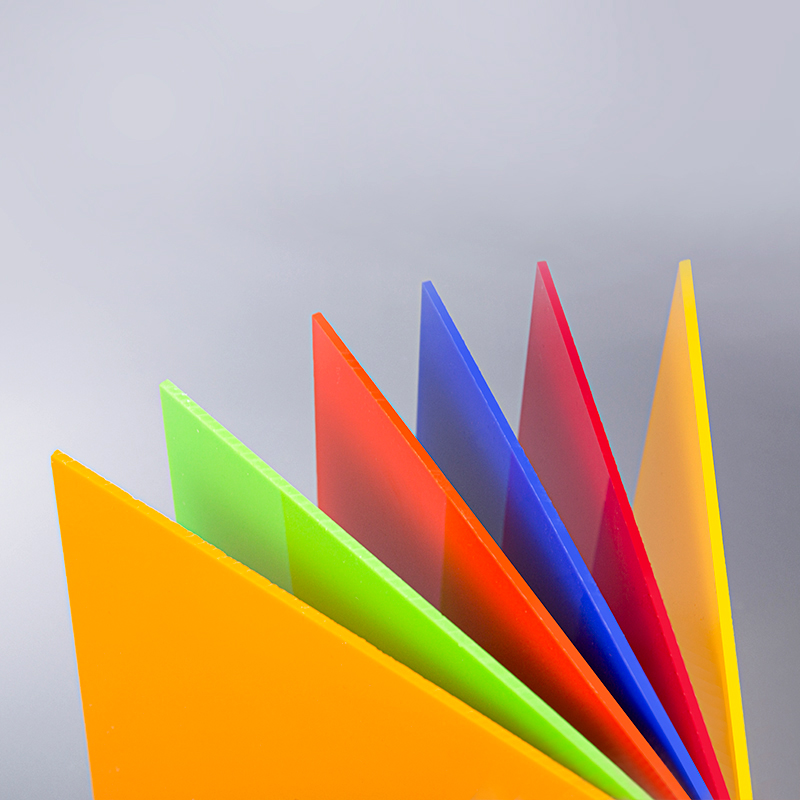
OLEG’s product, whose raw material is virgin from Mitsubishi. The color is highly uniform, pure and...
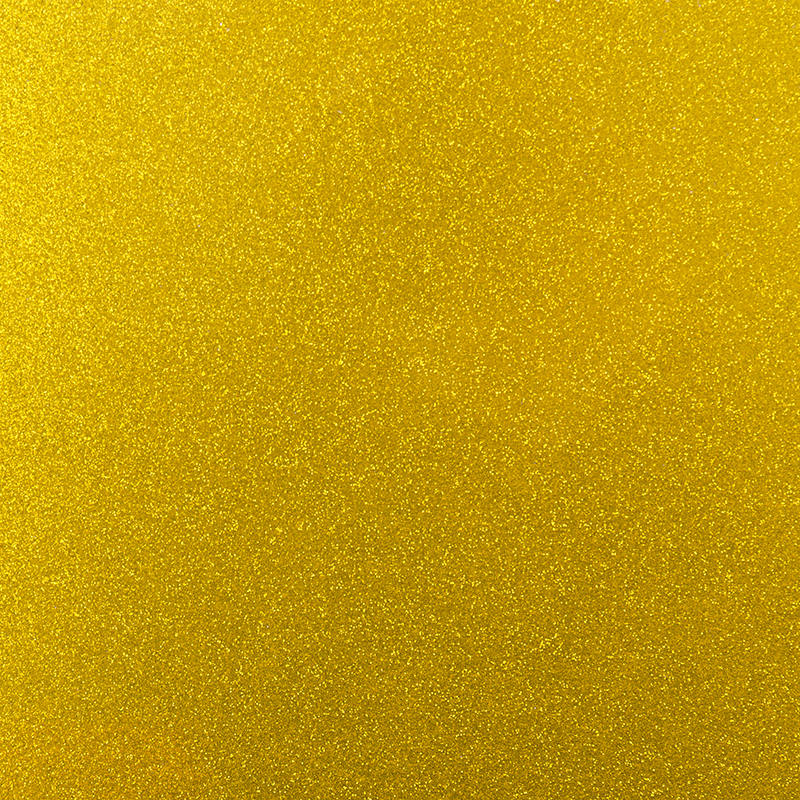
Golden acrylic sheet has tiny gold glitters in the material, which cause a luxurious effect. • Relia...
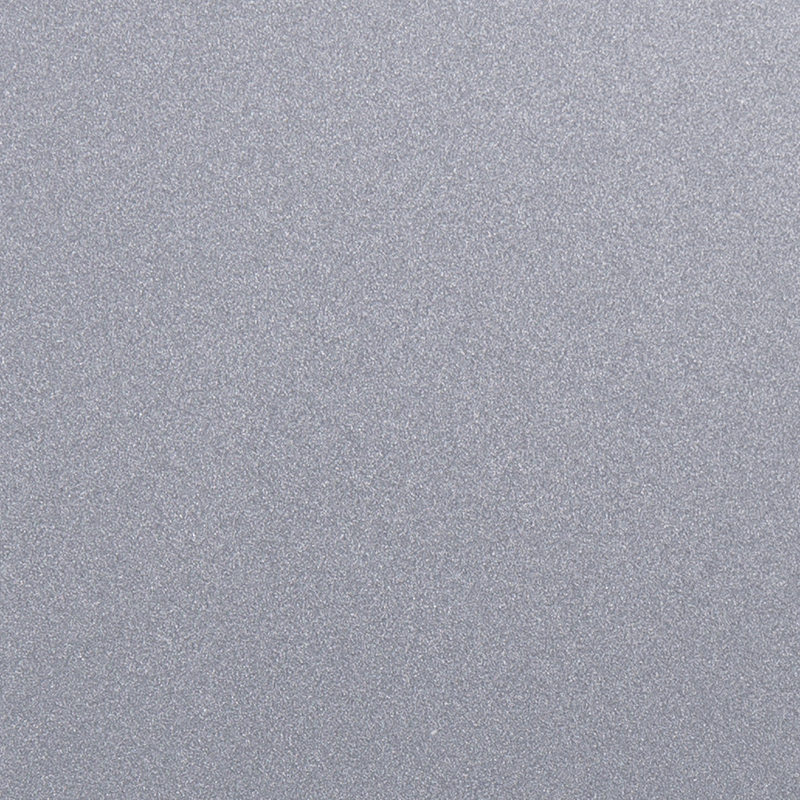
Silver acrylic sheet has tiny silver glitters in the material, which creating an elegant effect. • A...
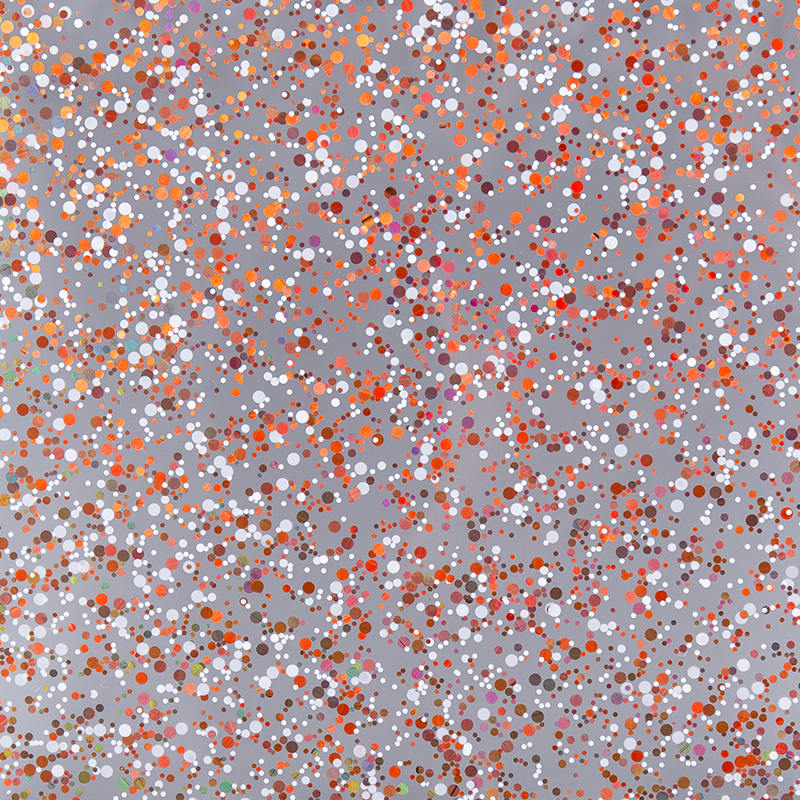
Tiny colored glitters are added to the transparent material to create a colorful and joyful visual e...
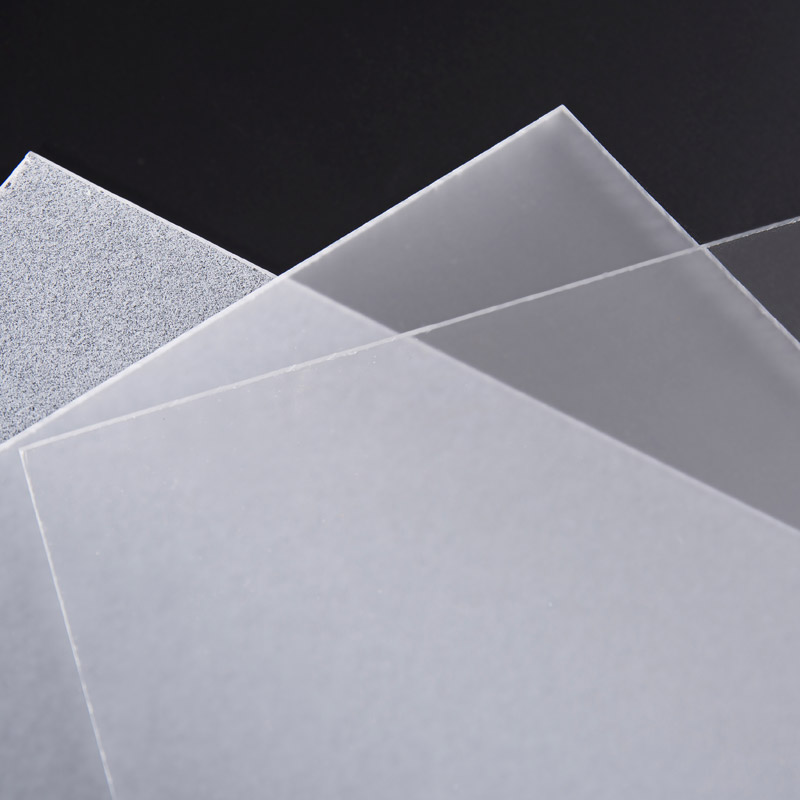
OLEG is a professional manufacturer of cast acrylic sheet, offering high quality products, attractiv...
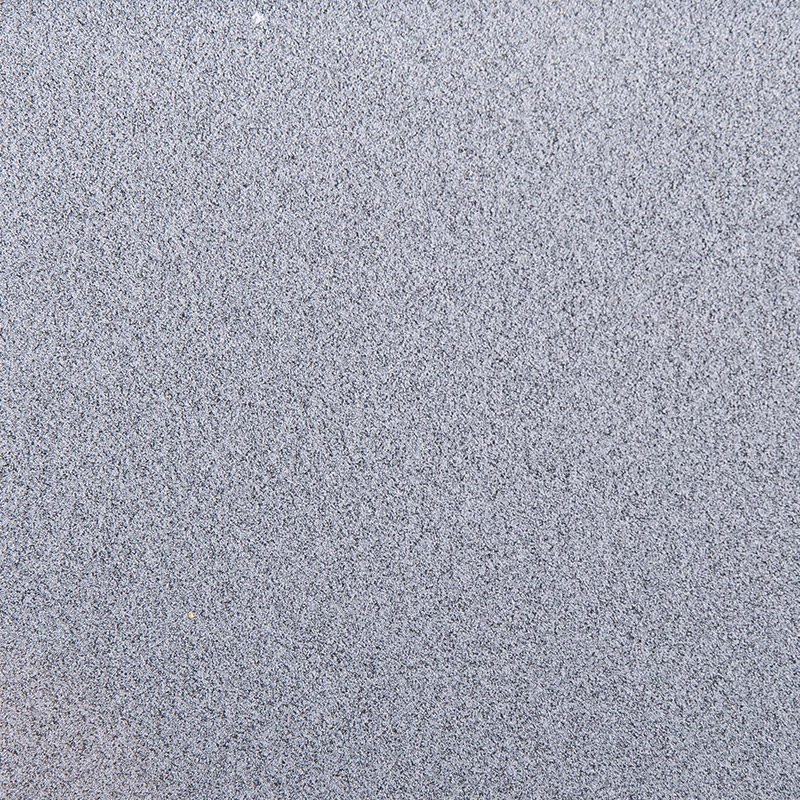
OLEG double side frosted acrylic sheet features a matte finish on both sides. Its modern appearance ...
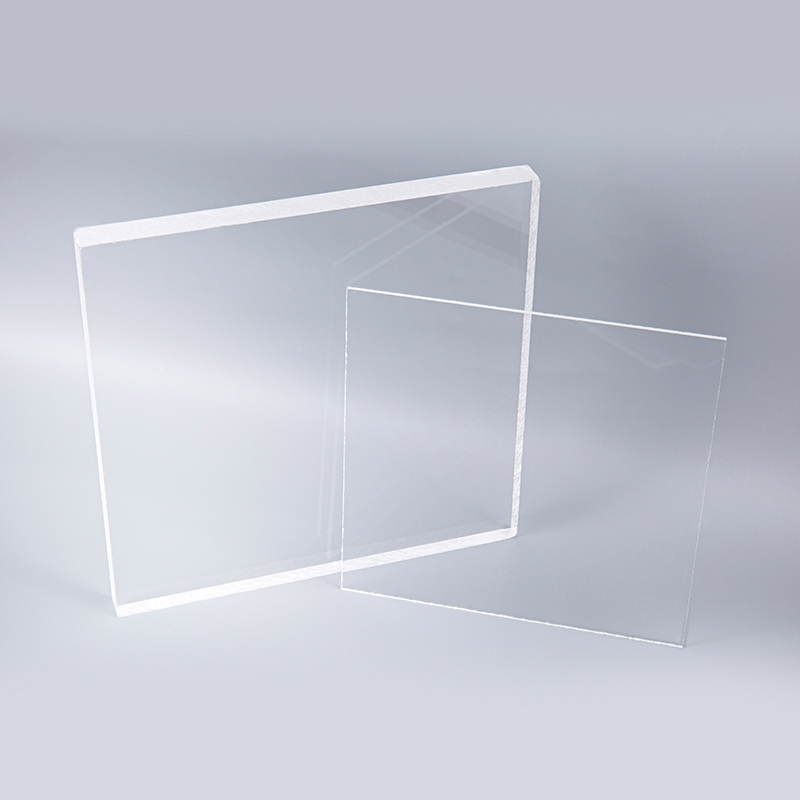
• UV Resistance: Resistant to degradation from UV light, maintains its original color and clarity ov...

