

 English
 عربى
عربى Español
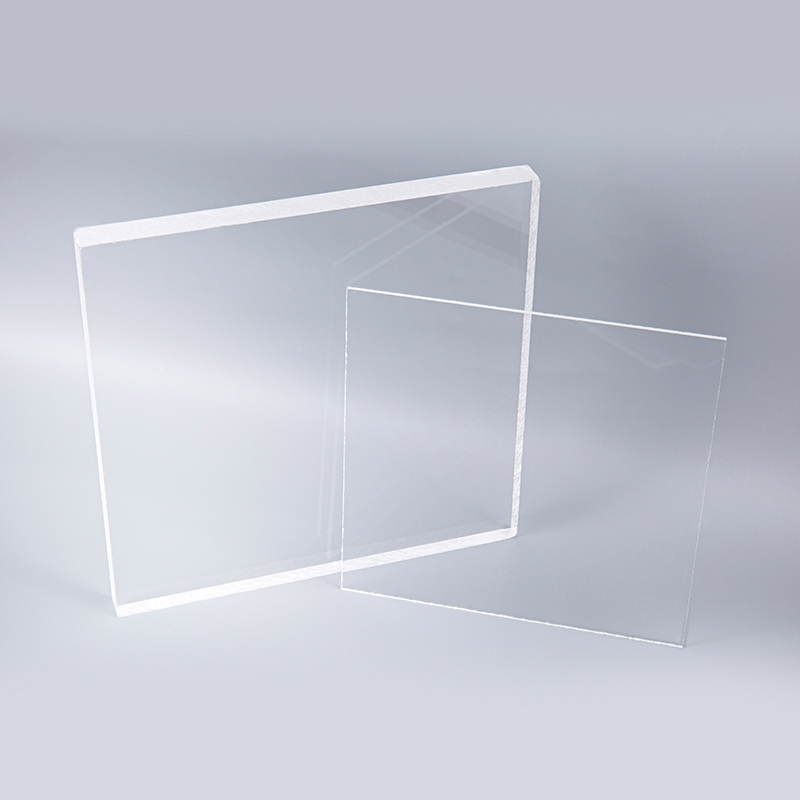
High-Strength Clear Acrylic Sheet
One of Oleg's popular products is the clear acrylic sheet, and our strong production capacity ensure...



Content
Direct Conclusion: Cast acrylic sheet offers thicknesses from 0.8mm (film grades) to 100mm (architectural glazing), with 1.5mm-25mm most common for fabrication. Optical clarity achieves 92% total light transmission (higher than glass at 89%) with 0.5% haze for clear grades. Compatible fabrication methods: laser cutting (1-25mm), CNC routing, diamond drilling, and thermoforming at 150-180°C. Thinner sheets (1-5mm) suit display cases; thicker (15-50mm) used for aquariums and machine guards.
Cast acrylic sheet (polymethyl methacrylate, PMMA) is manufactured by cell casting between glass plates, producing material with superior optical clarity and stress resistance compared to extruded acrylic. The casting process yields consistent thickness, better chemical resistance, and excellent thermoforming properties. For complete technical data sheets and color options, visit the cast acrylic sheet product catalog.
Cast acrylic sheet is available in nominal thicknesses from 0.8mm up to 100mm. Actual thickness tolerance for cast sheet is ±5% (versus ±10% for extruded), allowing precise fabrication. Standard sheet sizes: 1220 x 2440 mm, 1524 x 3048 mm, and 2032 x 3048 mm.
| Thickness Range | Typical Applications | Fabrication Method | Weight (kg/m²) |
|---|---|---|---|
| 0.8 - 1.5 mm | Display windows, membrane switch overlays, photo frames | Laser cut, die cutting | 1.0 - 1.9 kg |
| 2 - 5 mm | Point-of-purchase displays, picture frames, light panels | Laser/CNC, bending, gluing | 2.4 - 5.9 kg |
| 6 - 10 mm | Signage, shelving, machine guards, shower screens | CNC routing, drilling, polishing | 7.1 - 11.9 kg |
| 12 - 20 mm | Aquariums, security glazing, furniture, reception counters | Saw cutting, edge bonding, thermoforming | 14.3 - 23.8 kg |
| 25 - 50 mm | Large aquariums, bullet-resistant glazing, optical components | Water jet, multi-pass saw, annealing required | 29.8 - 59.5 kg |
| 60 - 100 mm | Deep-sea viewing windows, nuclear shielding, optical lenses | Specialized water jet, diamond tools, stress relieving | 71.4 - 119 kg |
Cast acrylic is more fabrication-friendly than extruded acrylic due to lower internal stress and wider molecular weight distribution. Below are the primary methods with specific parameters.
Critical fabrication rule: Anneal cast acrylic before machining if material has visible stress (birefringence under polarized light). Heat at 80°C for 2 hours per 10mm thickness, then cool 1 hour per 5mm thickness.
Cast acrylic is ideal for thermoforming because the amorphous polymer structure allows even heating and stretching. Key parameters:
Cast acrylic offers the highest optical clarity among transparent plastics, exceeding glass for specific metrics:
| Optical Property | Cast Acrylic (3mm) | Glass (3mm float) | Extruded Acrylic (3mm) |
|---|---|---|---|
| Total Light Transmission (visible) | 92% | 89-91% | 91% |
| Haze (clear grade) | 0.5% | 0.2-0.5% | 0.8-1.2% |
| Refractive Index (nd) | 1.491 | 1.523 | 1.490 |
| UV Transmission (350nm) | 3% (UV blocking grade available) | 85% (without coating) | 5% |
| Yellowness Index (after 1000h QUV) | ΔYI < 2.0 | ΔYI < 0.5 | ΔYI 4-6 |
Cast acrylic outperforms extruded acrylic in optical clarity due to absence of residual stress lines (extruded sheets show parallel flow lines under polariscope). For display applications, cast acrylic provides crystal-clear edges when laser cut, whereas extruded can develop micro-cracks at cut edges.
For premium display and signage applications, edge finish quality determines perceived product value.
For detailed fabrication guidelines, optical test reports, and material selection for specific applications, explore the complete cast acrylic sheet range. Technical support for laser cutting parameters, thermoforming tool design, and bonding methods is available. Standard sheets (3mm, 5mm, 10mm) ship within 48 hours; custom thicknesses and sizes require 10-14 working days.
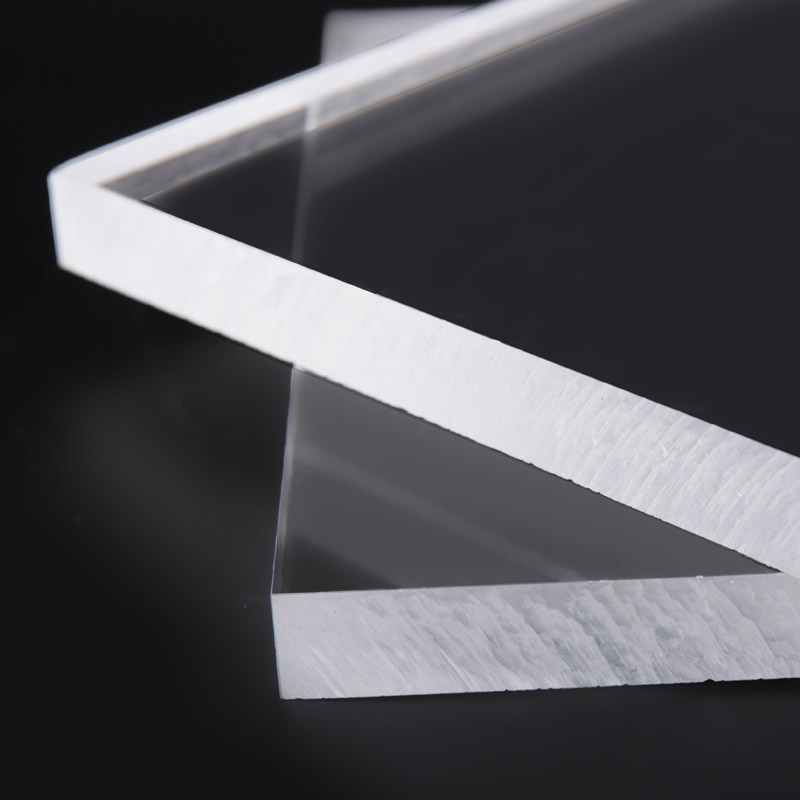
One of Oleg's popular products is the clear acrylic sheet, and our strong production capacity ensure...
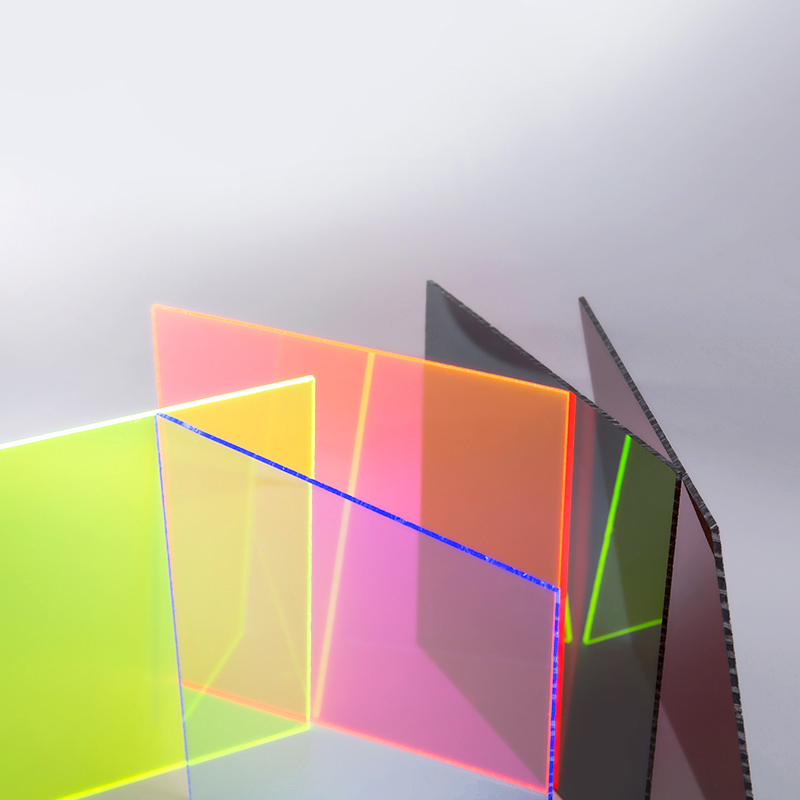
Oleg's products, whose raw material is virgin from Mitsubishi. OLEG is one of the TOP 5 cast acrylic...
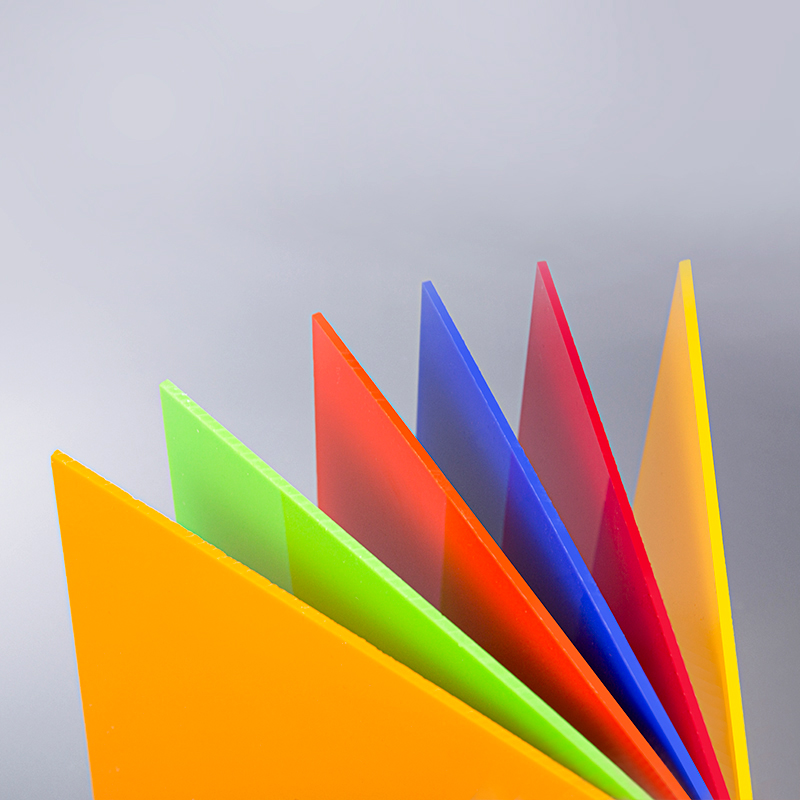
OLEG’s product, whose raw material is virgin from Mitsubishi. The color is highly uniform, pure and...
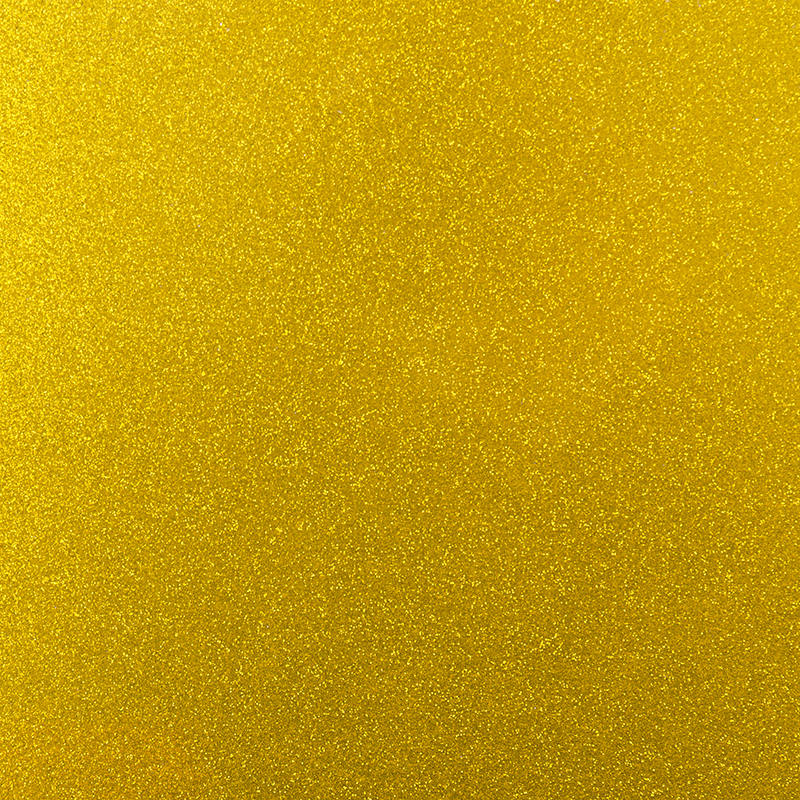
Golden acrylic sheet has tiny gold glitters in the material, which cause a luxurious effect. • Relia...
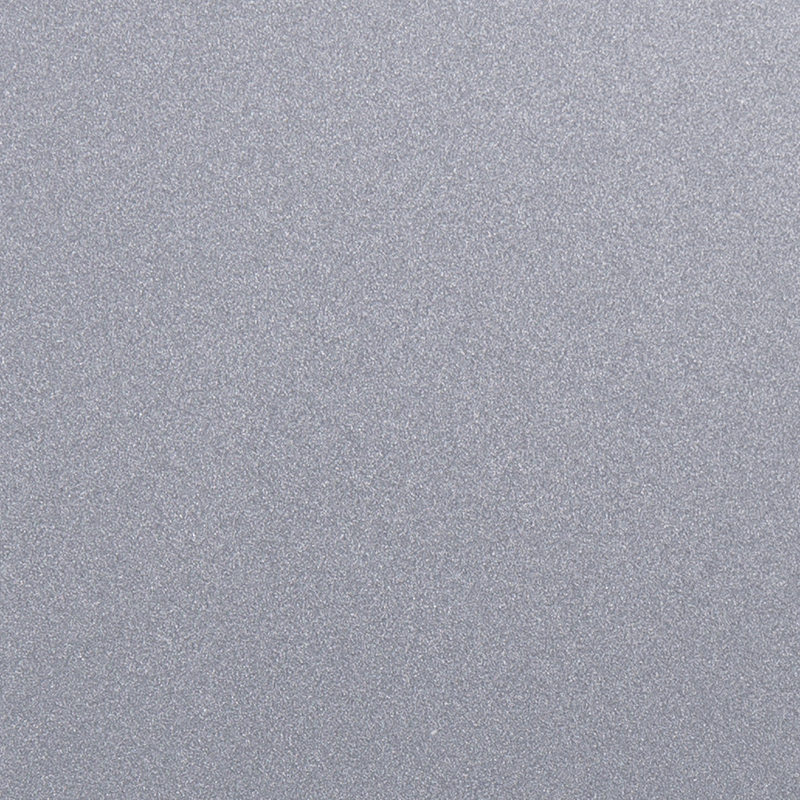
Silver acrylic sheet has tiny silver glitters in the material, which creating an elegant effect. • A...
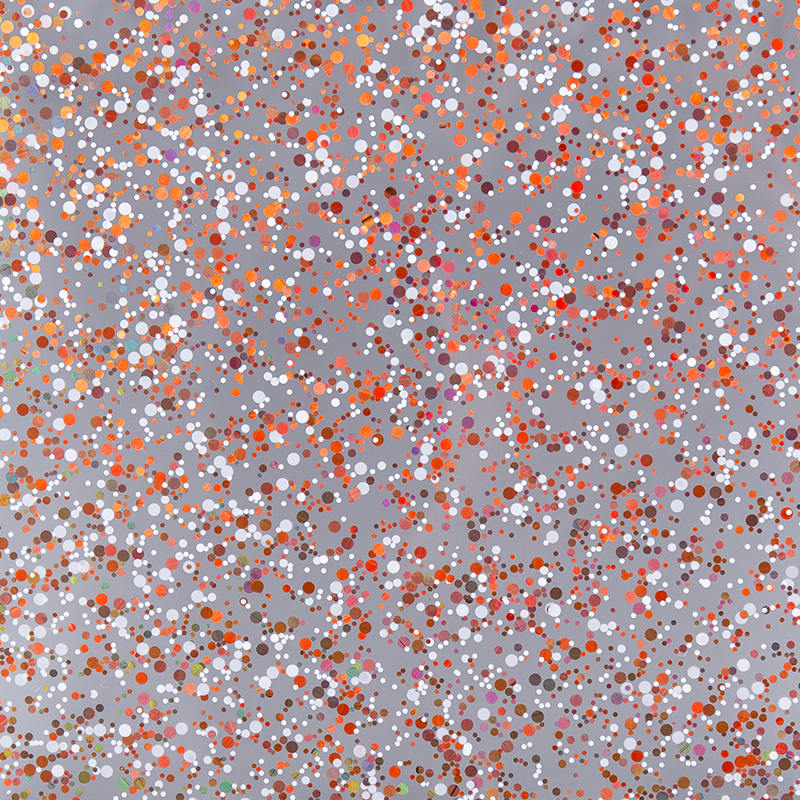
Tiny colored glitters are added to the transparent material to create a colorful and joyful visual e...
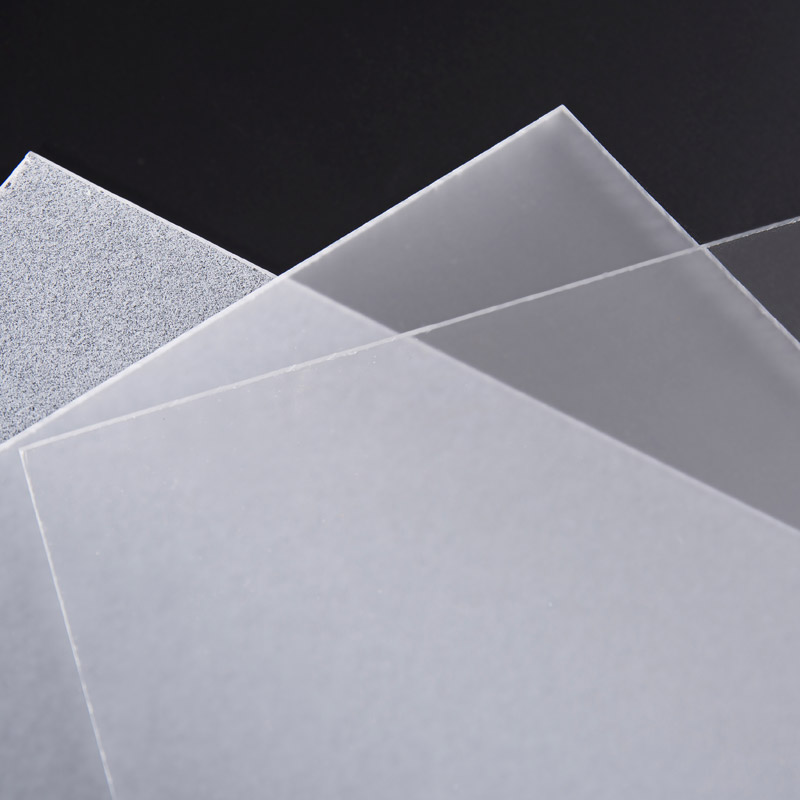
OLEG is a professional manufacturer of cast acrylic sheet, offering high quality products, attractiv...
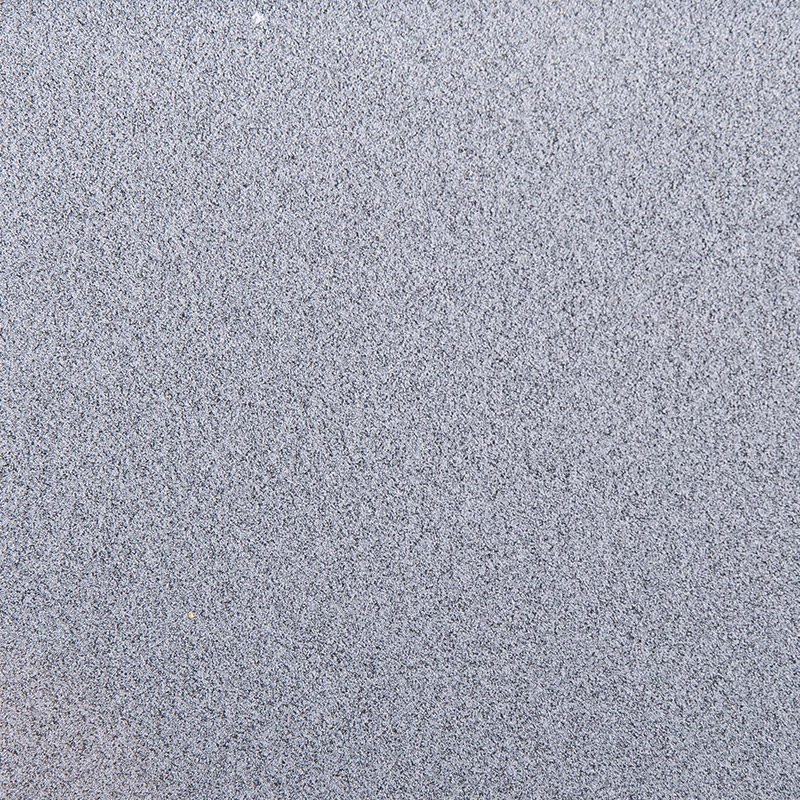
OLEG double side frosted acrylic sheet features a matte finish on both sides. Its modern appearance ...
• UV Resistance: Resistant to degradation from UV light, maintains its original color and clarity ov...

