

 English
 عربى
عربى Español
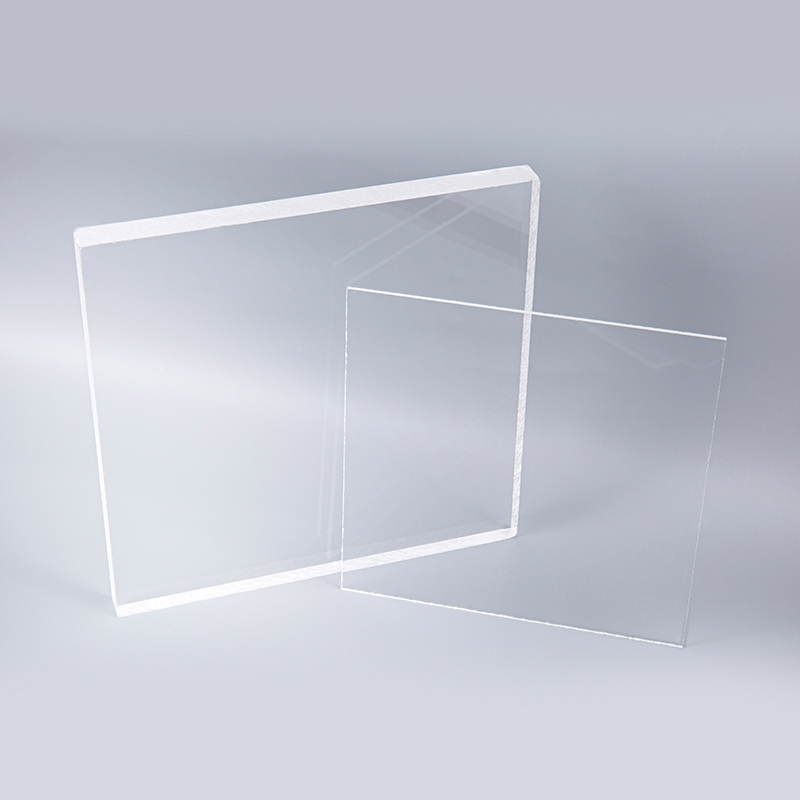
High-Strength Clear Acrylic Sheet
One of Oleg's popular products is the clear acrylic sheet, and our strong production capacity ensure...



Content
1. The adhesion grade of the vacuum-metallized layer on Golden Acrylic Sheet is the primary determinant of its resistance to delamination when subjected to mechanical friction in retail displays.
2. In assessing how metallization adhesion impacts Golden Acrylic Sheet durability, engineers utilize the ISO 2409 cross-cut test to quantify the bond strength between the PMMA substrate and the evaporated aluminum-gold alloy coating.
3. For Golden Acrylic Sheet, achieving an adhesion classification of GT0 or GT1 ensures that less than 5 percent of the metallic surface is removed under rigorous tape-pull testing.
4. Analyzing the impact of backing paint on Golden Acrylic Sheet longevity reveals that the chemical formulation of the protective rear coating prevents moisture ingress, which is the leading cause of oxidation and "black edge" defects in mirrored acrylics.
1. Why spectral reflectivity of Golden Acrylic Sheet matters for retail involves the material's ability to maintain a consistent L*a*b* color value under various Correlated Color Temperature (CCT) sources, such as 3000K warm LEDs or 5000K daylight.
2. Investigating how Golden Acrylic Sheet maintains color consistency shows that high-purity gold-toned PVD (Physical Vapor Deposition) coatings provide a stable reflectance curve across the 580nm to 700nm visible spectrum.
3. In a Golden Acrylic Sheet installation, the tensile strength of the cast PMMA base (typically 75 MPa) provides the necessary rigidity to support large-scale wall panels without surface distortion or "oil-canning" effects.
4. Achieving a mirror-grade Ra surface finish is critical for high-end retail; any micro-irregularities in the PMMA substrate are magnified by the metallic layer, necessitating a substrate roughness profile below 0.03 micrometers.
1. Does the backing paint chemistry prevent edge delamination? Specifically formulated solvent-resistant paints protect the metallic layer from the heat-affected zone (HAZ) generated during high-wattage CO2 laser cutting.
2. Testing the scratch resistance of Golden Acrylic Sheet involves Taber abrasion cycles; for high-traffic environments, an additional UV-cured hard coating is often applied to increase the Mohs hardness of the surface.
3. Comparing cast vs extruded Golden Acrylic Sheet for laser precision demonstrates that cell-cast versions exhibit lower internal stress, which significantly reduces the risk of micro-cracking at the cut edges during tensile strength loading.
4. Fastener and Structural Performance Matrix:
| Engineering Metric | Standard Gold-Painted Plastic | Premium Golden Acrylic Sheet (PVD) |
| ISO 2409 Adhesion Grade | GT3 - GT4 | GT0 - GT1 |
| Specular Reflectance | ~75 percent | >85 percent |
| Thermal Stability (Tg) | ~85 degrees Celsius | ~105 degrees Celsius |
| Surface Hardness (Pencil) | B - HB | 2H - 3H (with hard-coat) |
1. Analyzing the oxidation rate of Golden Acrylic Sheet in saline environments is essential for coastal retail installations; the density of the vacuum-metallized layer determines its permeability to corrosive chloride ions.
2. Optimizing the flexural modulus of Golden Acrylic Sheet for 3D lettering allows designers to thermoform the material into complex shapes without causing "whitening" or cracking of the gold metallic layer.
3. Achieving long-term UV stability in metallic acrylics requires the PMMA substrate to be manufactured with specialized UV-absorbers that prevent the polymer from yellowing, which would otherwise alter the perceived hue of the gold finish.
1. Does the gold color on the Golden Acrylic Sheet fade over time?
The color is derived from a stable metallic alloy deposited via PVD. Fading is rare; however, if the adhesion grade of the vacuum-metallized layer on Golden Acrylic Sheet is poor, the layer may peel, or the backing paint may oxidize, leading to a loss of reflectivity.
2. Can I use standard glass cleaners on Golden Acrylic Sheet?
Standard ammonia-based cleaners can cause stress crazing in PMMA. It is recommended to use specialized acrylic cleaners and microfiber cloths to preserve the Ra surface finish and prevent micro-scratching.
3. How does laser cutting affect the gold edge?
If the laser power is too high, it can vaporize the metallic layer faster than the PMMA, causing a "recessed" edge. Correct focal length and air assist settings are required to maintain a flush, clean gold edge.
4. Is Golden Acrylic Sheet suitable for outdoor signage?
While highly durable, mirrored acrylics are sensitive to edge-moisture. For outdoor use, the edges should be sealed with a neutral-cure silicone to prevent the "black edge" oxidation of the metallized layer.
5. What is the difference between "Rose Gold" and standard "Golden" acrylic?
The difference lies in the specific alloy ratios used during the vacuum metallization process, which shifts the spectral reflectance curve toward the red/pink wavelengths (approx. 600nm-630nm).
1. ISO 2409: Paints and varnishes — Cross-cut test for adhesion.
2. ASTM D3359: Standard Test Methods for Rating Adhesion by Tape Test.
3. ISO 7823-1: Plastics — Poly(methyl methacrylate) sheets — Cast PMMA specifications.
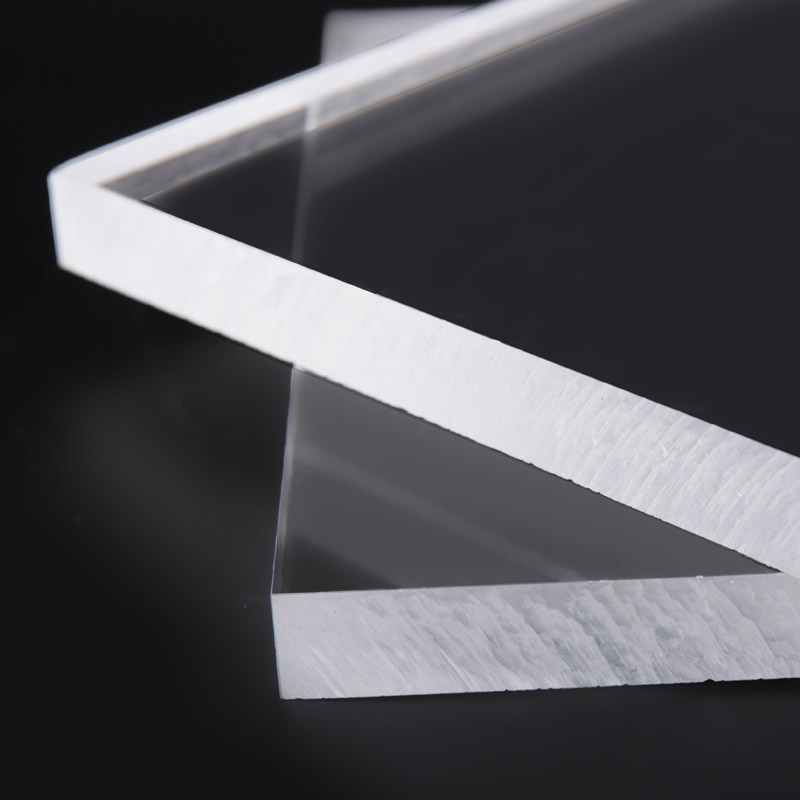
One of Oleg's popular products is the clear acrylic sheet, and our strong production capacity ensure...
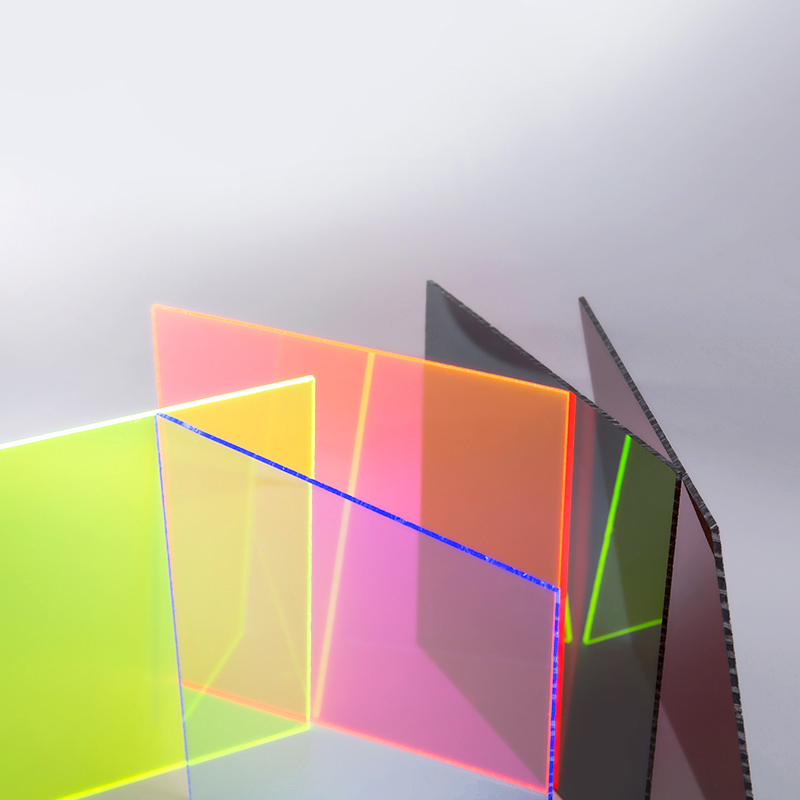
Oleg's products, whose raw material is virgin from Mitsubishi. OLEG is one of the TOP 5 cast acrylic...
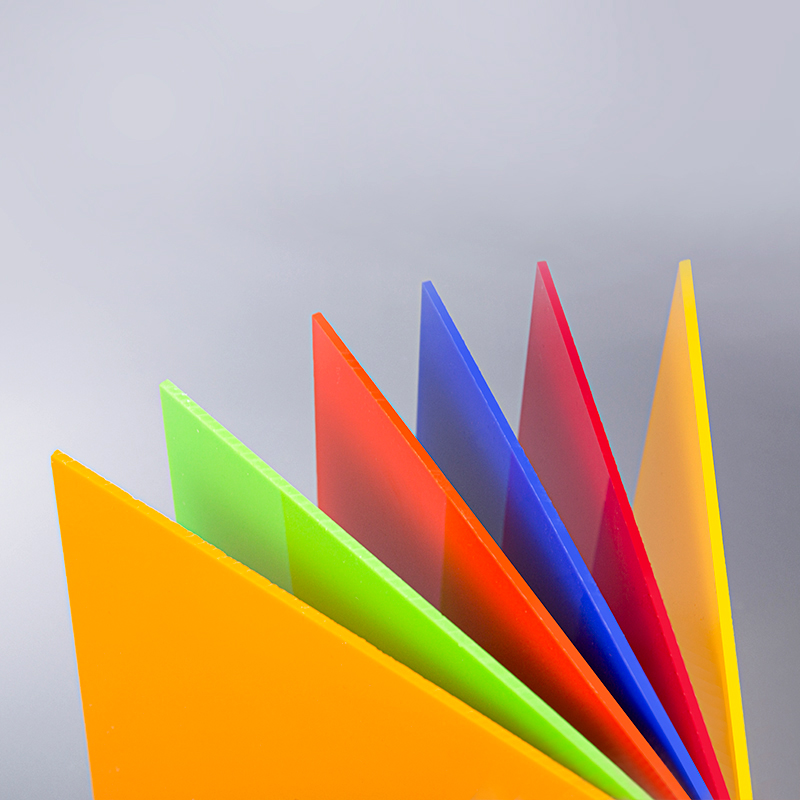
OLEG’s product, whose raw material is virgin from Mitsubishi. The color is highly uniform, pure and...
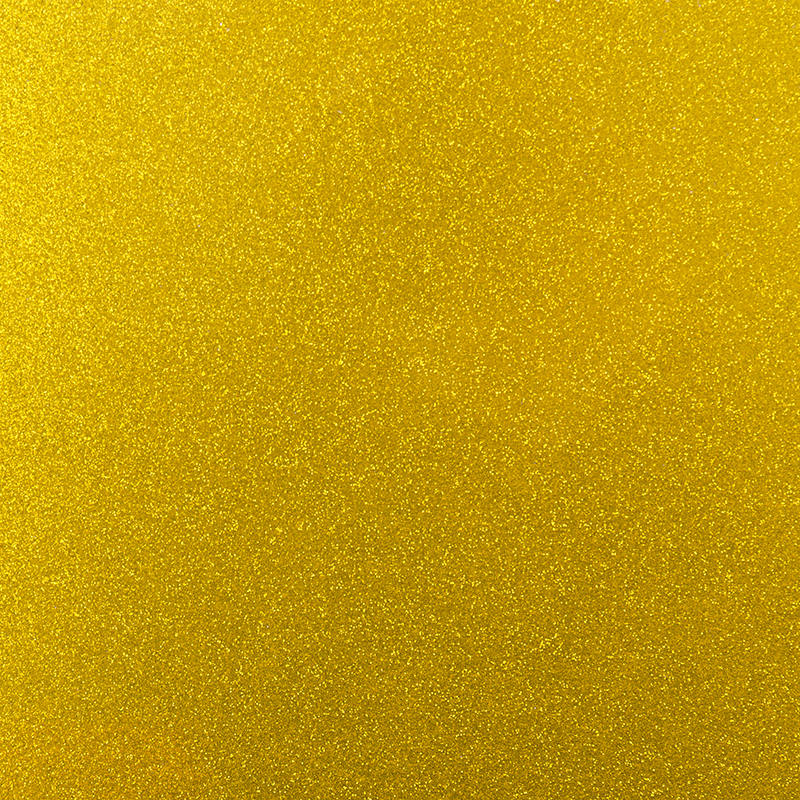
Golden acrylic sheet has tiny gold glitters in the material, which cause a luxurious effect. • Relia...
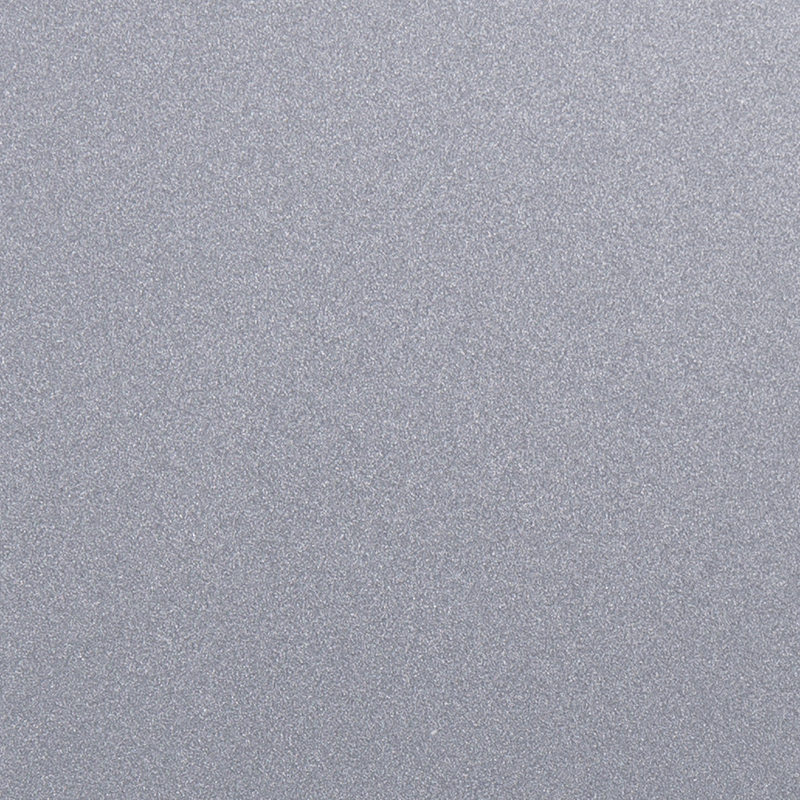
Silver acrylic sheet has tiny silver glitters in the material, which creating an elegant effect. • A...
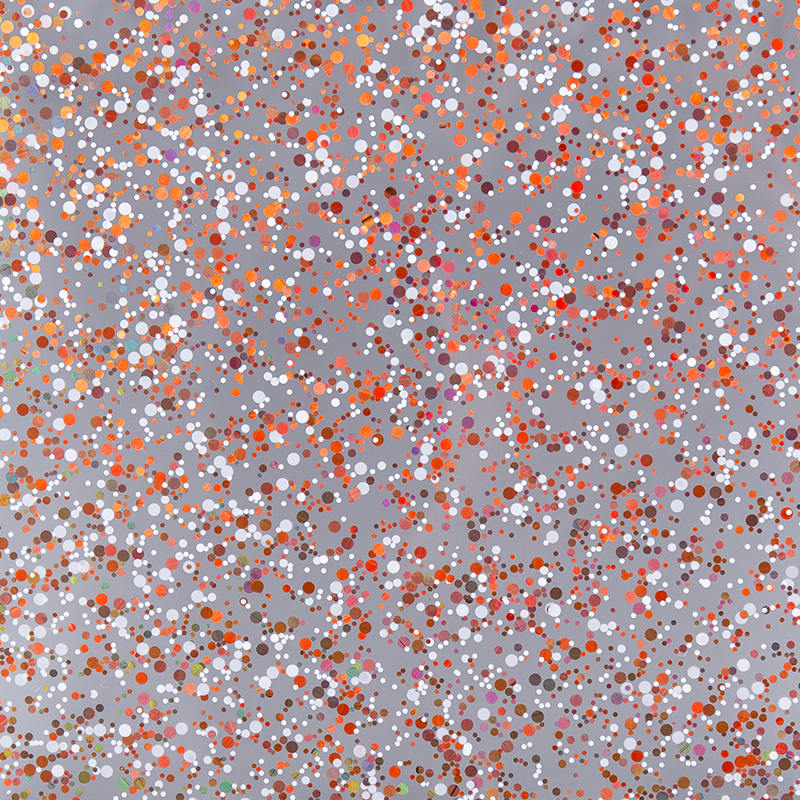
Tiny colored glitters are added to the transparent material to create a colorful and joyful visual e...
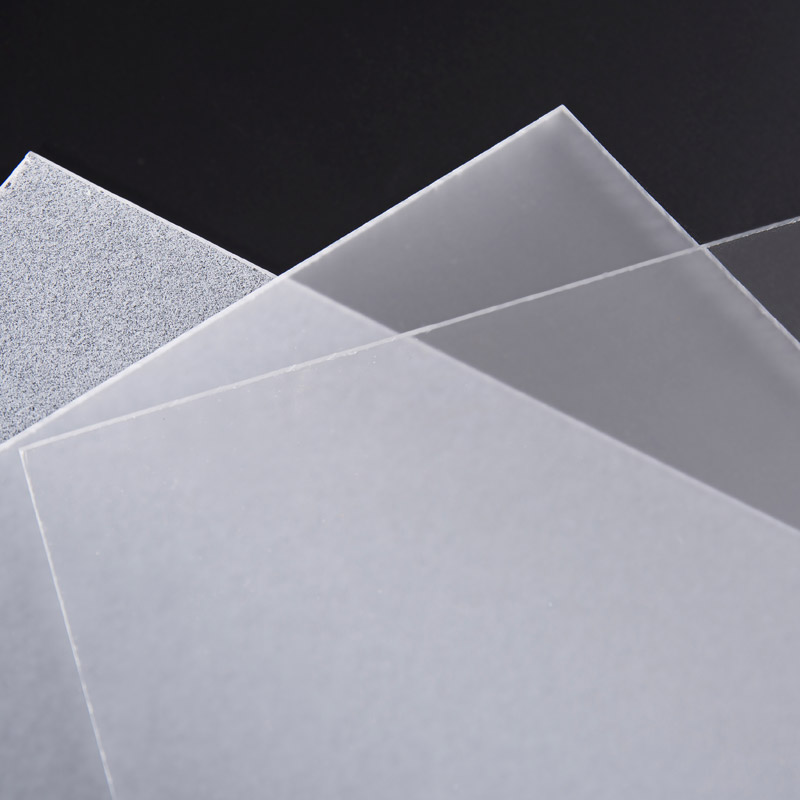
OLEG is a professional manufacturer of cast acrylic sheet, offering high quality products, attractiv...
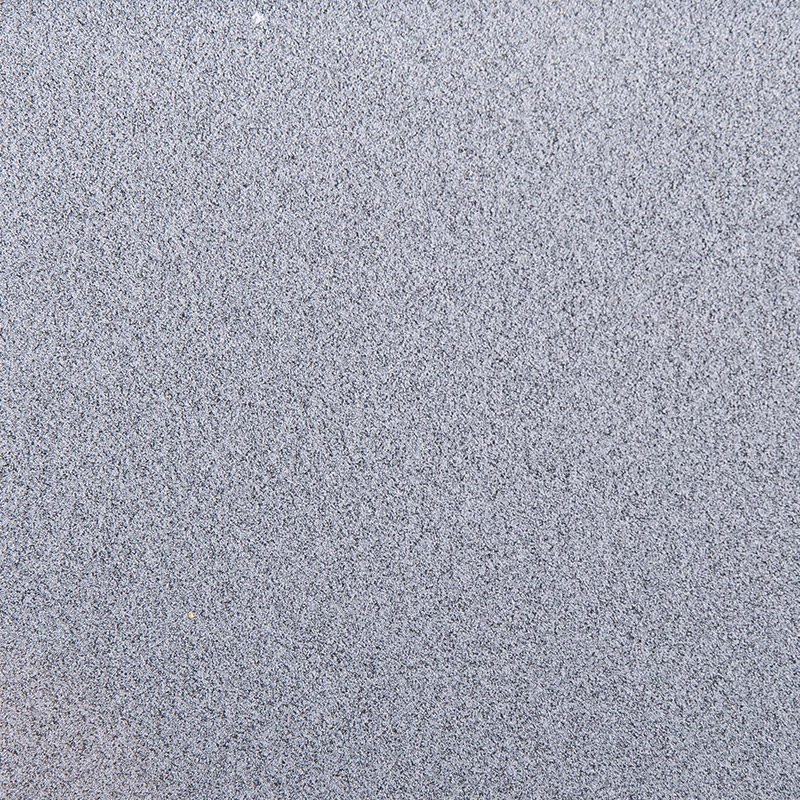
OLEG double side frosted acrylic sheet features a matte finish on both sides. Its modern appearance ...
• UV Resistance: Resistant to degradation from UV light, maintains its original color and clarity ov...

