

 English
 عربى
عربى Español
High-Strength Clear Acrylic Sheet
One of Oleg's popular products is the clear acrylic sheet, and our strong production capacity ensure...



Content
A purchase order arrives with the line item "PMMA sheet, clear, 5 mm," while the fabrication drawing calls out cast acrylic and a plus-or-minus 10 percent thickness window. The casting team asks the obvious question: are cast acrylic and PMMA sheet the same thing? In almost every case, yes. Cast acrylic sheet is PMMA sheet. The confusion exists because PMMA names a polymer while cast names a process, and the process decides how the panel behaves on your machine.
The cast acrylic vs PMMA sheet question is therefore a purchasing question, not a chemistry debate. Molecular weight, thickness tolerance, solvent resistance, thermoforming behavior, and price per kilogram all shift depending on which route produced the panel. This guide separates the chemistry from the process so you can specify, inspect, and approve sheet material without guessing.
Yes. Cast acrylic sheet is PMMA sheet, and every cast panel is poly(methyl methacrylate) polymerized inside a mold rather than extruded through a die. The two terms describe one material and two manufacturing routes, not two competing plastics.
PMMA, or poly(methyl methacrylate), is the thermoplastic polymer formed when methyl methacrylate monomer is polymerized. Cast acrylic sheet is PMMA poured between two glass plates and cured in a cell. Extruded PMMA is the same polymer, melted from pre-polymerized pellets and pushed through a die.
The commercial consequence is straightforward. A supplier quoting "PMMA sheet" may be offering either route, because PMMA is a material requirement and not a process requirement. A supplier quoting "cast acrylic sheet" commits to one route and everything that route implies: longer polymer chains, a wider thickness range, and far slower production cycles.
That molecular weight gap drives nearly everything else. Longer chains in cast sheet resist solvent attack, hold optical clarity after machining, and survive deep thermoforming draws that would whiten an extruded panel at the same temperature.
Molecular weight, thickness range, and thickness consistency are the three differences that appear first on a production floor. Everything else in the comparison below follows from them.
| Property | Cast PMMA sheet | Extruded PMMA sheet |
| Polymerization | Monomer cured between glass plates | Pellets melted and pushed through a die |
| Molecular weight | 1,000,000 to 3,000,000 g/mol | 100,000 to 200,000 g/mol |
| Typical thickness | 1.5 mm to 100 mm | 0.7 mm to 12 mm, rarely above 25 mm |
| Thickness tolerance | Wider, often 5 to 10 percent | Tighter on thin gauges, often within 5 percent |
| Solvent resistance | High, crazes slowly | Lower, crazes faster under stress |
| Optical clarity | Highest, minimal internal stress | Very good, faint die lines possible |
| Thermoforming | Deep draws hold detail | Limited draw depth, more whitening |
| Cost per kilogram | Higher | Lower |
Read the chart as a decision aid rather than a scoreboard. Cast PMMA wins wherever the sheet must survive chemistry, weather, thickness, or heat. Extruded PMMA wins where gauge consistency and unit cost dominate and the finished part stays thin.
A cast acrylic order is only as reliable as the tolerances written on it. These seven lines remove nearly every dispute at the receiving dock.
Clear cast sheet is the benchmark grade for a specification like this, and it is where most buyers start before adding color, texture, or a UV package. Optical targets belong on the finished sheet, so the test method sits next to the number on the order. Buyers who want the full property breakdown first can work through this comprehensive guide to PMMA sheet properties.
Five checks settle the question in under ten minutes with tools a fabrication shop already owns. None of them require a laboratory.
Sheet above roughly 12 mm is cast in almost every case, because extrusion lines rarely reach that gauge.
Cast sheet usually ships with printed paper masking naming grade, thickness, and lot; thin extruded sheet often carries a plain or unprinted film.
Solvent attacks the shorter chains in extruded PMMA faster, producing visible crazing sooner than on a cast edge.
Heat a 50 mm strip to around 150 degrees Celsius. Cast sheet draws deeper and stays clear; extruded sheet whitens at lower draw ratios.
Cast sheet shows a wider gauge band across the panel, while extruded sheet from a continuous line usually holds a tighter one.
Treat the results as a pattern rather than a single verdict. A thickness above 12 mm, printed masking, and slow crazing together identify a cast sheet with a very high degree of confidence.
Cast acrylic is not automatically the better sheet. It is the better sheet for specific jobs, and extruded PMMA remains the correct purchase for others.
PMMA resists UV degradation better than most transparent plastics, but cast panels carrying an added UV absorber package hold color and gloss noticeably longer under direct sun and salt air than standard clear grades.
Capacity and repeatability decide whether a cast PMMA supplier can hold your color and gauge across a multi-year program. Hangzhou Oleg International Trade Co., Ltd., which trades as OLEG, manufactures cast acrylic sheet at two sites in China: a Huzhou plant in Zhejiang with six casting lines and 35,000 tonnes of annual output, and a Jingmen plant in Hubei that opened in 2025 with eight lines and a designed capacity of 45,000 tonnes.
Color programs are where that capacity matters most. A designer picks a tone under studio light, the factory matches it in production, and both sides have to hold that match across repeat orders running for years. A published color catalog keeps the conversation concrete, because everyone is working from the same reference instead of a verbal description.
Yes. Every cast acrylic sheet is poly(methyl methacrylate). The reverse is not true: PMMA sheet can be cast or extruded, and the material name alone never tells you which process was used.
For thick sheet and impact loads, generally yes. Cast PMMA carries polymer chains roughly five to twenty times longer than extruded grades, which improves impact resistance, solvent resistance, and long-term clarity. Thin extruded sheet can still beat cast on gauge consistency.
Only for thin, flat, indoor parts. Above 12 mm, in outdoor service, or in any deep thermoforming job, the swap changes thickness tolerance, weather performance, and draw behavior enough to cause rework.
PMMA is UV stable rather than UV blocking, and it will not yellow the way polystyrene or standard polycarbonate does. Cast grades with an added UV absorber package extend that performance further for glazing, signage, and outdoor displays.
Cast acrylic sheet and PMMA sheet are the same polymer; only the production route differs. Specify the route, the gauge tolerance, and the optical targets, and the two labels stop being interchangeable in practice.
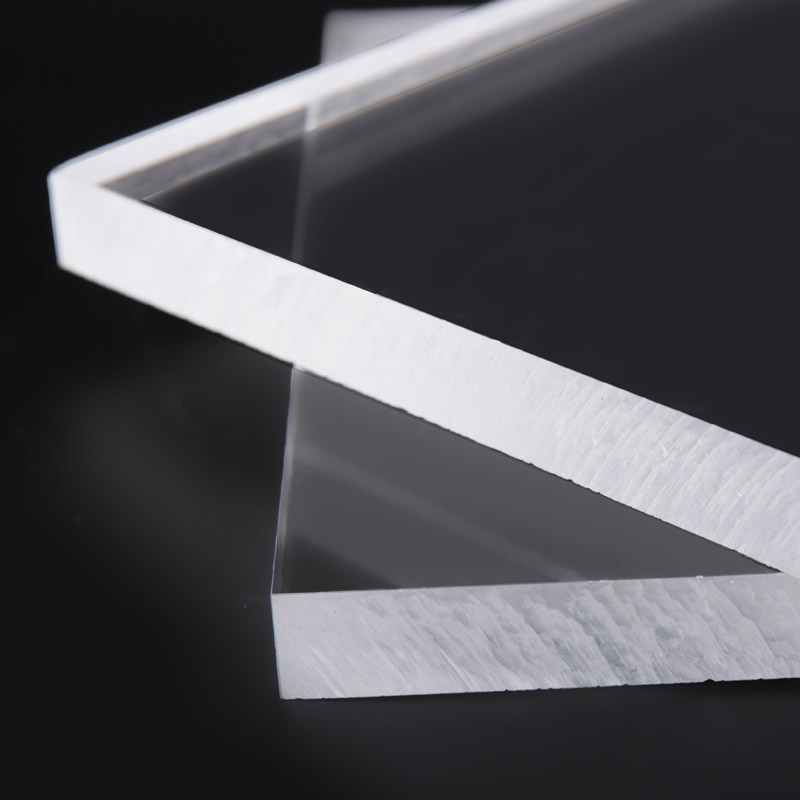
One of Oleg's popular products is the clear acrylic sheet, and our strong production capacity ensure...
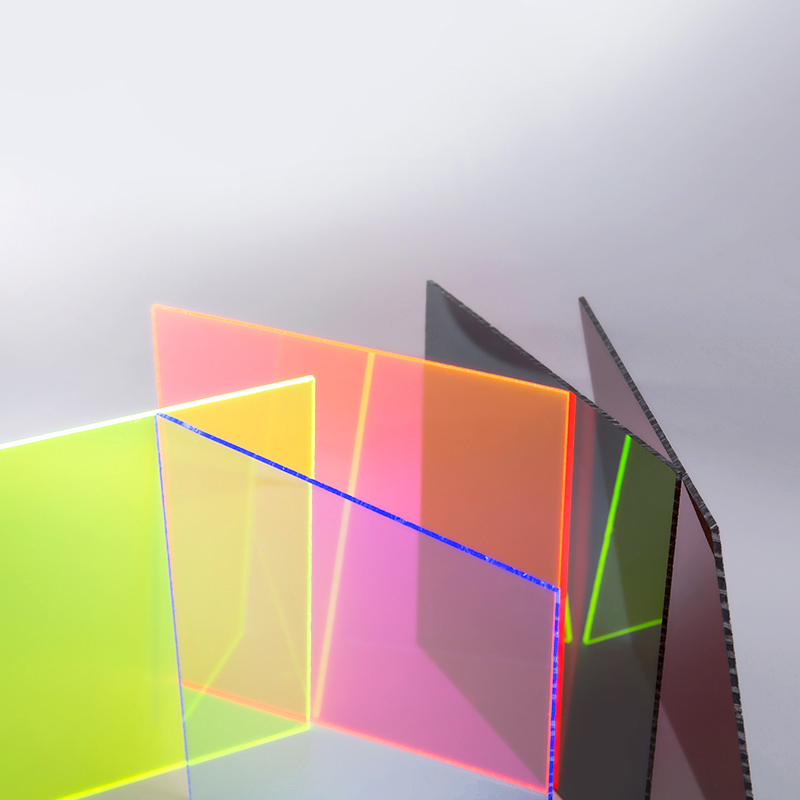
Oleg's products, whose raw material is virgin from Mitsubishi. OLEG is one of the TOP 5 cast acrylic...

OLEG’s product, whose raw material is virgin from Mitsubishi. The color is highly uniform, pure and...

Golden acrylic sheet has tiny gold glitters in the material, which cause a luxurious effect. • Relia...
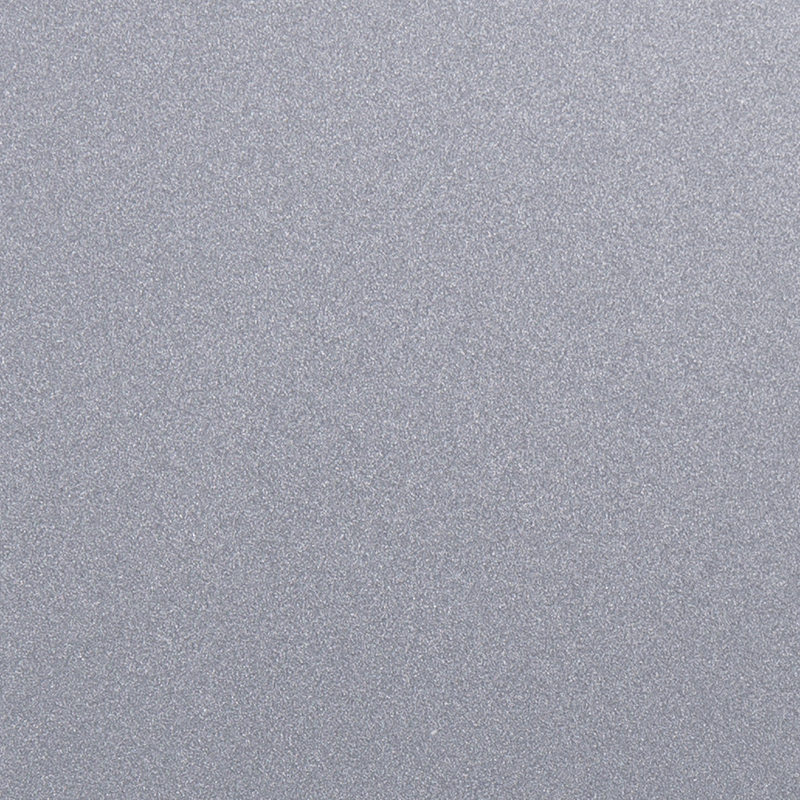
Silver acrylic sheet has tiny silver glitters in the material, which creating an elegant effect. • A...
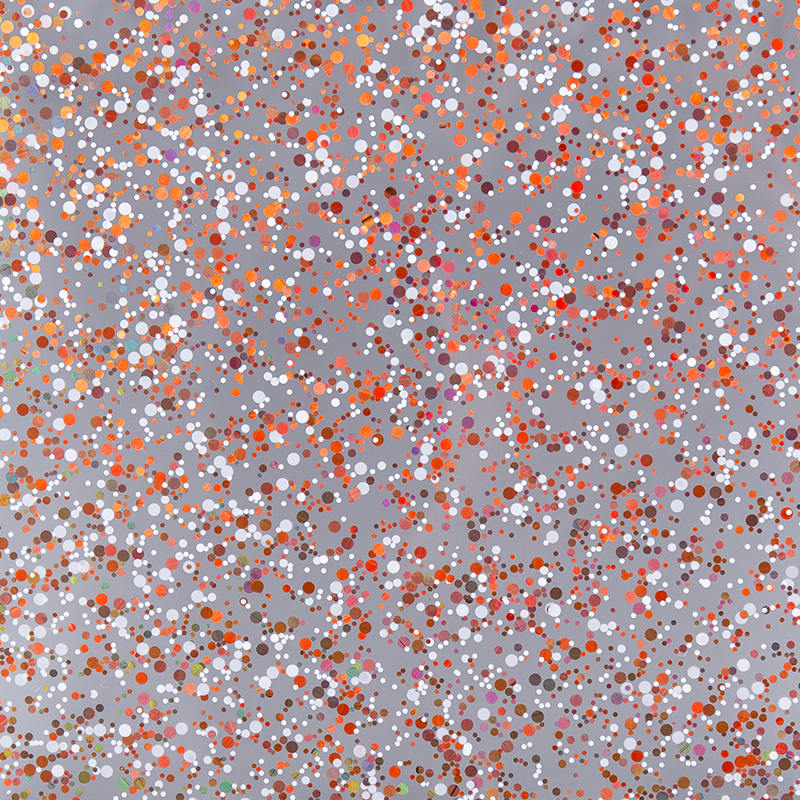
Tiny colored glitters are added to the transparent material to create a colorful and joyful visual e...
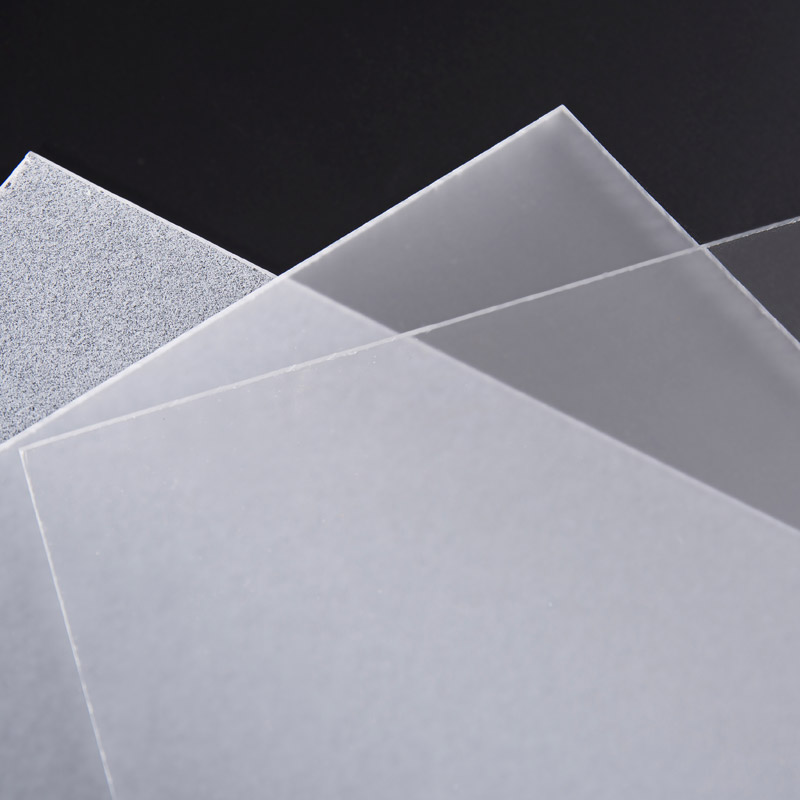
OLEG is a professional manufacturer of cast acrylic sheet, offering high quality products, attractiv...
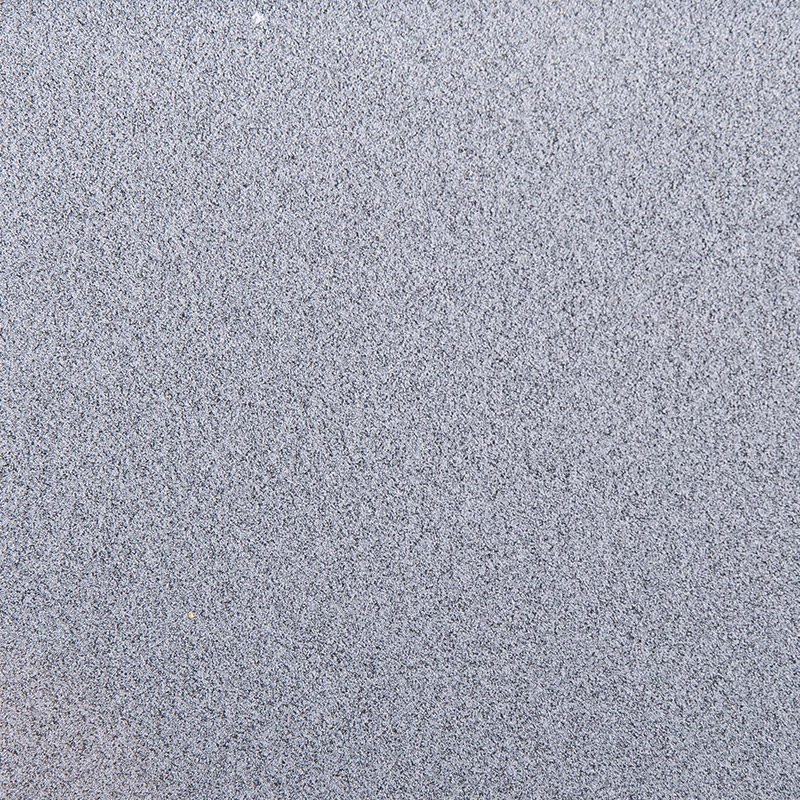
OLEG double side frosted acrylic sheet features a matte finish on both sides. Its modern appearance ...
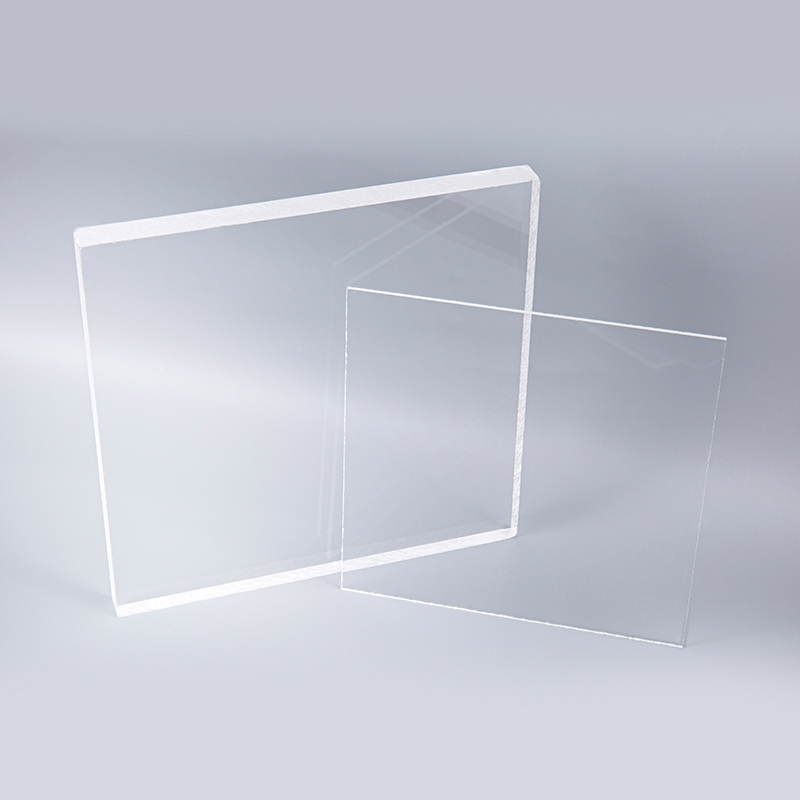
• UV Resistance: Resistant to degradation from UV light, maintains its original color and clarity ov...

