

 English
 عربى
عربى Español
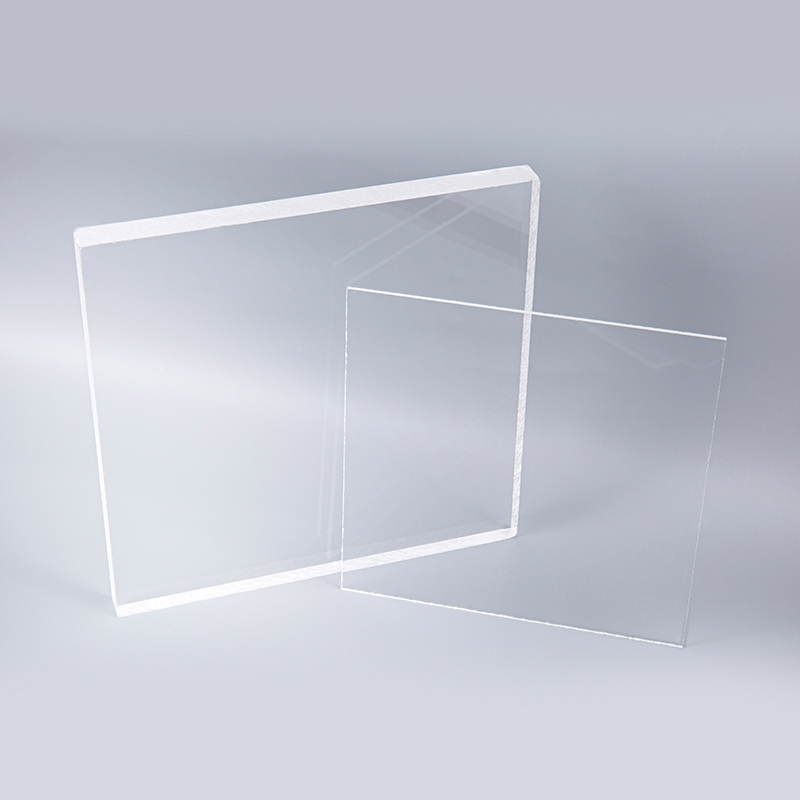
High-Strength Clear Acrylic Sheet
One of Oleg's popular products is the clear acrylic sheet, and our strong production capacity ensure...



Content
In recent years, architectural acrylic panels have become a preferred material in modern commercial building projects, including office complexes, retail spaces, transportation hubs, and public facilities. This growing adoption is driven by the demand for materials that combine structural reliability, optical performance, and long-term durability while supporting flexible architectural design.
According to the latest market analysis by international industry research organizations, the global acrylic sheet market continued steady growth throughout 2024–2025, with the construction and architectural sector representing one of the fastest-expanding application segments. This trend reflects a broader shift toward lightweight, high-performance polymer materials in commercial construction.
Source: Global Acrylic Sheet Market Report
One of the most important technical advantages of architectural acrylic panels is their exceptional optical clarity. Cast PMMA panels typically achieve light transmission levels exceeding 92%, enabling efficient daylight penetration in commercial spaces. This characteristic supports energy-saving daylighting strategies while maintaining visual comfort.
Architectural acrylic panels provide a balanced combination of impact resistance, surface hardness, and weather durability. Compared with traditional brittle materials, acrylic demonstrates superior resistance to cracking and breakage under operational stress.
From an engineering perspective, architects and specifiers often evaluate acrylic panels against glass and polycarbonate. The following comparison highlights why architectural acrylic panel performance specifications are attractive for commercial use:
| Technical Parameter | Architectural Acrylic Panels | Glass | Polycarbonate |
| Light Transmission | ≈ 92% | ≈ 90% | ≈ 85% |
| Weight | Approximately 50% of glass | Baseline | Approximately 60% of glass |
| Impact Resistance | High | Moderate | Very High |
| UV Stability | Excellent | Excellent | Moderate |
| Machinability | High precision cutting and forming | Limited | Moderate |
Best architectural acrylic panels for commercial facades are designed to meet demanding requirements for transparency, weather resistance, and structural efficiency. Lightweight characteristics reduce load on supporting structures, enabling more flexible façade systems and larger panel spans.
For interior spaces, cast acrylic panels for building interiors are widely used in partitions, decorative wall systems, and ceiling elements. Their consistent thickness and surface quality support high-end architectural finishes.
Successful application of architectural acrylic panels depends on correct specification and installation practices. A professional architectural acrylic panels installation guide typically emphasizes thermal expansion allowances, proper mechanical fixation, and compatible sealing systems.
Sustainability has become a decisive factor in material selection for commercial buildings. According to industry data released in 2024, architectural use of acrylic panels is increasingly associated with lifecycle efficiency, durability, and reduced maintenance requirements compared with traditional materials.
Source: Acrylic Sheets Market Outlook 2024–2025
In parallel, advances in controlled casting technology and production precision have enabled large-scale manufacturing with stable quality output. High-volume production systems meeting or exceeding GB/T 7134-2008 premium product standards support consistent performance across architectural projects, making acrylic panels a reliable choice for B2B procurement and OEM architectural applications.
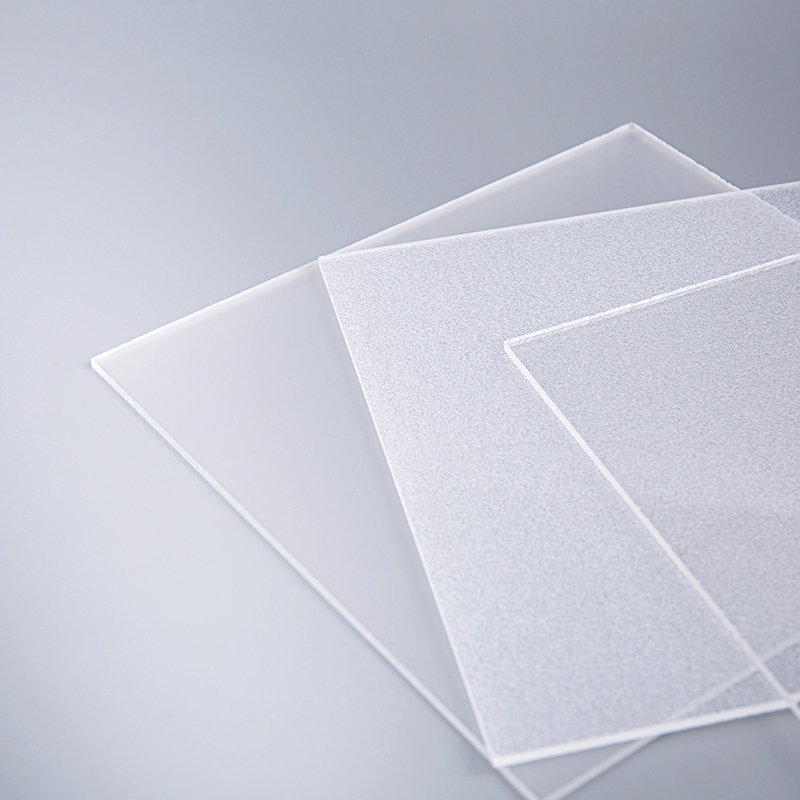
Architectural acrylic panels have gained widespread adoption in modern commercial buildings due to their superior optical clarity, mechanical reliability, design flexibility, and lifecycle efficiency. As commercial architecture continues to prioritize performance-driven materials, acrylic panels remain a technically sound and economically viable solution for both exterior and interior applications.
Architectural acrylic panels combine high light transmission, structural stability, and environmental resistance, making them suitable for demanding commercial environments where durability and aesthetics are equally important.
Cast acrylic panels are produced through controlled casting processes, resulting in superior optical clarity, uniform thickness, and enhanced surface quality compared with extruded acrylic sheets.
Yes. High-quality architectural acrylic panels offer excellent UV resistance and weather stability, allowing them to perform reliably in exterior façades, skylights, and cladding systems.
Installation should account for thermal expansion, correct mechanical fixing methods, and compatible sealants. Proper engineering design ensures long-term performance and prevents material stress.
Architectural acrylic panels contribute to sustainability through long service life, reduced maintenance, and efficient daylight utilization, supporting energy-saving building designs and lifecycle efficiency.
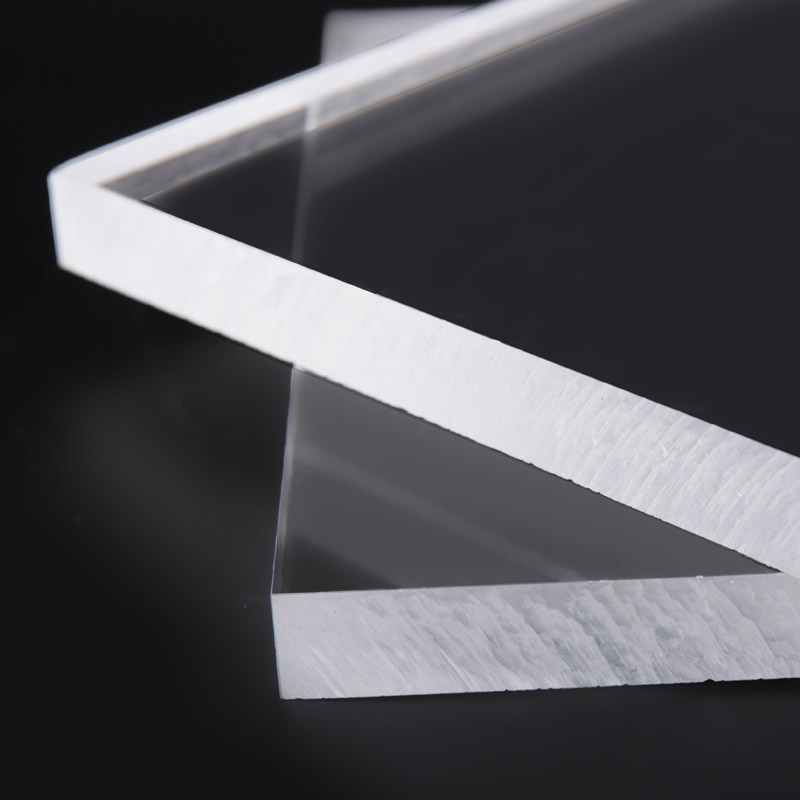
One of Oleg's popular products is the clear acrylic sheet, and our strong production capacity ensure...
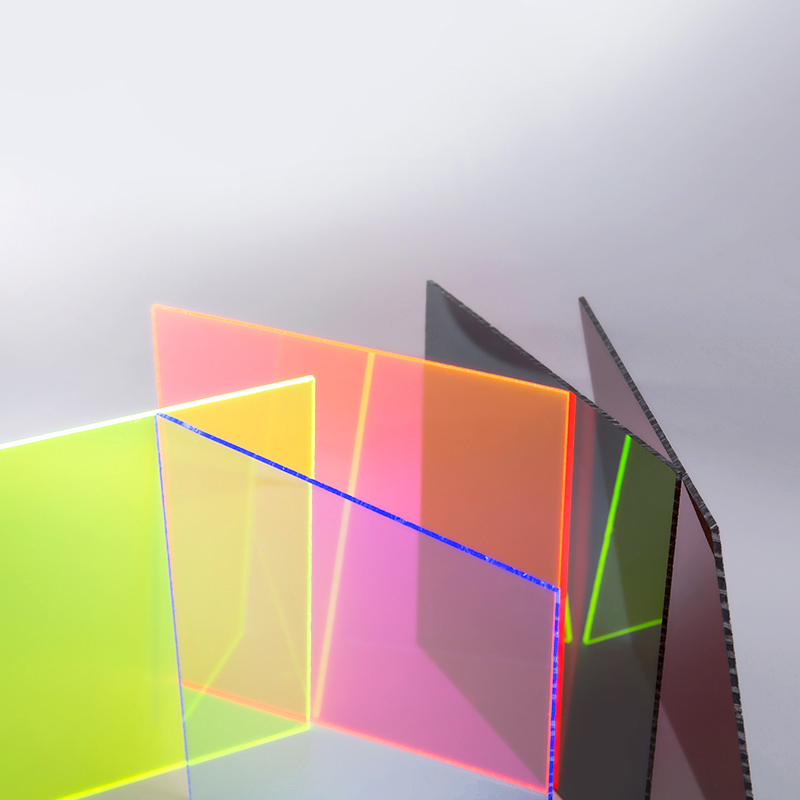
Oleg's products, whose raw material is virgin from Mitsubishi. OLEG is one of the TOP 5 cast acrylic...
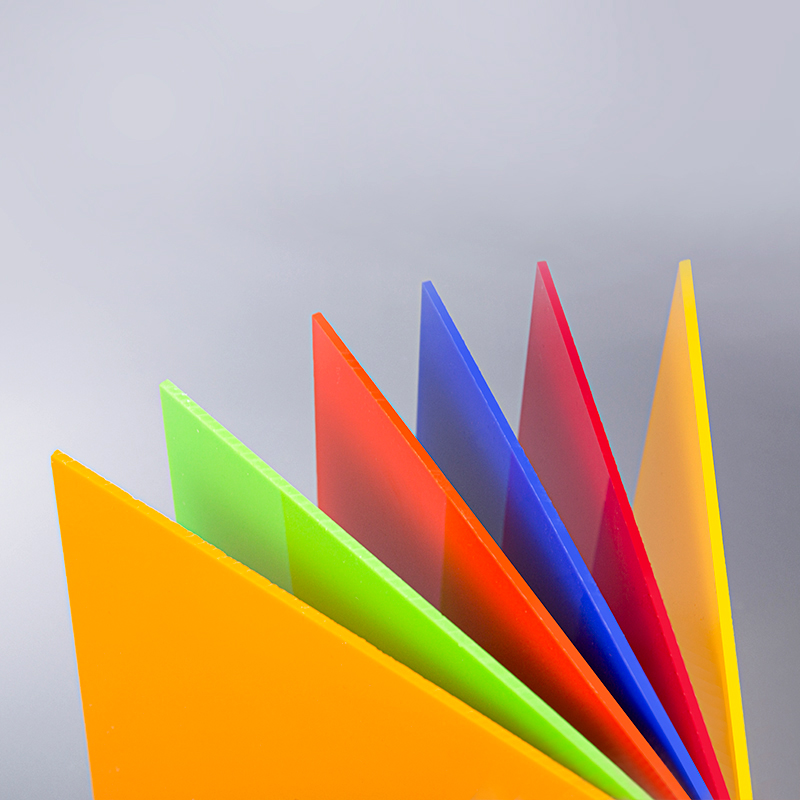
OLEG’s product, whose raw material is virgin from Mitsubishi. The color is highly uniform, pure and...

Golden acrylic sheet has tiny gold glitters in the material, which cause a luxurious effect. • Relia...
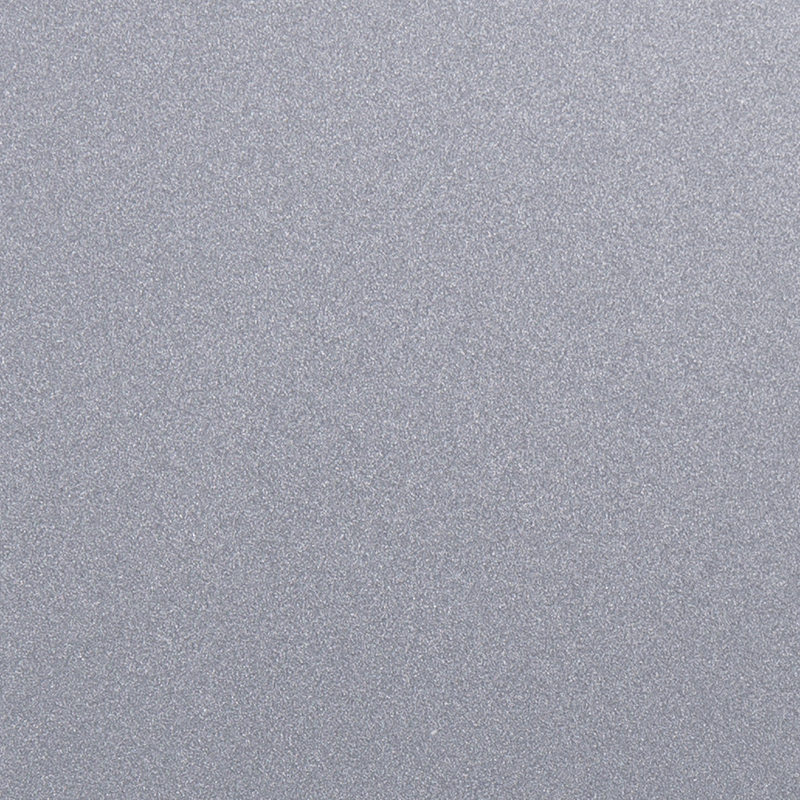
Silver acrylic sheet has tiny silver glitters in the material, which creating an elegant effect. • A...
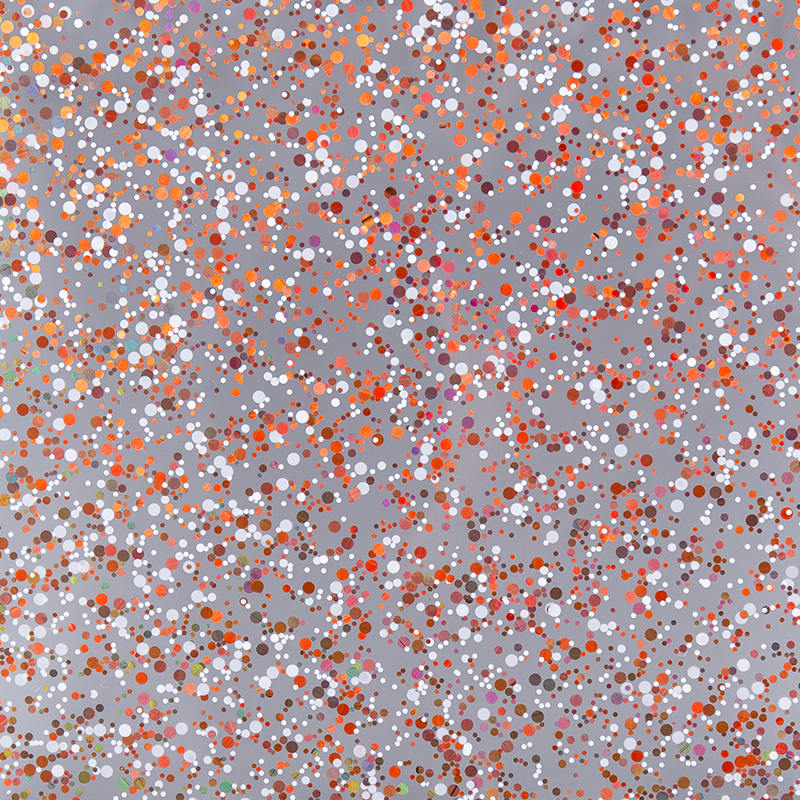
Tiny colored glitters are added to the transparent material to create a colorful and joyful visual e...
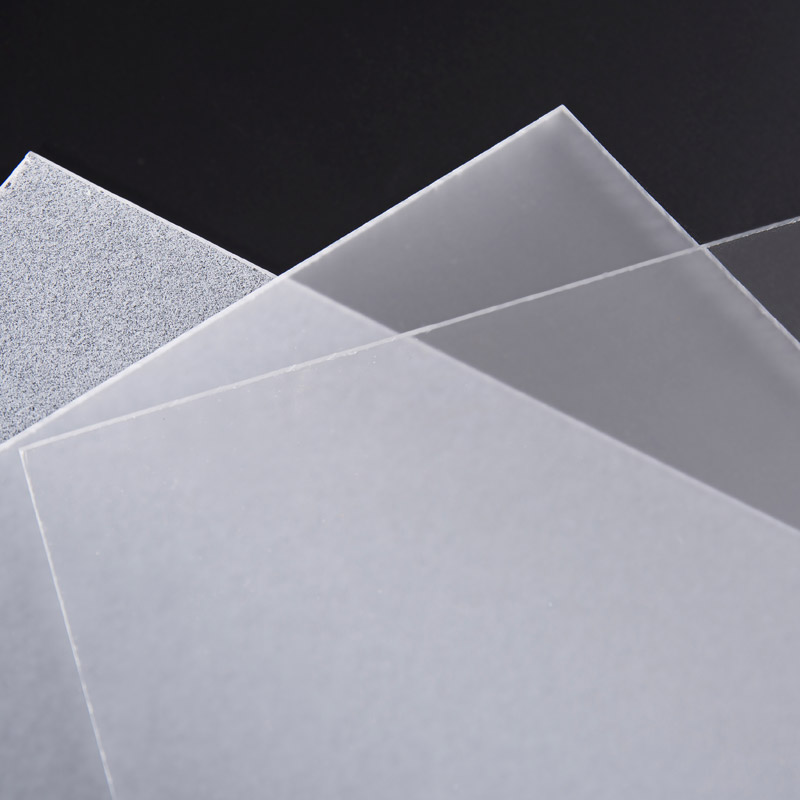
OLEG is a professional manufacturer of cast acrylic sheet, offering high quality products, attractiv...
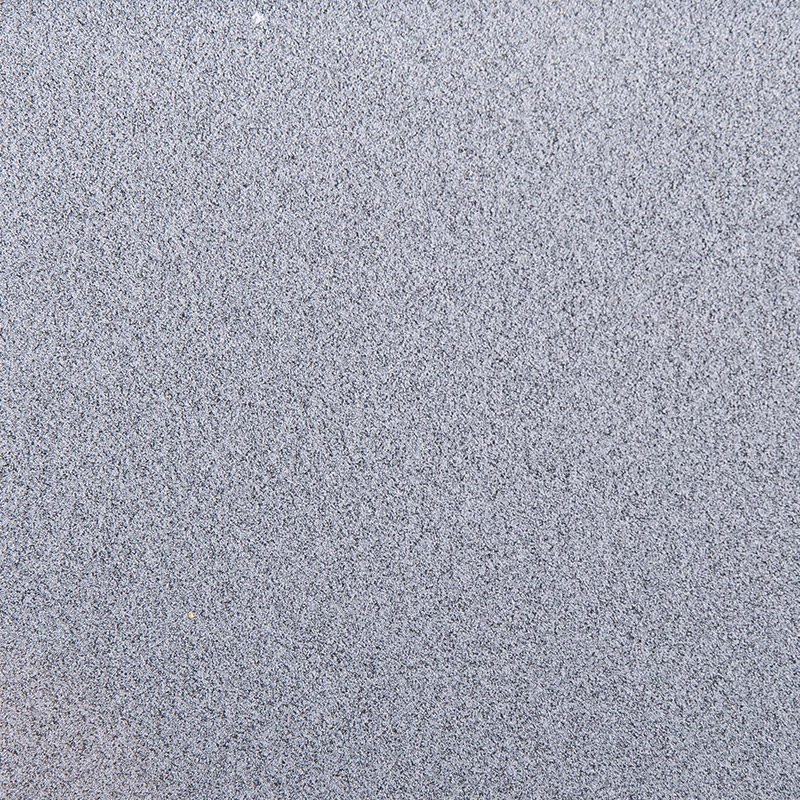
OLEG double side frosted acrylic sheet features a matte finish on both sides. Its modern appearance ...
• UV Resistance: Resistant to degradation from UV light, maintains its original color and clarity ov...

