

 English
 عربى
عربى Español
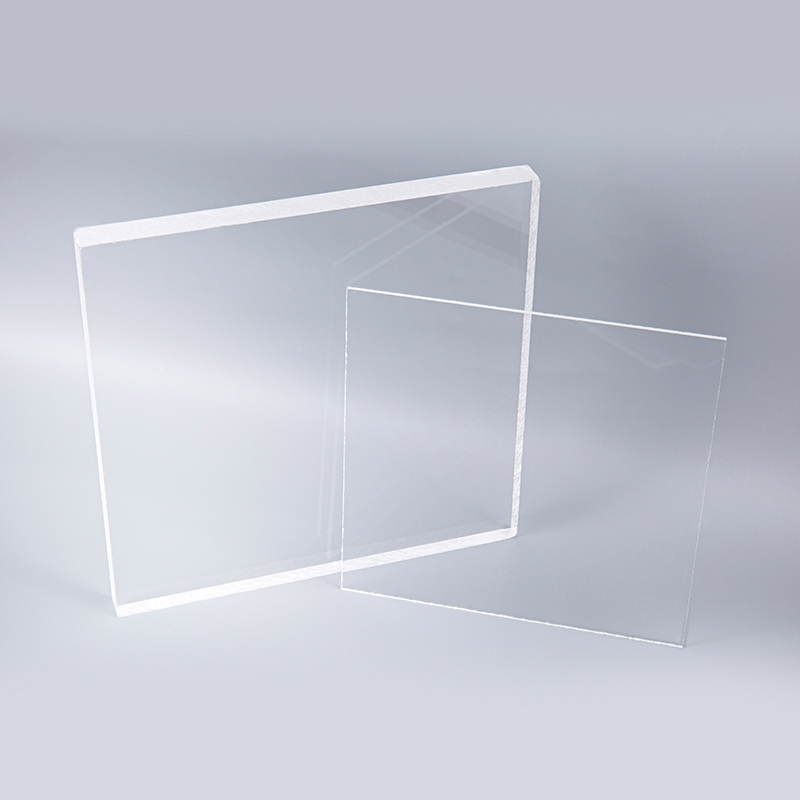
High-Strength Clear Acrylic Sheet
One of Oleg's popular products is the clear acrylic sheet, and our strong production capacity ensure...



Content
1. The effectiveness of a Frosted Clear Acrylic Sheet in an ultra-slim light box is determined by its surface haze percentage, which measures the amount of light that is scattered more than 2.5 degrees from the incident beam.
2. When investigating how surface haze eliminates LED hot-spots, engineers focus on the micro-lens effect created by the matte texture; these microscopic peaks and valleys refract light at wide angles, effectively overlapping the output of adjacent LEDs.
3. For a Frosted Clear Acrylic Sheet, achieving a haze value of 85 percent to 95 percent is critical to ensure that the discrete point sources of light are converted into a uniform luminous surface.
4. The impact of Ra surface roughness on acrylic light diffusion is a key metric; an Ra value between 1.5 and 3.0 micrometers typically provides the optimal balance between high haze and maintaining a total light transmittance of approximately 85 percent.
1. In the design of shallow-profile enclosures, calculating the LED-to-acrylic distance for hot-spot elimination is mandatory; as the "L" distance (distance from light source to sheet) decreases, the required diffusion power of the Frosted Clear Acrylic Sheet must increase.
2. Analyzing why Frosted Clear Acrylic Sheet is superior for slim light boxes reveals that surface-textured sheets provide a wider diffusion angle than volume-diffused materials, which often suffer from higher internal absorption losses.
3. In a Frosted Clear Acrylic Sheet configuration, the use of a dual-sided matte finish can further increase the scattering coefficient, allowing for even thinner light box architectures without the "striping" effect.
4. The tensile strength of the PMMA substrate, typically 70-80 MPa, remains unaffected by the frosting process, ensuring that the structural integrity of the display panel is maintained under the thermal load of the LED arrays.
1. Does the textured finish of Frosted Clear Acrylic Sheet withstand vacuum forming? Data indicates that during high-draw ratios, the micro-peaks can "flatten," leading to a localized reduction in haze and the reappearance of hot-spots.
2. Testing the gloss level of frosted acrylic after heat bending is necessary to verify that the 85-degree gloss value remains below 10 units, ensuring the aesthetic "soft touch" and non-glare properties are preserved.
3. Investigating how long-term UV exposure impacts acrylic light scattering shows that UV-stabilized Frosted Clear Acrylic Sheet maintains its diffusion properties for over 10 years by preventing the micro-texture from eroding due to photochemical degradation.
4. Comparative Optical Performance of Diffusion Substrates:
| Property | Sandblasted Acrylic | Frosted Clear Acrylic Sheet (Cell-Cast) |
| Haze Percentage (ASTM D1003) | 60 - 75 percent | 85 - 95 percent |
| Light Transmittance | < 80 percent | ~85 - 92 percent |
| Resistance to Fingerprints | Moderate | High (Anti-sebum Texture) |
| Surface Finish (Ra) | Inconsistent | 1.5 - 3.0 micrometers |
1. Why Ra surface roughness is critical for fingerprint resistance: The specific topography of a Frosted Clear Acrylic Sheet minimizes the contact area for skin oils, making smudges less visible compared to high-gloss alternatives.
2. Comparing cell-cast vs extruded frosted acrylic for chemical resistance reveals that the higher molecular weight of the cell-cast version prevents stress crazing when the sheet is exposed to common cleaning alcohols or solvent-based inks.
3. Optimizing the diffusion angle of frosted PMMA involves selecting the appropriate grit size during the manufacturing phase to ensure that the light-emitting surface achieves a 160-degree viewing angle without significant luminance drop-off.
1. Can the haze percentage be customized for specific LED densities?
Yes. By adjusting the chemical etching or mechanical casting parameters, the haze percentage of the Frosted Clear Acrylic Sheet can be tuned to match the pitch (spacing) of the LEDs to achieve perfect uniformity.
2. Does the frosting reduce the total light output of the light box?
While there is a minor reduction in "straight-through" transmittance, the Frosted Clear Acrylic Sheet typically preserves over 88 percent of the total lumens, with the "lost" light being redirected rather than absorbed.
3. Is the frosted surface prone to scratching?
The matte texture is actually more resilient to micro-scratches than polished acrylic. However, deep scratches will be visible. For high-traffic areas, a hard-coated Frosted Clear Acrylic Sheet can be specified.
4. What is the maximum operating temperature before the texture softens?
The glass transition temperature (Tg) is approximately 105 degrees Celsius. For LED applications, the continuous service temperature should be kept below 80 degrees Celsius to prevent dimensional warping or texture loss.
5. Is double-sided frosting better than single-sided for diffusion?
Double-sided frosting increases the "Effective Diffusion Power" (EDP). It is the preferred choice for edge-lit panels where the light must be extracted and diffused as efficiently as possible.
1. ASTM D1003: Standard Test Method for Haze and Luminous Transmittance of Transparent Plastics.
2. ISO 4892-2: Plastics - Methods of exposure to laboratory light sources - Xenon-arc lamps.
3. ISO 4287: Geometrical Product Specifications (GPS) - Surface texture: Profile method.
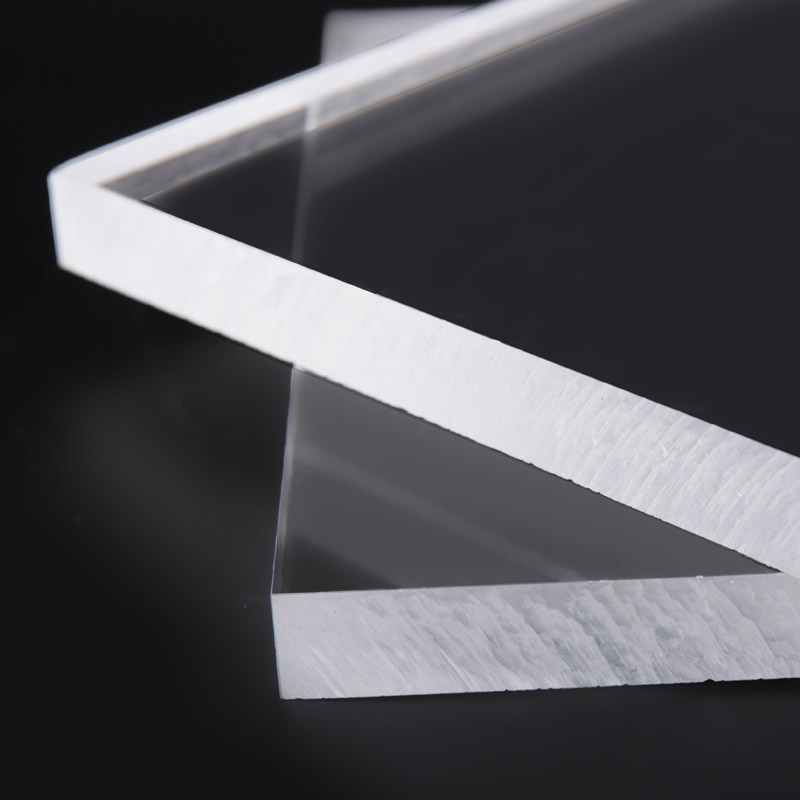
One of Oleg's popular products is the clear acrylic sheet, and our strong production capacity ensure...
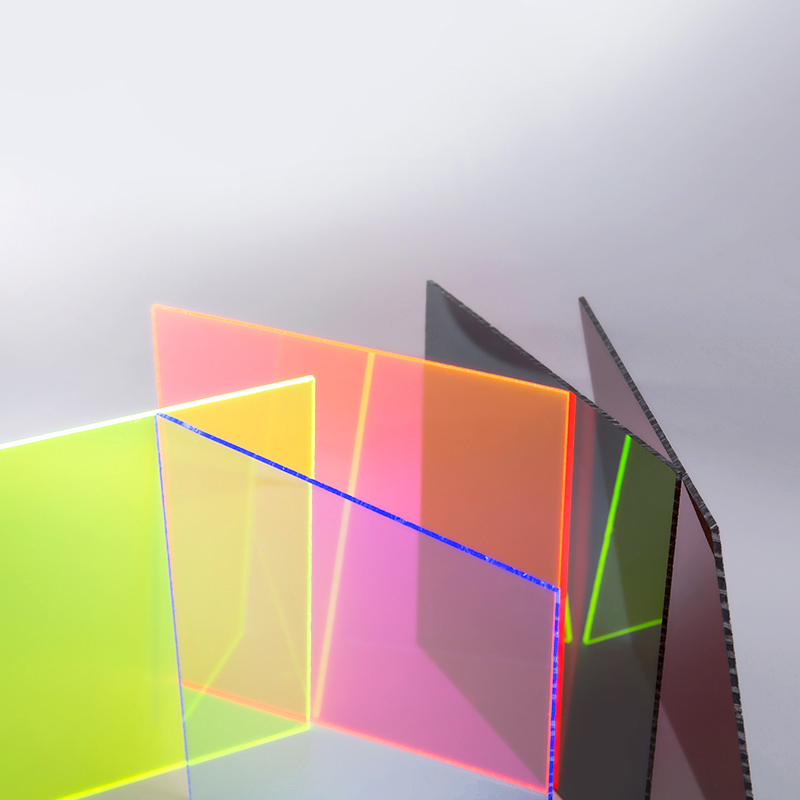
Oleg's products, whose raw material is virgin from Mitsubishi. OLEG is one of the TOP 5 cast acrylic...
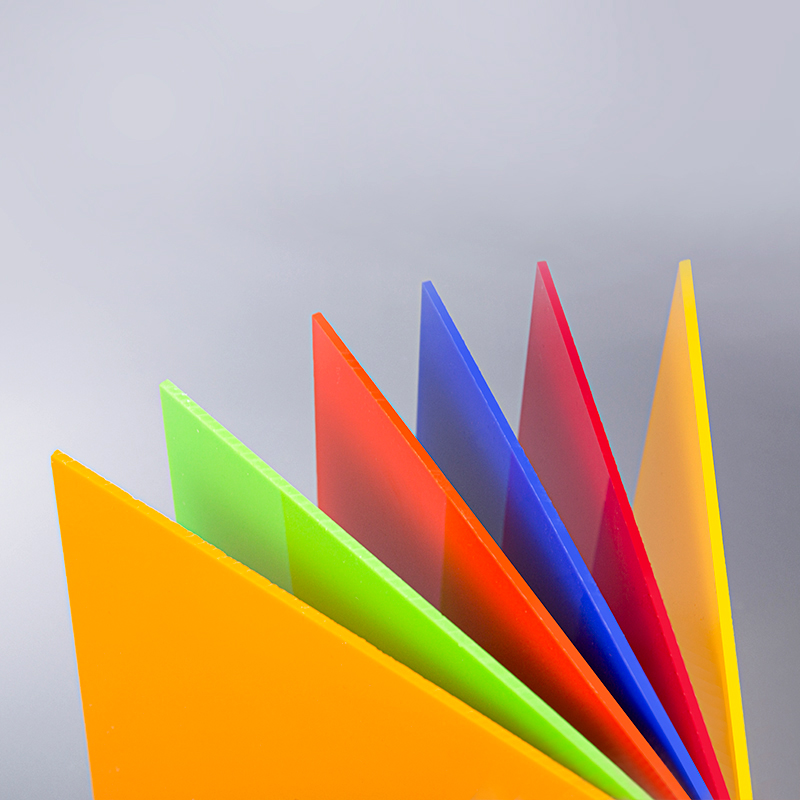
OLEG’s product, whose raw material is virgin from Mitsubishi. The color is highly uniform, pure and...
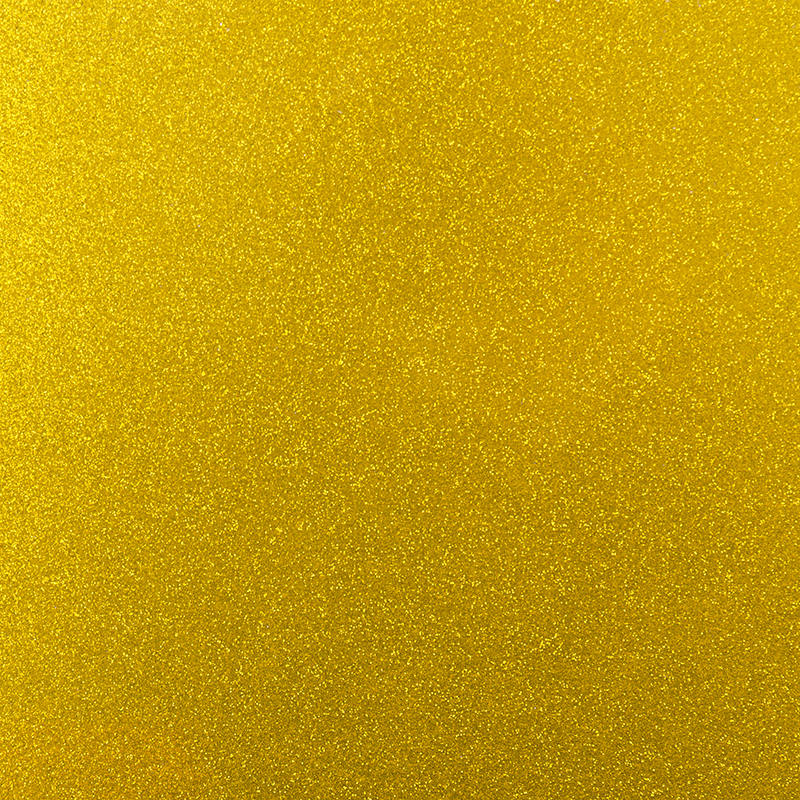
Golden acrylic sheet has tiny gold glitters in the material, which cause a luxurious effect. • Relia...
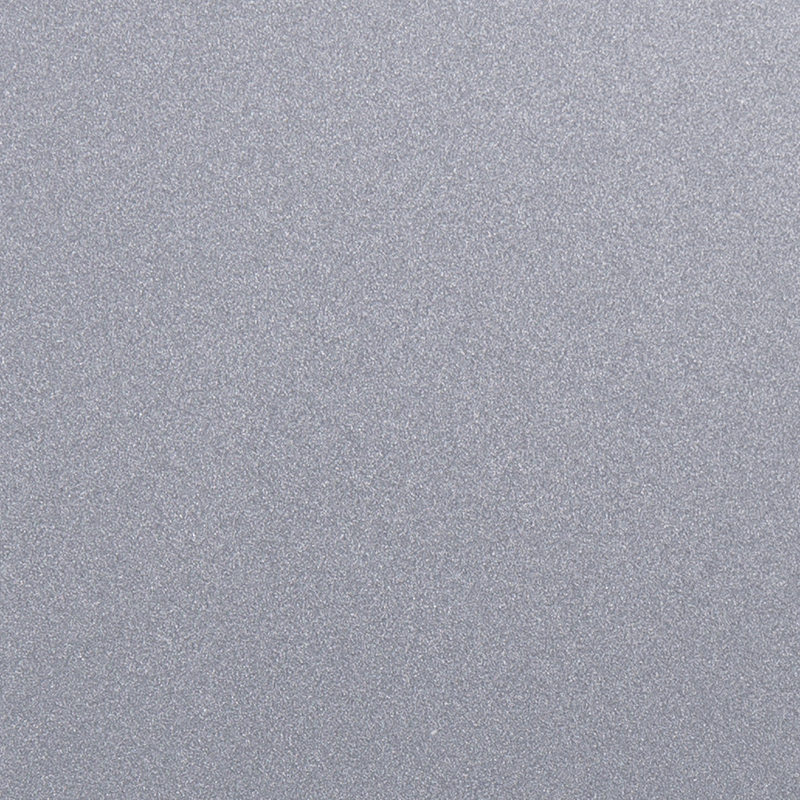
Silver acrylic sheet has tiny silver glitters in the material, which creating an elegant effect. • A...
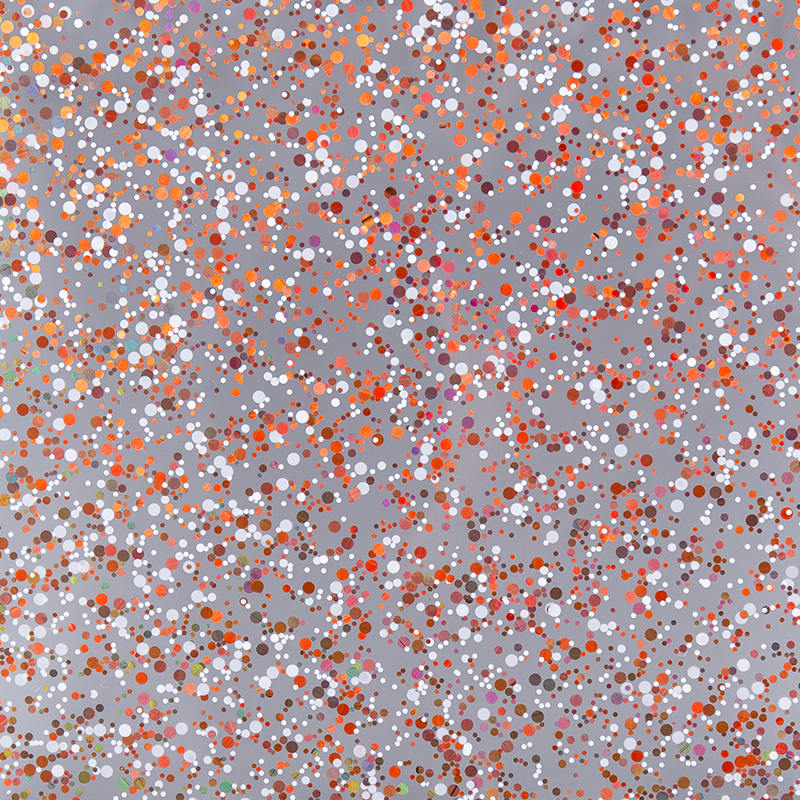
Tiny colored glitters are added to the transparent material to create a colorful and joyful visual e...
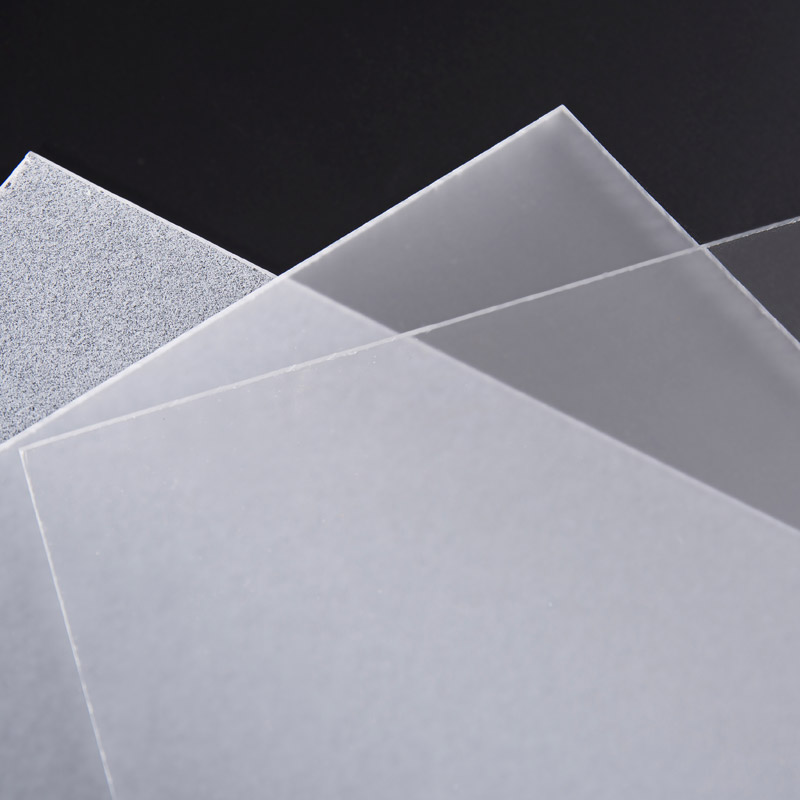
OLEG is a professional manufacturer of cast acrylic sheet, offering high quality products, attractiv...
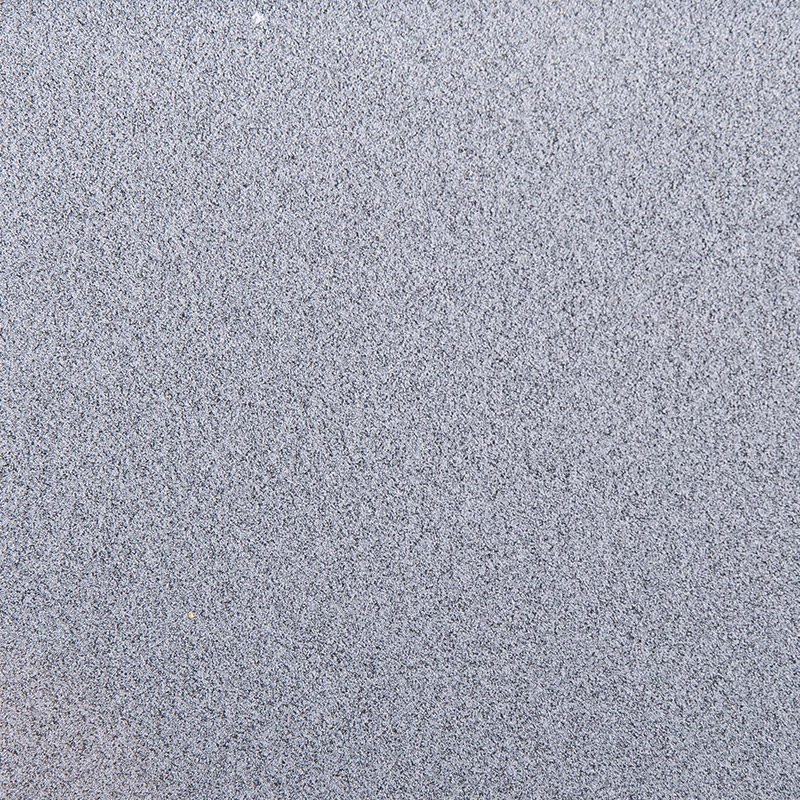
OLEG double side frosted acrylic sheet features a matte finish on both sides. Its modern appearance ...
• UV Resistance: Resistant to degradation from UV light, maintains its original color and clarity ov...

