

 English
 عربى
عربى Español
High-Strength Clear Acrylic Sheet
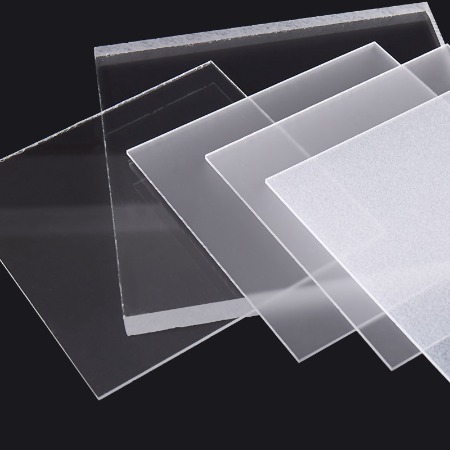
One of Oleg's popular products is the clear acrylic sheet, and our strong production capacity ensure...



Content
In the world of versatile and high-performance materials, cast acrylic sheet stands out for its exceptional clarity, durability, and formability. Unlike its extruded counterpart, cast acrylic is produced through a meticulous process that yields a superior product with excellent optical qualities, chemical resistance, and machining capabilities. This guide delves deep into the specifics of cast acrylic sheets, offering detailed insights for architects, fabricators, and procurement specialists seeking reliable information and a trustworthy supplier.
The quality of a cast acrylic sheet is fundamentally determined by its manufacturing process. At its core, casting involves creating a reaction between liquid monomer and a catalyst within a mold, followed by a carefully controlled curing period. This method allows for precise control over thickness, consistency, and internal stress.
As a leader in this field, OLEG exemplifies modern manufacturing excellence. With over a decade of specialization, OLEG operates advanced facilities in Huzhou, Zhejiang, and Jingmen, Hubei. Their integrated, precision-controlled production systems across 14 casting lines ensure high-volume capacity and unwavering quality consistency, making them a pivotal cast acrylic sheet manufacturers in East China. Their products rigorously meet the premium GB/T 7134-2008 standard, providing a reliable benchmark for quality.
The unique properties of cast acrylic make it the material of choice for demanding applications where performance cannot be compromised.
Selecting between cast and extruded acrylic is a fundamental decision. The choice significantly impacts the project's durability, aesthetics, and fabricability. Here is a detailed comparison presented in both sentence and table form.
When considering how to choose between cast and extruded acrylic for a project, it's crucial to weigh key performance factors. Cast acrylic offers superior optical clarity, chemical resistance, and thermal formability, making it suitable for high-end, durable applications. Extruded acrylic is often chosen for cost-sensitive projects where extreme forming or the highest optical grade is not required, though it may be more prone to stress cracking during fabrication.
| Feature | Cast Acrylic Sheet | Extruded Acrylic Sheet |
|---|---|---|
| Manufacturing Process | Cell-cast between glass or continuous-cast on steel belt. | Extruded through a die from acrylic pellets. |
| Molecular Weight | Higher | Lower |
| Surface Hardness | Softer, more scratch-resistant | Harder |
| Chemical Resistance | Excellent | Good |
| Thermal Forming | Excellent; allows deep draws and complex shapes | Good; limited for deep draws |
| Thickness Tolerance | Very consistent | Can have variance |
| Cost | Generally higher | Generally lower |
| Ideal For | Premium signage, aquariums, sanitaryware, aircraft windows | Basic displays, light covers, protective barriers |
The versatility of cast acrylic is further expanded through specialized formulations and custom manufacturing capabilities.
In environments where dust attraction or electrostatic discharge (ESD) is a concern, such as in cleanrooms, electronic assembly, or sensitive display cases, anti-static cast acrylic sheet is essential. This variant incorporates permanent additives that dissipate static charge, protecting sensitive components and maintaining a dust-free surface. This is a critical solution for specialized industrial and tech applications.
Modern architecture frequently demands bespoke material solutions. This is where the role of a dedicated OEM architectural acrylic panels manufacturer becomes crucial. These manufacturers work directly with design firms and builders to produce panels tailored to specific project needs. OLEG, as a professional supplier, provides such custom OEM services, offering:
Beyond clear sheets, cast acrylic is available with added functionalities. UV-filtering grades protect interior furnishings from sun damage, while a vast palette of consistent, durable colors enables creative design. The casting process ensures color is uniform throughout the sheet's thickness.
Successfully working with cast acrylic requires understanding its fabrication nuances and proper care to ensure longevity.
For long-term clarity, proper cleaning is vital. This is especially true for applications like cast acrylic sheet for aquarium manufacturing, where mineral deposits and algae are common, and for cast acrylic signage and displays in high-traffic retail environments.
Not all cast acrylic is created equal. Verifying quality standards is paramount for critical applications.
Reputable manufacturers adhere to international or national standards. In China, the GB/T 7134-2008 standard is a key indicator. Premium-grade cast acrylic under this standard guarantees specific levels of:
Suppliers like OLEG not only meet but often exceed these premium requirements, providing an assurance of material performance and batch-to-batch consistency crucial for large-scale projects.
When sourcing, especially for technical grades like impact resistant cast acrylic grades for safety glazing or machine guards, consider:
The core difference lies in the manufacturing process. Cast acrylic is made by pouring liquid monomer into a mold where it polymerizes, resulting in higher molecular weight, better chemical resistance, and superior forming capabilities. Extruded acrylic is made by forcing heated acrylic compound through a die, which is faster and less expensive but can result in lower molecular weight and less consistency in thickness.
Yes, in terms of impact resistance, cast acrylic sheet is many times stronger than glass of equivalent thickness. It is also much lighter, making it safer and easier to handle and install. However, its surface is softer and more prone to scratching than glass.
Absolutely. High-quality cast acrylic sheets have excellent UV resistance and weatherability. They are commonly used for outdoor signage, skylights, and architectural canopies. For extended outdoor life, it's recommended to use grades specifically formulated with enhanced UV inhibitors.
Minor scratches can often be polished out using a specialized plastic polish and a soft buffing wheel or cloth. For deeper scratches, a multi-step sanding and polishing process starting with fine-grit wet sandpaper (e.g., 600 grit) and progressing to ultra-fine (2000+ grit) before polishing is required.
Cast acrylic is available in a very wide range of thicknesses, typically from as thin as 1mm (0.04 inches) up to 200mm (8 inches) or more for special applications like aquarium viewing panels. Common thicknesses for architectural and display use range from 3mm to 25mm. A professional China-based supplier of custom PMMA acrylic sheets can typically provide both standard and custom thicknesses to meet specific project specifications.
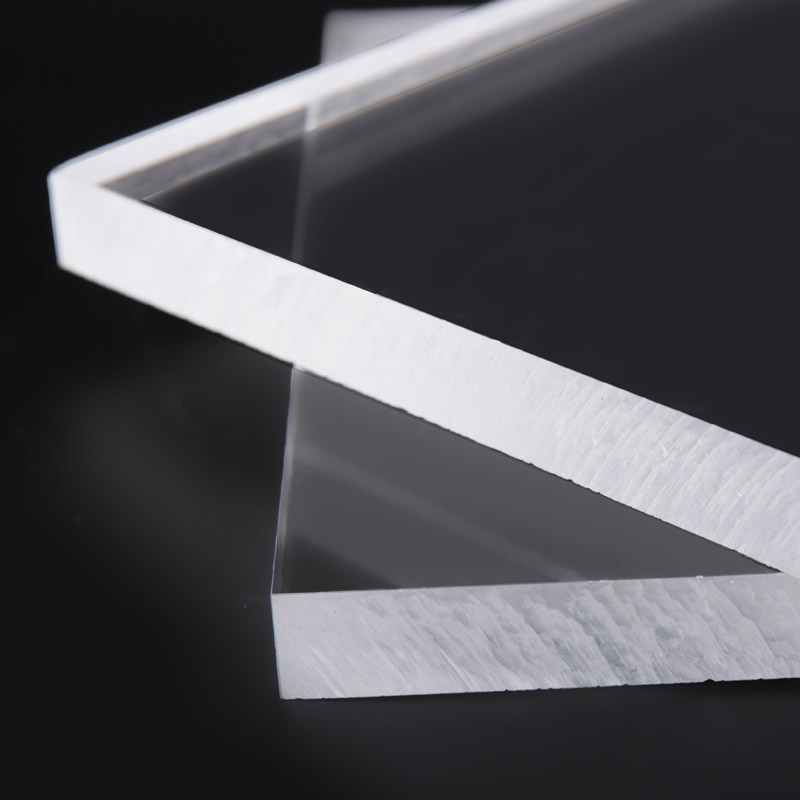
One of Oleg's popular products is the clear acrylic sheet, and our strong production capacity ensure...
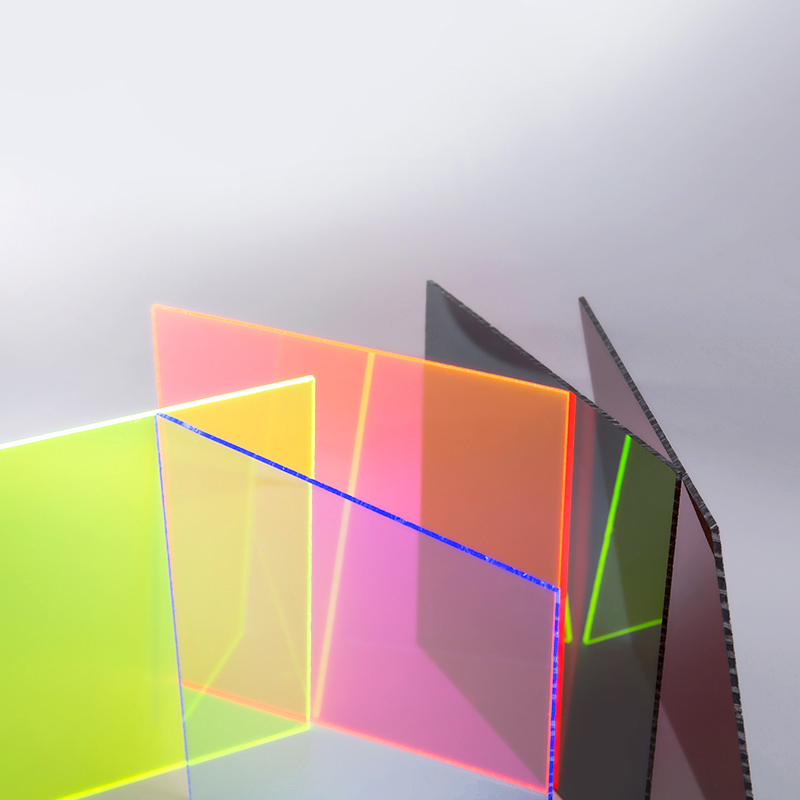
Oleg's products, whose raw material is virgin from Mitsubishi. OLEG is one of the TOP 5 cast acrylic...
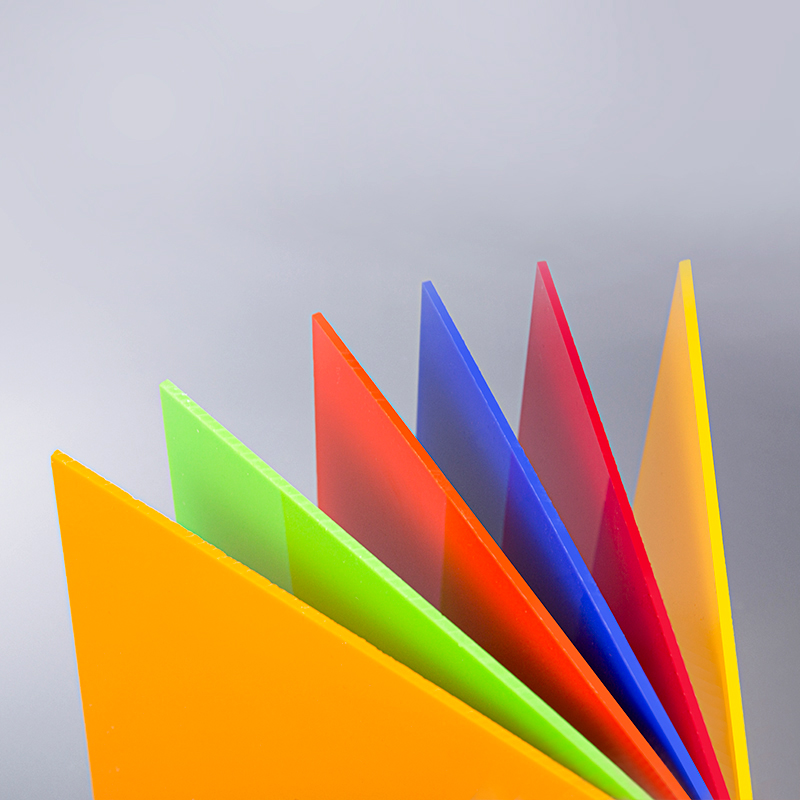
OLEG’s product, whose raw material is virgin from Mitsubishi. The color is highly uniform, pure and...
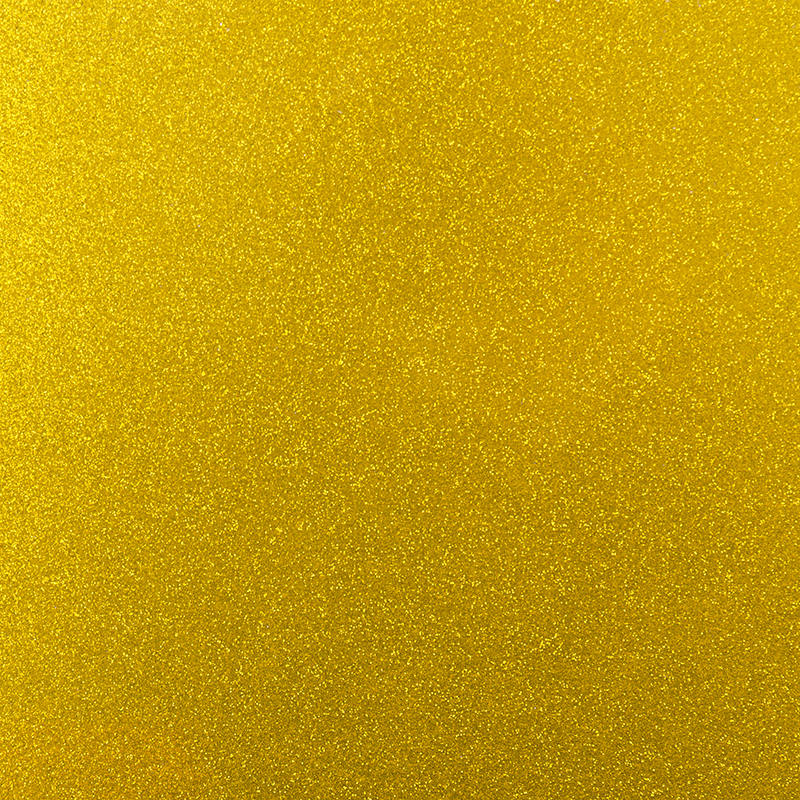
Golden acrylic sheet has tiny gold glitters in the material, which cause a luxurious effect. • Relia...
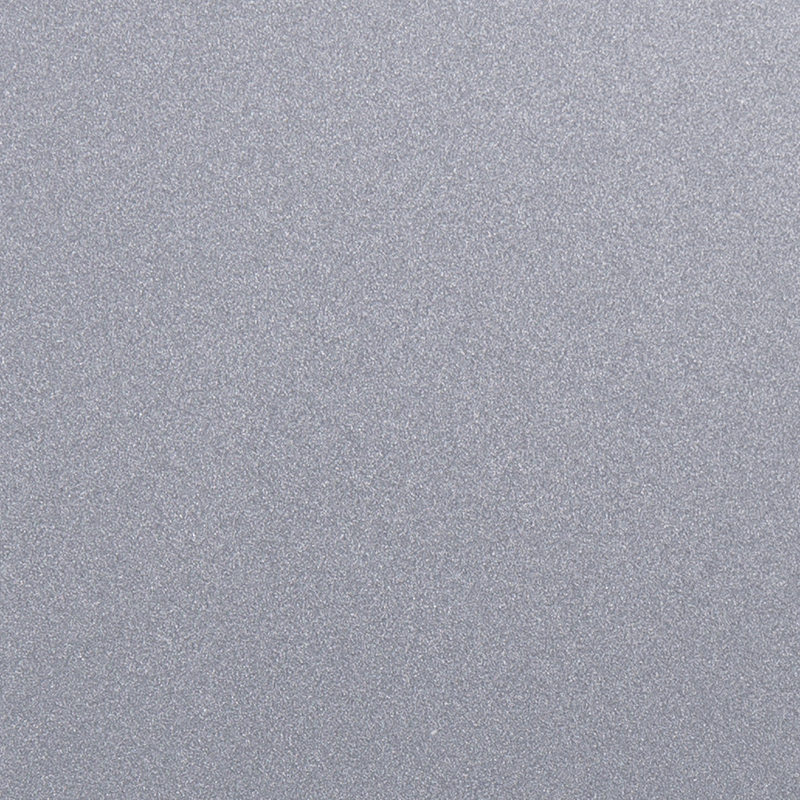
Silver acrylic sheet has tiny silver glitters in the material, which creating an elegant effect. • A...
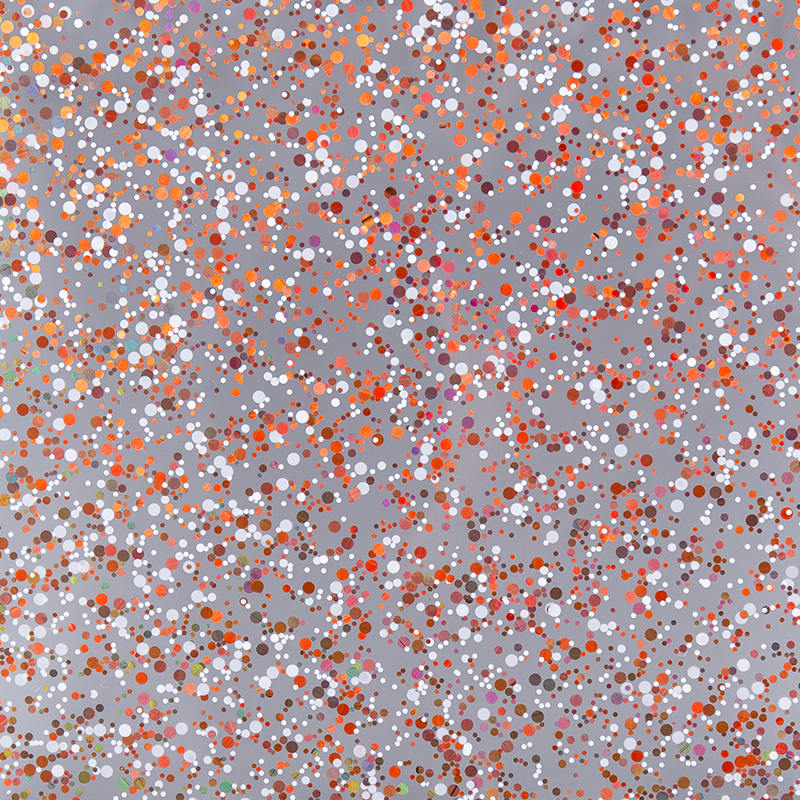
Tiny colored glitters are added to the transparent material to create a colorful and joyful visual e...
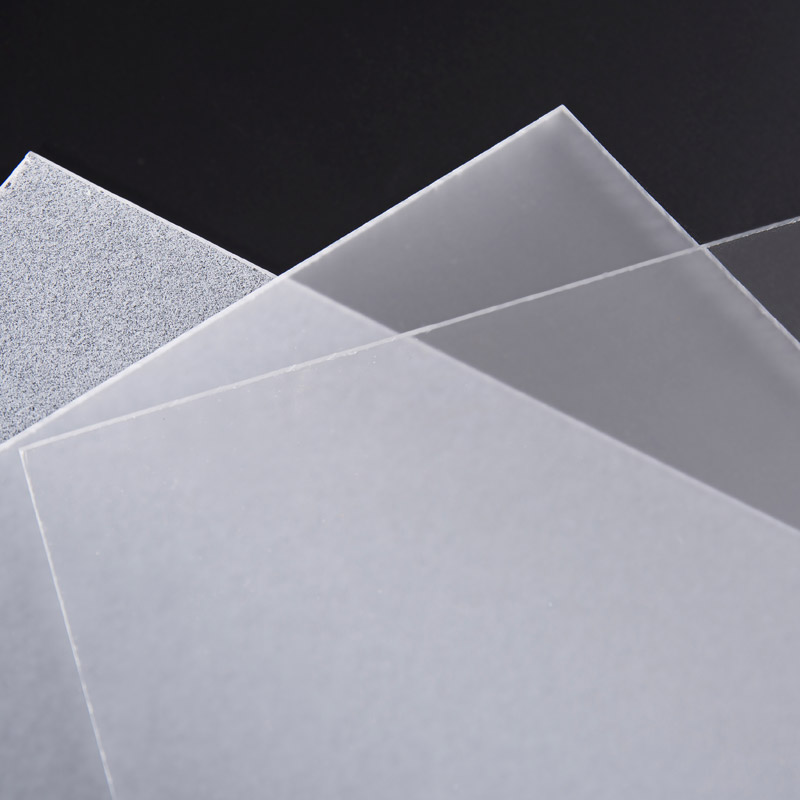
OLEG is a professional manufacturer of cast acrylic sheet, offering high quality products, attractiv...
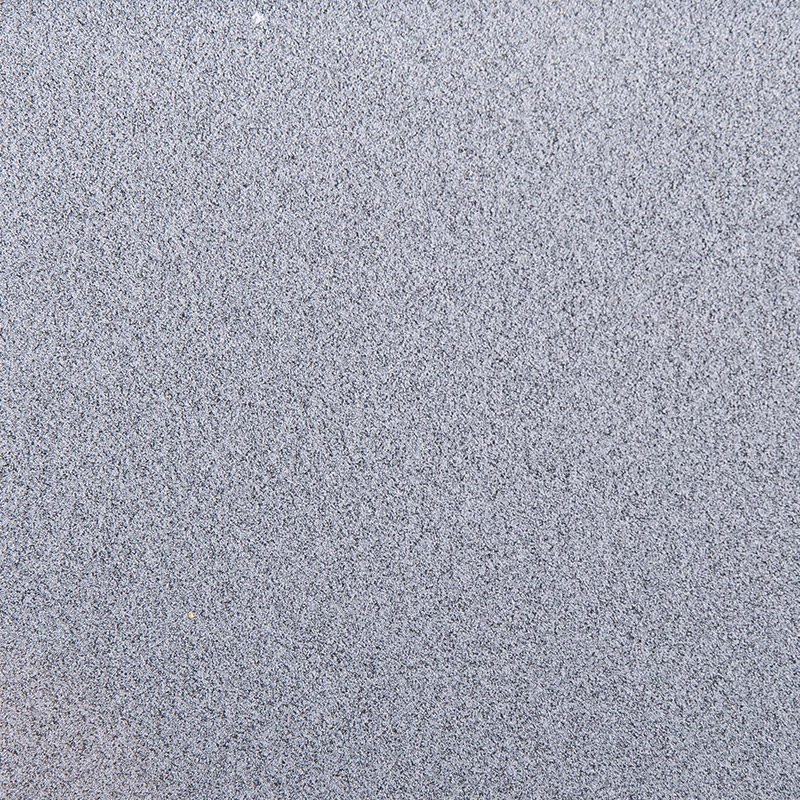
OLEG double side frosted acrylic sheet features a matte finish on both sides. Its modern appearance ...
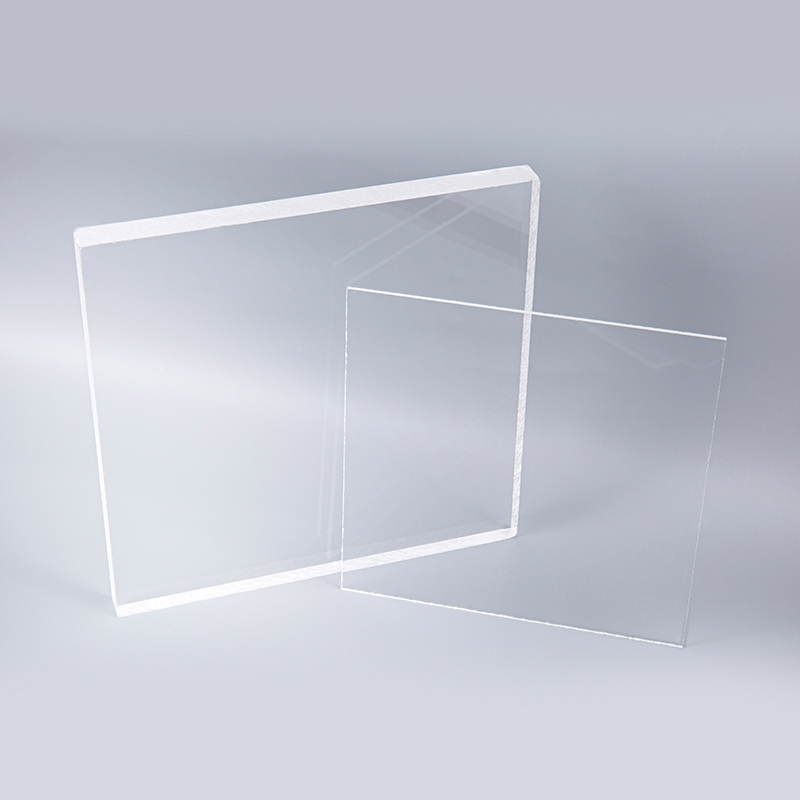
• UV Resistance: Resistant to degradation from UV light, maintains its original color and clarity ov...

